


Written by Marck Lund-Nielsen
In early April, 2025, @girl__virus posts six words on X: “you met me at a very chinese time in my life.” Twenty-seven thousand likes, viral candy. Any half-decent meme etymologist traces that straight back to Fight Club.

So began the Chinafication of the Western internet.
Chinamaxxing. Smoking holographic Double Happiness in a BYD. Chinese reels like-mogging Western content. Hot water. House slippers. Lymphatic drainage jumps.
Meanwhile, a certain world-dominating power watched its net global perception fall from plus twenty-two to minus sixteen in two years. China’s, on the flipside, went positive for the first time in the history of the survey. Ask a westerner about the People’s Republic of China, and the sentiment is increasingly that they want to visit.
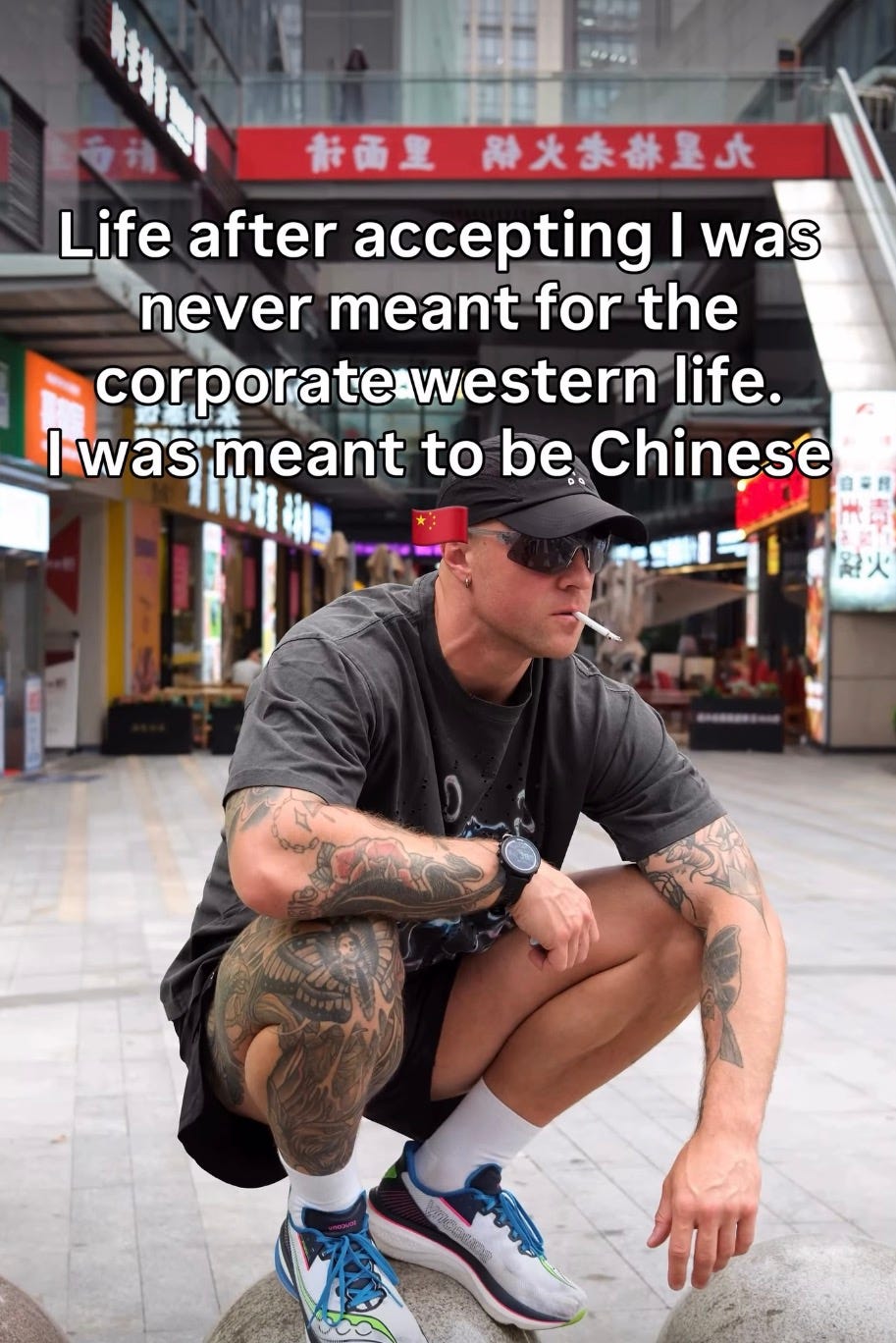
So the timing is: America stumbles, China rallies, and my feed fills up with beautiful images of the multilayered mountain city of Chongqing, unskippable satisfying shorts of a Chinese guy making tiny dishes and two white boys smashing baijiu and smoking at a roundtable with Chinese uncs.
It’s too perfect. It begs the question, is this a psyop?


I spent the better part of two weeks combing through the internet to see what I could find. What turned up was a chaotic trail of breadcrumbs trailing through CIA-sponsored hashtags, IShowSpeed live broadcasts, and government-funded content quests1. In the end, a fascinating case study in how contemporary influence and modern propaganda operations actually work.
Propaganda is everywhere, East and West. But it takes very different forms.
Unlike in the West, where propaganda is usually vehemently denied by the offending government, in China the state is pretty open about their attempts to shape public opinion, especially on social media. And in the last twenty years, they’ve gotten pretty good at it.
If you say “Chinese propaganda” everyone pictures a room with strip lighting, forty computer screens, and a group of shady figures bustling around terminals. The real thing is much more 1984. Instead of setting a single government-mandated narrative, Chinese civil servants amplify agreeable discourse by liking and commenting on posts espousing it. Some estimates suggest hundreds of million of posts a year are magnified in this way. The result is the algorithmic domination of pro-China viewpoints.
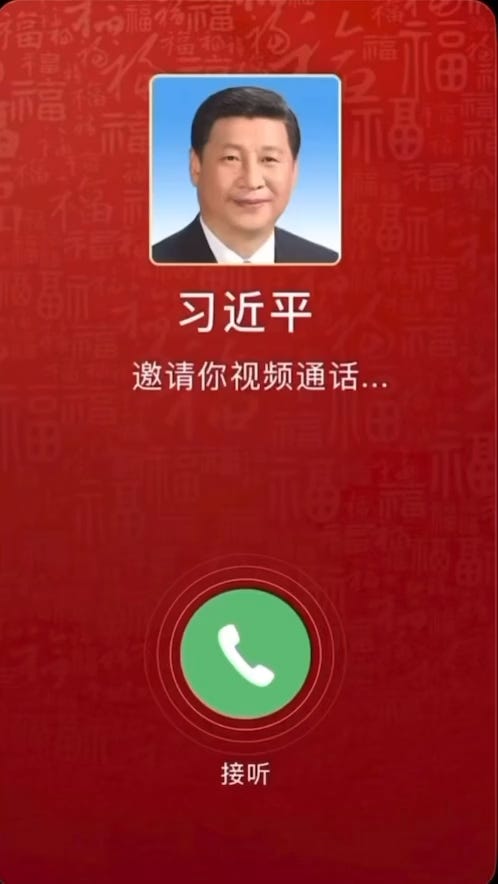
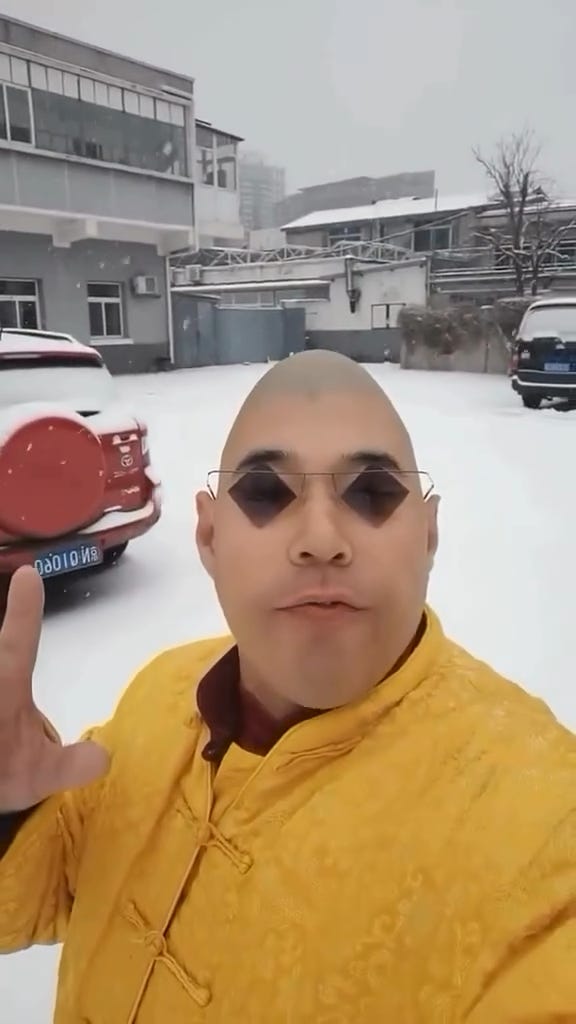
Despite the negative connotations of social engineering, there have been some genuinely good outcomes from this manipulation, especially in rural parts of the country, where content creation has given villages a new industry. Douyin’s rural creator income went up fifteenfold in a single year. But no matter where you are in China, from a mega city to a tier-3 town you have never heard about, you’ll find a patriotic twelve year old streaming to millions of followers and engaging in the social media economy. This is all openly acknowledged, and no one bats an eye.
While that’s happening, the US propaganda apparatus is looking increasingly clumsy.
Between 2020 and 2021, the Pentagon was caught running at least three hundred dummy accounts, weaponizing the Tagalog hashtag #Chinaangvirus in the Philippines. The goal was simple: sabotage China’s Sinovac rollout in the middle of a global pandemic. In 2024, Reuters blew the lid on the Trump-era initiative that survived months into the Biden administration, which only died off when tech executives finally connected the dots. Another investigation revealed the CIA was cleared in 2019 to seed stories about CCP corruption throughout the Global South.
Every one of these moves chips away at the perceived authority of Western governments, leaving the door open for someone else to influence our rotting brains through the black rectangles resting in our palms.
Memes are a great way to enact this influence.
Memetic propaganda is a material force that serious politics hasn’t quite figured out how to handle. There are American Christian Facebook pages, with a humble monthly reach of 75million, being managed by a troll farm in Macedonia. In fact, all fifteen of the top Christian pages and ten of the biggest pages targeting Black Americans, are run by similar operations (yet another point on the list of reasons to stop using facebook). Memes-as-psyop isn’t some exotic new theory; at this point it’s in the air.
So given the state of East-West propaganda, and the grinding power struggle looming in the shadows, it seems almost boringly obvious that the sudden mass Chinafication of the internet was manufactured.
So I went looking for a smoking gun.
And thought I found it.
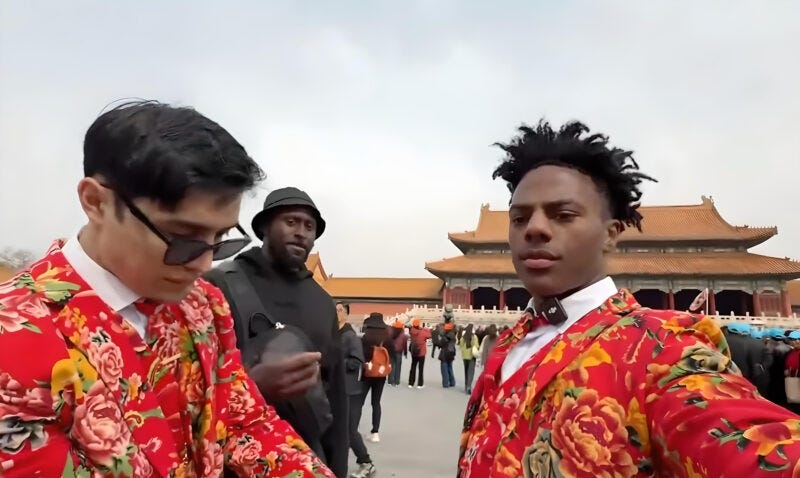
Very early in our Chinafication era, IShowSpeed toured China. In the background of his videos, there often appeared a middle-aged Chinese man, following him around and handing him food. Stream watchers were quick to assume he was a handler from the government. Speed’s manager put the finances on the table: turns out they received no money from the Chinese government. Even their plane tickets, six in first class, were at Speed’s own expense.
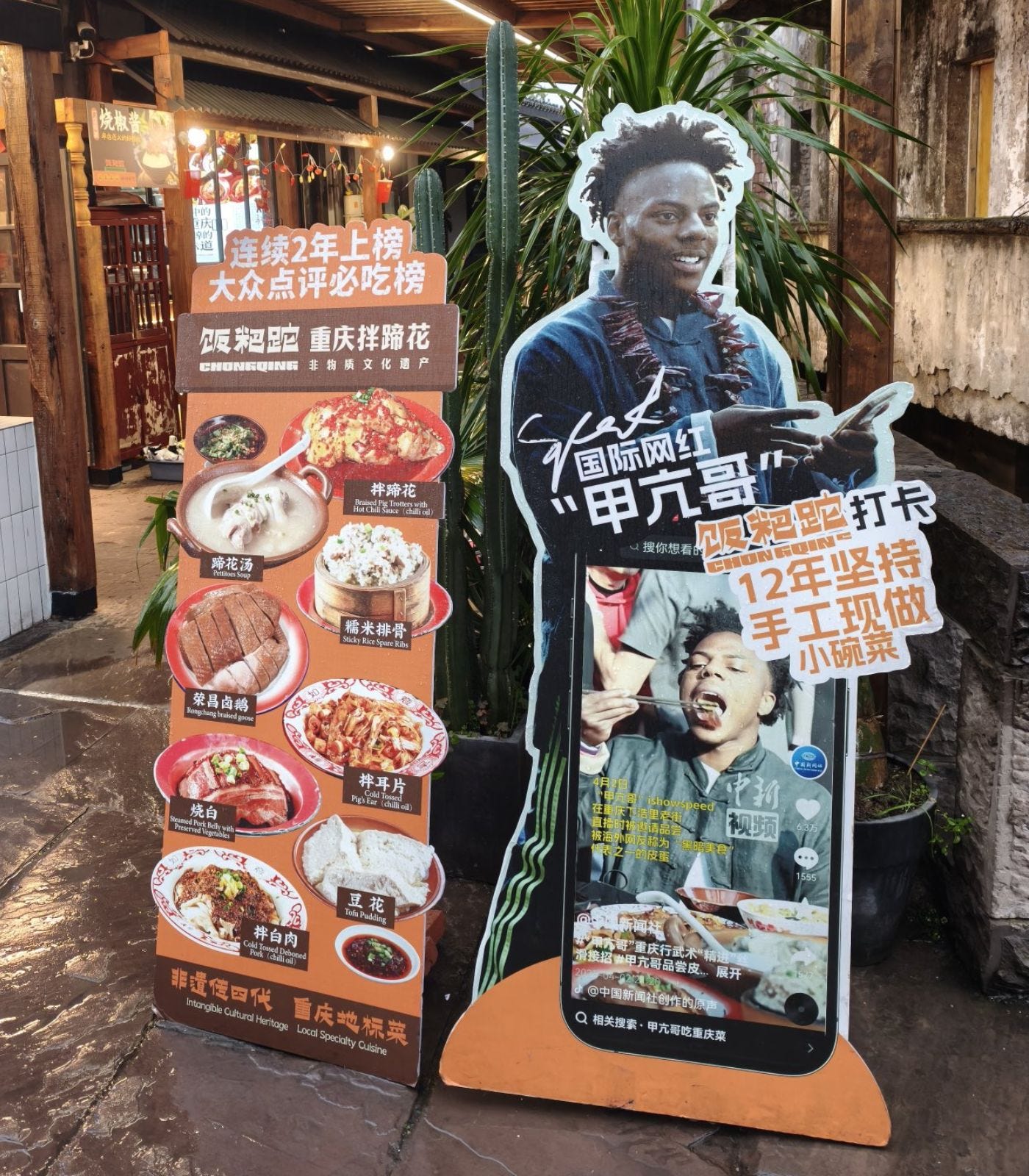
The man trailing Speed, however, was paid. He got handed about 13,800 dollars from the Chinese state for promoting his hometown.
This is because, as it happens, China has a social media bounty board, where creators collect big bags of money for completing various content quests. It’s not a single nationwide list, but a network of public incentives funded by local and regional municipalities.
To take an example: In July 2026, a Chongqing blogger posted a Douyin video of a 2,200 kilometre taxi ride to Lhasa, which hit 20 million likes, and the Xizang tourism department handed him 500,000 yuan. This fulfilled an offer the department had published in advance: clear 5 million likes, collect the half million.


There are countless versions of this, and it’s a really interesting way to push an agenda, precisely because none of it is planned. You don’t need a psyop if you have a bounty board. You just need a lot of people who want money.
So positive content is, to a degree, funded by the Chinese state, but it stays inside Chinese borders, paid in yuan, to Chinese locals. Actual real journalists (unlike myself), at the BBC and the New York Times, went looking for the international version and found nothing: no foreign influencers on the payroll, no agenda pushed, just a media scholar telling the NYT the videos “appear authentic, without the typical hallmarks of state involvement.”
And in regard to all the Chinese YouTube shorts we’re all severely addicted to, well it is mostly just repurposed content, clipped off Douyin and Xiaohongshu then reposted to Western media, done by (allegedly) completely ordinary people barely clearing a barista salary.
But it would be a mistake to chalk the online Chinafication up to this bounty board alone. There are other factors at play.
Late 2025, China opened its tourism borders, waving through 77 nationalities on arrival instead of the notoriously pain-in-the-ass permission process, and the internet flooded with footage from travel vloggers. Which obviously has a massive novelty factor, and gave us a lot of new trends to sink our teeth into.
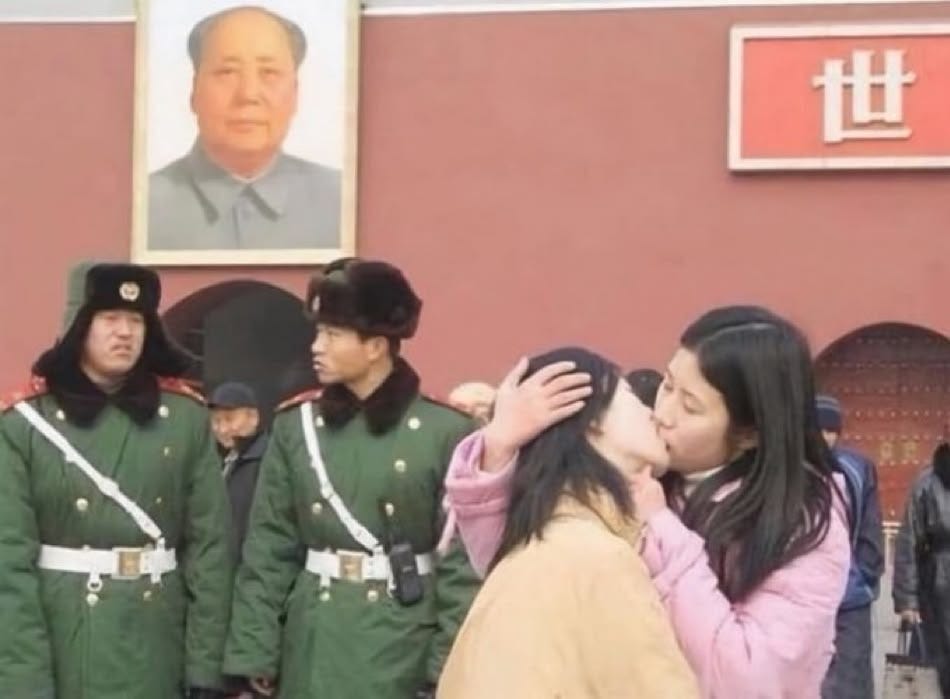
The grass is always greener, especially when what you have in your own pasture is a crumbling economy, exorbitant healthcare, and dodgy political systems. Four years at an American public university runs fifty to sixty thousand dollars, while the Chinese equivalent is a fraction of that. The average Gen Z American carries ninety-four thousand dollars of debt, and two-thirds of them have already decided they’re never owning a home.
To be clear, even post-Chinafication, Americans still think of China as the bad guy. In March 2026, only 27 percent of those surveyed held a favourable view, and seventy-one percent didn’t. 27 is an impressive improvement from 14 in 2023, but hardly a true flip in public perception.
So what we’ve got is a fascination with an exotic land that seems to be better engineered than our own, but not an entirely clean slate. A twenty-two year old with ninety-four thousand dollars of debt doesn’t need much convincing that something has gone wrong, they feel it in their daily grind. The desire for maxing out on Chinese culture was never direct, but more so an obscure reflection pointed back at us. Which is probably a big part of why the era seems to have had such a short shelf life. We’ll have to see how many Americans are still smoking Double Happiness and drinking hot water in 2028. My guess is not many.
Very MMORPG
y’all fast af. this is actual zeitgeist work!!!!!