


Paul D’amato says he learned more about photography from hitch-hiking and train-hopping across the country between each term at Reed University than he did from his actual MFA. The influence of these miles is clear in his work. The photographic eye is inevitably trained over all that space, and D’amato’s work certainly captures those pleasures in life which can be had for free.
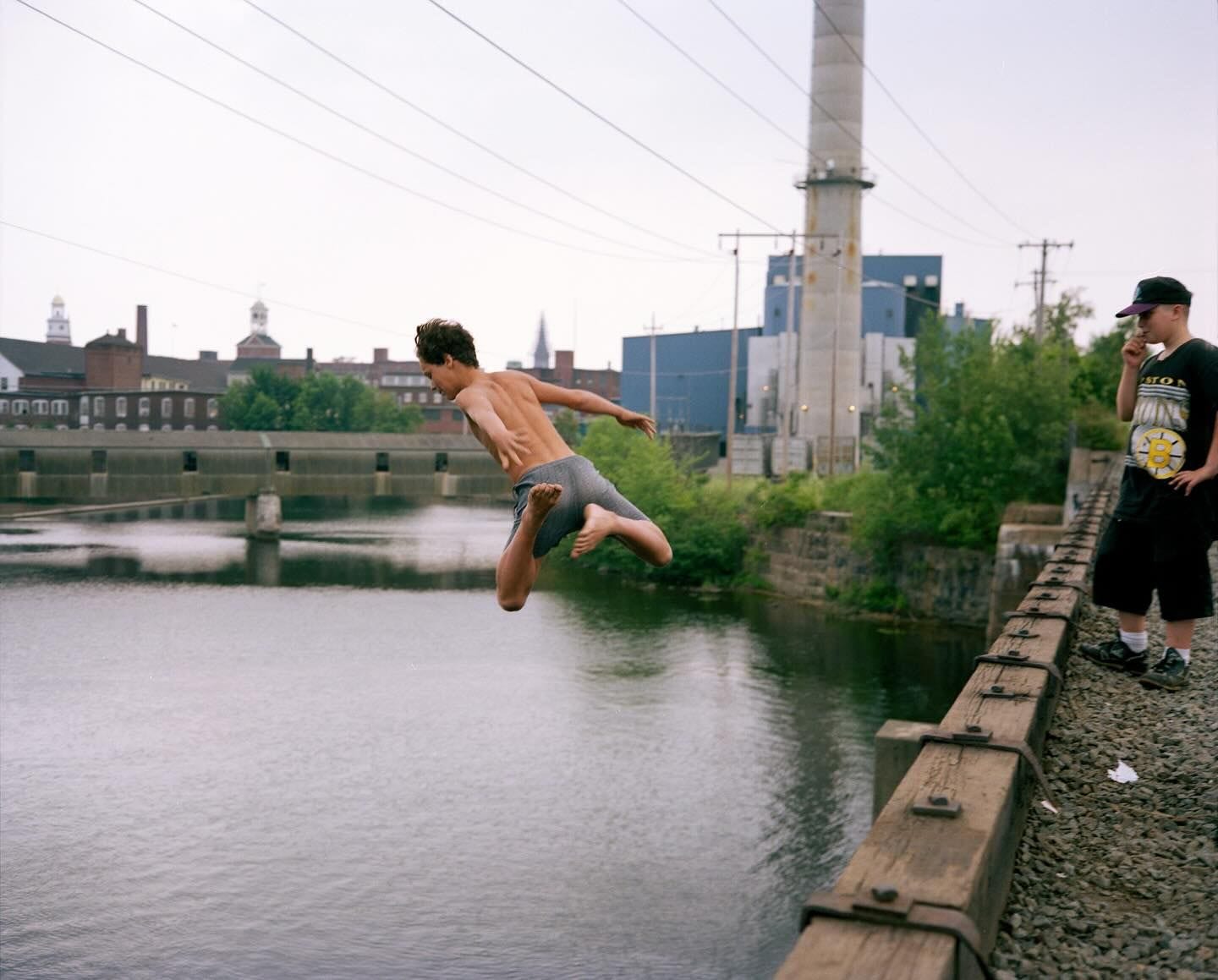
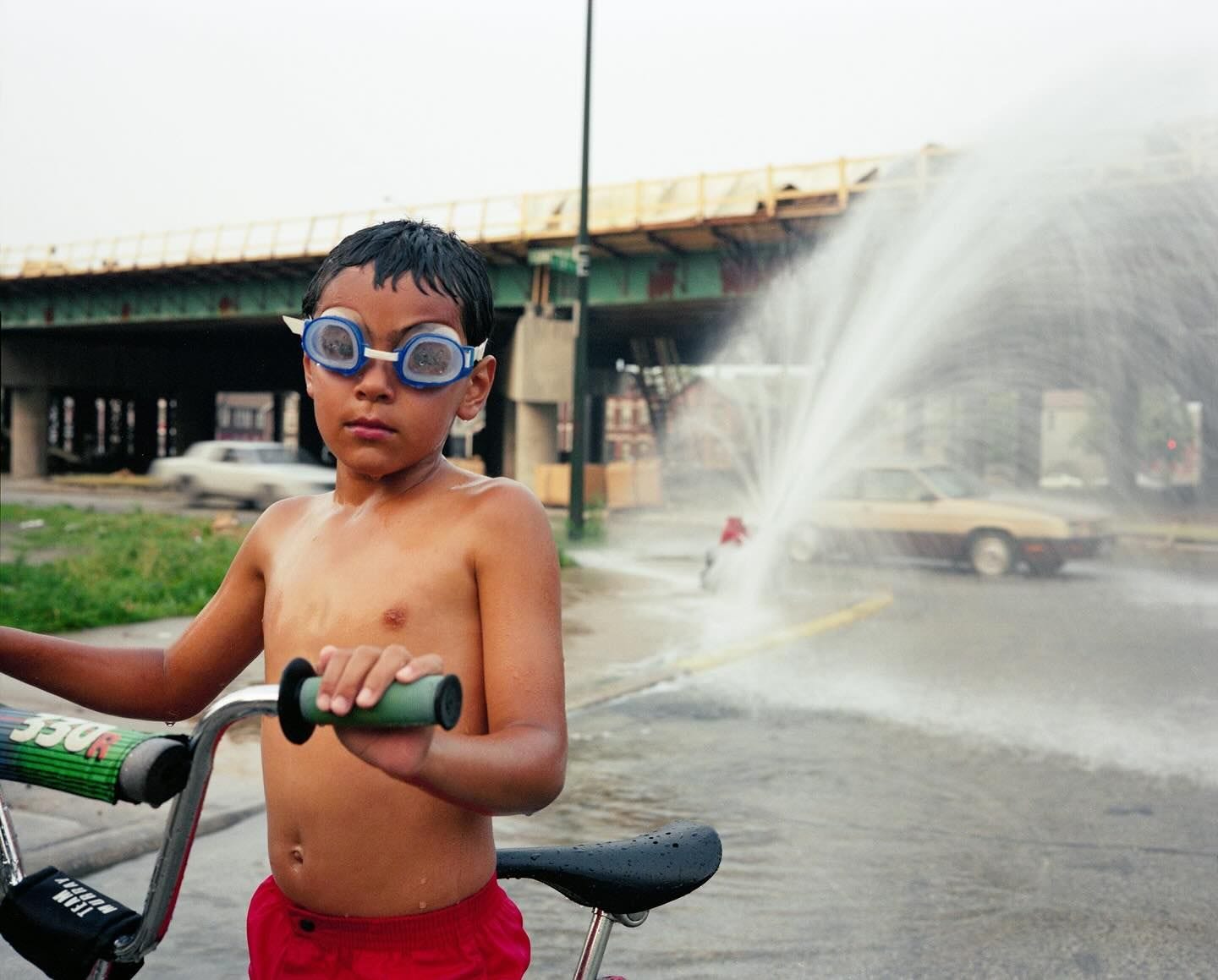
“Water for the People”, a series D’amato began over 25 years ago, is a prime example. Its images span the borders of states, countries, and water bureau jurisdictions. In nearly every photograph, the water depicted is publicly available, whether contained in a body of water, spouting from a fire hydrant, or part of a public fountain.
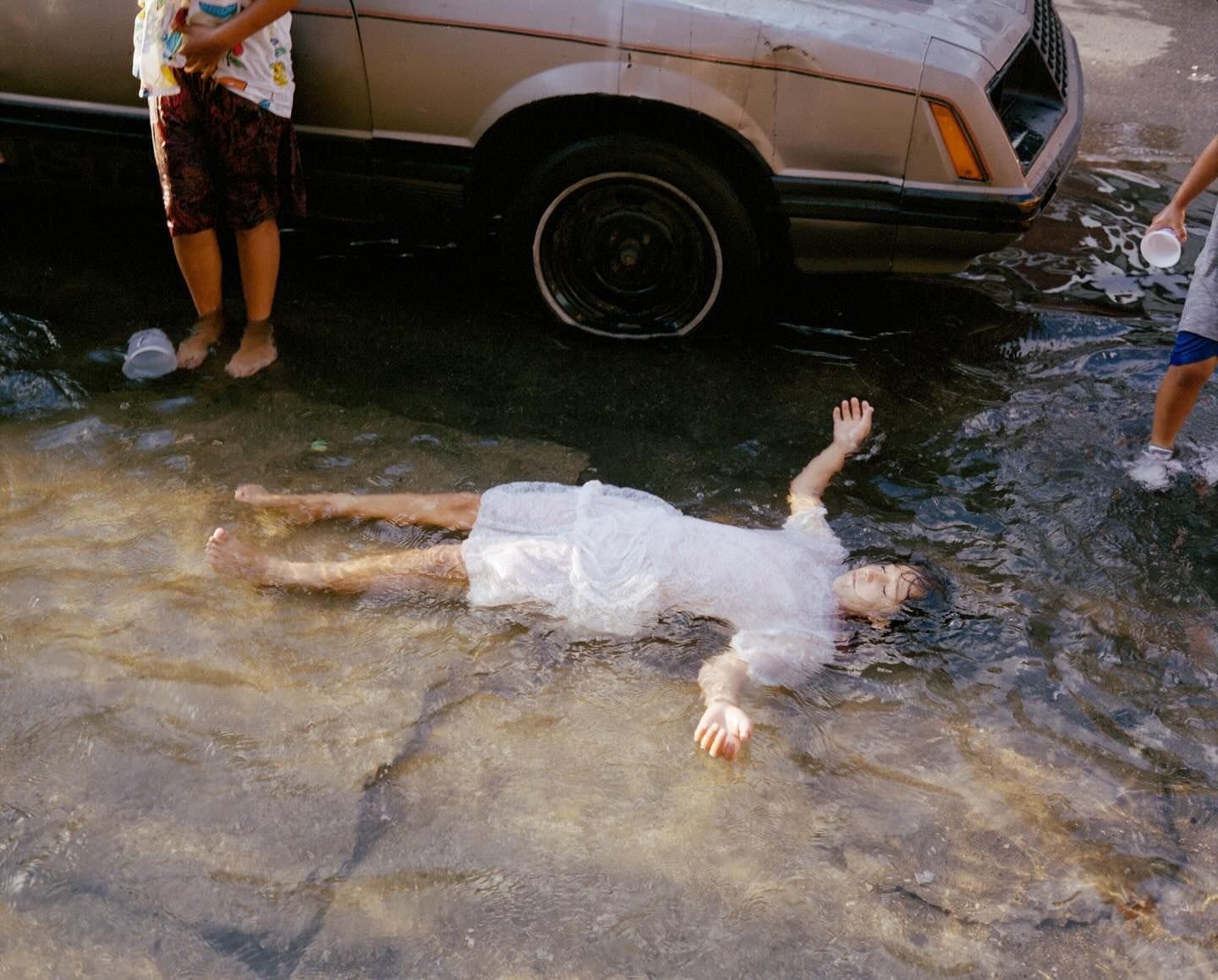
The form of water depicted varies, as does the human subject’s relationship to it. Children dancing in a fine mist, a large women floating in a murky lake, a boy still perfectly dry in midair falling towards the surface of a river. Water, a resource many of us experience in such an abundance that it nearly becomes invisible, is rediscovered as a playground, a vessel, a liquid with a thousand uses.
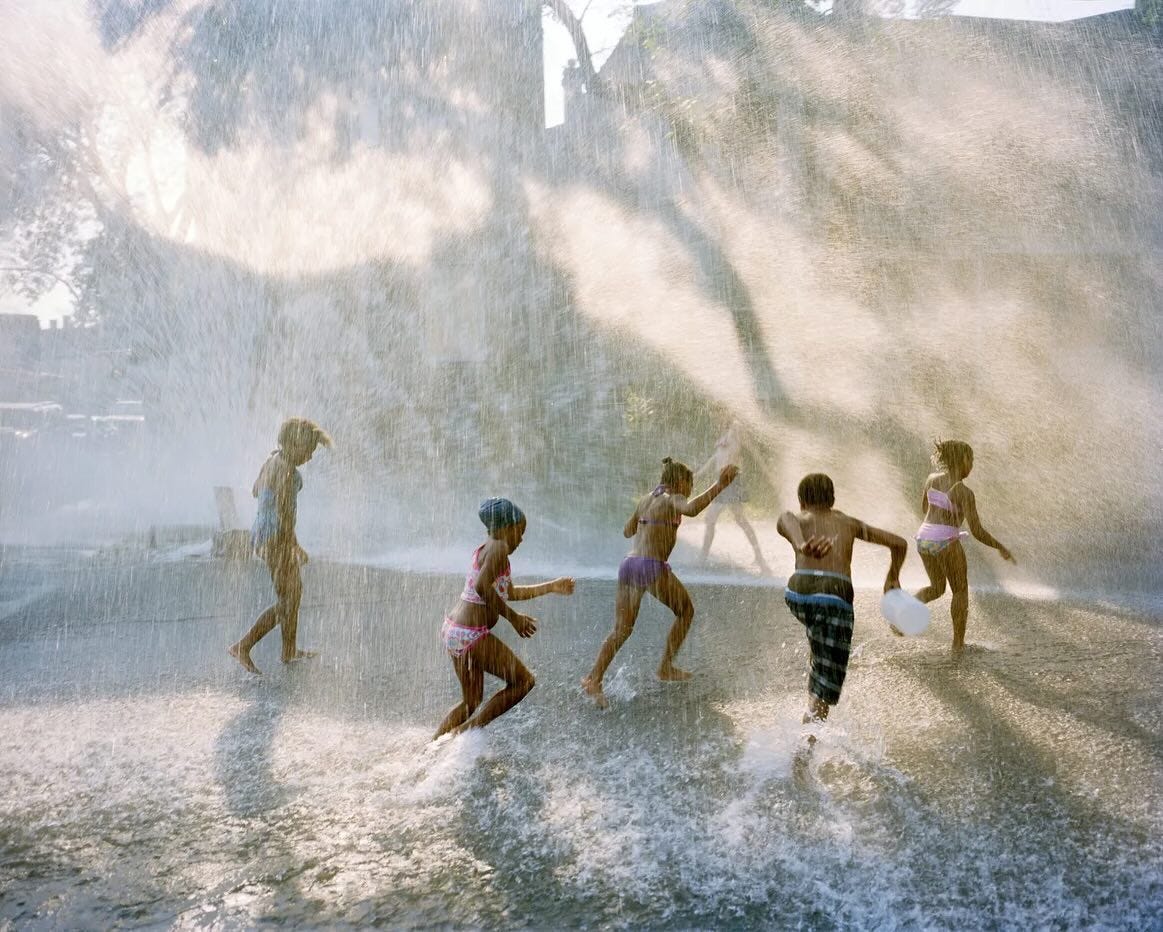
If water is a presence in these images, then so is heat. The summer swelter of Chicago, Maine, and Mexico provide the impetus for the subjects to make use of the water. Water is a salve for the oppression of temperature, a solution for inescapable weather.
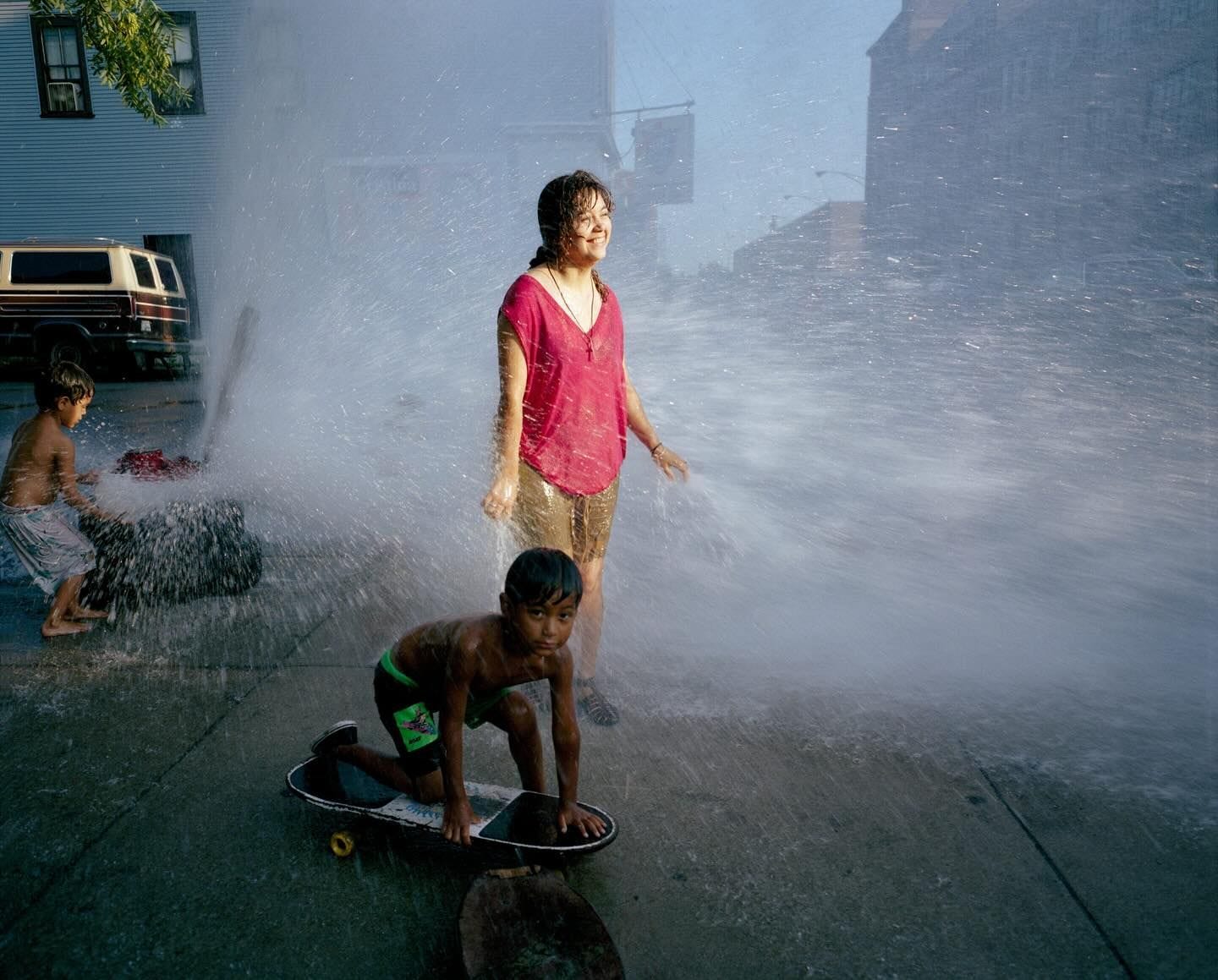
In D’amato’s work, water becomes a populist force, and a source of instantaneous community. Relief from heat is felt by all ages, classes, races. The water, in most cases, is accessible to anyone. These are simple joys, and we all can have them.
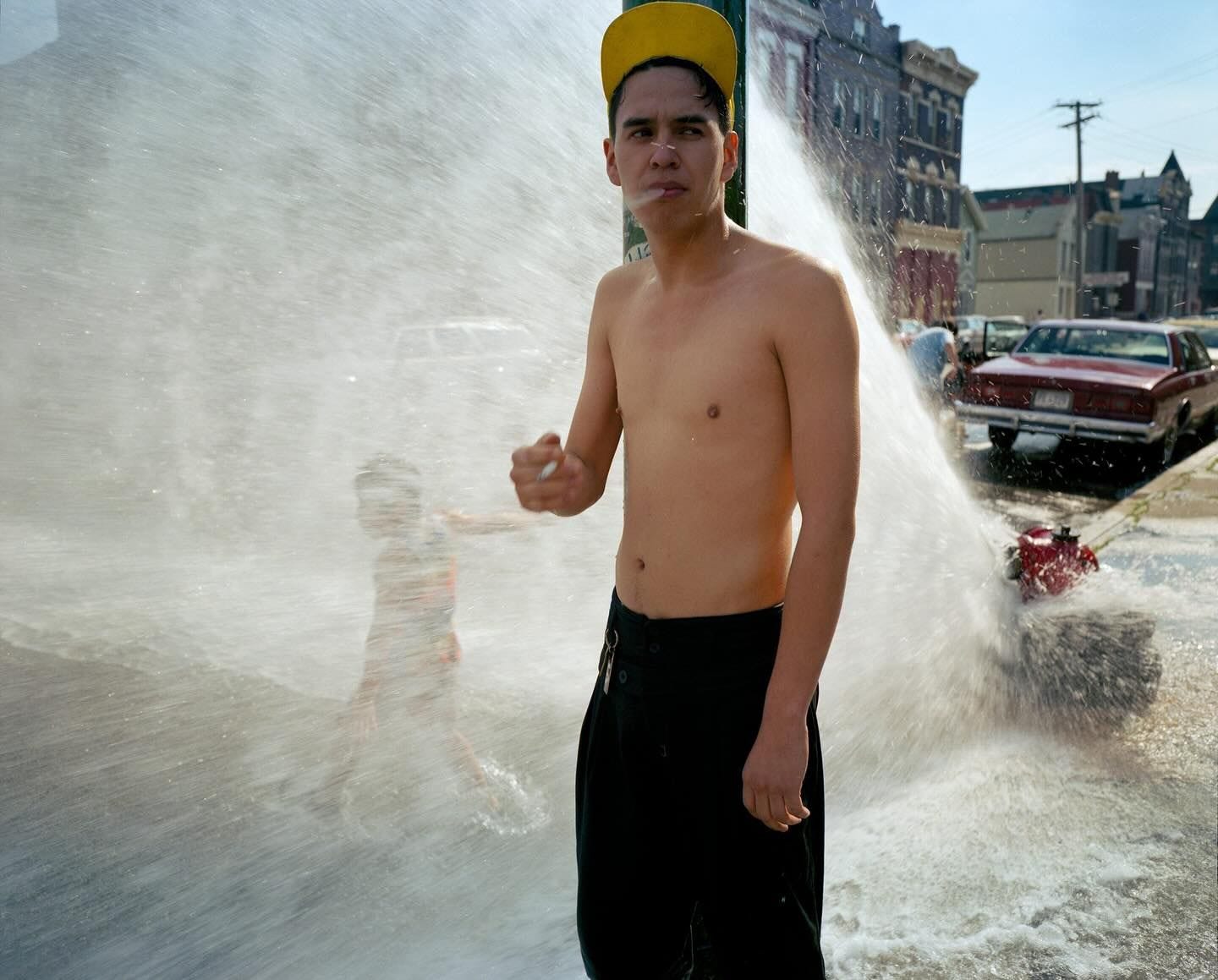
Today, the price of water is climbing around 3% annually. As droughts become more frequent and more municipalities are faced with the task of reducing water consumption, moments like the ones D’amato depicts will only become more scarce. When our resources diminish, they disappear in public first.


Written by Johann Faust.