


‘Making it’ as a photographer in the commercial world generally involves slowly chipping away at the edges of your individuality until it becomes possible to reliably produce images of a certain benign and preexisting mold. Once you’ve demonstrated this ability, you’ll be called on to repeat it. This is what many photographers would call success.
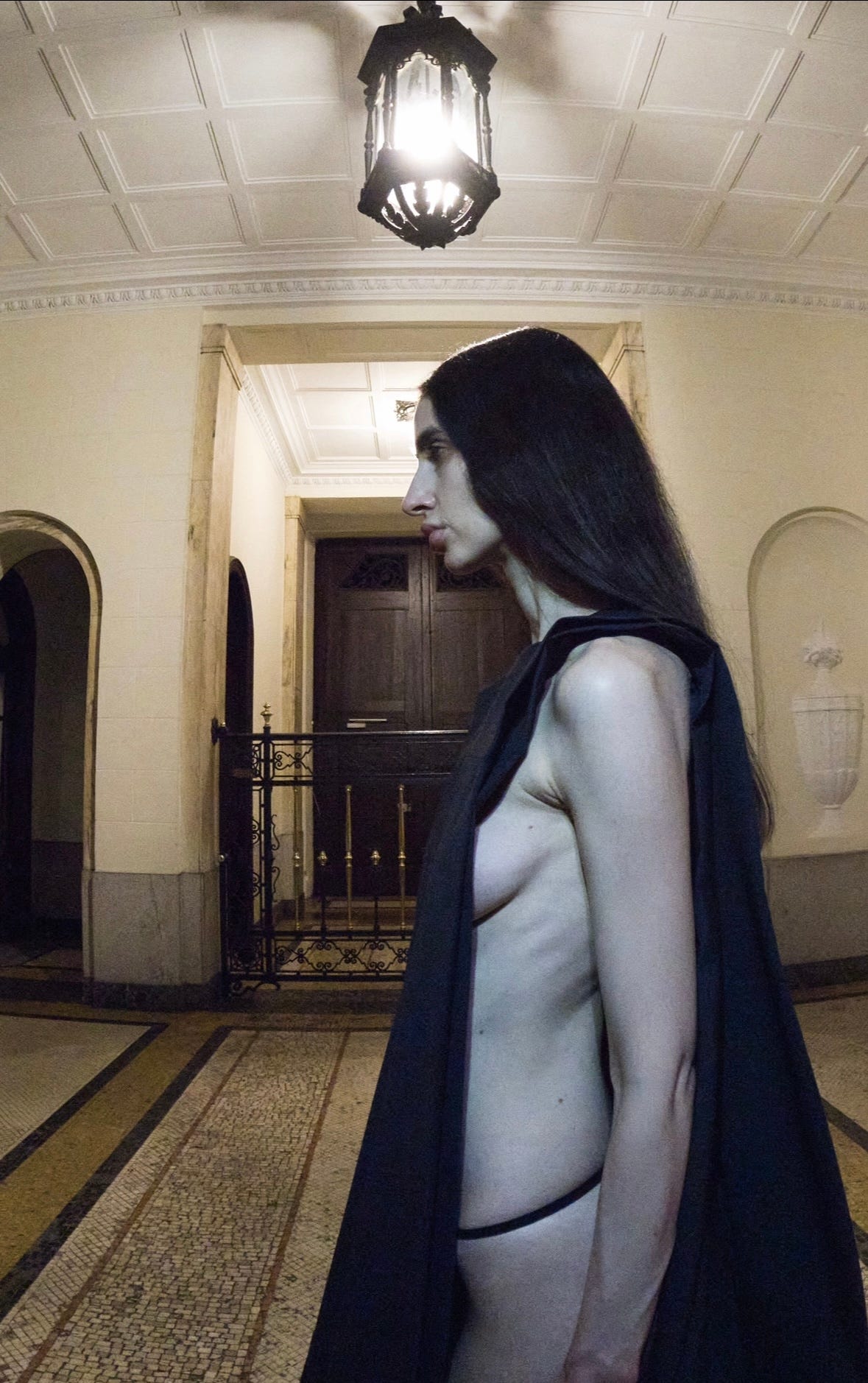
Pietro d’Azzo reached this false peak. He was not only a commercially successful photographer, but one the rare few with a genuinely viral shoot. The 2022 “LOL” campaign he co-created for Balenciaga was a sensation, and has since become one of those pieces of content that gets recirculated yearly amongst the archival community.
But instead of enjoying the industry-sanctioned and neutered version of success being offered him, a’Azzo disappeared. He wiped his Instagram. He stopped taking editorial jobs.
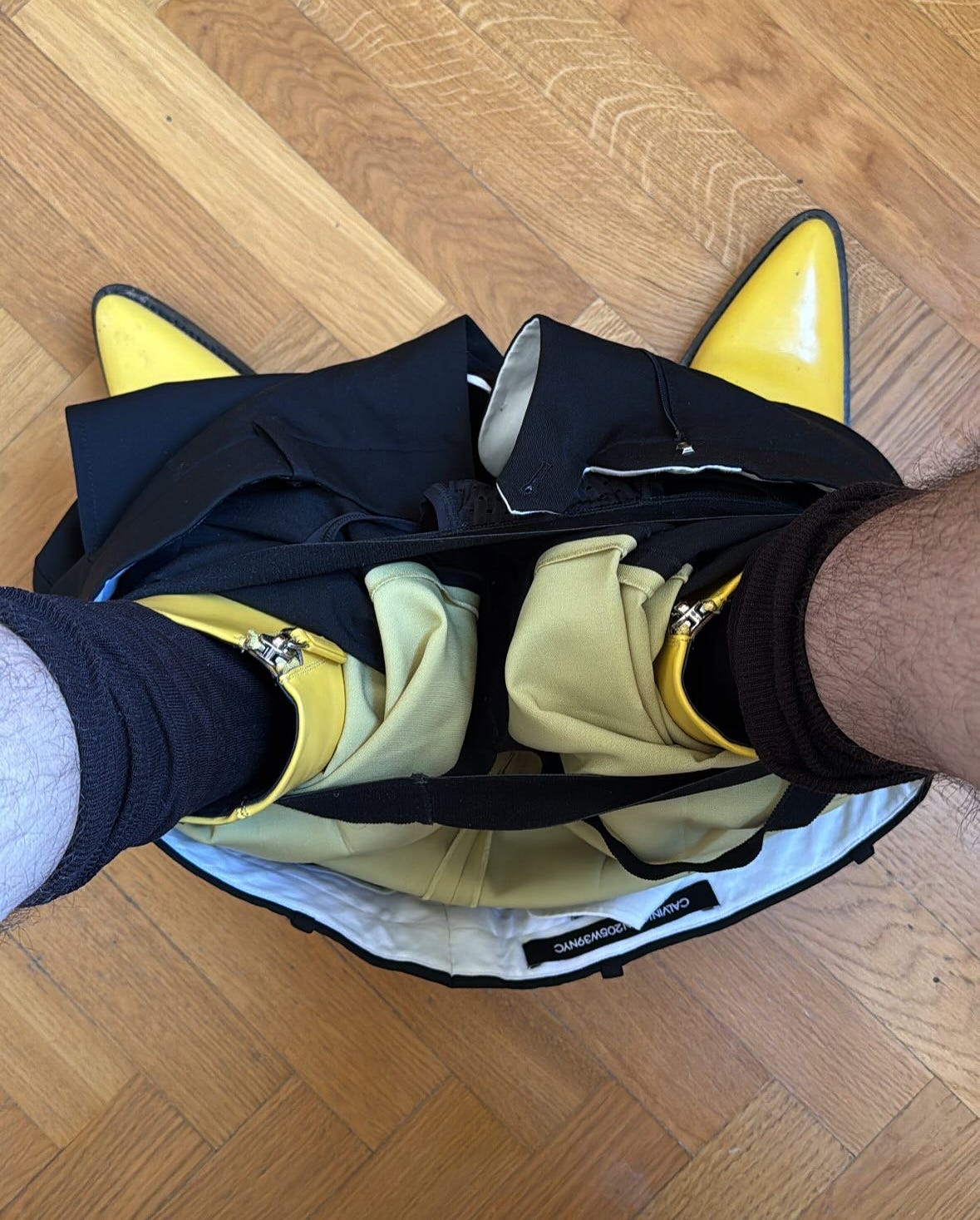
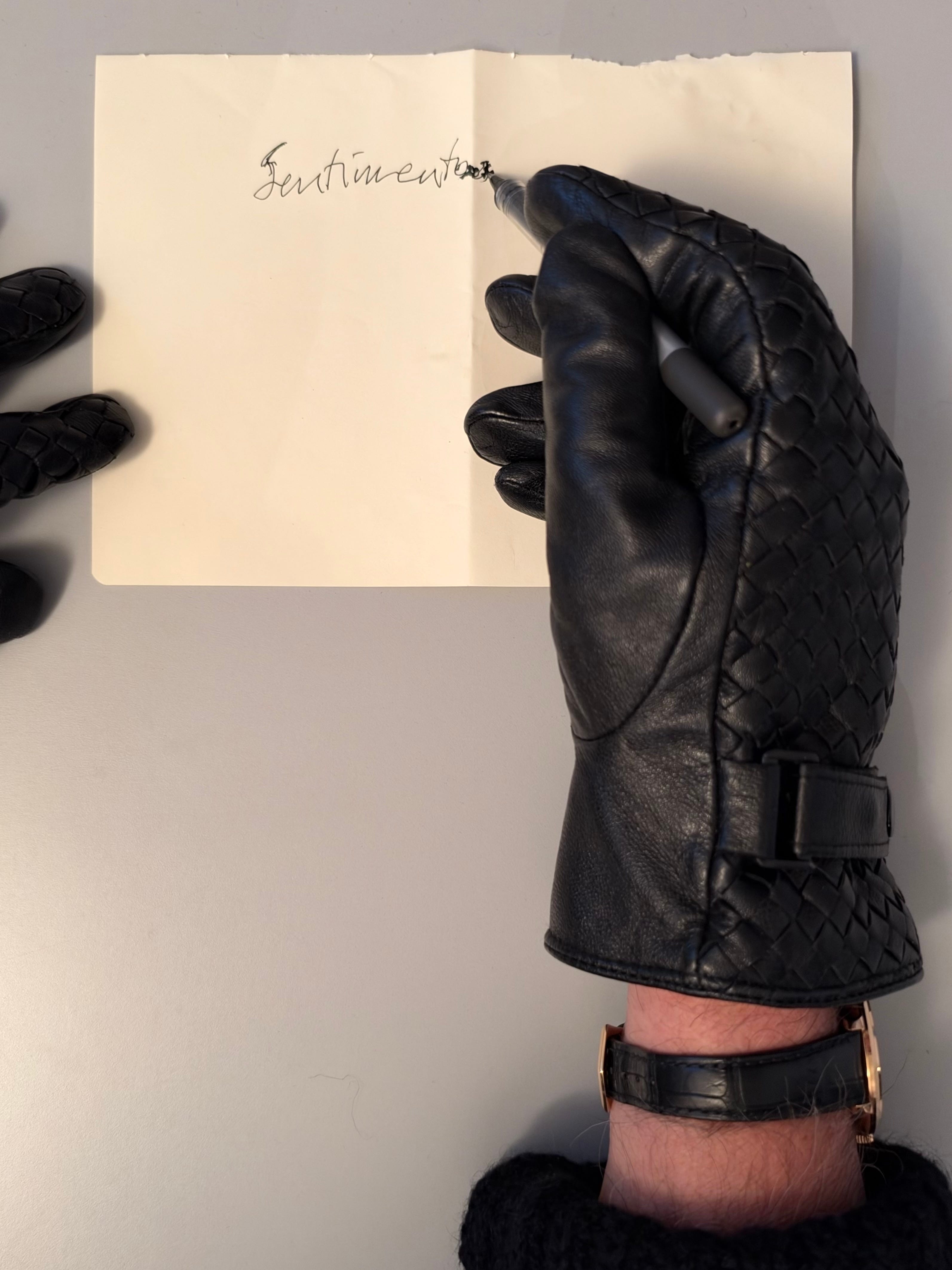
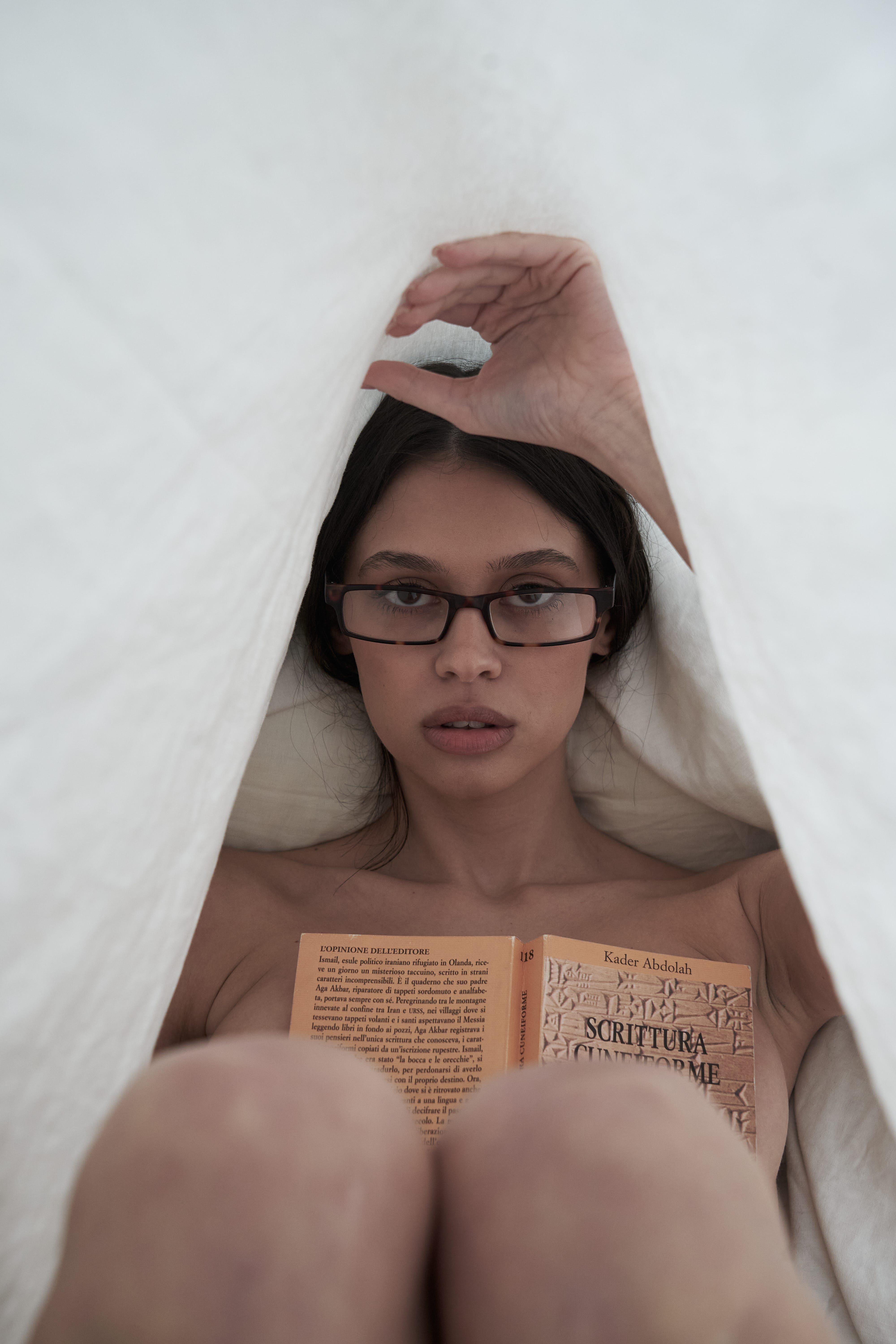
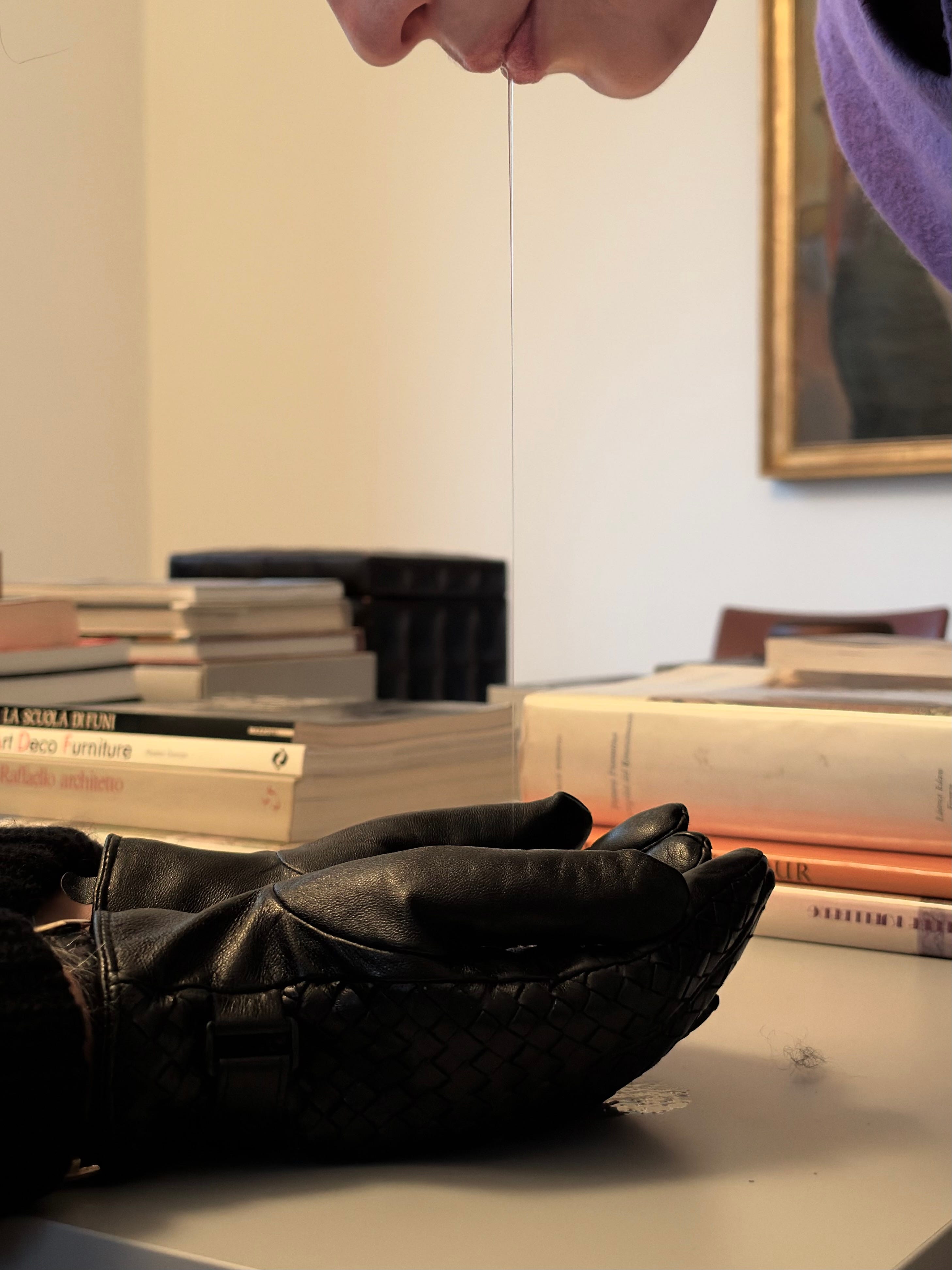
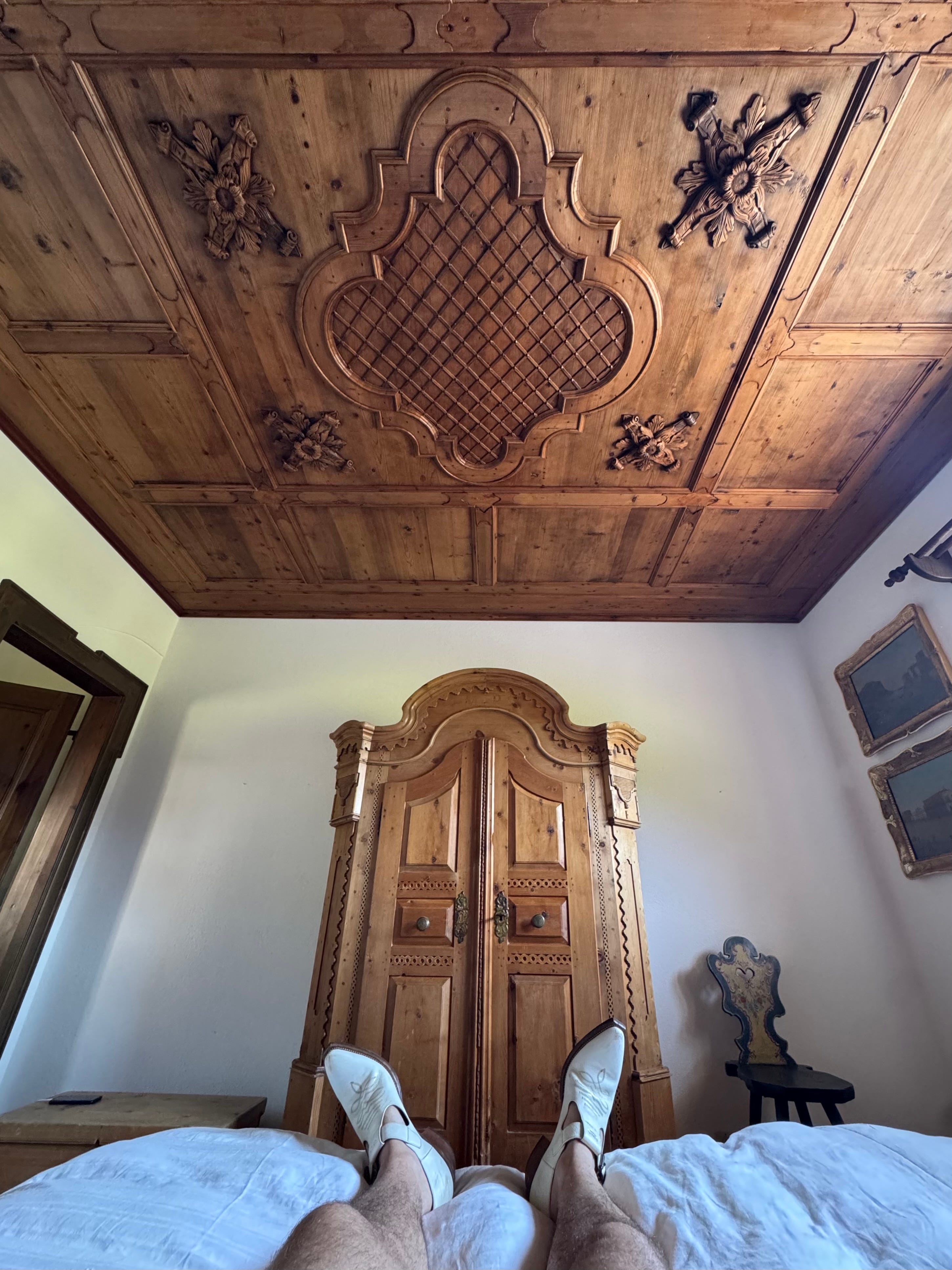
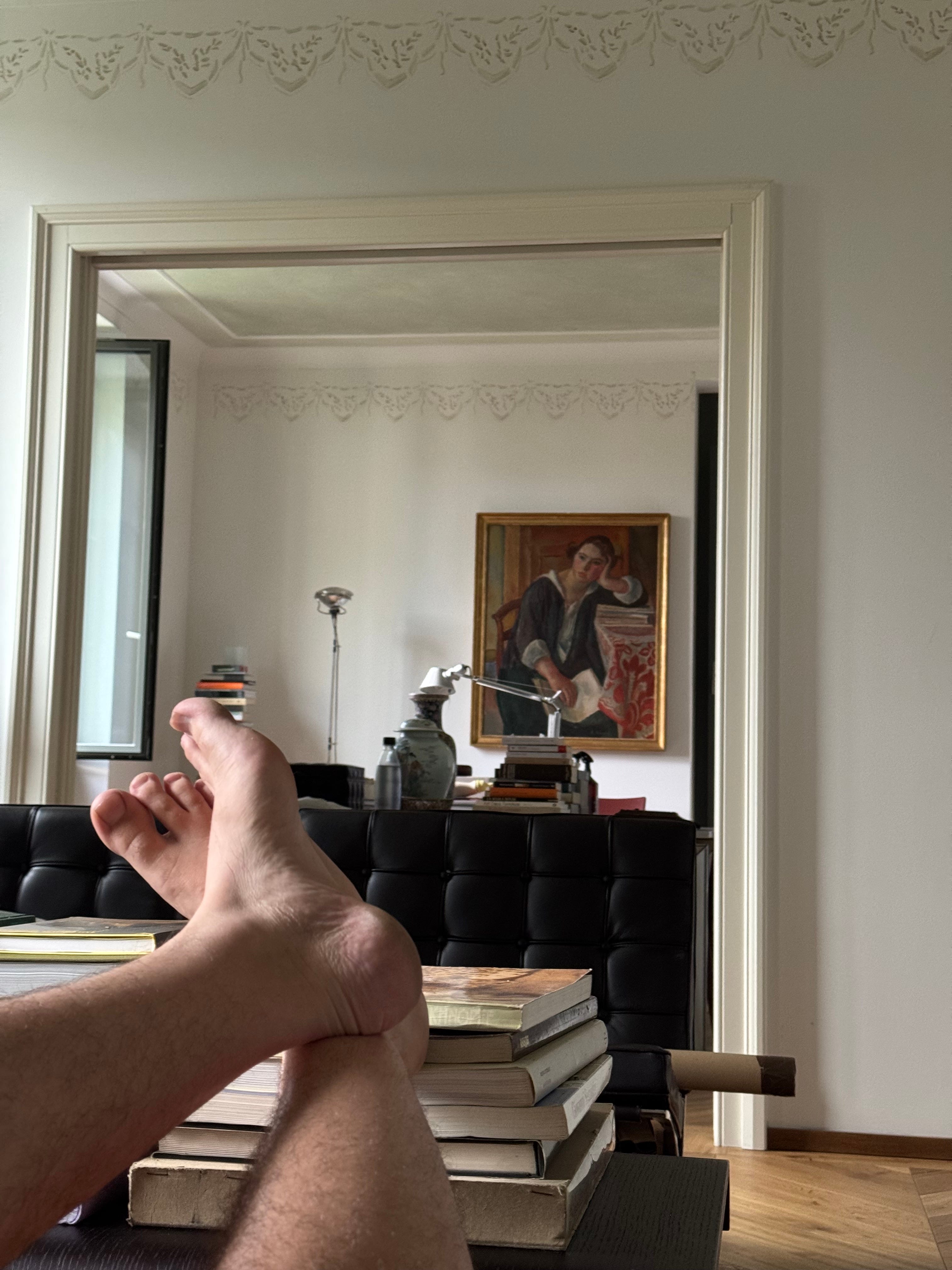
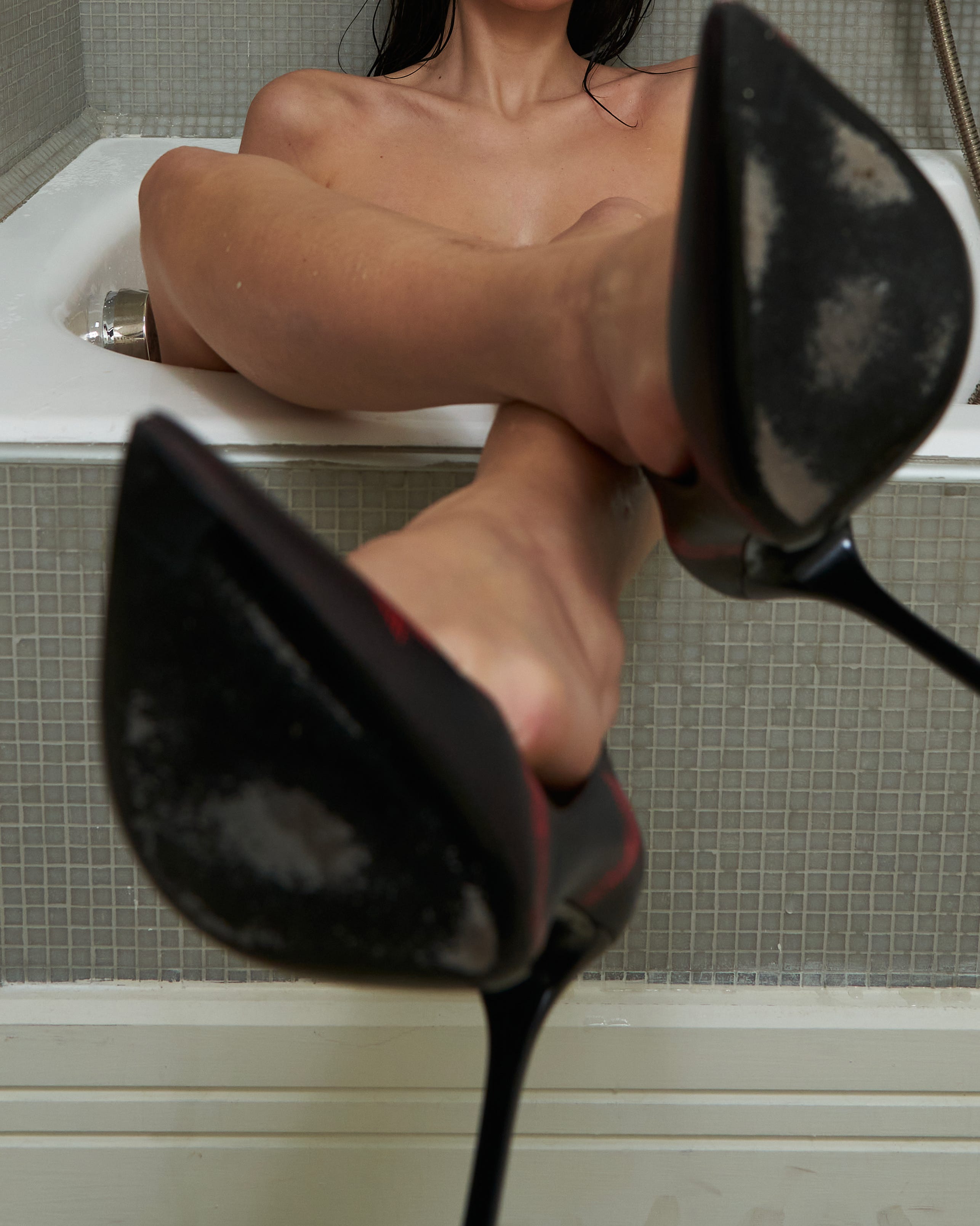
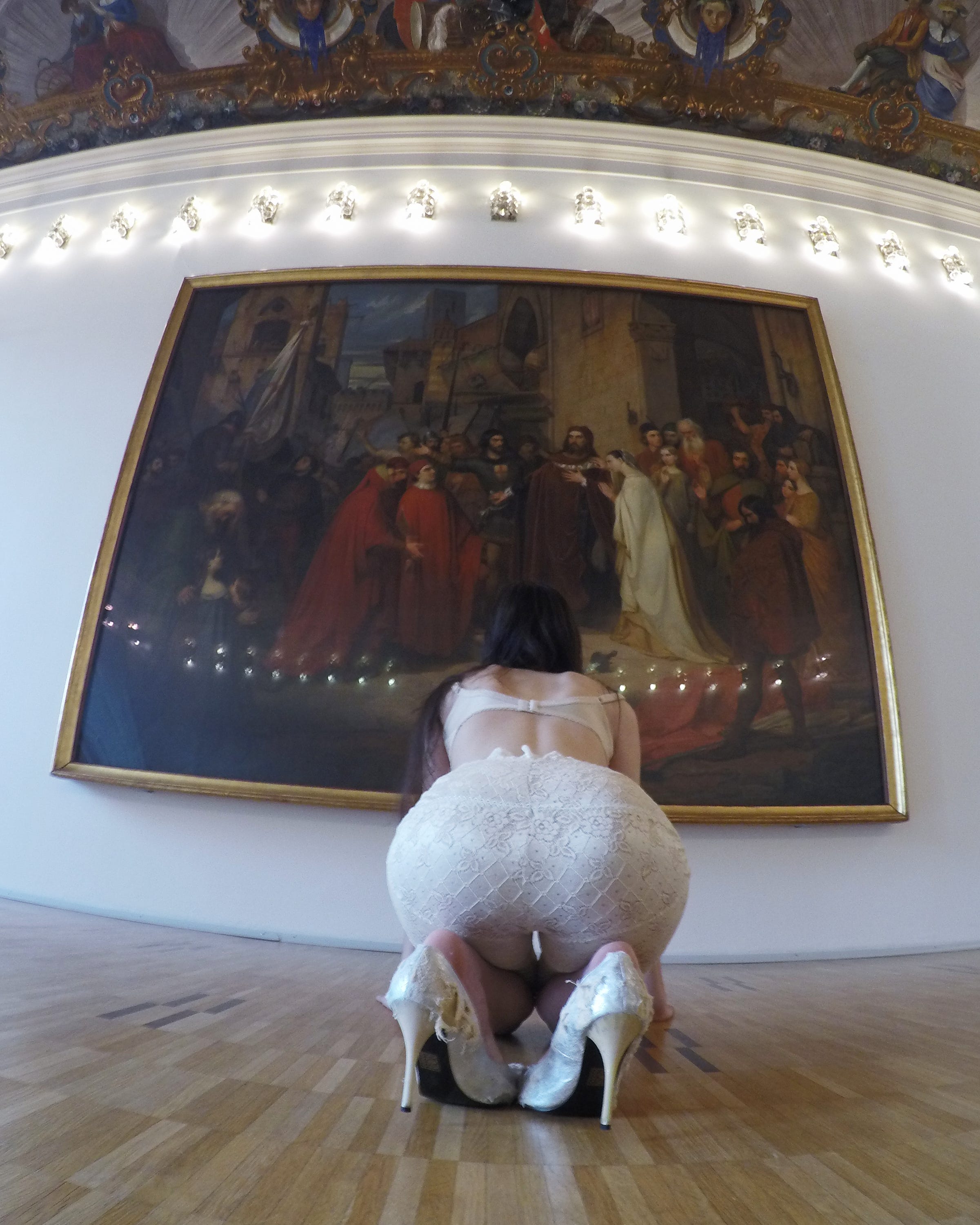
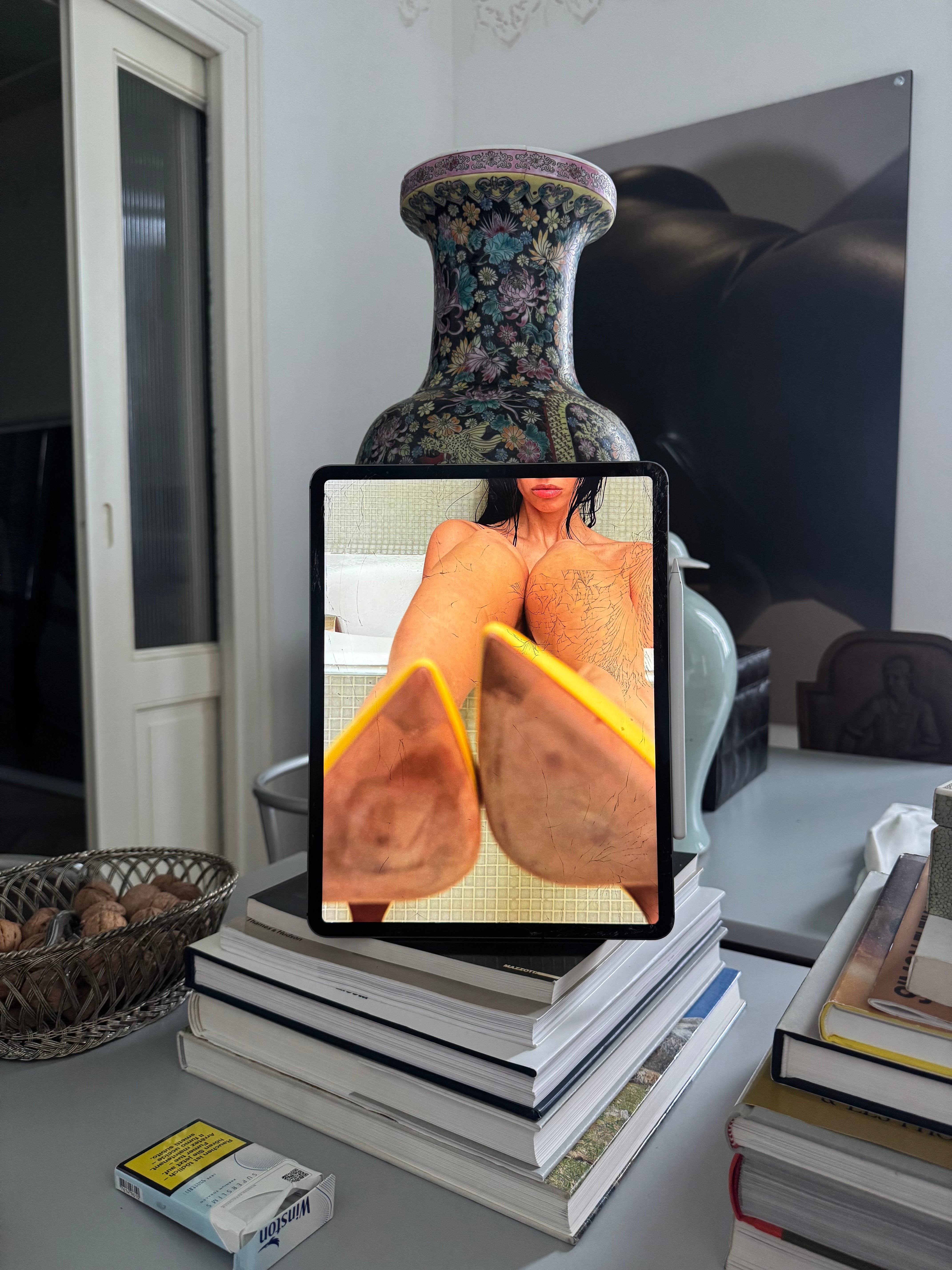
When he began to share work again, his photography looked different. It had more character, new angles, not the sort of stuff you’d find in center folds, but quite brilliant. There were more feet, sometimes shoved into luxury heels, screenshots of classical paintings, stacks of art books.


Pietro d’Azzo is a renegade, an artist who refuses to play the game. He likes to speak his mind, and has a habit of posting screeds against the industry on his Instagram, archiving them shortly thereafter.


We think he’s one of today’s great image makers, one deserving of far more recognition. So I called Pietro. We talked about his decision to leave the industry, his new approach to his craft, why feet, why books, how many cigarettes his morning routine involves, and more.
Noah Jordan: Why did you wipe your Instagram?
Pietro d’Azzo: Last year, I decided to archive most of my, let’s say, commercial work. When something doesn’t speak so much to the direction you want to take, it’s better to present new work. In fashion, whatever is on your Instagram, you will be requested to do.
NJ: So how are you re-introducing yourself as a photographer?
Pd’A: I’m trying to be more personal, to shoot people that I love, that I see frequently, that I have a connection to. In a moment where images are more and more the same, being personal [is] the best way to find what belongs to you. It’s also my research. I’m trying to be far from fashion in my research.
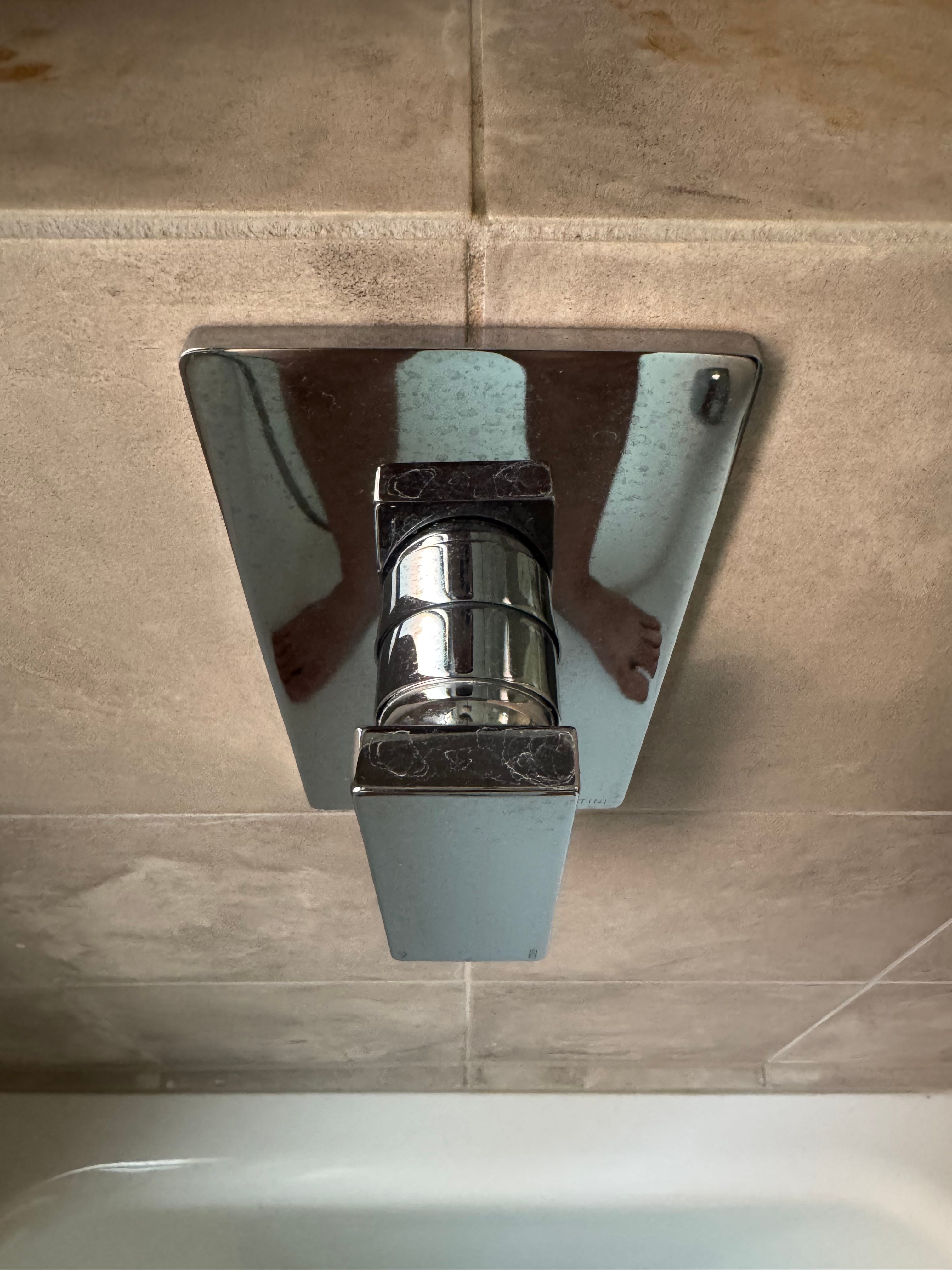
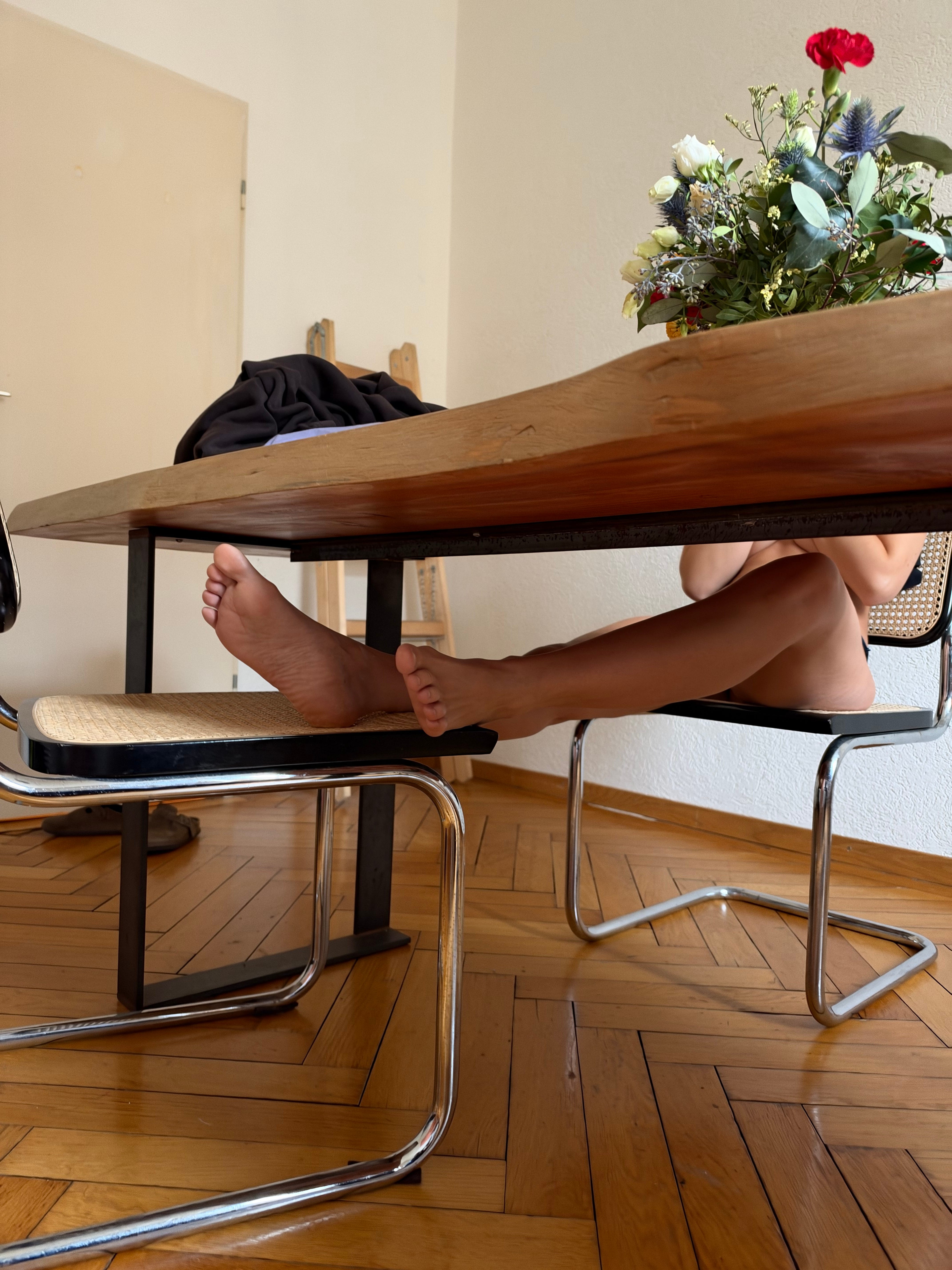
I always had a huge admiration for feet. It’s a sensual part of the body that too often people get disgusted by. I think this is very interesting.
Take me back through the chapters of your life and work. What made Pietro d’Azzo?
I was born and raised in Switzerland. My mother is an art dealer and my father is an architect. So I’ve been visiting art spaces and reading books about art since I was a kid. When I turned 18, I went to Berlin. That taught me a lot. Not really in terms of photography, but more about life, freedom, sexuality.
When I moved to Milan, that was the chapter where I understood how to be relevant in a commercial way. A lot of people think that fashion might be easy, luxurious. I think that is a very, very small part of it. I feel that if you picked this industry to be famous and rich you might be here for the wrong reasons.


When do you know that an image is ready to be shared with the world?
That’s interesting. It’s something that comes from the gut. If you’re used to seeing images a lot—whether it’s Instagram or books—something will speak your language and you will feel the necessity to save it.
That sensation, it’s something you experience again with your own picture, often you feel the urgency to share it with someone close to you and that I think is a good sign.
Tell me about the Balenciaga campaign. How did that come about?
I was young. It was kind of my interpretation of what Balenciaga was doing at the time. I understood after, when people were trying to contact me, they were wanting something humoristic. I hate when a brand contacts me and says, let’s do something fun. I can be silly in other things, but with images I prefer to be slightly provocative.
Obviously trends pop up and die so quickly now. In light of that, I’m curious how your own philosophy as a photographer changes in relation to them. Do you feel the need to respond to trends?
I think it’s a cage if you use ‘trends’ in your creative process, because then we will end up doing the same images. That’s why it’s very important to be personal. It could be a person, a book, a painting that your grandmother gave to you. I think the more personal the less chance there is for people to sing something similar. There was a switch in my philosophy of images being very, very close to myself.
With fashion images as well, I feel more personal and less concerned about which clothes I’m going to shoot. Maybe not a complex idea, a big narrative, but just something, a twist on the image.
What do you think about the current state of fashion?
Compared to a few years ago, I’m slightly more confident. There is some movement compared to post-COVID. There are a few designers that I feel are really saying something. I like when brands produce images where sometimes there is not even product placement. I think a brand should do this; fashion and images have always been a conversation. You can shoot a Prada picture without having any Prada products.
In some brands, there is a great creative director that creates desirable clothes, but the images are not helping that vision most of the time. There is still so much money in fashion that is just not used for the right things. It’s not expensive to produce images.
What are some images inspiring you lately?
I have a big archive from my mom and my dad’s library. My idol is Rødland Torbjørn He’s a master of creating tension. It’s something Caravaggio used to do. I’m really attracted by the Renaissance. But I’m very open to whatever. I bought many books about the history of Swiss art.


Your process feels very anti-contemporary. What’s drawing you in that historical direction?
I’m a huge fan of contemporary art. Huge fan. But I feel there was something in the way we used to do things in the past where there was poetry in it. There is something that sticks to you in a frame, in a painting of a gesture.


In a lot of the photos that appear on your Instagram, contemporary digital interfaces are left in as borders to the image. What do you like about this inclusion?
It’s an exercise of being modern with something old. The graphic gives a twist to the images. When you take a good picture the first thing you do is share it with people you love. I think [that] is a sweet action, that’s why I like it.
It’s creating a clash—taking a picture of a book, putting my images next to a painting. To see how they blend, even if they’re really apart in terms of age. I feel nostalgic about a few things, but it’s important to somehow be present as much as we can.
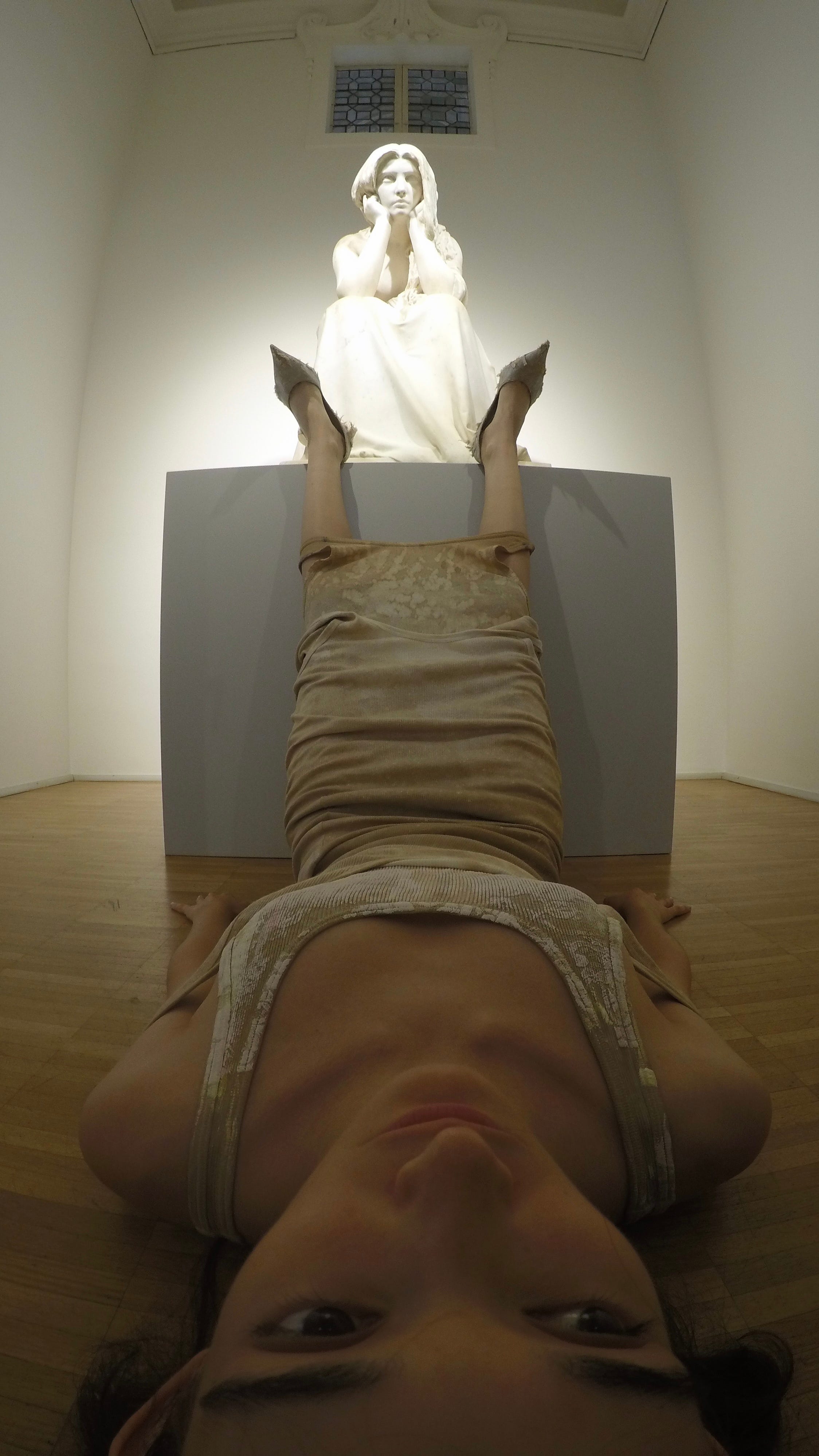
Another aesthetic hallmark that I wanted to ask you about was the verticality to your photography. Either shooting someone from the feet up or from the head down. Why that angle?
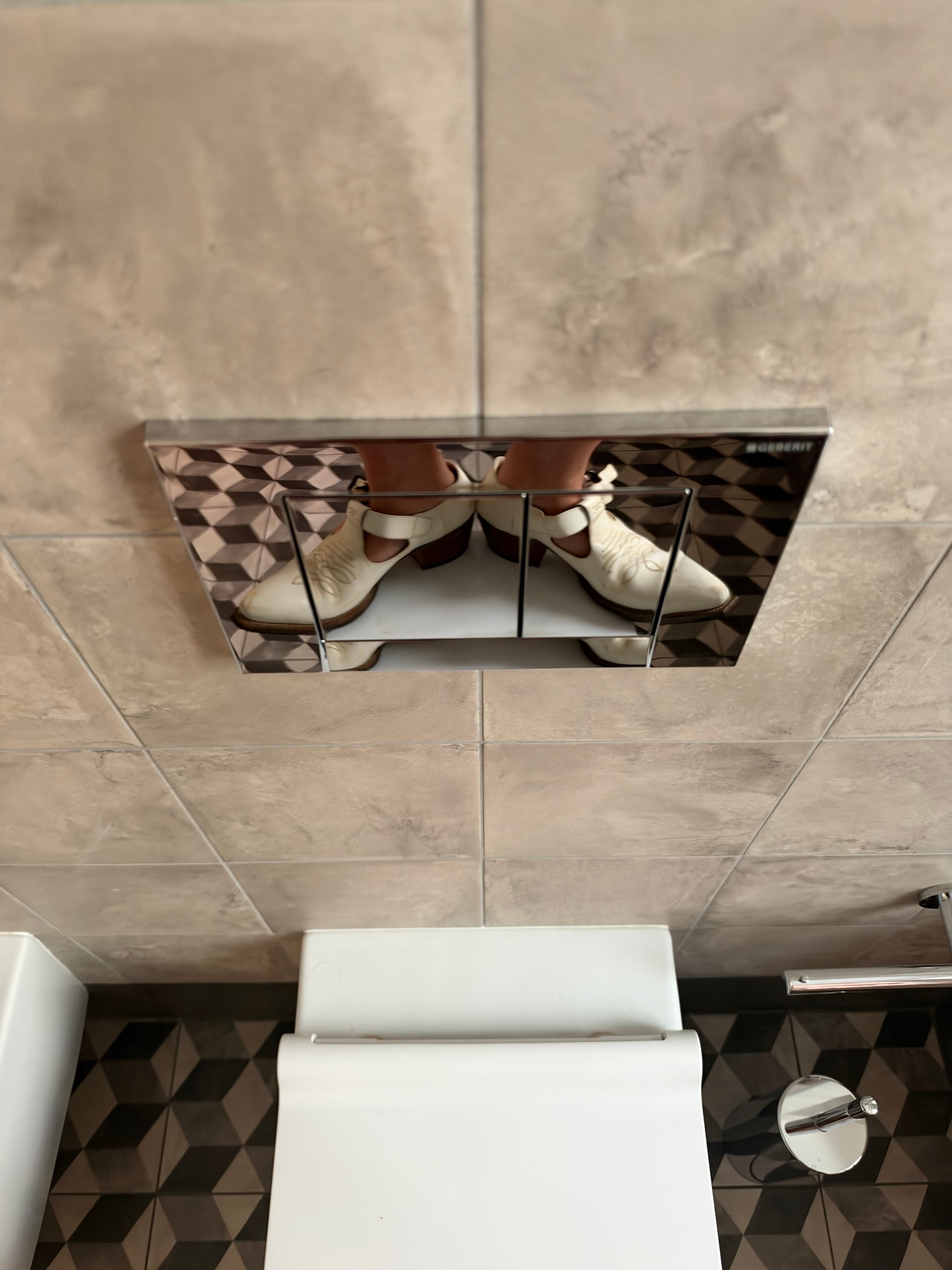
It was very random. It was instinctive, not staged. A lot of people are trying to be really cinematic. It’s such a simple gesture to be slightly more down or above, and the result is very interesting.
In June, I was in Zurich in this church. There were a lot of people looking at the ceiling, and a lot of people that were simply passing by without noticing. I wanted to put that into a project. I wanted to picture the act of noticing a ceiling.


And then of course the feet.
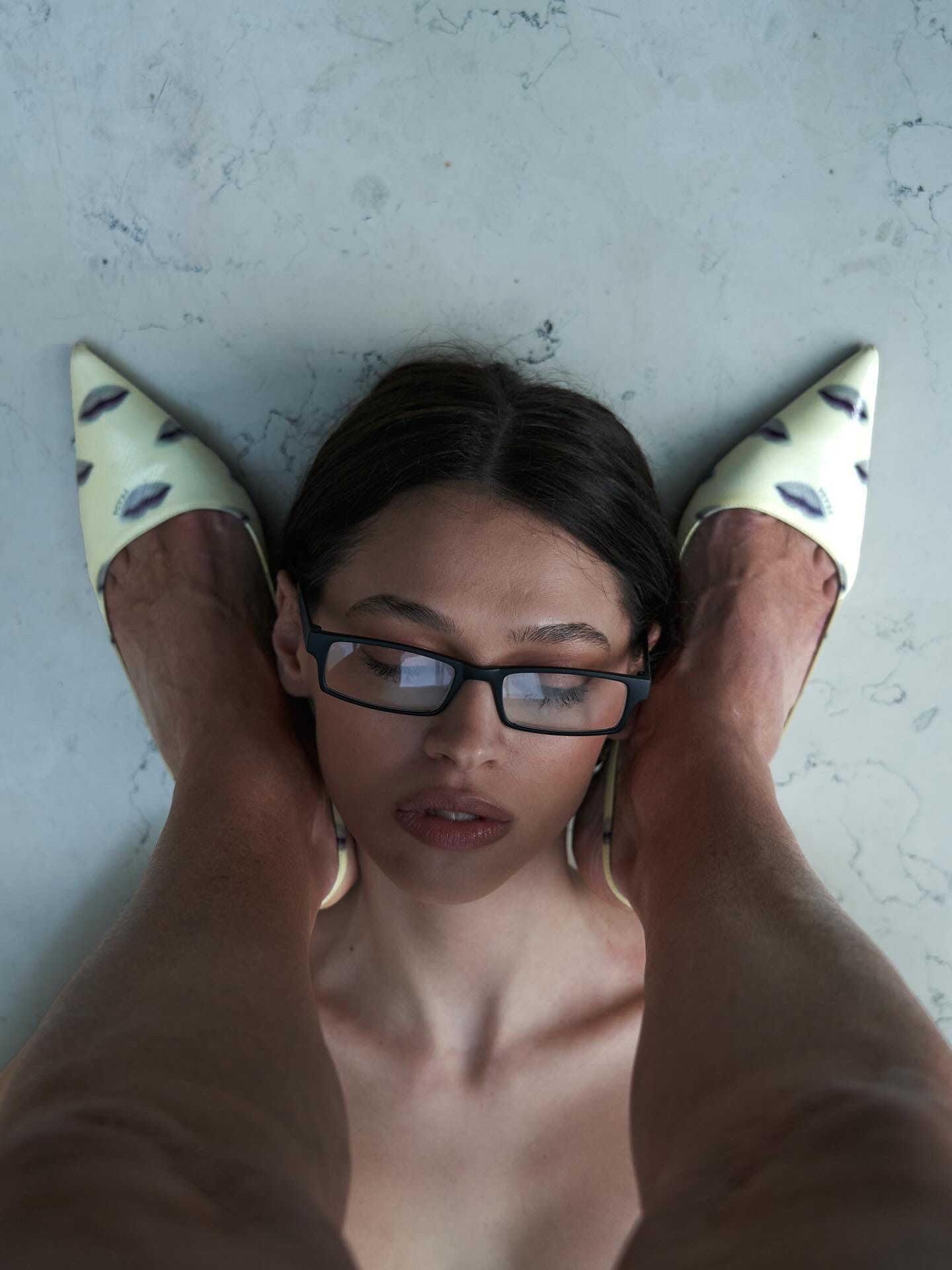
When you cast a person to take a picture of their feet, they are way more concerned about that than having a picture of their face. I cannot explain why. I think it is a beautiful part of the body that says a lot about the person without seeing them fully. I also like that it’s not always precise to understand the gender of a person.
There was this guy that was working in the building we were shooting, that was not even in the cast. [He] was a really lovely man, and I noticed that he had small feet that could fit in some of the heels. I asked him if he wanted to be part of it, and he agreed. It ended up being one of the best pictures, actually.
Sexuality has always been part of fashion images. Nowadays, everybody is afraid of doing something provocative, and it gets lost a bit. I’m a big fan of Helmut Newton. He did so many brilliant shoots and he was very sexual. But if you’re being sexual with intention, it will never be tacky. But then there is this big thing of censorship. Censorship is something that kills art and I’m happy that feet are not part of it.
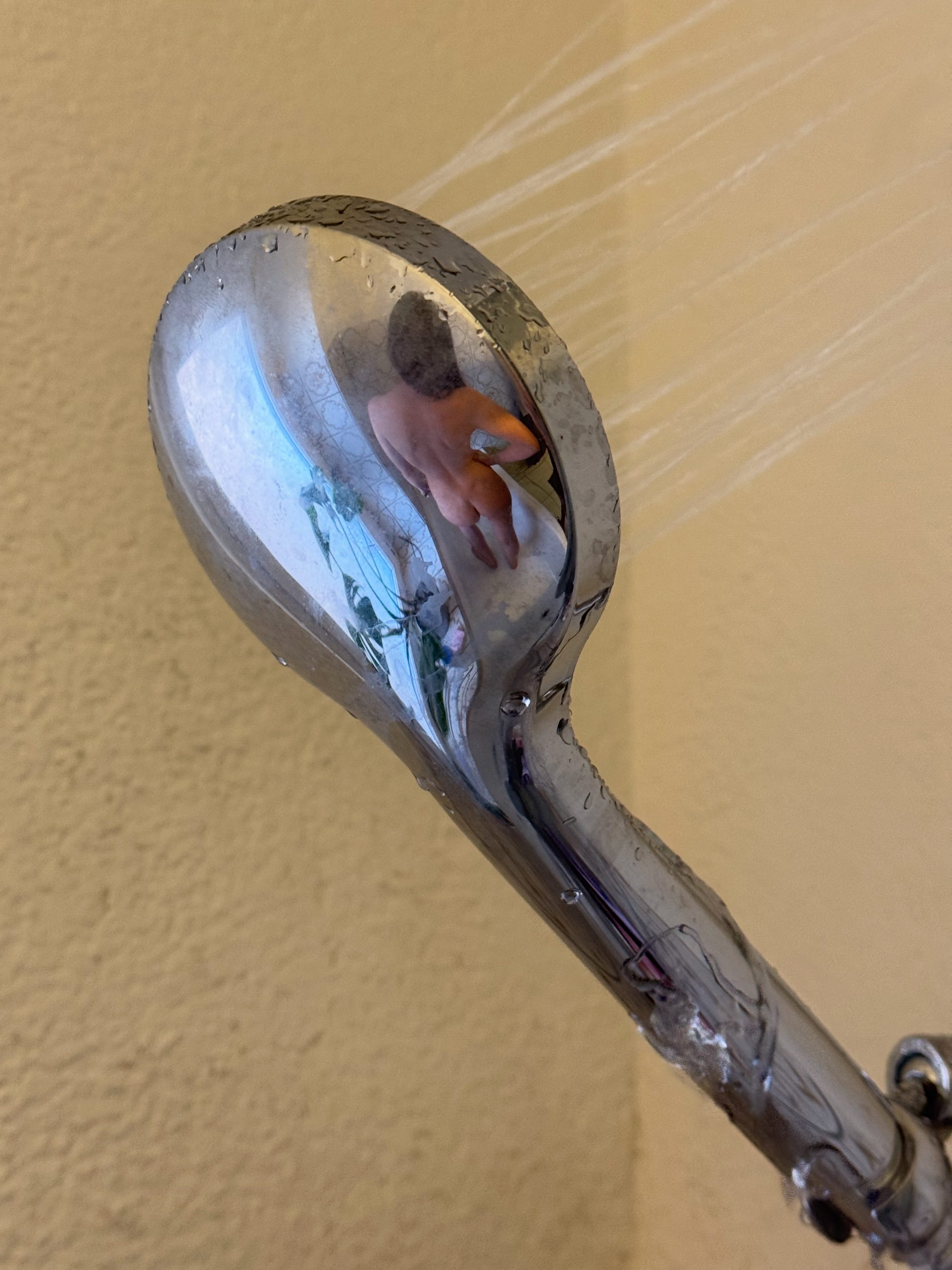
Have you ever had a post censored on Instagram?
Many times. I don’t care. It was crazy because most were some of the best artwork in the world. We can see posts about Trump but we cannot see a painting by Caravaggio. It’s so fucked up.


What’s next for you?
I had a big [break] from editorial for a few years because there is no money. It’s a bit tiring to work for free. If I have to work for free I prefer to do my picture alone.
But I realized that there’s still a chance to shoot good clothes, [while] having more freedom. So I’m working on new editorials. I’m not so pretentious that the picture has to be 100% myself when we are doing a commercial shoot. I understand that the brand should be included. But I’m not up to do images that I hate just because of money. I’d prefer to do a secondary job to pay my bills.
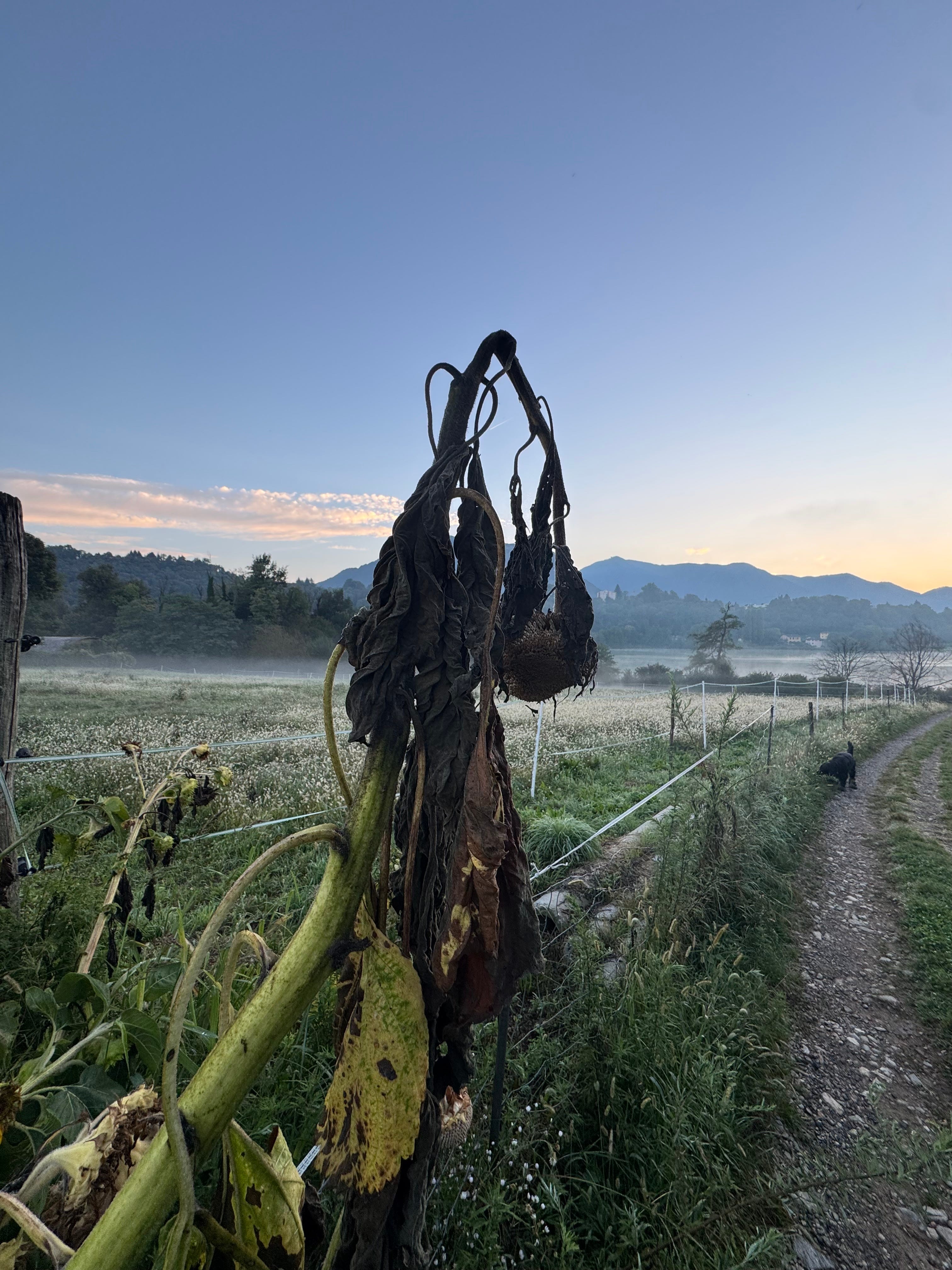
What would be a secondary job that you would be happy working?
I would work with animals. Be very close to nature. Having a big garden to work on, having a big library.
I feel also the art world is going in a direction that I’m not sure I want to be a part of. The fashion industry, I’m already not sure I want to be part of it. I think I will stick to animals. We have so much to learn from them.
What does a regular day look like for you?
I wake up, I bring out my dog. Then I smoke. For the first hour, ten cigarettes, probably.
Then I start to read. I start to do research. I go to lunch and then I read again. I’m freelance. I’m really happy to not have a schedule, to get lost, to get bored. I think getting bored is very important. People are so afraid of being bored instead it puts you in a position where you can see things from a different prospective.
Something that changed my point of view about being creative is this biography by Marcel Duchamp. I was so impressed by the amount of time he took to work on a single artwork. He produced [so few] artworks, but he created a movement.