



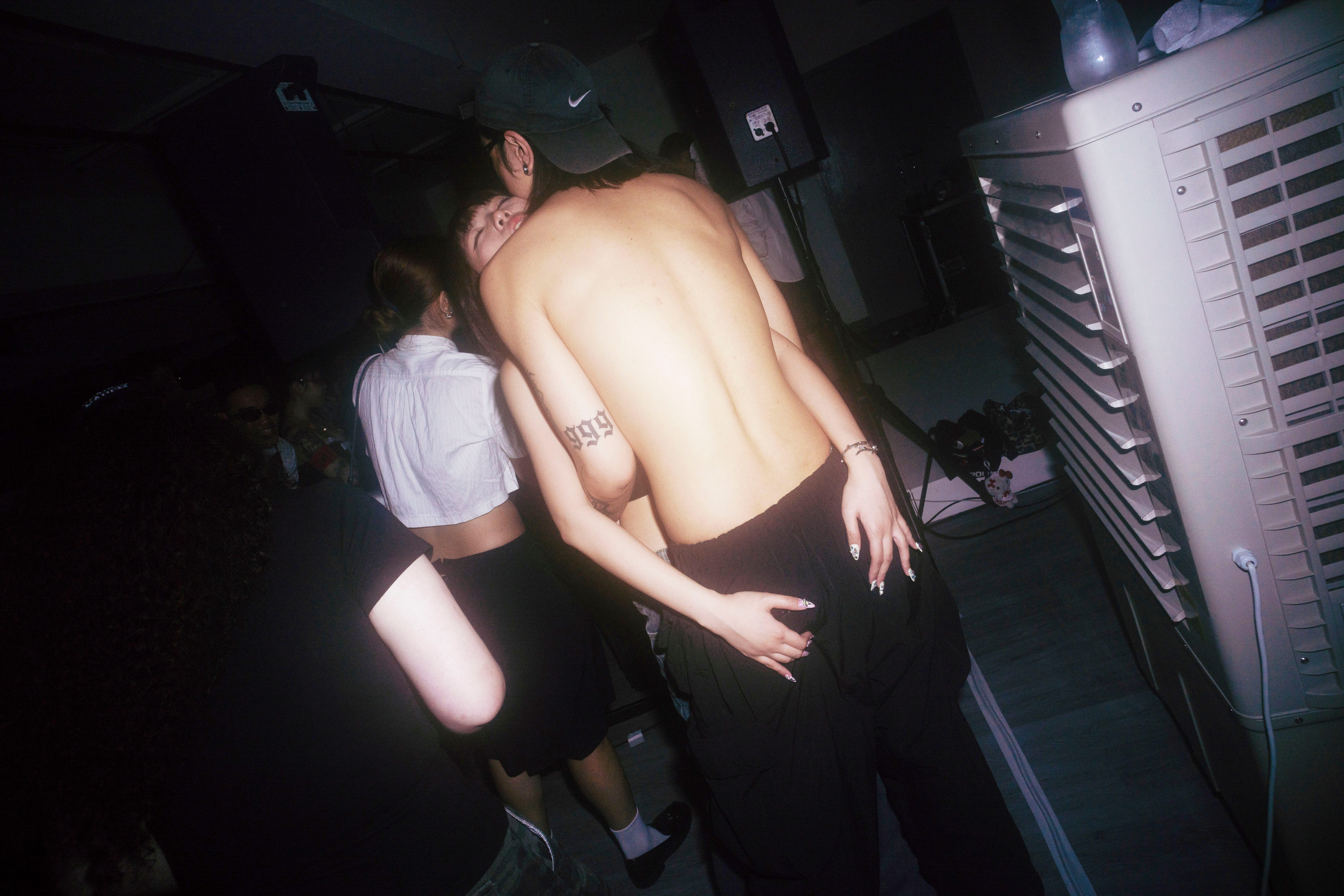
Hong Kong is a poster child for cultural stagnation.
You can walk around the city and practically smell the rot: in nightclubs on the verge of collapse, resuscitated each weekend by bankers buying table service; in the expressions of cake-faced nepo babies, plastered on magazine covers littered around the city; or in the “raves,” hosted near the Victoria Harbor, playing cheugy European House charging 2,000 HKD (US $250) for admission.
It wasn’t always like this. In previous decades, the city was a cultural hotspot, birthing film auteurs like Wong Kar-wai and global media bibles like Hypebeast, and housing a street style scene that led Nigo to open BAPE’s first international branch in the city’s Central District.
So steep was Hong Kong’s fall from creative glory that it features in a chapter of W. David Marx’s Blank Space, an explainer for cultural stagnation in the 21st century. The city is a focal point for Marx’s argument that today, “numerical aspiration,” rather than taste or tradition, defines culture.
Hong Kong is, as Marx might put it, a “blank space”: a former creative epicenter descending into cultural stagnation.
But “blank spaces” are also clean slates. Void of any interesting mainstream culture, in Hong Kong today, there’s finally a thirst for the new again.
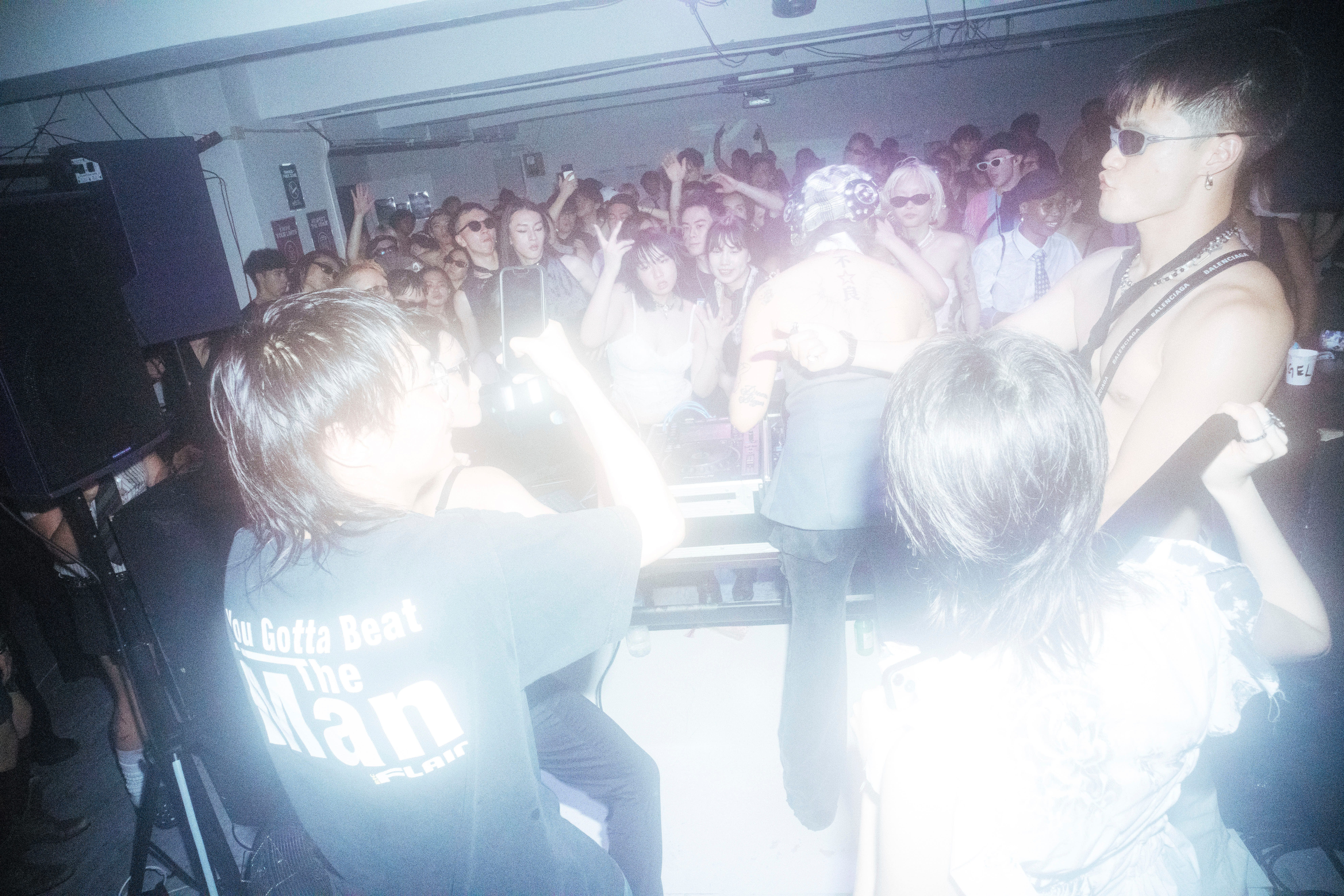
With the retreat of the British influence in Hong Kong, and two decades until the city’s full integration into China, it’s an open question: what will define the city’s next era of culture?
The answer lies in Hong Kong’s independent scenes, where an emerging underground, invigorated by a frustration with the state of local culture, is blooming. Grassroots projects and community spaces abound. A scrappy DIY attitude is the scene’s defining trait, a necessary ethos for the arts in one of the most expensive cities in the world.
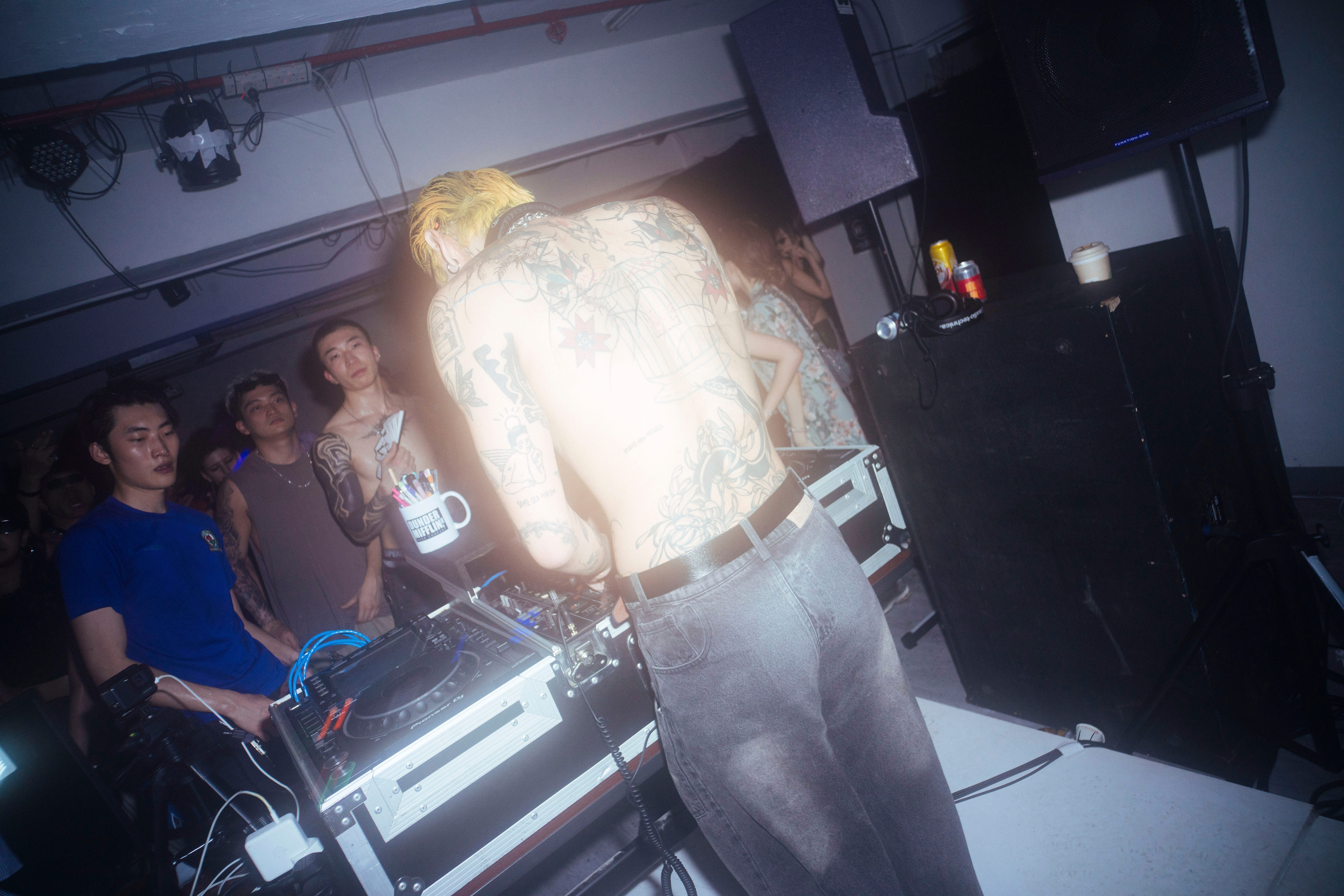
You can catch whiffs of the city’s transformation in Hong Kong’s Western District, where, in the same half-mile radius of roughly ten Buddhist shrines, stands MÖTH Radio, the city’s only livestreamed DJ show and the biggest incubator for underground music talent.
On a Sunday afternoon, I’m sitting on Turkish rugs inside a room painted completely in blue, where Ahura Mazda, an Iranian DJ and producer and a co-founder of MÖTH, is giving me a sneak peek of a new EP, featuring samples of firing bullets, slowed and transformed into a soothing melody.
“I practice Buddhism,” he says. “People have this misconception that Buddhist ideology is all about suffering. But it’s actually about acknowledging suffering so you can transform it.”
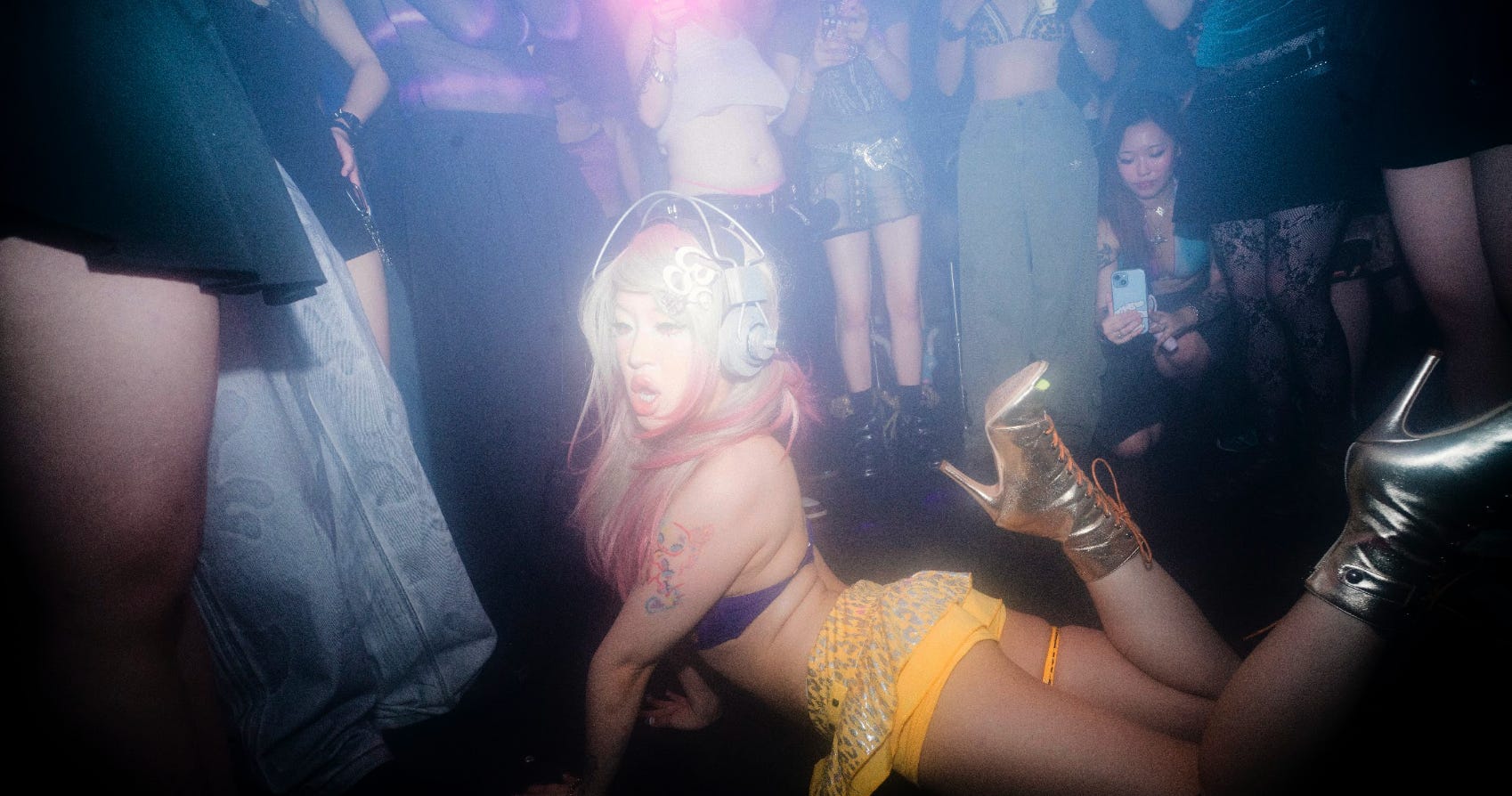
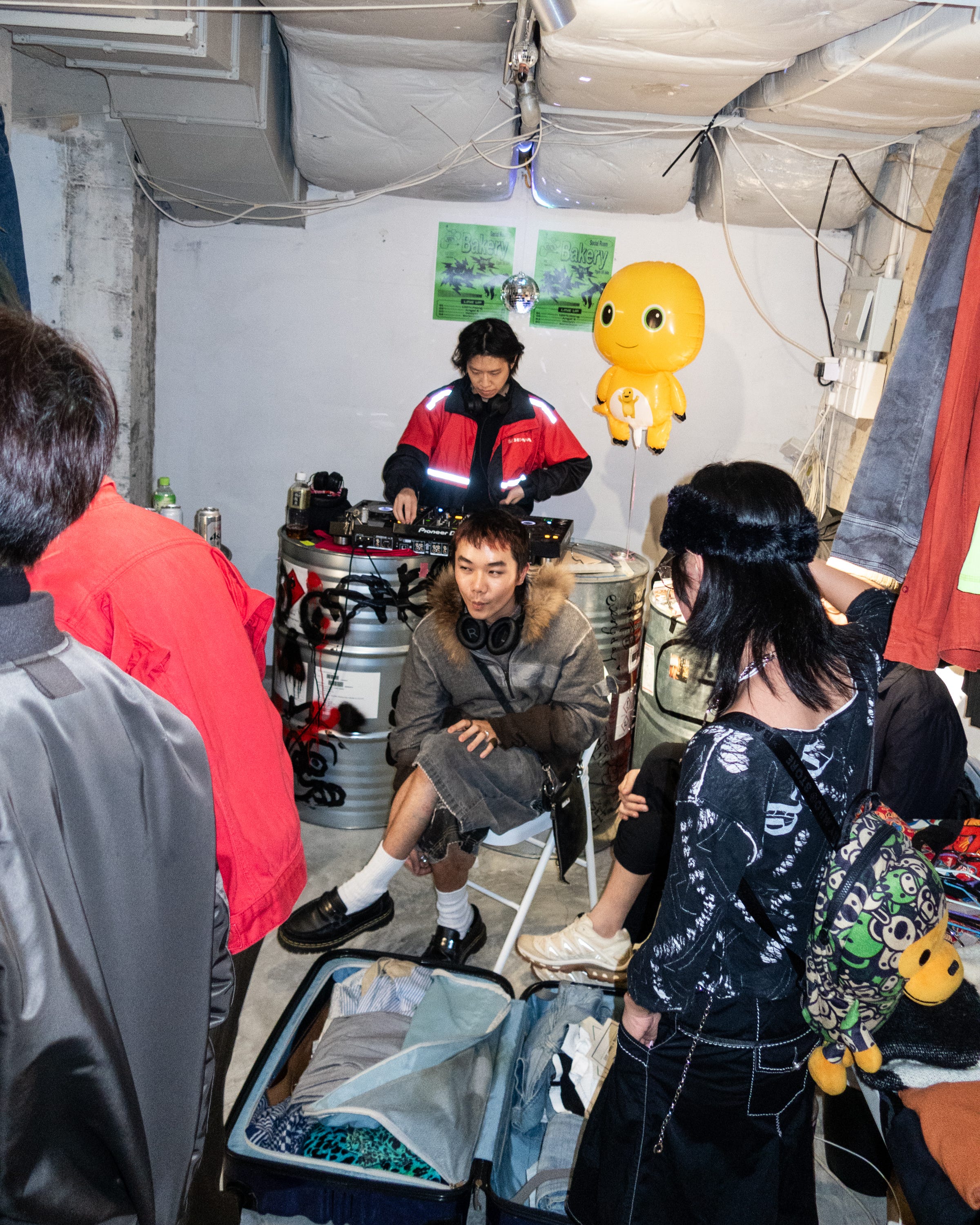
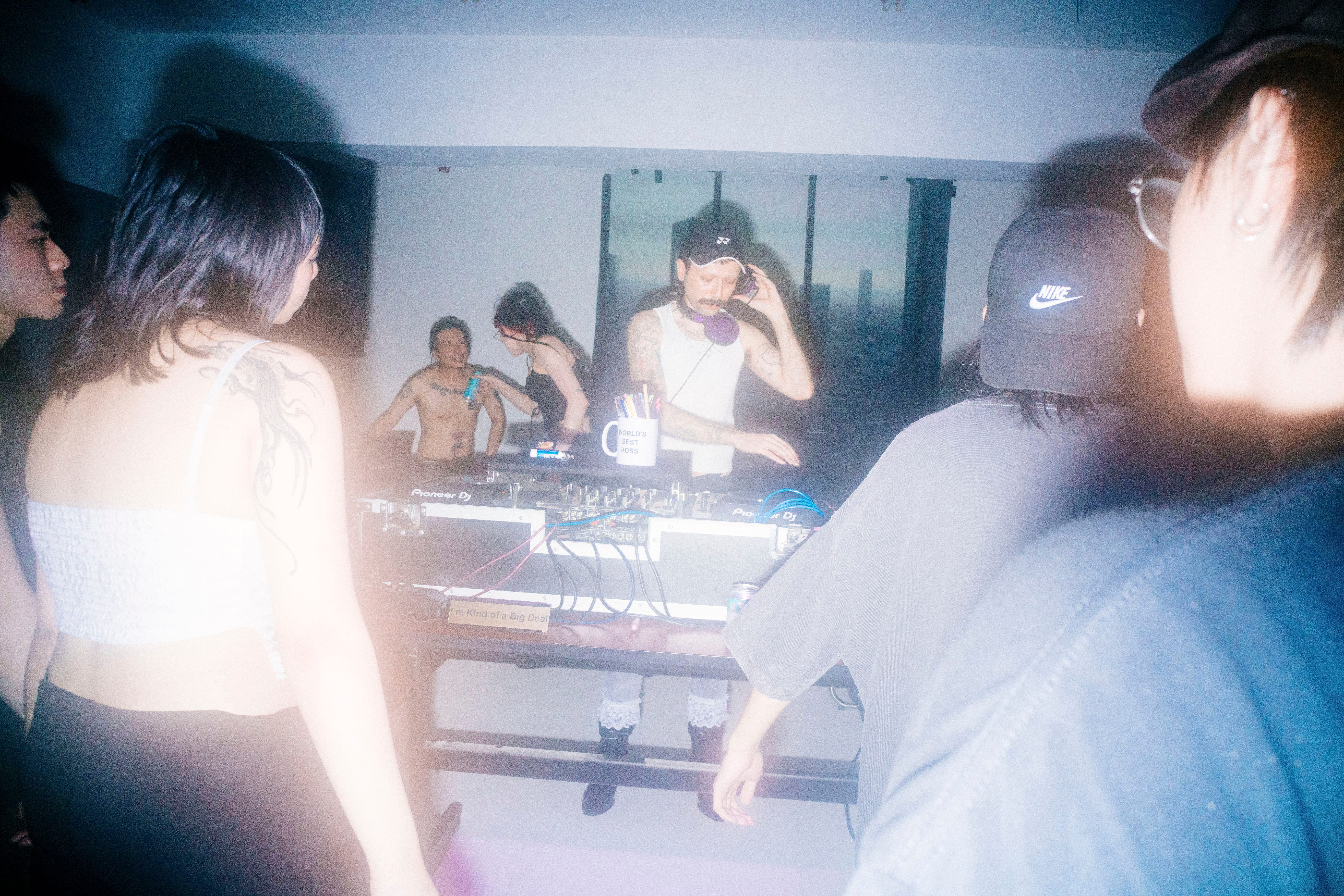
Some years ago, MÖTH operated as a party collective, throwing semi-legal raves in industrial warehouses around the city. The organization later had a brief stint running a live radio show in a cramped corner of a scene-y haircut studio, &Space. Now, they host DJ sets from a blue-painted booth in the blue-painted room, which, for the last year or so, has served as the scene’s music aggregator, where both city-defining cross-genres and rising young DJs are platformed.
Their archive is packed with idiosyncratic mixes, like the British drum ‘n bass crossed with Cantonese pop mixed by Justin Lim or JUST BEE, the neuro-funk and jungle of Gargoyle Girlfriend, or “cunty femme rap” from Southwest Asia and North Africa, played by Ahura himself with fellow DJ Shahmaran.


Part of the scene’s openness to experimentation is the sheer lack of capital-C Cultural Institutions, which means few gatekeepers exist. But without the support institutions provide, “the turnover of people and ideas is so high,” Ahura says. “People get bored really easily. You need to keep things exciting to actually survive.”
Limited resources and Hong Kong’s quick-changing nature have forced MÖTH to survive via non-commercial means: rent is supported by community donations on Patreon and by paid DJ classes taught by MÖTH’s staff (I’m told they’re fully booked for most of summer). All excess funds are used to support MÖTH’s non-profit initiatives, which teach DJ-ing to the city’s underserved communities, like asylum seekers or to middle-aged migrant workers from Indonesia and the Philippines.
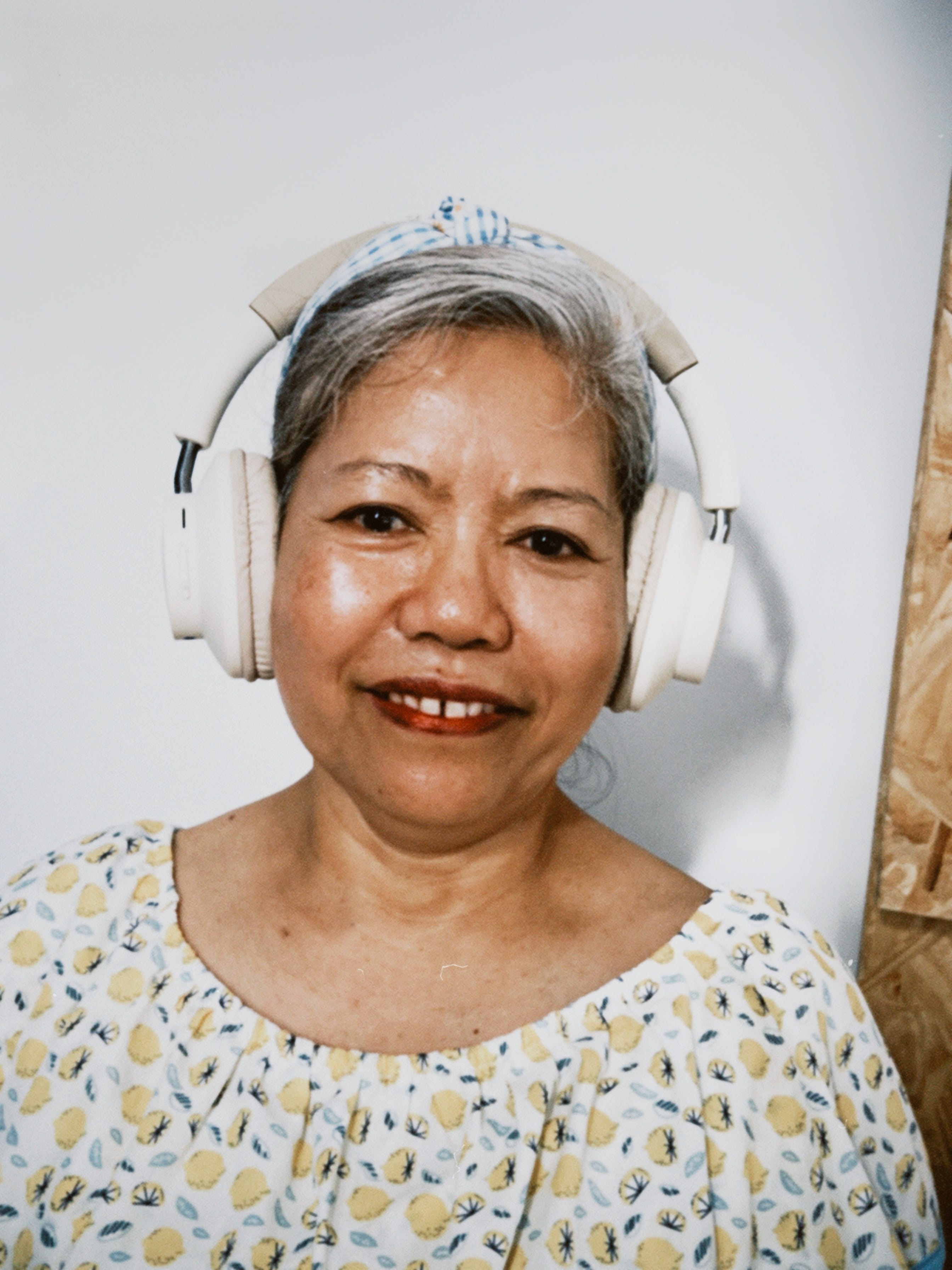
“There’s always resistance to what we do. People in Hong Kong cannot believe that projects like this can exist without a profit incentive,” Ahura says.
Hong Kong is, by some metrics, the “most expensive city in the world.” With mountainous and coastal geography, flat land is scarce, and the rent in the city is among the most expensive internationally. Independent artists often find themselves competing with conglomerates, dilettantes with debutantes, for space to hang out and be creative.
“I always complain about how there aren’t enough third spaces,” Saloni, a volunteer at MÖTH, says. “Just having a place where you can just sit down, chill, and not be expected to pay money—money hinders a lot of people from having fun and making friends.”


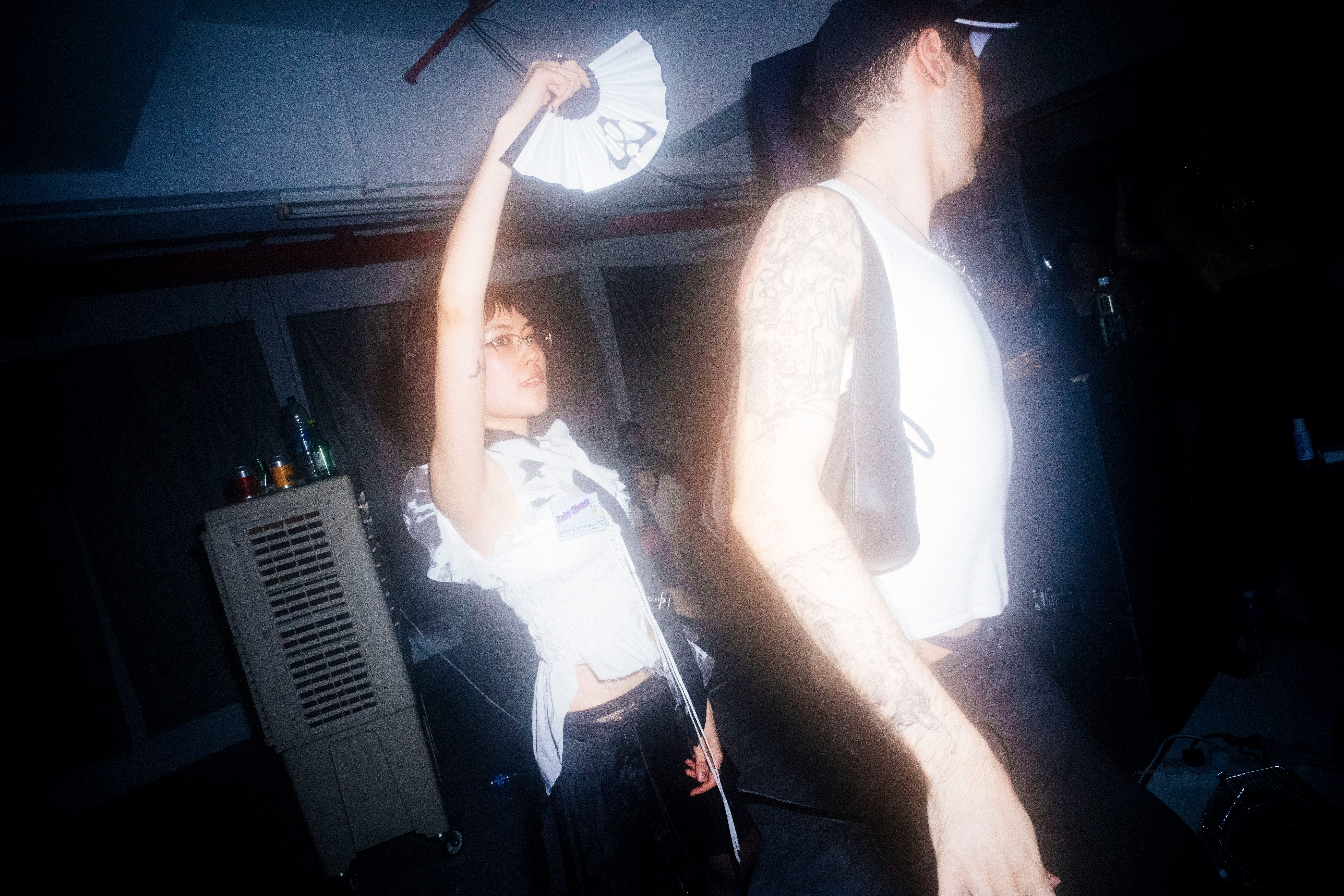
Economic conditions like these trickle into the city’s new-gen party culture. It doesn’t occur in nightclubs—which are too expensive for young people to rent—but industrial warehouses, forests, mountains, the concrete pavements underneath highways, and the many islands far from the city center. Allegedly, one party recently took place in an abandoned hotel.
That scrappiness and penchant for improvisation manifest in Heath, a mall that concentrates much of Hong Kong’s youth culture.
Heath sits underneath Chungking Mansions, the setting for Chungking Express and Fallen Angels, two Wong Kar-wai films that attracted Nigo to the city two decades ago. You descend an escalator into the stuffy basement with low pipe ceilings, teeming with young creatives.
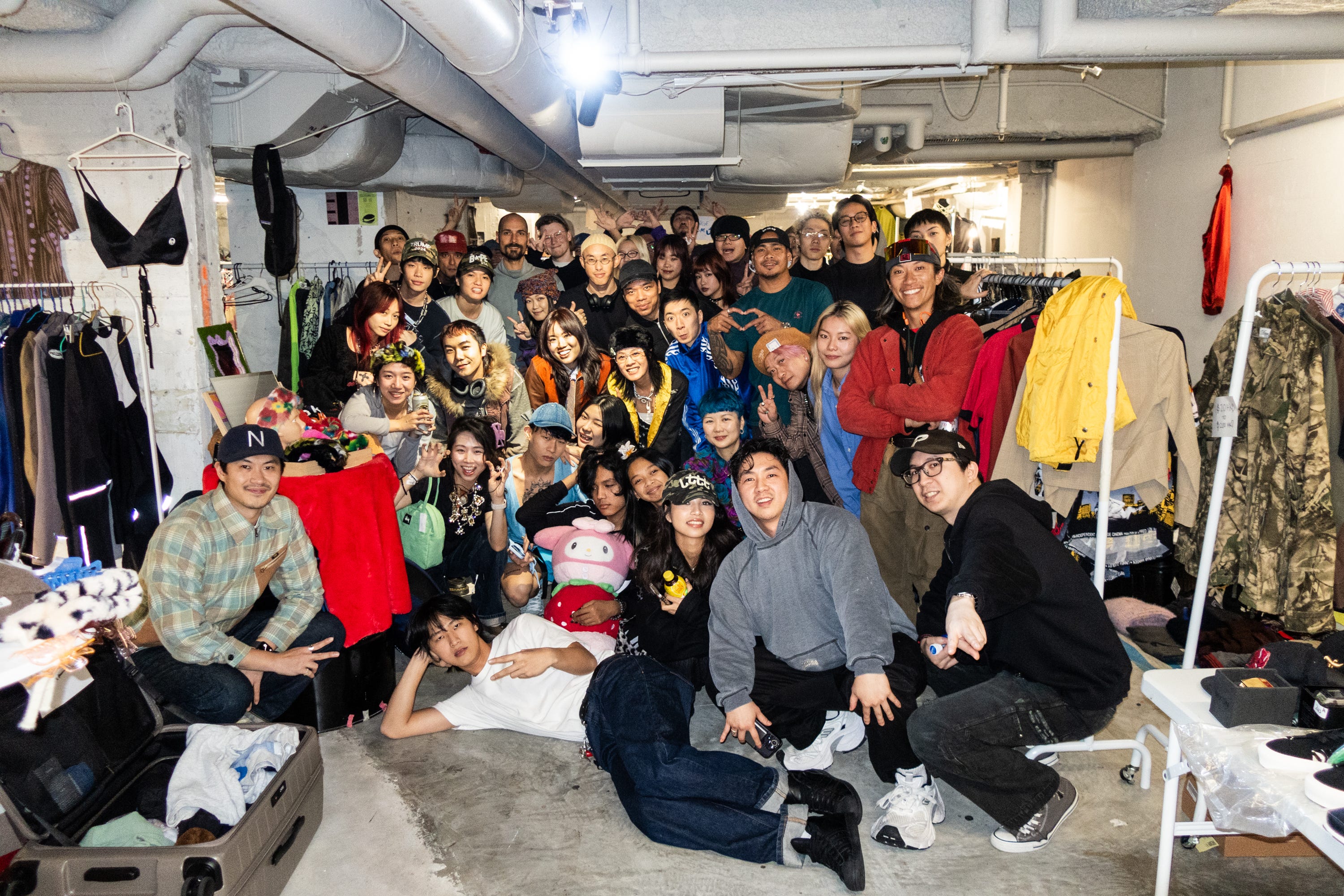
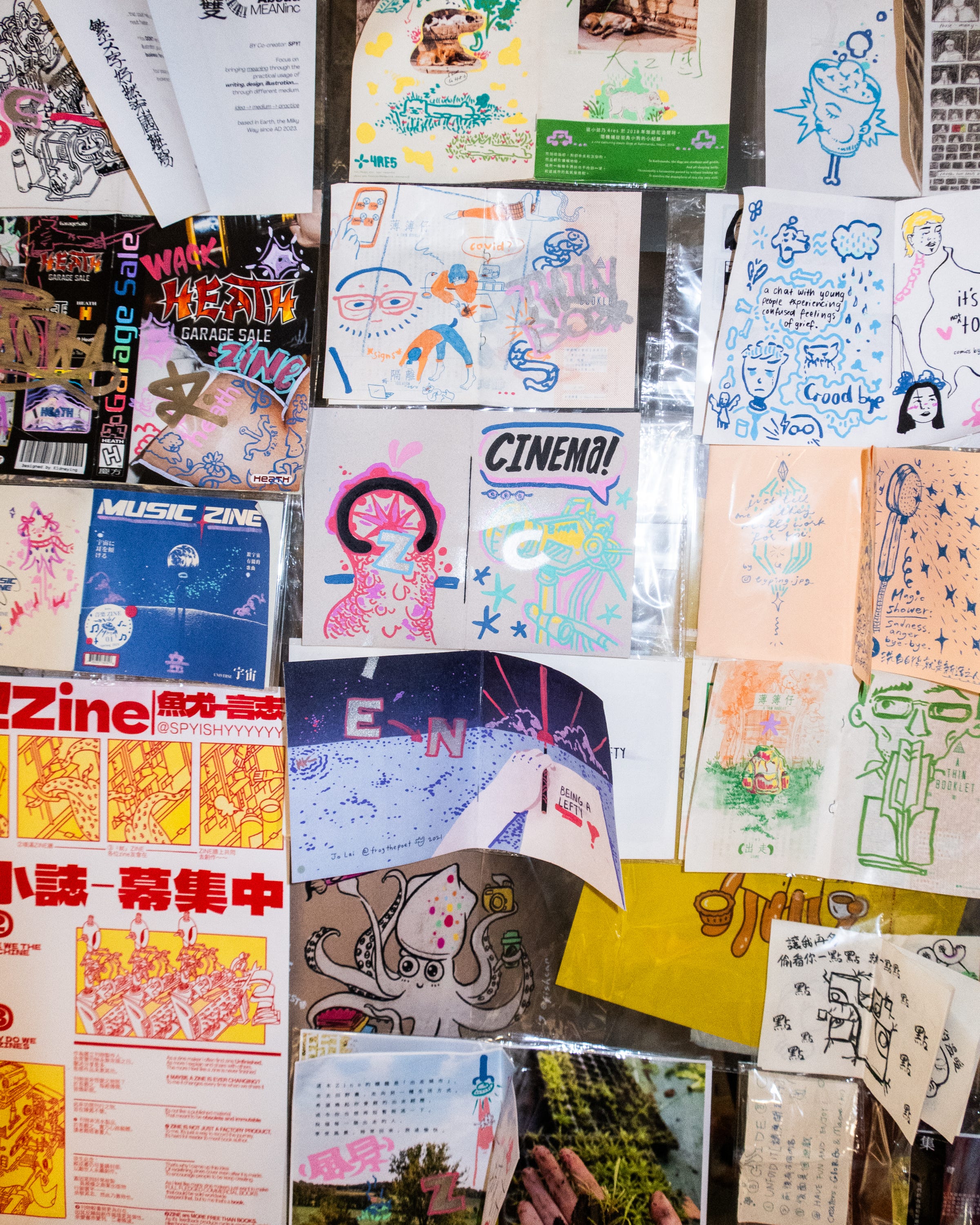
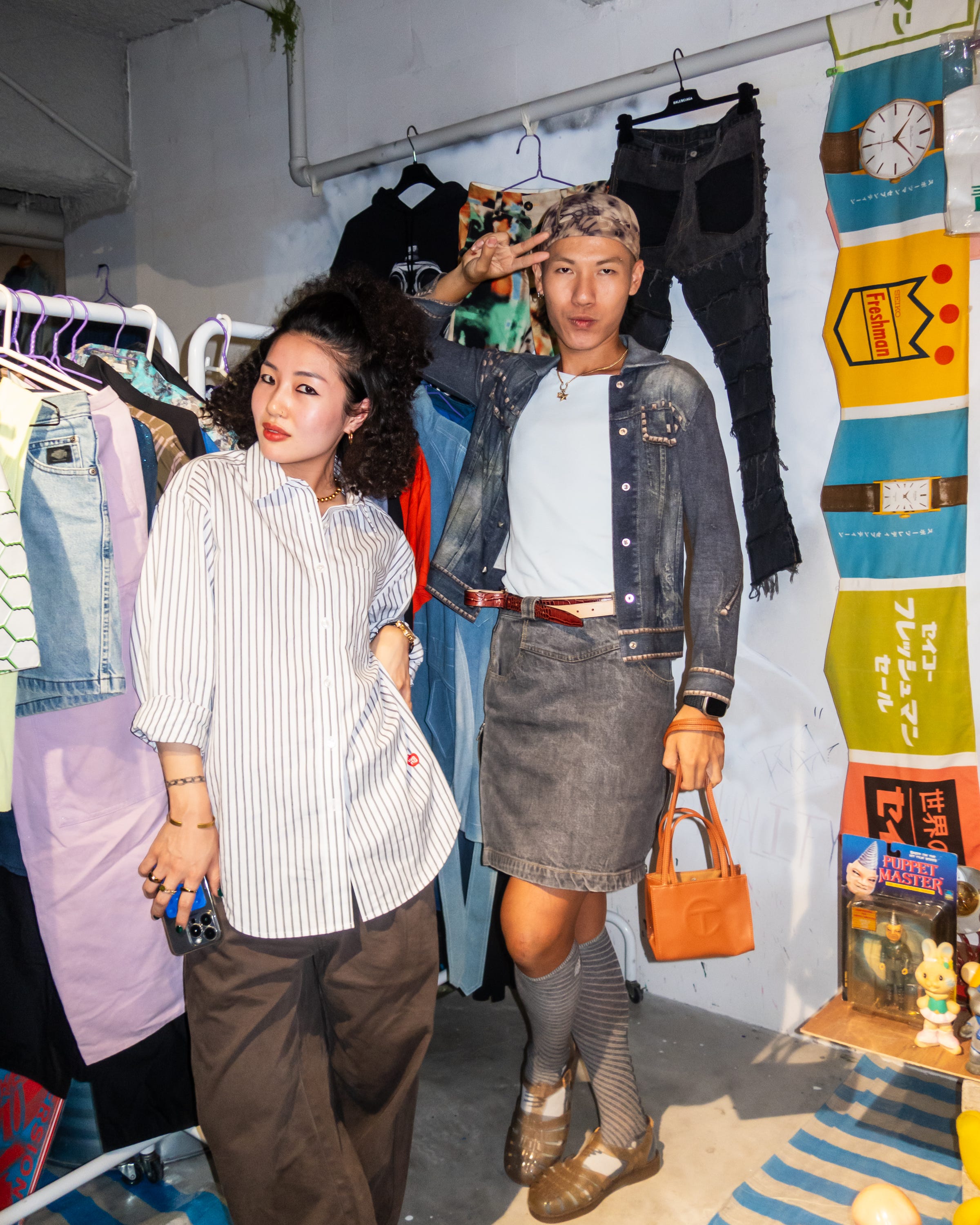
In the middle of the mall, demarcated by glass walls, is a segment called The Garage, where the unpainted concrete floor houses events of all kinds. Music collective Bad Times Disco throws vinyl-only raves where DJs wear lettuce earrings, Zine Coop gathers Filipina migrant workers and Iranian refugees to publish works in an indie print fair, and local designers and labels like CHRISTIAN STONE, Nilmance, and YAT PIT might come together for a boutique fashion pop-up.
In earlier months, the space was used by traveling gallery N+—a tongue-in-cheek spinoff of the city’s biggest gallery, M+, by artist Louie Jaubere and curator Renee Lui—for an exhibit that once drew a run-in with the Food and Environmental Hygiene Department (FEHD).


There’s also a regular Garage Sale, Heath’s signature market of “secondhand goods from people with better taste than you,” where I personally came across an unopened Coca-Cola can from 2001 (price: free) and a possibly cursed copy of The Secret History of the World by Jonathan Black.
The goal, primarily, is to serve under-resourced artists in the city: “You’re young, you probably have a full-time job and you’re pursuing art on the side, and you don’t have money to rent a studio,” says Kenny Li, Director of Culture for Heath Mall. And as is the case in most Chinese families, particularly if you’re a downwardly mobile artist, “you’re [probably] living with family. These are the people who need a space to try new concepts and ideas that they couldn’t if they needed to pay rent.”
Yes, there isn’t much to go around in a city where “numerical aspiration, rather than tradition” defines culture. But it also means even the smallest acts have an outsized effect: “[Sometimes] you wish that you could go to London or Berlin and be part of the scene, but here you’re really shaping its identity,” one scenester, Tanya Gurka Kwok, says. “And it takes guts to do that.”


Tanya adds, “Even if Hong Kong’s the world’s most expensive city, we can still do things. We can still allow culture to achieve critical mass.”
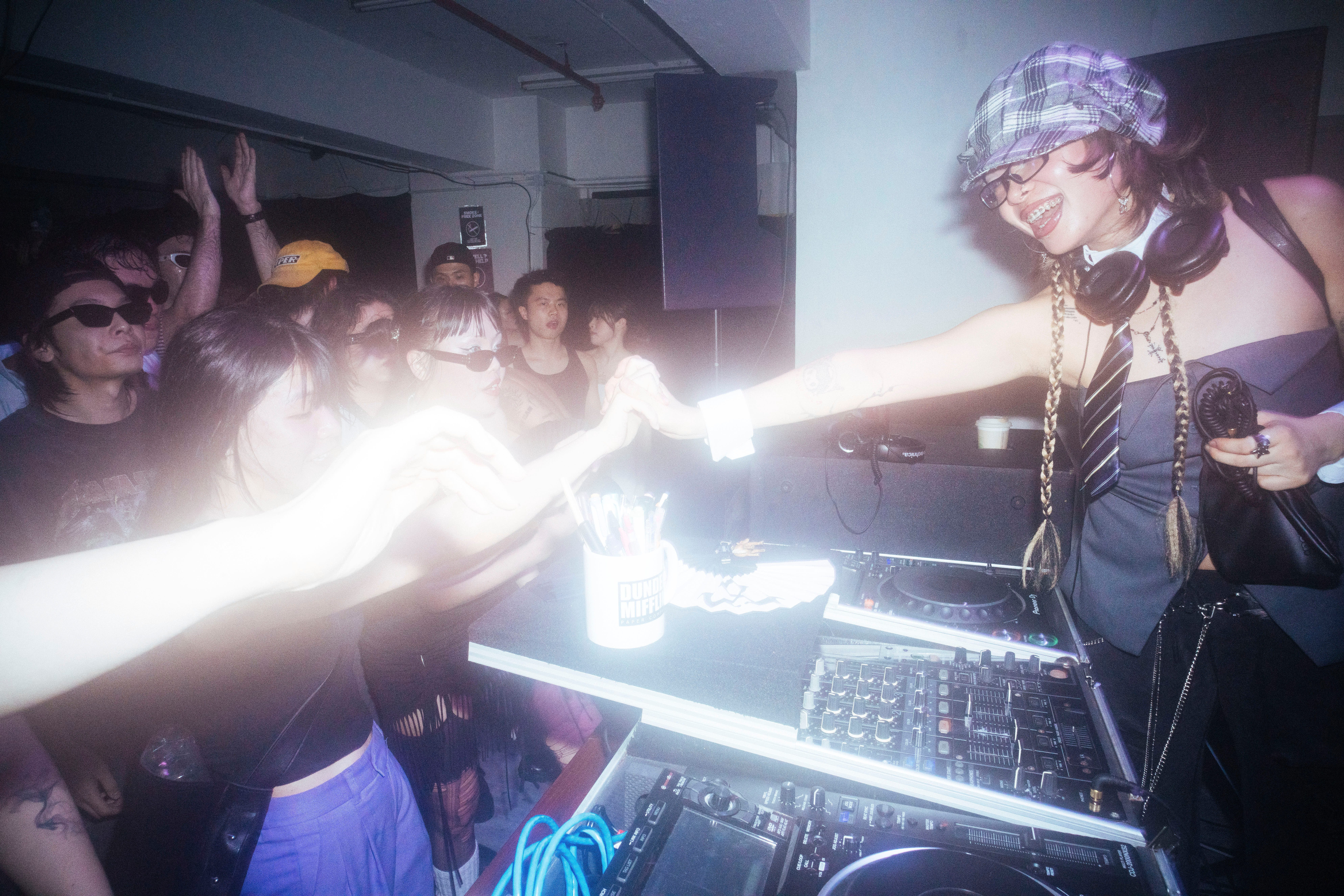
“Critical Mass” just so happens to be the moniker of a new creative community in the city, and perhaps the only in Hong Kong to unite Gen Z artists of all kinds into one experimental space. Their signature event is a bi-monthly “House Party,” with open decks and community members (most often) playing doomscroll-y internet pop or UK Garage, hosted on Wednesdays after work hours at The Garage in Heath.


But Critical Mass also puts on an biannual exhibition, where rave artist Smileyworld or grassroots streetwear brand Bolder Boiz might hang posters or T-shirts for sale and display.
At “ALT TOWN,” a recent iteration of the exhibit, scenesters new and (slightly) old came together in conversation for a panel on the state of local culture: the panel featured “East-meets-West” rave fixture Arthur Bray, Hypebeast-editor-turned-agency-meister Eugene Kan, as well as LOVELESS and Baby Diwata—the DJs behind the femme hardcore music phenomenon Panic Library.
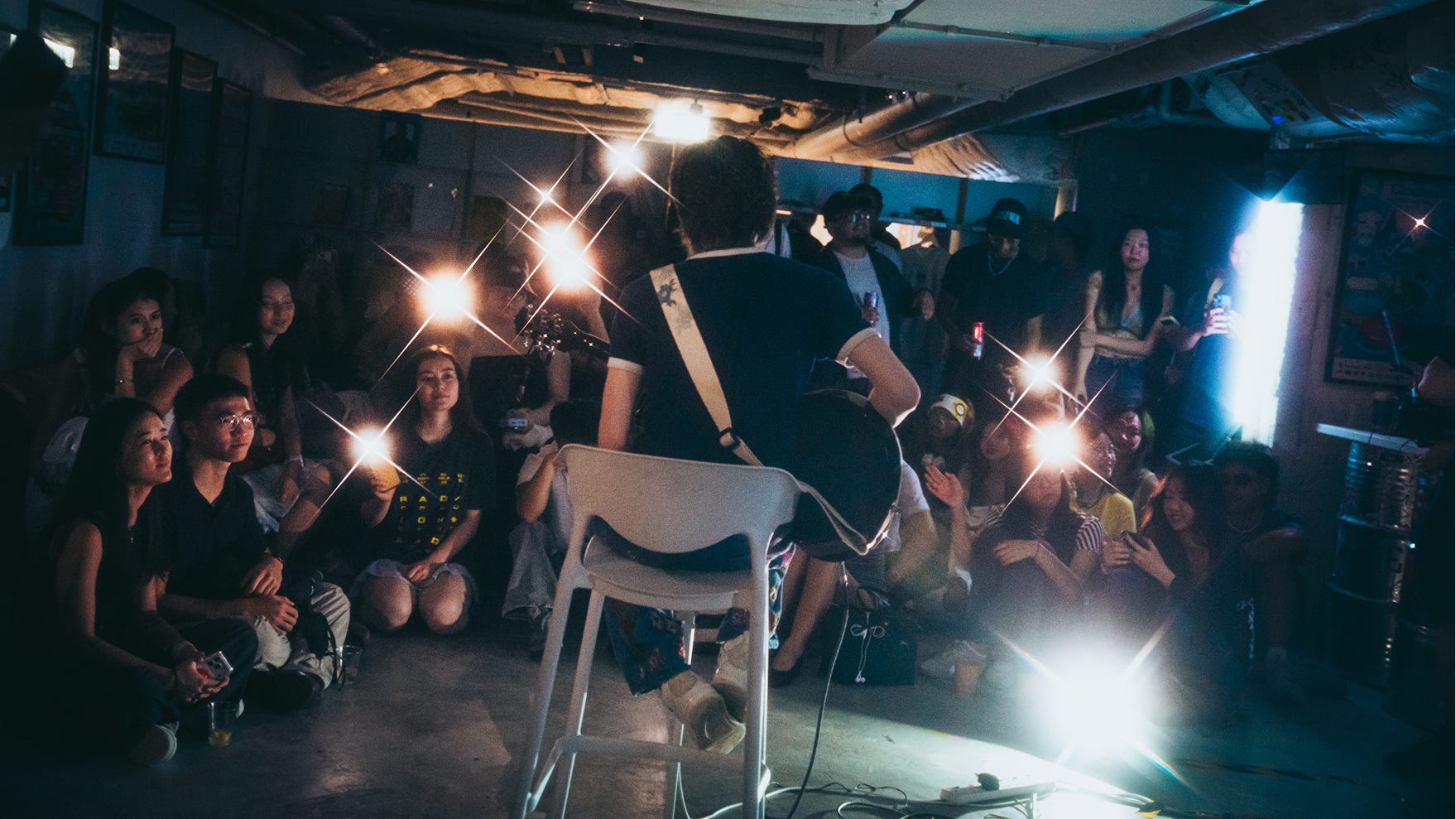
But much like Heath, Critical Mass’ operations are a bit scrappy. They travel around the city, hosting chess nights at scene-y bars like Rootdown or *actual* raves—DIY and affordably priced—along the harbor. All this amounts to a future of creativity that looks less like Soho House, more like a “traveling third space.”
“I think the most exciting part about what we do is we’re not backed by anyone,” says Sunny Kim, Critical Mass’ founder. For Sunny and his other team members—Tanya, Ivana Duong, and Alex Lendrum—there’s a real feeling that being creative in this city creates a shared underdog experience, where collaboration becomes a necessity.


“We have a level of radical optimism behind everything that we do,” says Ivana.
Does that capture the mood of the local scene? At least for me, it does. Hong Kong, once slumbering towards irrelevance, now feels like it has woken up, and decided to reimagine itself once more.
An interesting and hopeful read that has made my outlook on Hong Kong culture less pessimistic!
Although my hopes that the scene can grow, and that there will be a larger range of vibrant, countercultural scenes in the future, are blunted by the oppressive, competitive, and stifling economic reality in HK (as is written in the article) that gives people little room (literally and figuratively) to enagage with and create art. As long as the conditions for creating art are restrictive, the underground scene will be stunted (though not necessarily in creativity) while the mainstream will remain stagnant and conservative.
I don't expect the average HKer's life to become more affordable or to be granted more free time in the future, so the conditions for any underground scene might remain difficult to keep alive. I'm also uncertain about people's ability to imagine a new, different, or at least a 'better' HK; which IMO is incredibly important for good, innovative art. Being unable to imagine a better world can easily trap people into nostalgia and pastiche for the idealised and glorified past.
Although there will always be a counterculture, I don't expect it to be watered down into the mainstream unless there's a big hit and the scene(s) has a distinct genre/identity. From what I'm reading here the current HK underground mostly takes from other genres around the world, some old, some newer, some I've never heard of; inevitably this leads to some interesting homegrown synthesis in the future. Hopefully it's good music!
(sorry for the long comment, maybe if I am so concerned about keeping HK culture fresh and interesting then I should make art for the scene... when I can do so...)
Thanks for the SoundCloud link! Hoping to be transported away a bit today at work.