

Written by Hannah Morgan / Curation by Abe Selassie
In the early nineties, on the backstreets of a compact district in Tokyo, a new class of subcultures was forming. Driven by the countercultural impulses of a disillusion Japanese youth, these subcultures gave rise incredible era of street style, one that is still referenced and revered today, and archived in the many niche magazines that emerged to document it.
Catalyzing this cultural explosion were Japan’s changing economic conditions. The ‘90s in Japan were there start of the “Lost Decades,” a period defined by the fallout from a brutal recession that shattered Japan’s collective national confidence and economic optimism. The generation coming of age at this time filled the vacuum with style.
Although commentators often forget it today, many of styles of Japan’s nineties subcultures (such as gyaru, gothic lolita, visual kei, decora, amekaji, ura-hara-kei) were intended as a symbolic argument against the existing Japanese social order, rejecting its long-dominant collectivist ideology in favor of vibrant personal expression. Harajuku (the primary Tokyo district incubating these subcultures) was the perfect stage for this rejection. It was the symbolic opposite to the department stores and luxury boutiques of Omotesando or Ginza, and became a key gathering spot for young people.
Retail in the area was quick to cater to new adolescent styles. Labels opened their doors on hidden backstreets. Imported styles and fresh indie labels mixed with American vintage and British gothic aesthetics. Thrifted finds became remixed, and the marriage of Western imports with Japanese motifs and craftsmanship gave rise to many unique looks.
We know all of this, in part, because of that magazines that emerged alongside these subcultures to document and define them. These magazines weren’t glossy or conventional publications. In most cases, the editorial model was closer to on-the-ground reportage than fashion publishing. Titles like FRUiTS and Kera were street-cast and shot on-location. What these publications lacked in traditional publishing norms, they made up for in proximity. They were immersed in the scenes they covered.
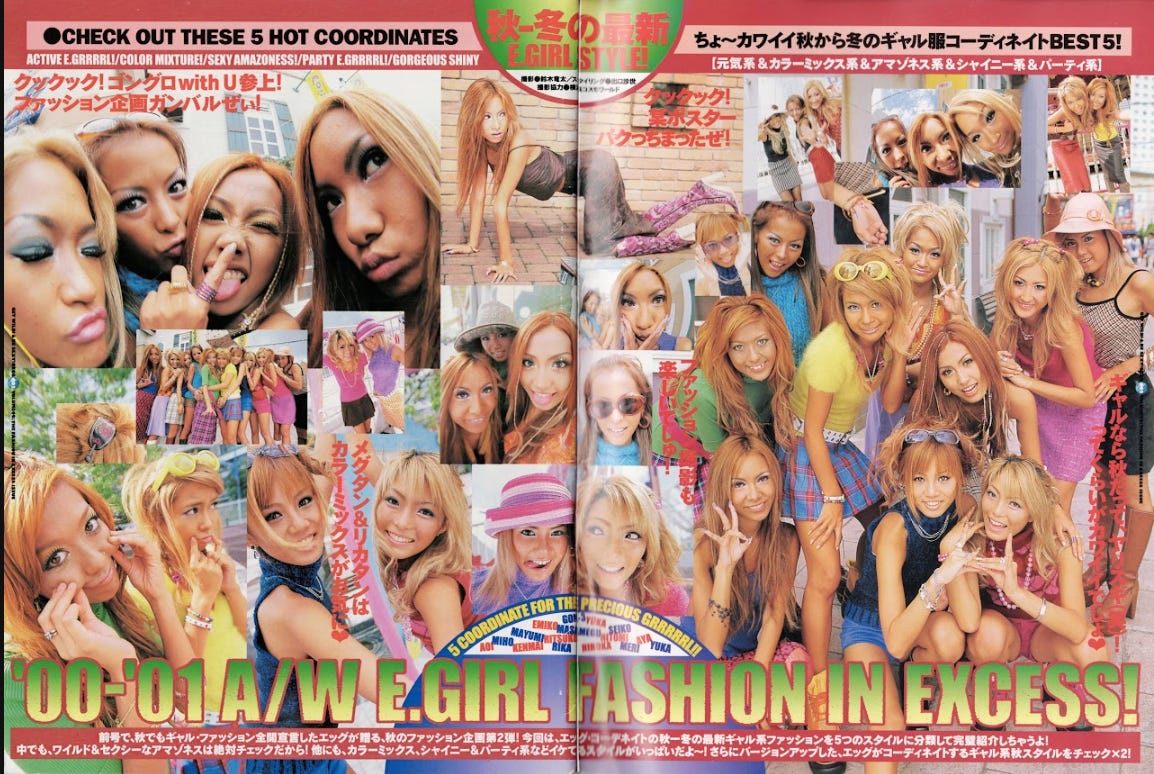
Magazines that followed more traditional editorial models, such as SMART and CUTiE, were significant for different reasons. Through catalogs, interviews and shopping guides, these publications became a style bible of sorts, dictating what was in or out. Some publications became so closely identified with a specific subculture (such as EGG for gyaru culture), they were capable of introducing and legitimizing trends simply by running an article on them.
We are decades removed from the energy of those years, but can still engage with it through the robust print archive of Japanese magazines from this period. Their editorial legacy has left a lasting impact on the youth style canon, and they contain some of the best youth style you’ll find anywhere. We’ve curated 10 of the most influential magazines from this era, so that you may remember it too.
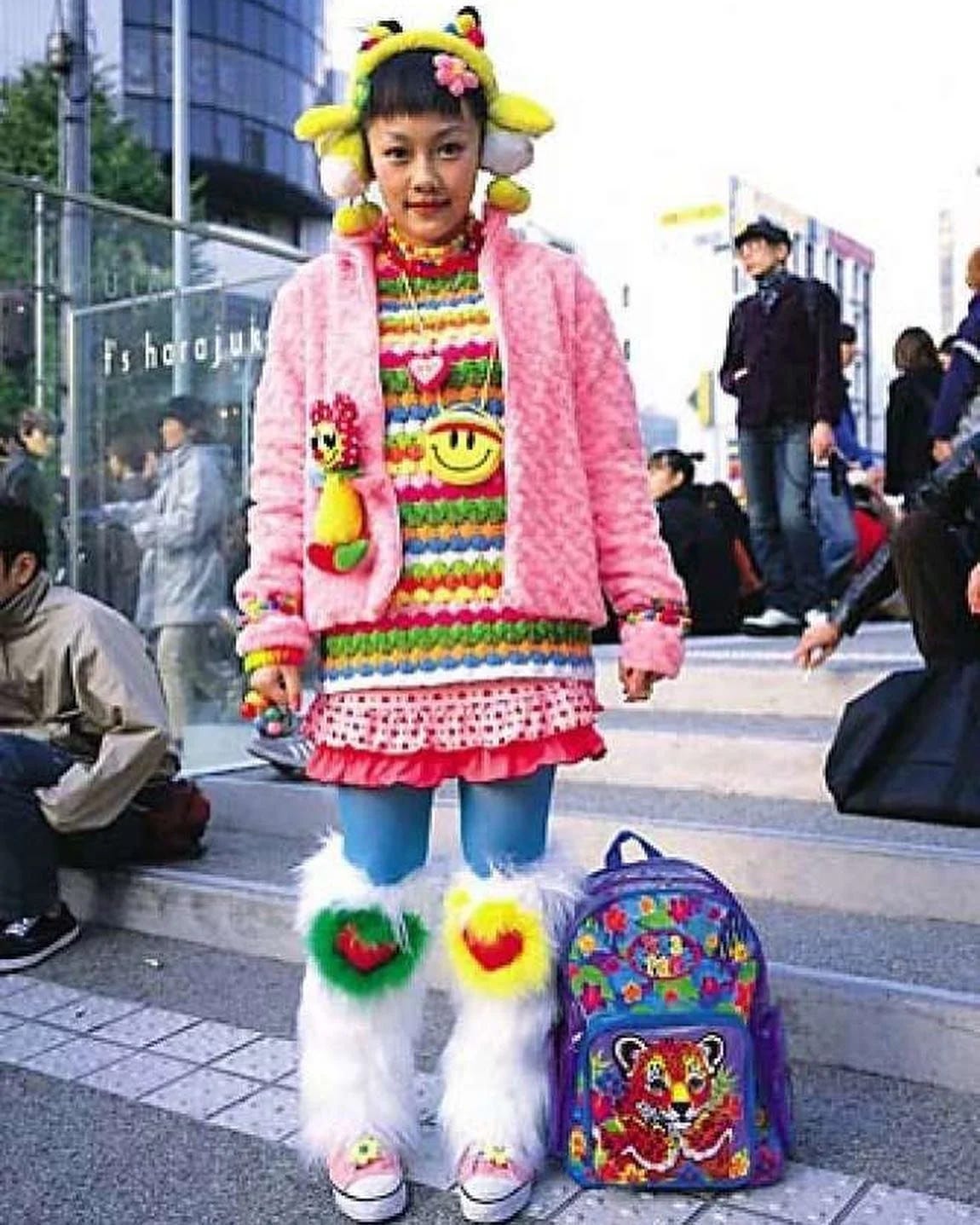
FRUiTS
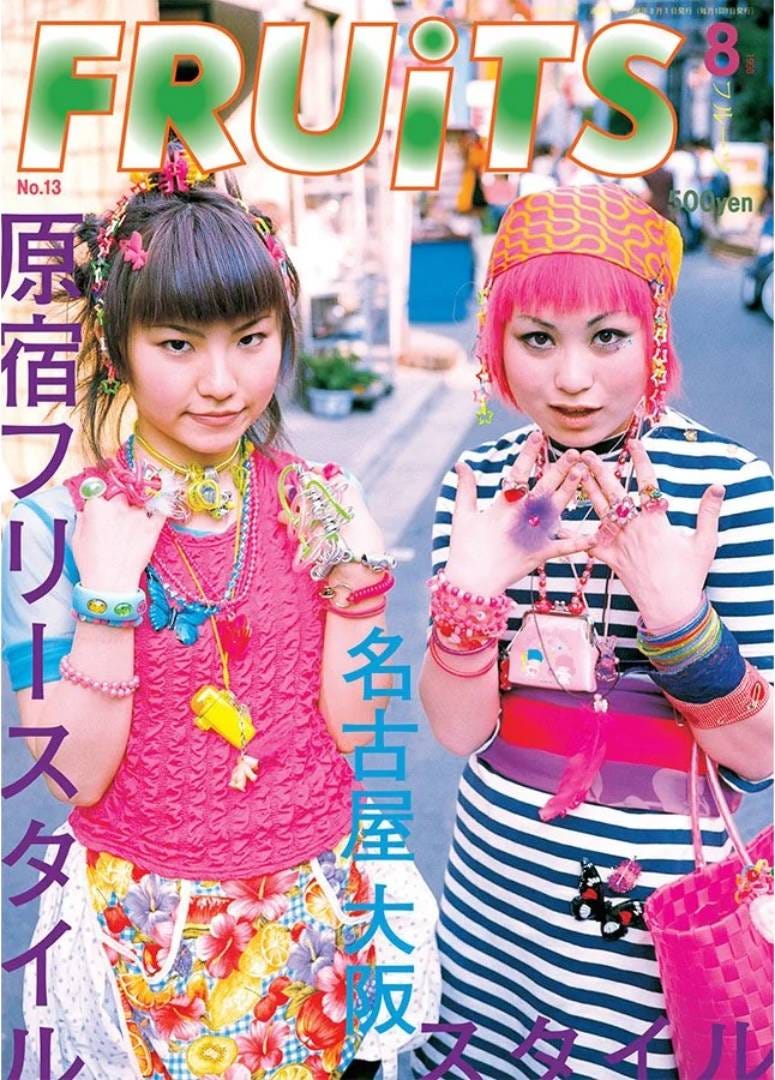
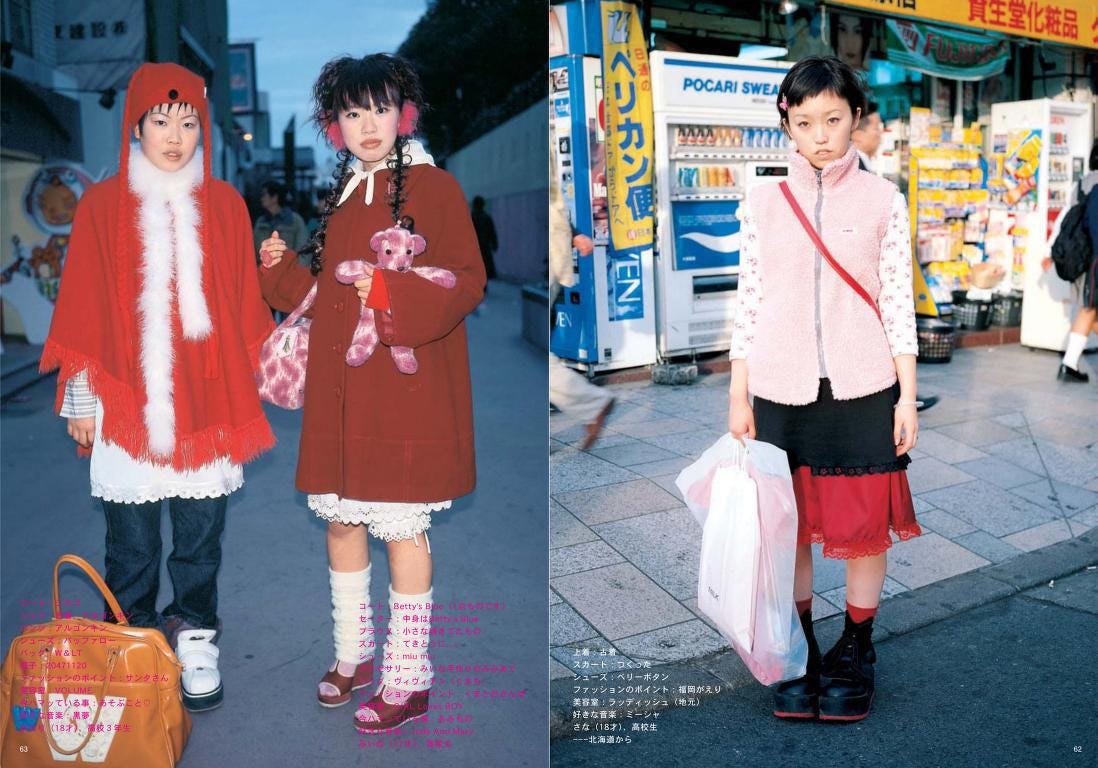
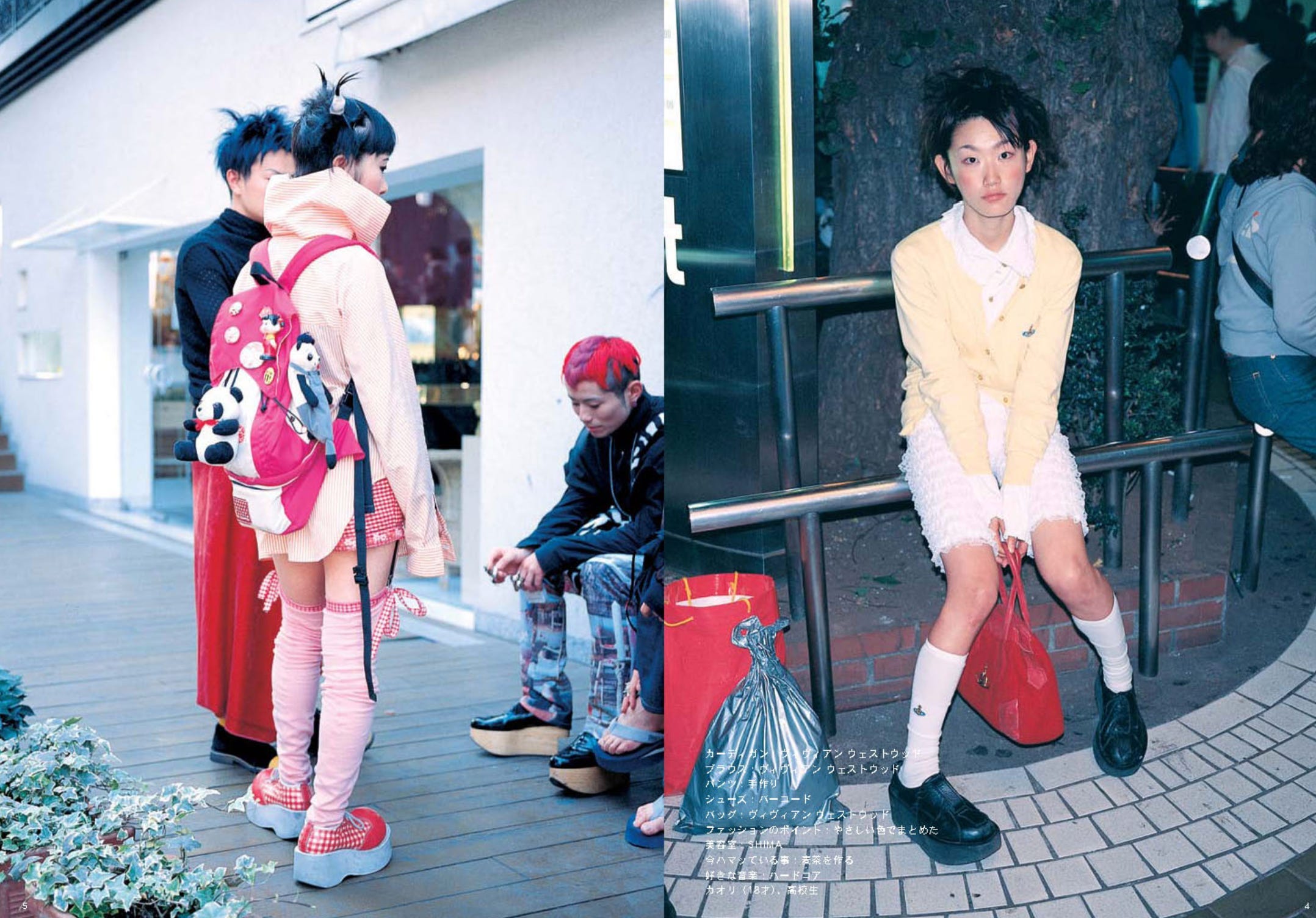
Leading the pack as the original street-style bible of Ura-Harajuku is FRUiTS magazine. Having spent the previous decade documenting street style in London and Paris, photographer Shoichi Aoki relocated to Tokyo and launched FRUiTS in 1997.
Employing a simple layout, each page of the magazine consisted of a single candid shot. This was accompanied by a brief profile, listing the wearer’s age, occupation, brands worn, and a succinct style philosophy. FRUiTS’ plain documentation is consistent with the anti-institutional logic that styles were born from.
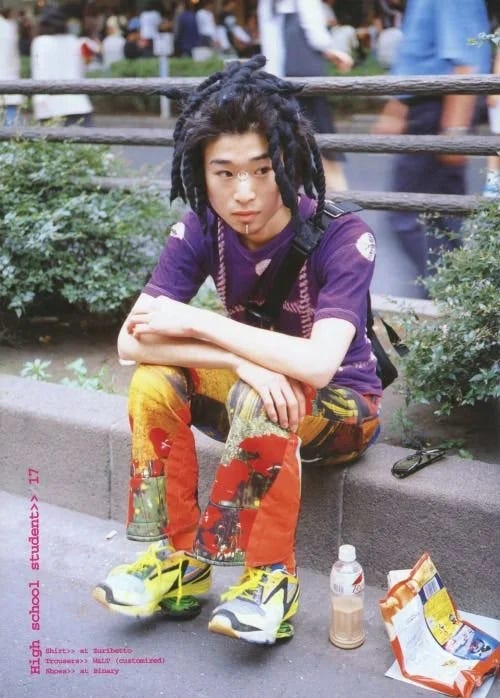
The charm of FRUiTS is that Aoki spotlighted regular Ura-Harajuku youth. It was simply a curation of real street style in real time. The publication ran for over 20 years and published upwards of 230 total issues. Aoki ceased production of FRUiTS in 2017, citing ‘[not enough] stylish kids left to photograph.’
FRUiTS is credited for growing international interest in Harajuku styles, and defining the area as a key international epicenter of subcultural fashion.
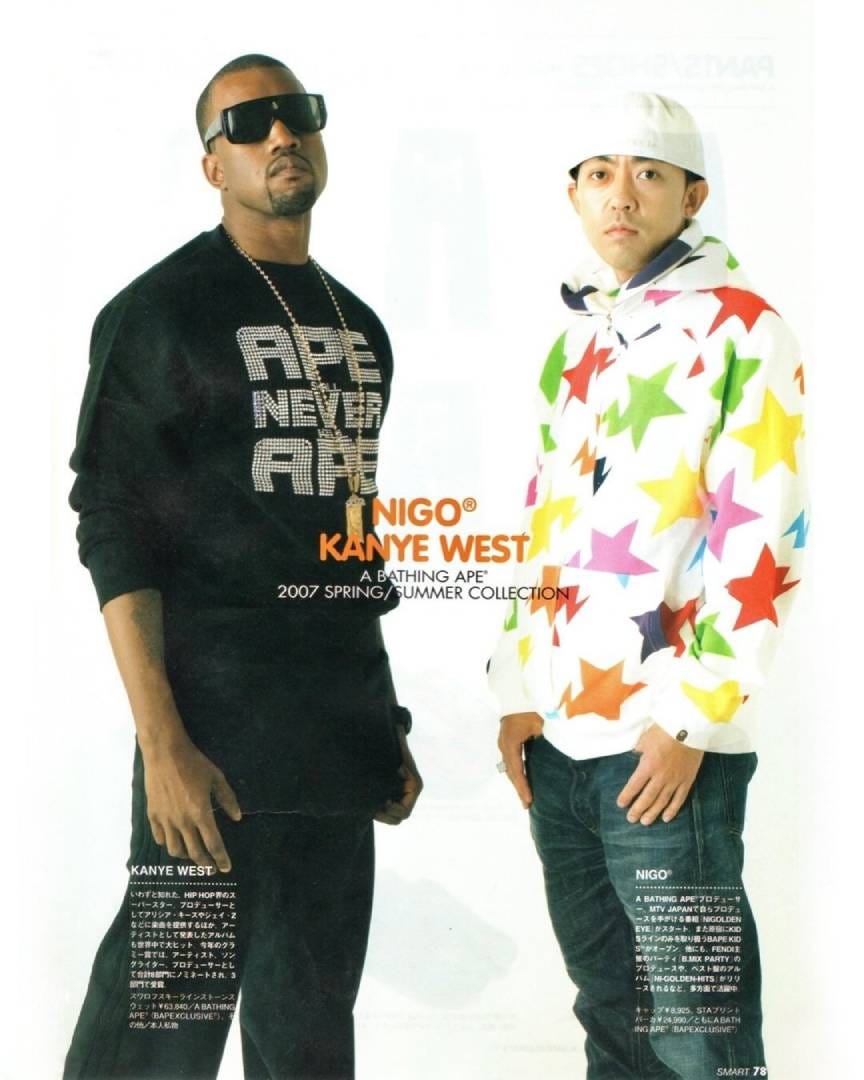
SMART
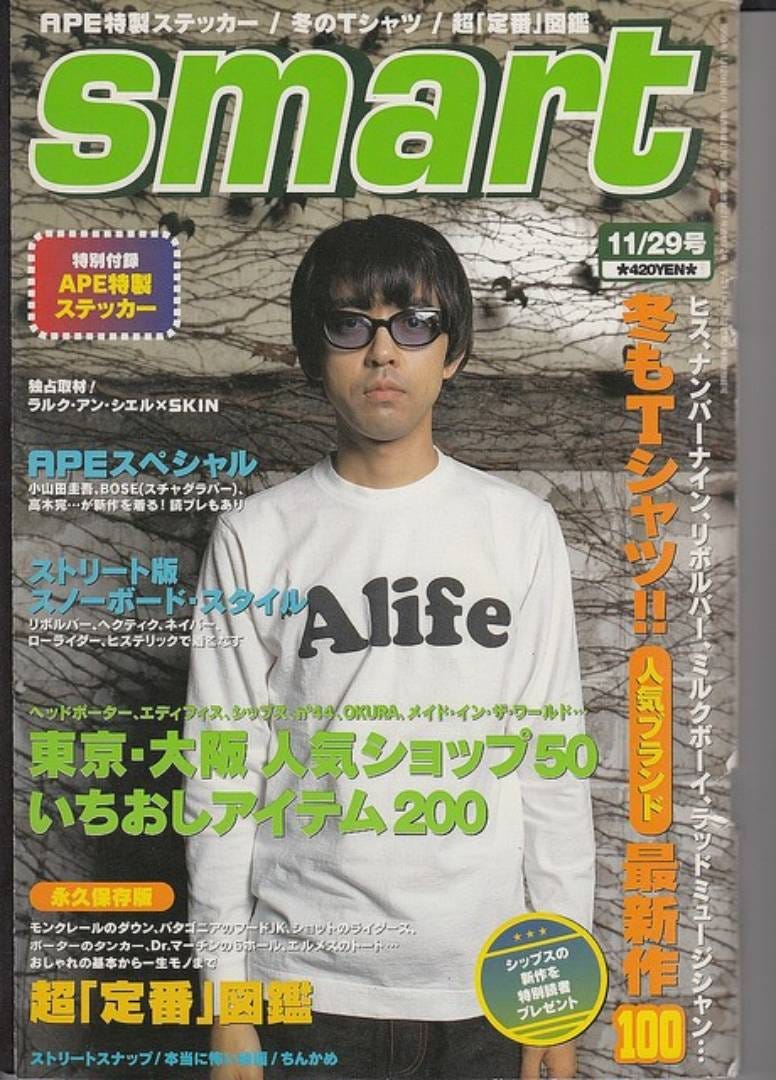
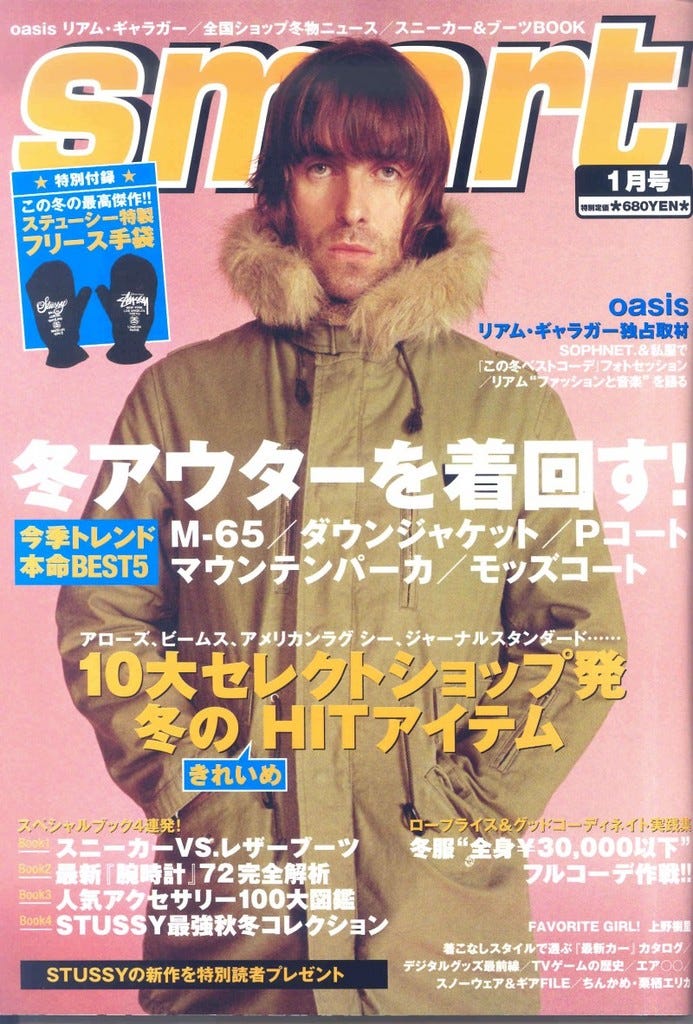
First published in 1995 by student-founded publisher Takarajimasha, SMART magazine boasted a diverse range of content. While street style was a major focus, the publication often cast a wider net, and was a taste authority across music, technology and culture. SMART catered to a readership of Tokyoite youth intent on decoding the lineage and meaning behind current trends, and its analytic depth surpassed most other publications from this period.
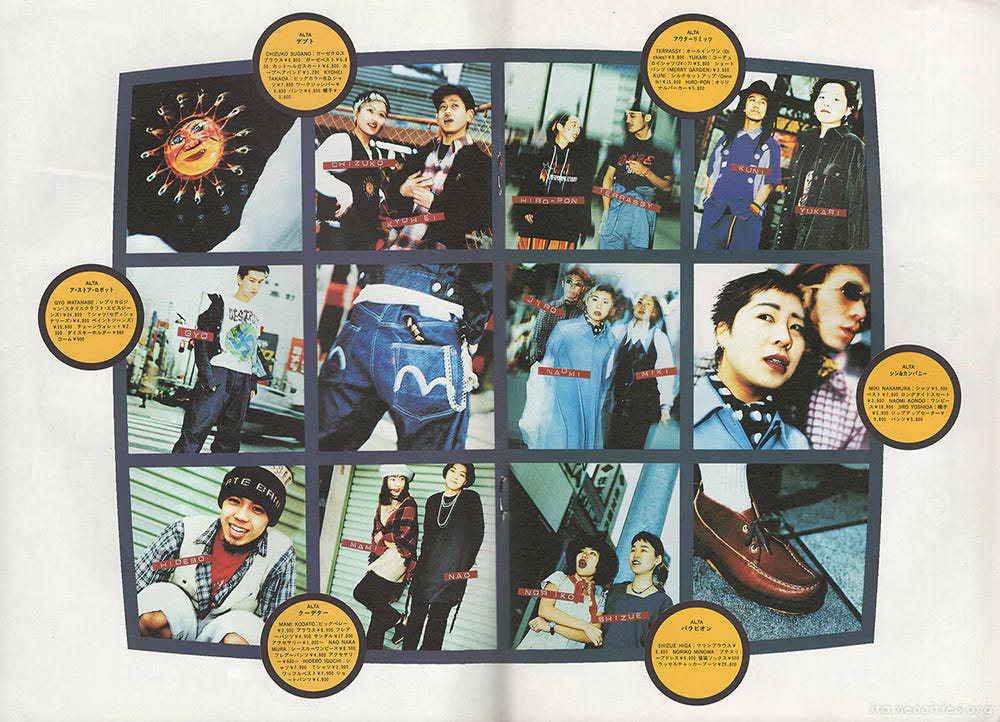
SMART is most noted for pioneering the ‘showcase’ spread: double-page features with a curated selection from a specific category. Subject matter varied: technology, waist-bags, keychains, lighters, CDs. Anything that can be appropriated to further style.
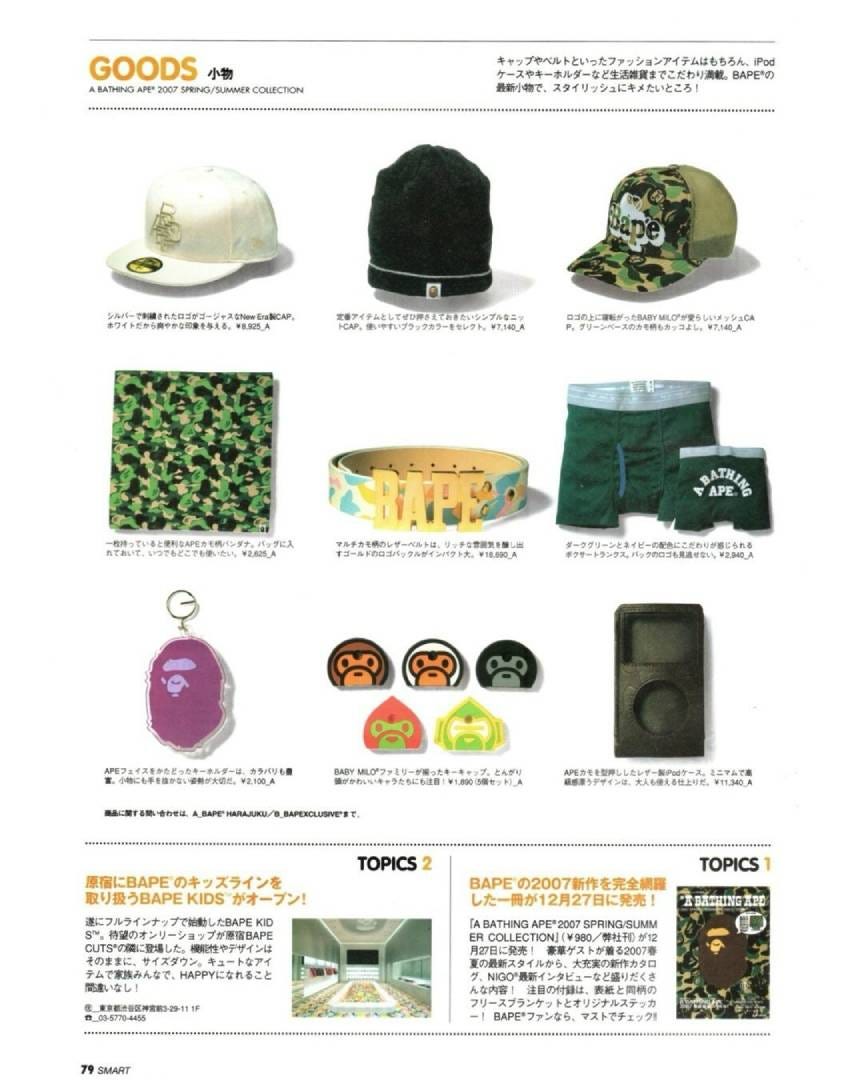
SMART featuring both emerging brands (namely Harajuku’s own 20471120) and Western luxury houses such as Prada or Helmut Lang. Purchase of the publication often included branded gifts.
STREET
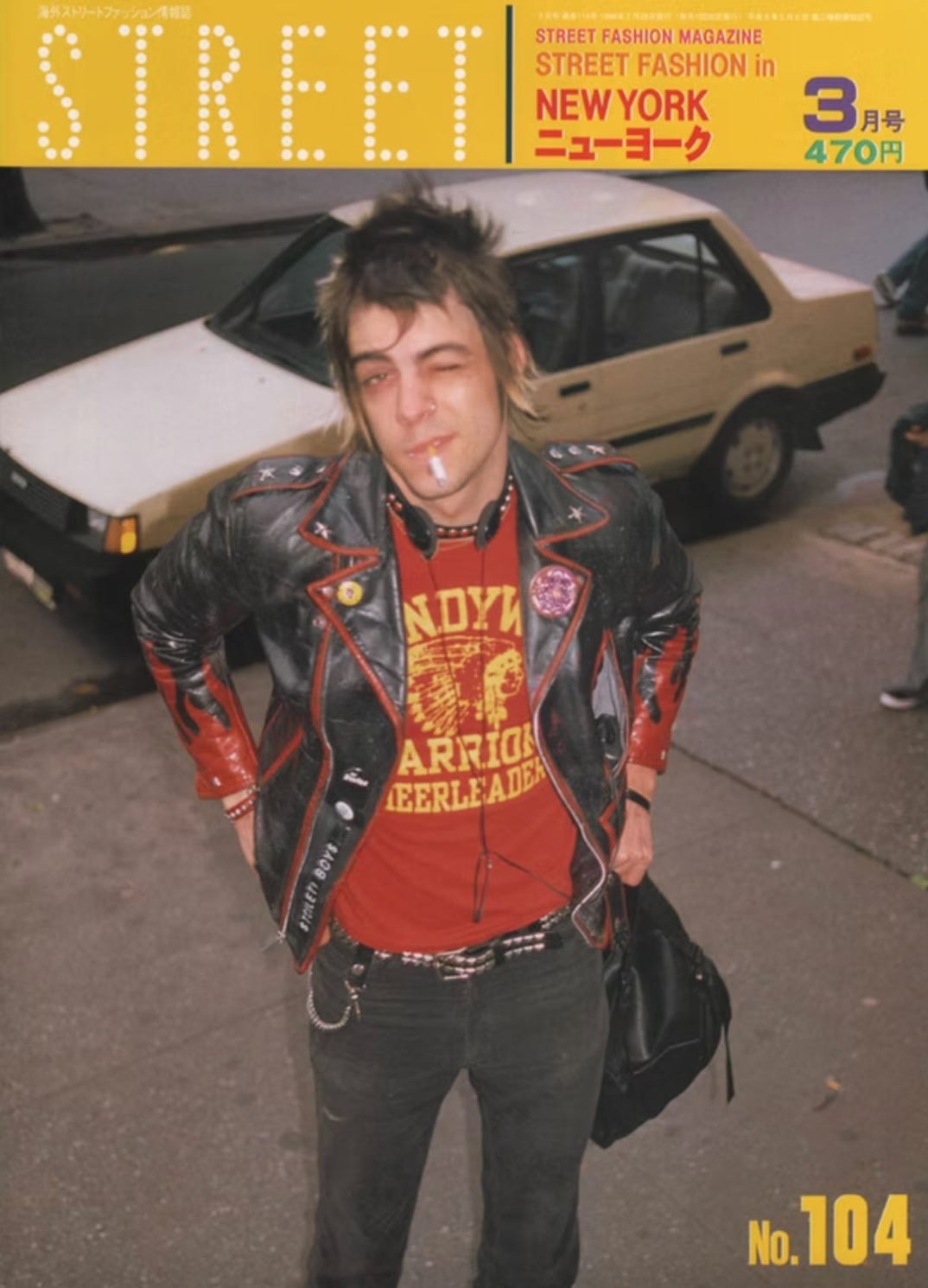
STREET magazine is the brainchild of Shoichi Aoki and Noriko Kojima, and the conceptual predecessor to FRUiTS Magazine. Published in 1985, the publication was the culmination of countless street-style snaps across Antwerp, London, Tokyo and other global fashion wellsprings. Where FRUiTS would later turn inward to document a sole subculture, the trans-local design of STREET bridged the cool kids from one city to the next.
In a way, STREET is prophetic to cross-cultural exchange in the age of the Internet. “I had noticed that there weren’t enough photographers documenting street style in the world back then,” Shoichi reflected in 2020. “but I knew that there was good street fashion in Paris and London.”
STREET ceased production alongside FRUiTS in 2017. The magazine was key in weaving common threads of style between global trend capitals.
EGG
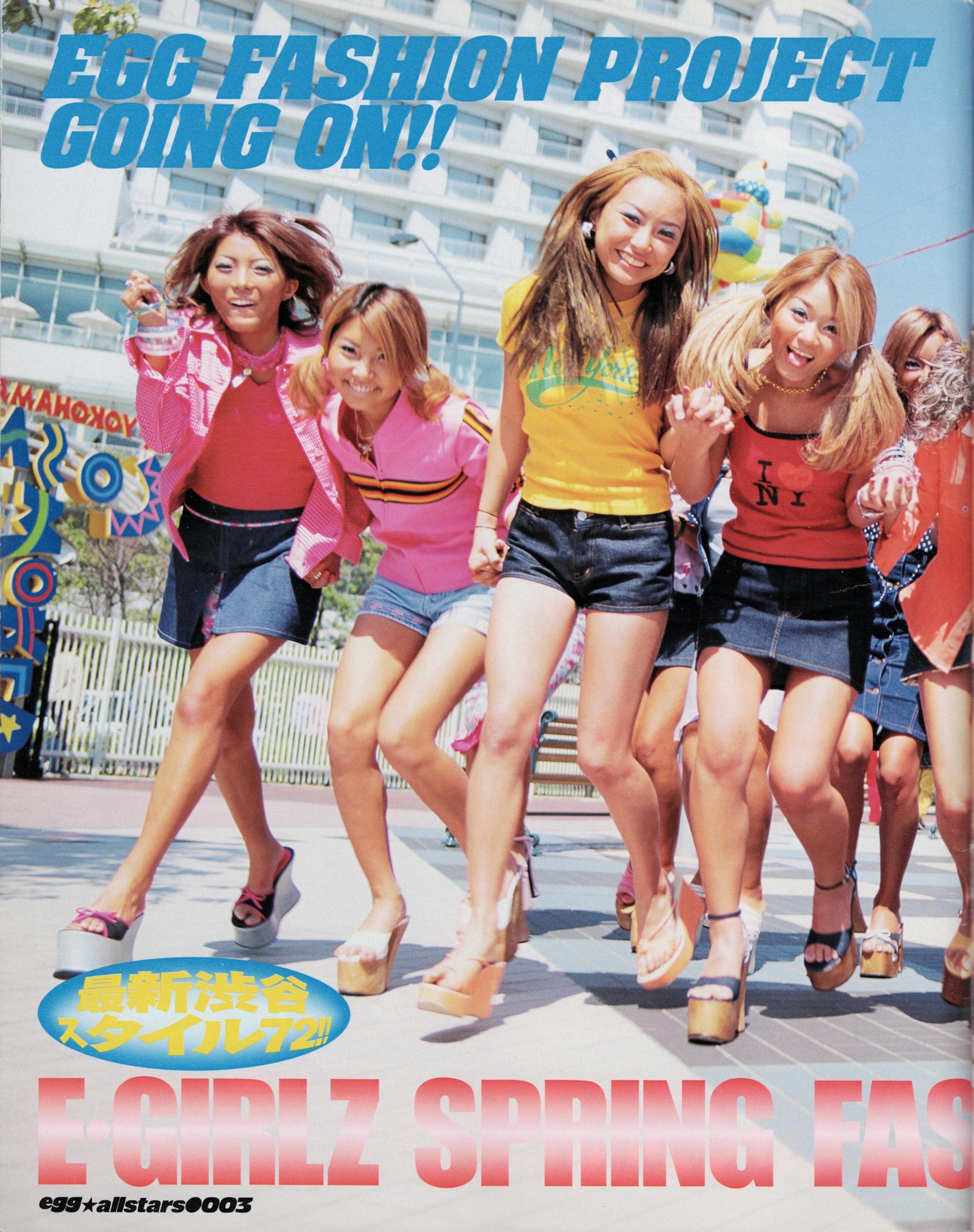
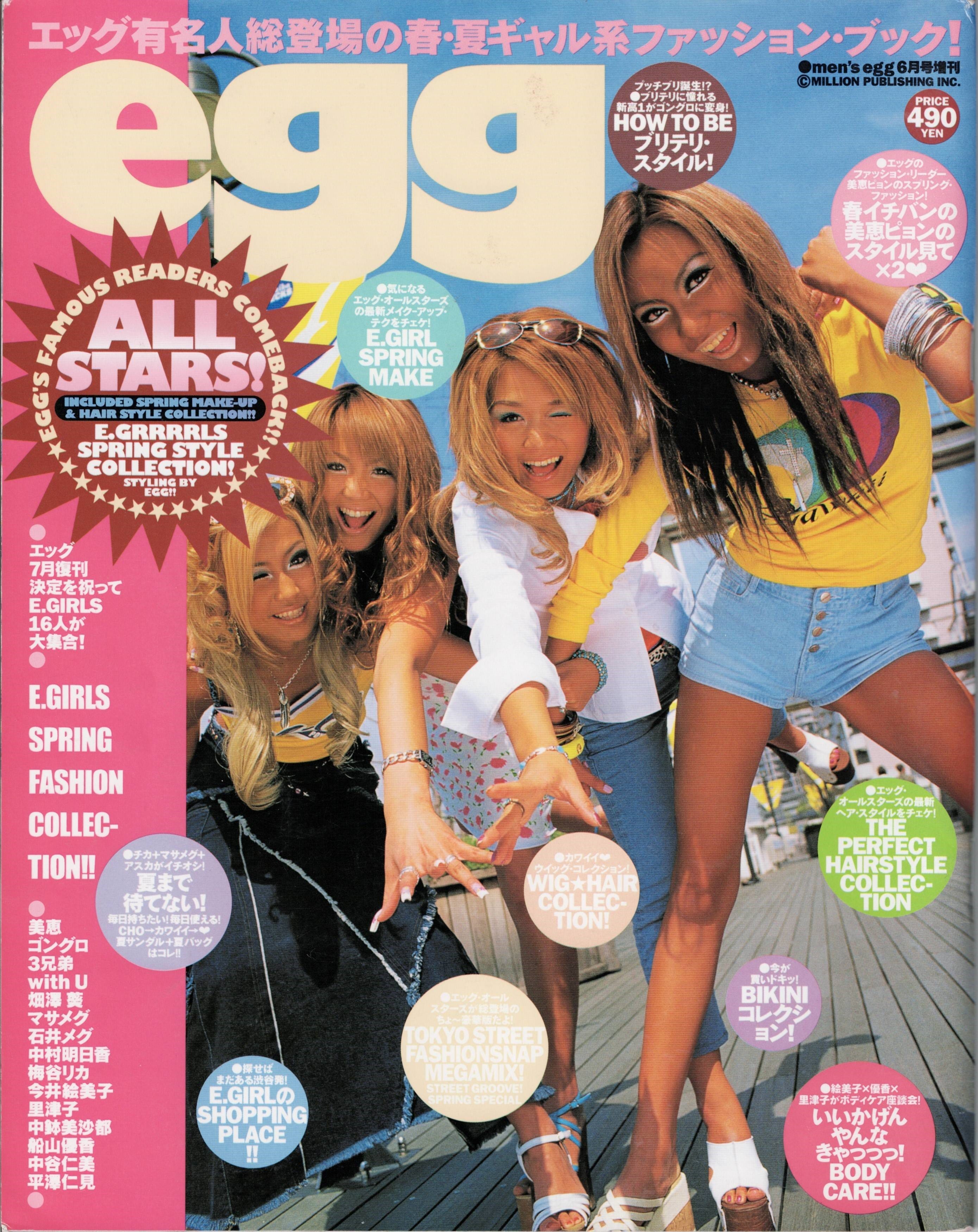
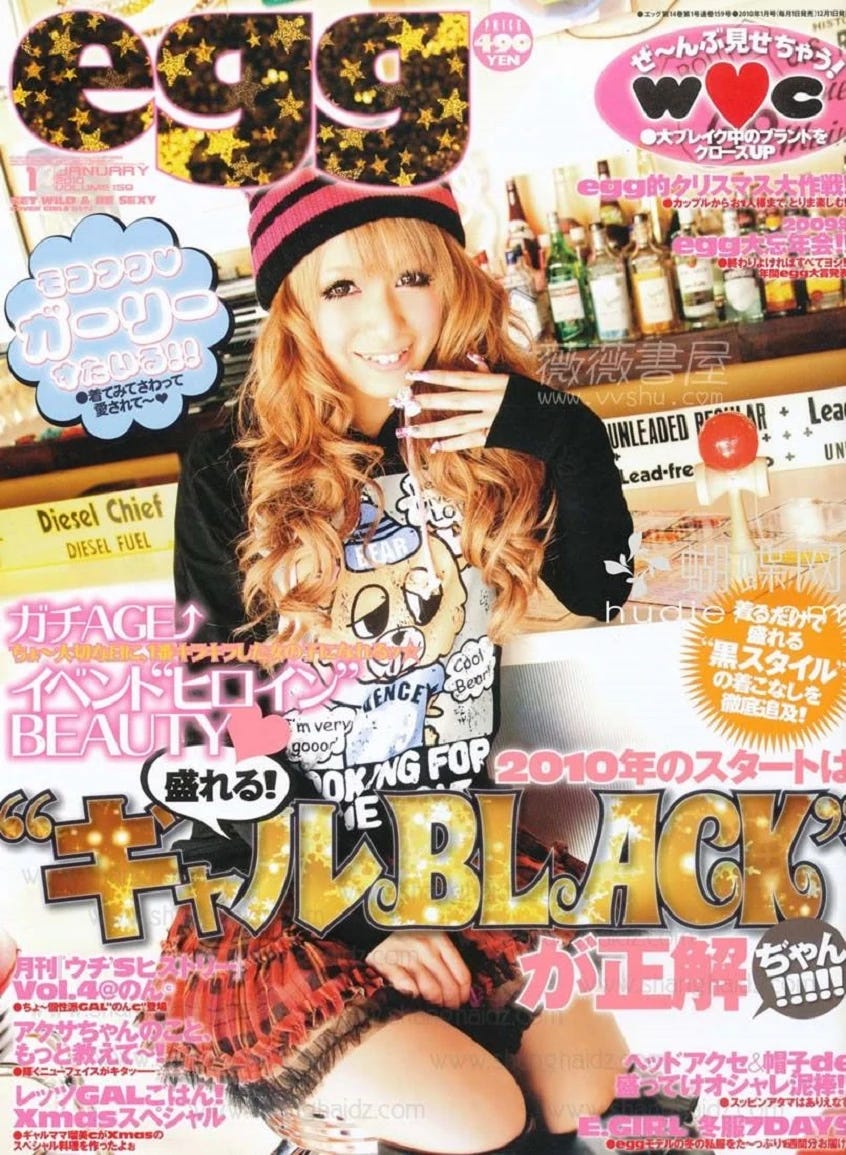
Yasumasu Yonehara, or Yone-san, launched EGG as his debut independent project in 1995. A sharp-sighted photographer and editor, Yone-San observed gyaru culture from its infancy.
Gyaru culture was loud and outrageous. Early on, the style was often linked to singer Namie Amuro’s fan culture. Amuro’s Okinawan heritage lent her a naturally bronzed skin tone, diverging from widely accepted beauty standards in Japan at the time. As fans began to adopt her look, gyaru began to represent a wider protest of social norms.
EGG’s role in popularising these aesthetics was, in the pre-digital era, key to the subculture’s popularity in Japan. Beyond aesthetics, EGG captured the freedom that gyaru girls were enjoying dancing and congregating on the streets of Shibuya. In a society that has historically restricted young women’s leisure to private spheres, EGG and gyaru culture remain a powerful testament to young, feminine joy.
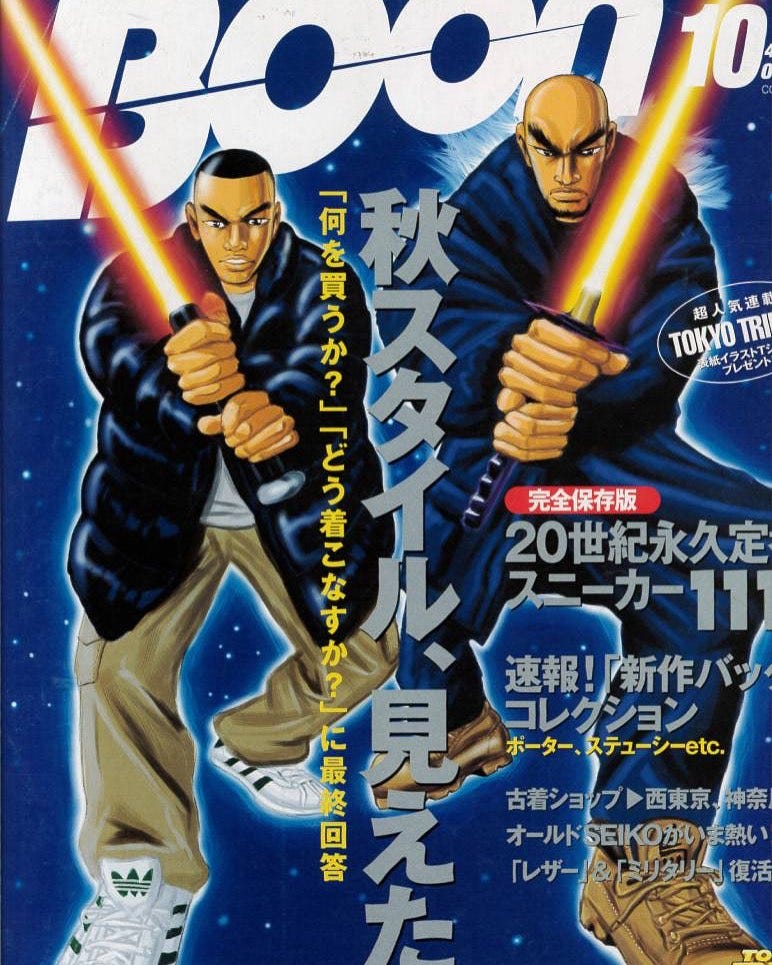
BOON
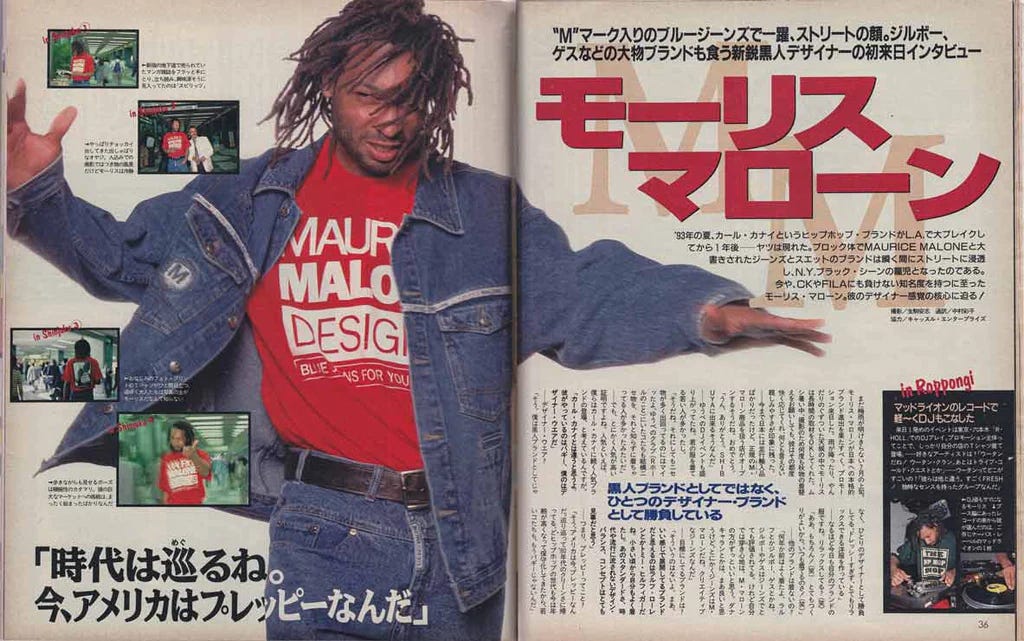
If Popeye was for the mainstream, BOON catered to insiders. First published by distributor Shodensha, the publication arrived as a gospel for young people interested in streetwear culture. While first prominent among Japanese readers, BOON became a gateway to the Japanese underground for many international luminaries such as Kim Jones.
BOON championed brands that would later achieve global acclaim, namely A Bathing Ape and Undercover. It was also exemplary in spreading the word of the Osaka 5 - denim pioneers Studio D’Artisan, Denime, Evisu, Fullcount, and Warehouse. BOON EXTRA was the specialist offshoot of BOON, concentrating on object-literate sneaker media.
TUNE
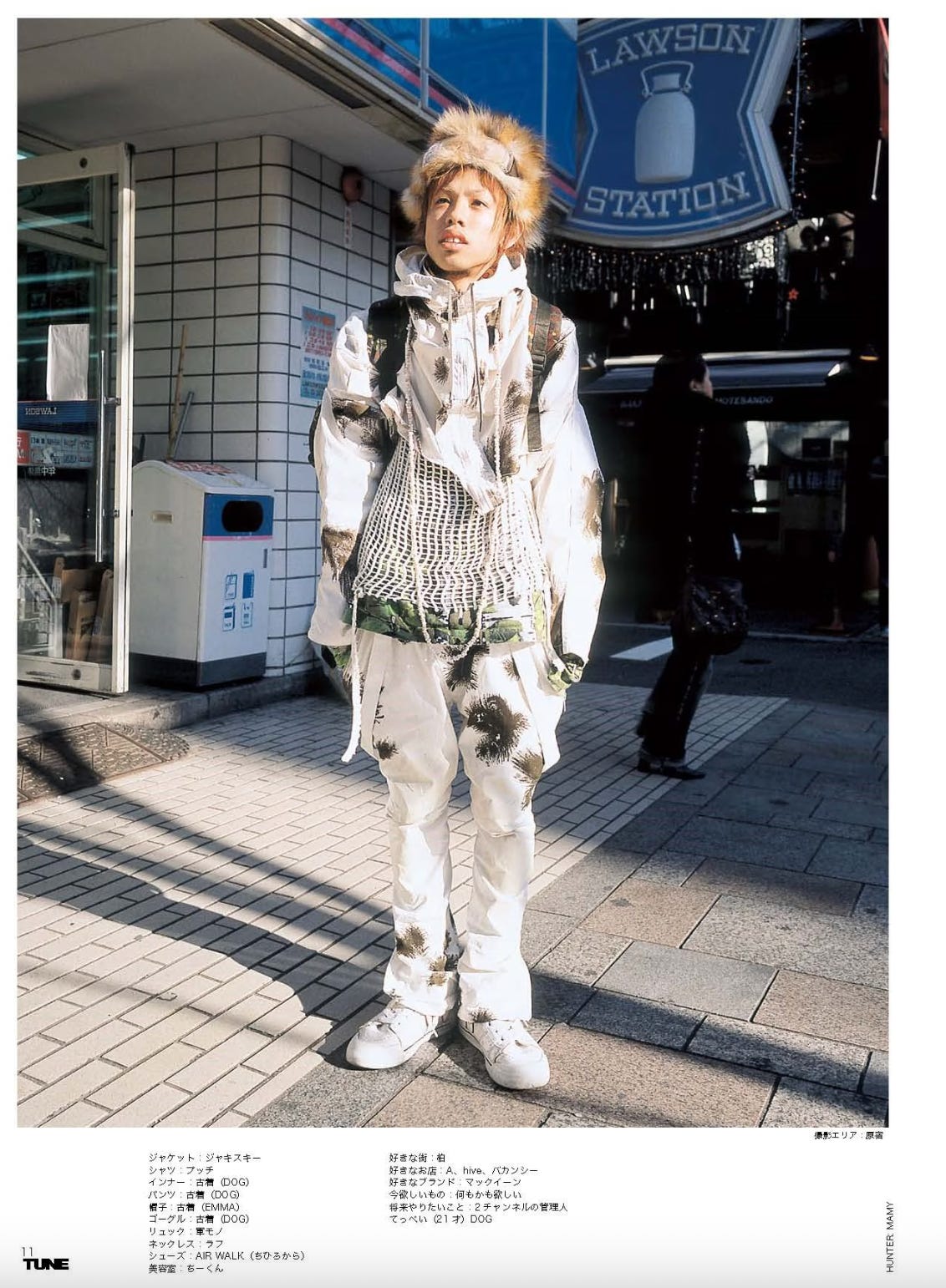
Another entry from Shoichi Aoki, TUNE was the photographer’s third publication. “It wasn’t until the ura-hara-kei style began to die out around 2003 that TUNE was born,” Aoki has said of its origins. “TUNE was the first to feature a new style that followed—kickstarted, in my opinion, by Cannabis, a shop on Cat Street. It was the complete opposite of ura-hara-kei fashion. This new style came from experienced fashionistas.”
TUNE can be read as a natural successor to FRUiTS. The publication followed original trendsetters in Ura-Harajuku as they aged out of a reliance on DIY and thrifting. Incorporation of high-end brands—from Western and Japanese labels alike—is a recurring motif among most issues. The luxury archetype in outfits, alongside Aoki’s improved camera quality, is an arresting final chapter to the trilogy.
TUNE’s entire archive was made available by Aoki in 2021, where over ten years of refined post-Ura-Harajuku styles can be accessed digitally.
Asayan
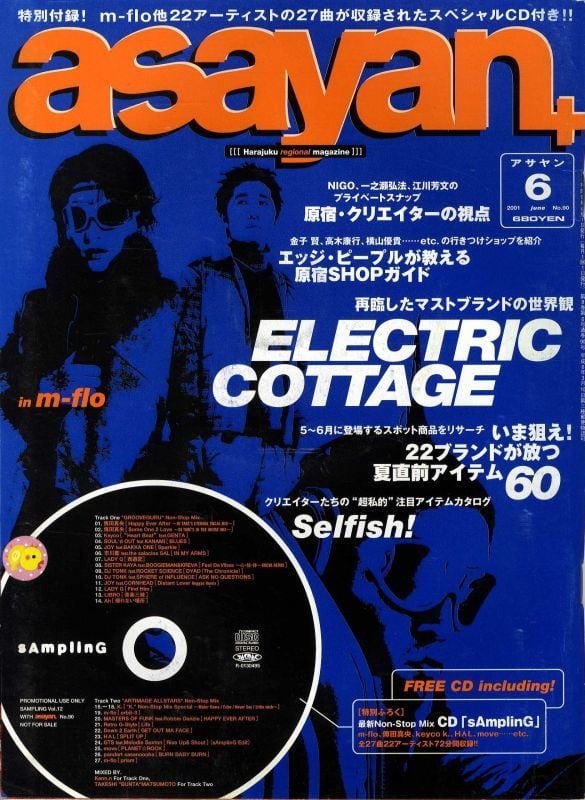
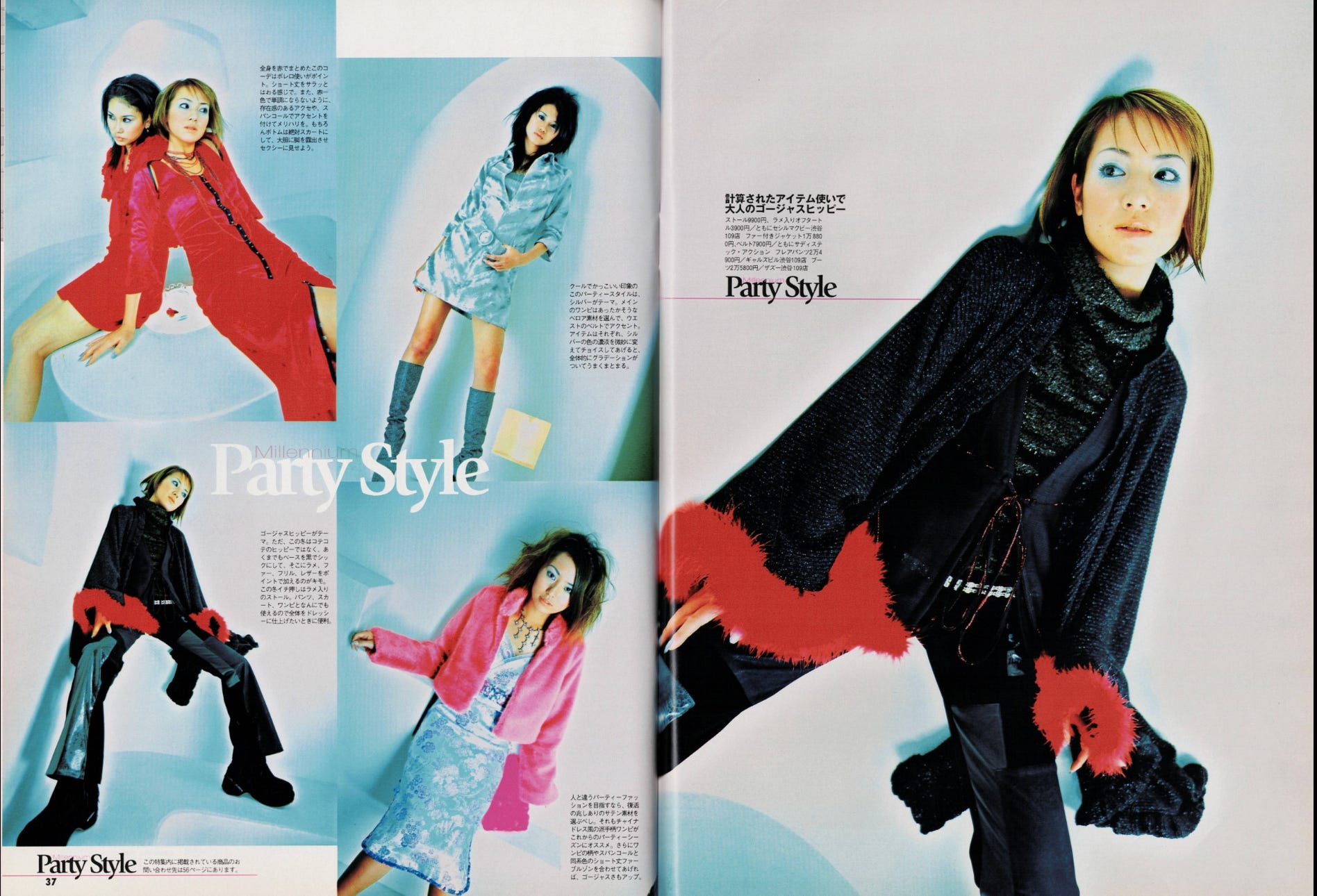
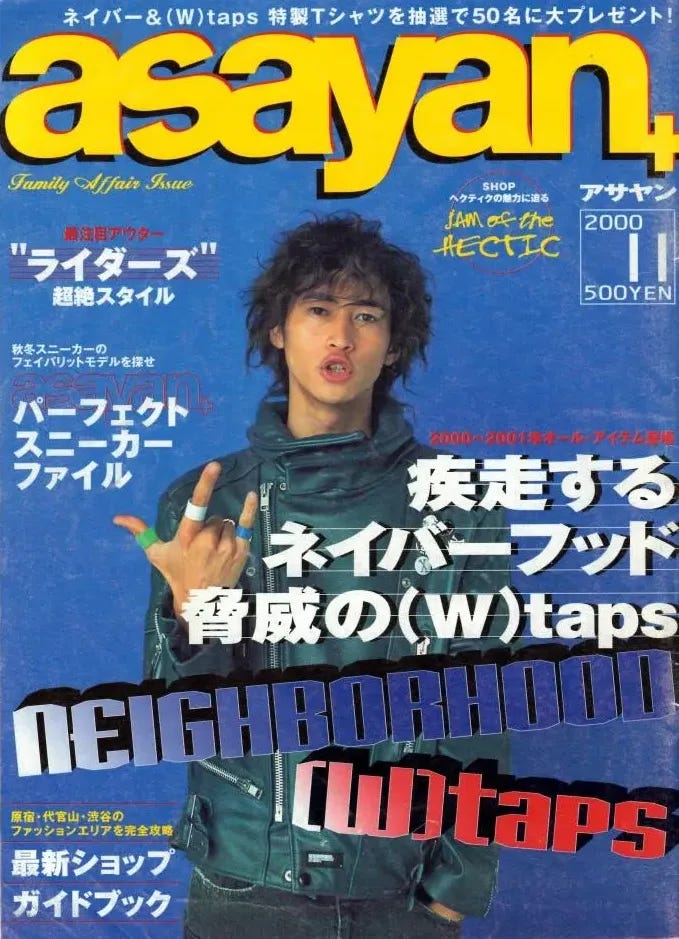
Asayan magazine chronicled a wide array of emerging trends and styles during the peak era of Harajuku street culture. The publication was regarded for its plurality: pages dexterously threaded club culture, high-street brands, DJs, fashion and street snaps. Following the quick success of Asayan, sister magazine Ranking Daisuki was launched one year later in 1998 as a distinguished platform for gyaru culture.
With a finger on the pulse of Japan’s underground creative scene, Asayan established itself as a respected cultural voice through interviews with Detz Matsuda, Nigo, and other influential figures connected to Japan’s underground creative scene.
Kera
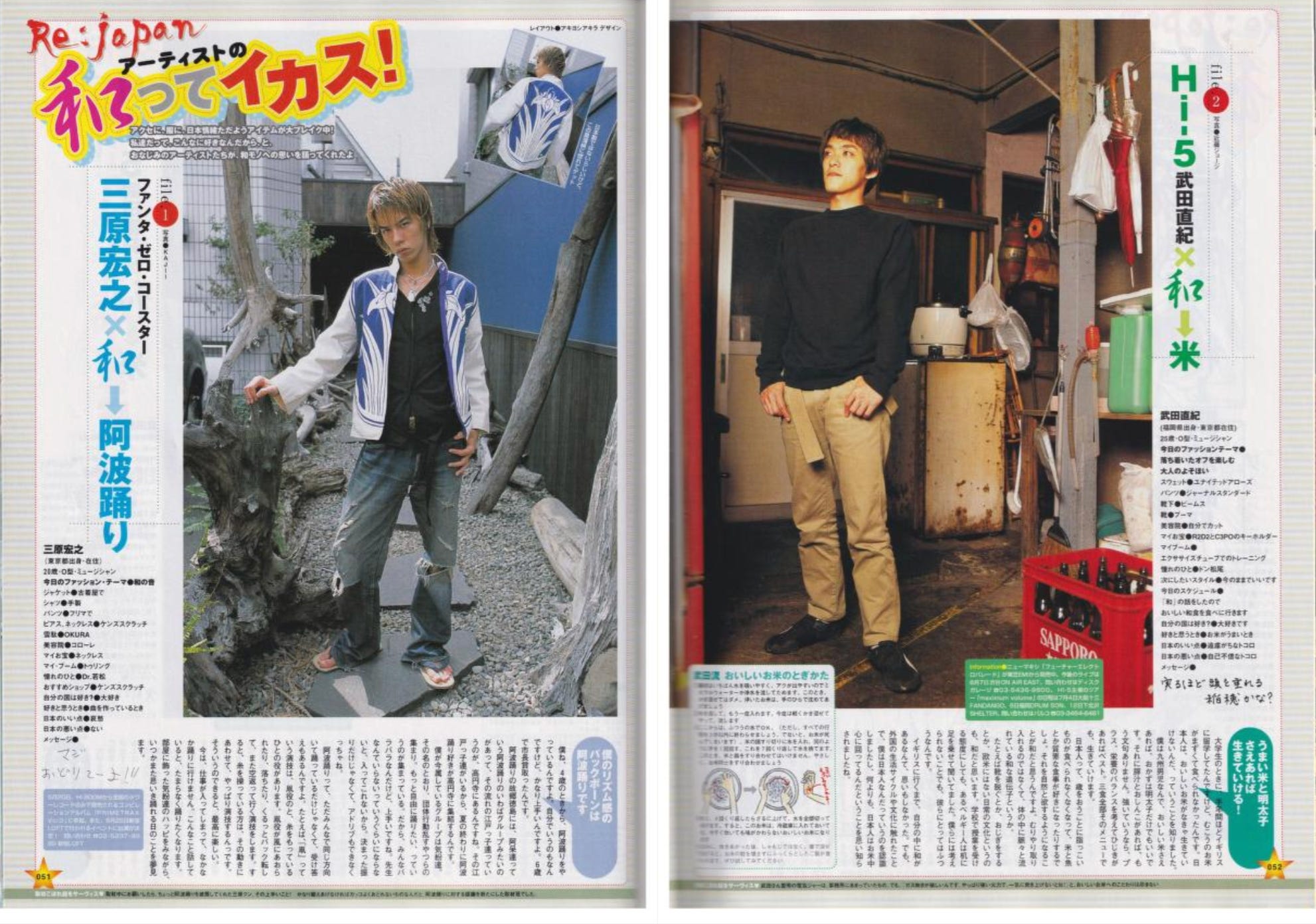
For many, Kera is the defining platform for subcultures of the era. Launched in 1998 as Kerouac Magazine, an ideological commitment to individual expression made it one of the generation’s most-read publications.
Kera became well-known for spearheading street-style candids. Accessory showcases were popular among readers, where details were paramount. It’s an ethos best illustrated by the “Hair Wars” series, exhibiting Harajuku’s most innovative hairstyles. Over decades, critical documentation solidified Kera as a definitive record of the scene.
Meant merely as a spin off in Spring 2001, Kera’s ‘Gothic and Lolita Bible’ was a specialised resource in gothic and lolita fashions. A sustained readership and appetite for the publication’s editorial and DIY content saw it publish for years beyond what many had anticipated.
The shuttering of Kera’s print edition happened just weeks after FRUiTS published its final issue, though an extensive archive remains available online.
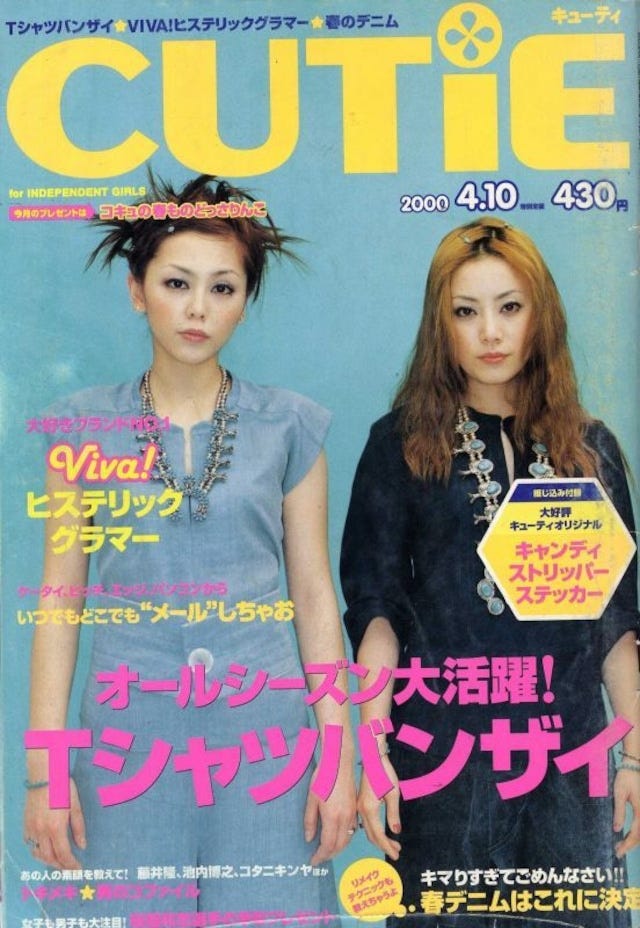
CUTiE
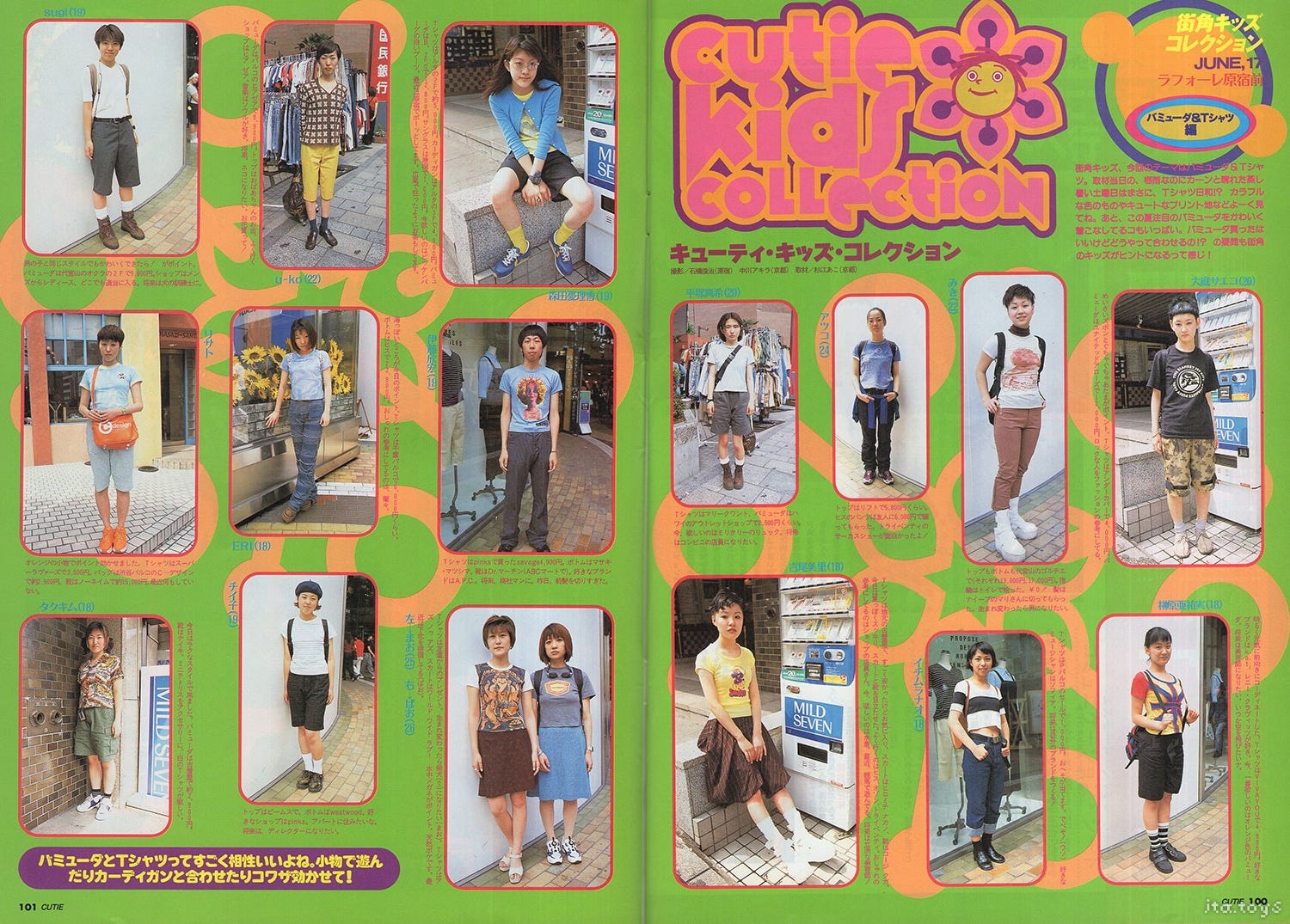
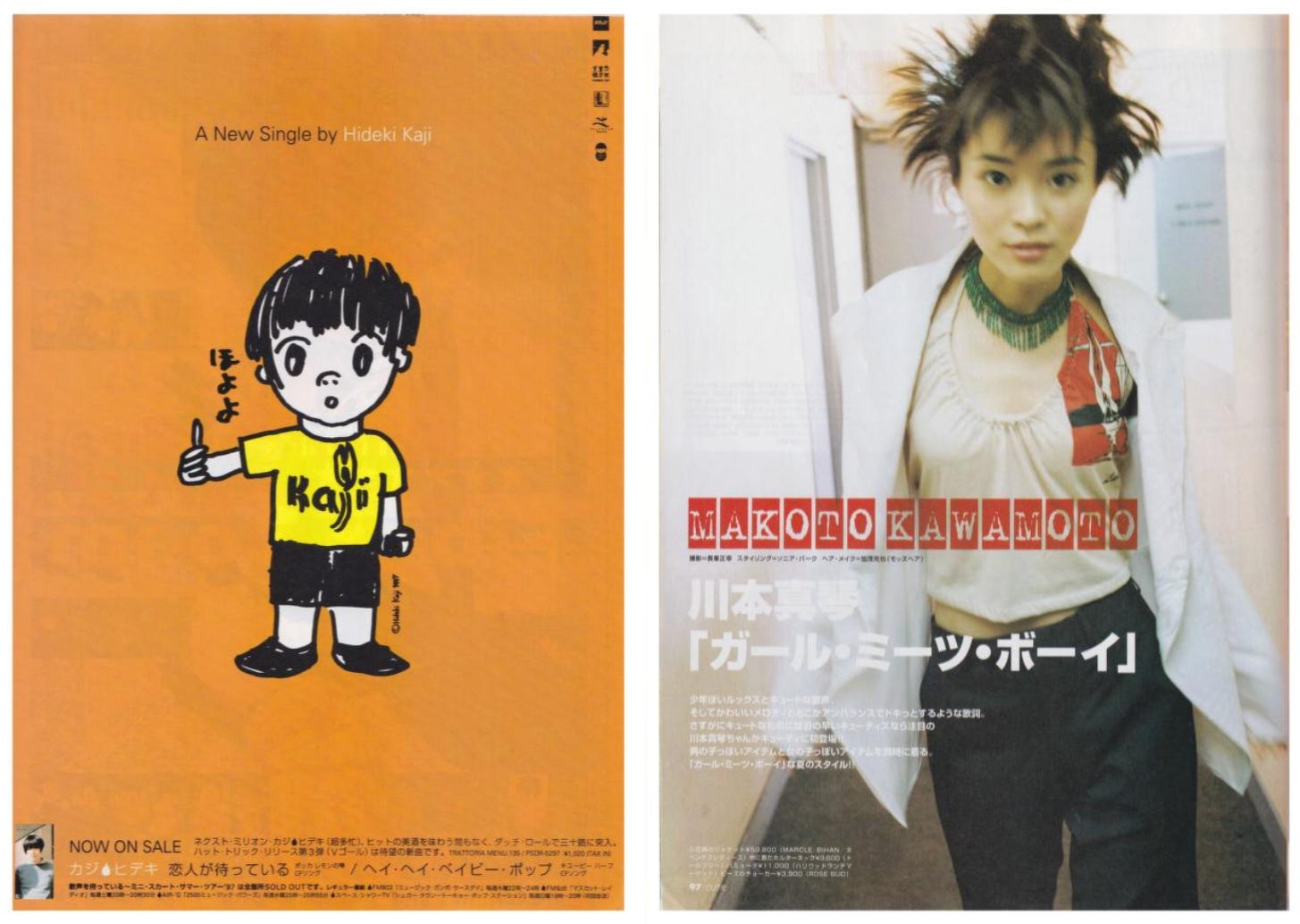
Launched in September 1989 by Takarajimasha—the same publishing house that would later produce SMART—CUTiE was engineered as a younger sister to main publication Takarajima. The indie band boom drove readership of the former to new heights, propelling CUTiE to overnight success.
Situated among a mature, dated catalog of fashion magazines, CUTiE was first to spark youth discourse. A significant departure from industry norms, the publication covered a colorful medley of DIY and trend. Before long, topic coverage widened to cover gaming, manga and real editorial content; a decision made to accommodate a growing male readership. Fun was the grand, unwavering narrative thread.
As young readers grew older, the generation CUTiE spoke to became the architects of the scene. CUTiE ran until 2015, outlasting many of its contemporaries.
Bonus Scans: