



Interview by Mikail Haroon
Contemporary fashion can feel like a hall of mirrors. Creative directors rotate between houses and dig through dense inherited archives. Runway and commercial collections are built on references and formulas that have worked before. The result is an exhausted industry, struggling to break the inertia of its own source material.
Instead of following suit, Sofia Testino looks to the street.
A Central Saint Martins graduate now based in New York, Testino doesn’t reference other designers. Despite her classical training, she doesn’t sketch. She’s never read a fashion book in her life. When she needs inspiration, she goes outside.
Testino has been photographing strangers since she was a teenager. These aren’t fashion victims, just people with a distinct look. Her favorites are the elderly, whose outfits are unlikely, and painstakingly their own.
The result of this practice are clothes that have become the talk of the town (or certain towns, like New York and London), and made Testino something of an artist’s artist, a designer who all the cool girls follow.
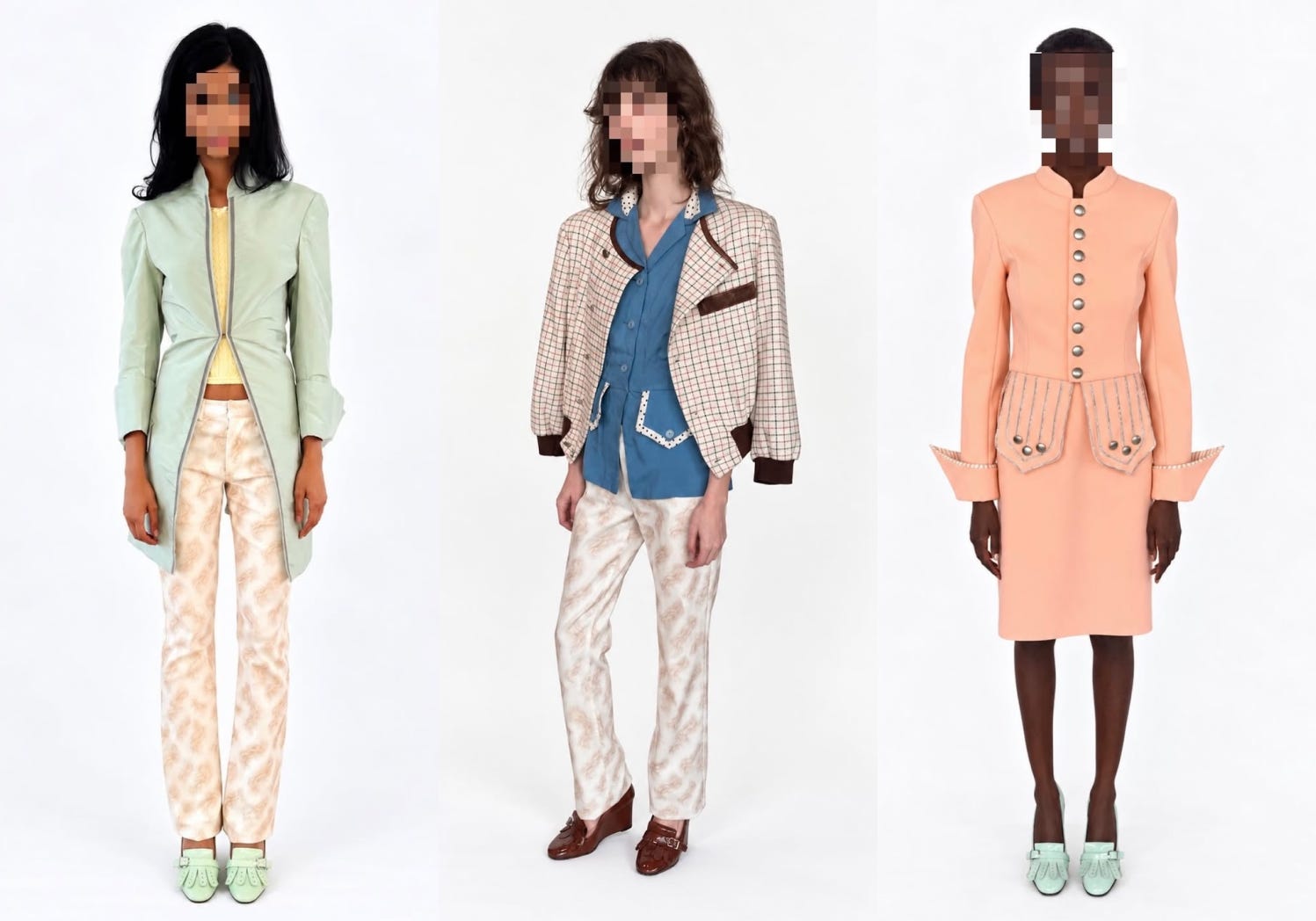
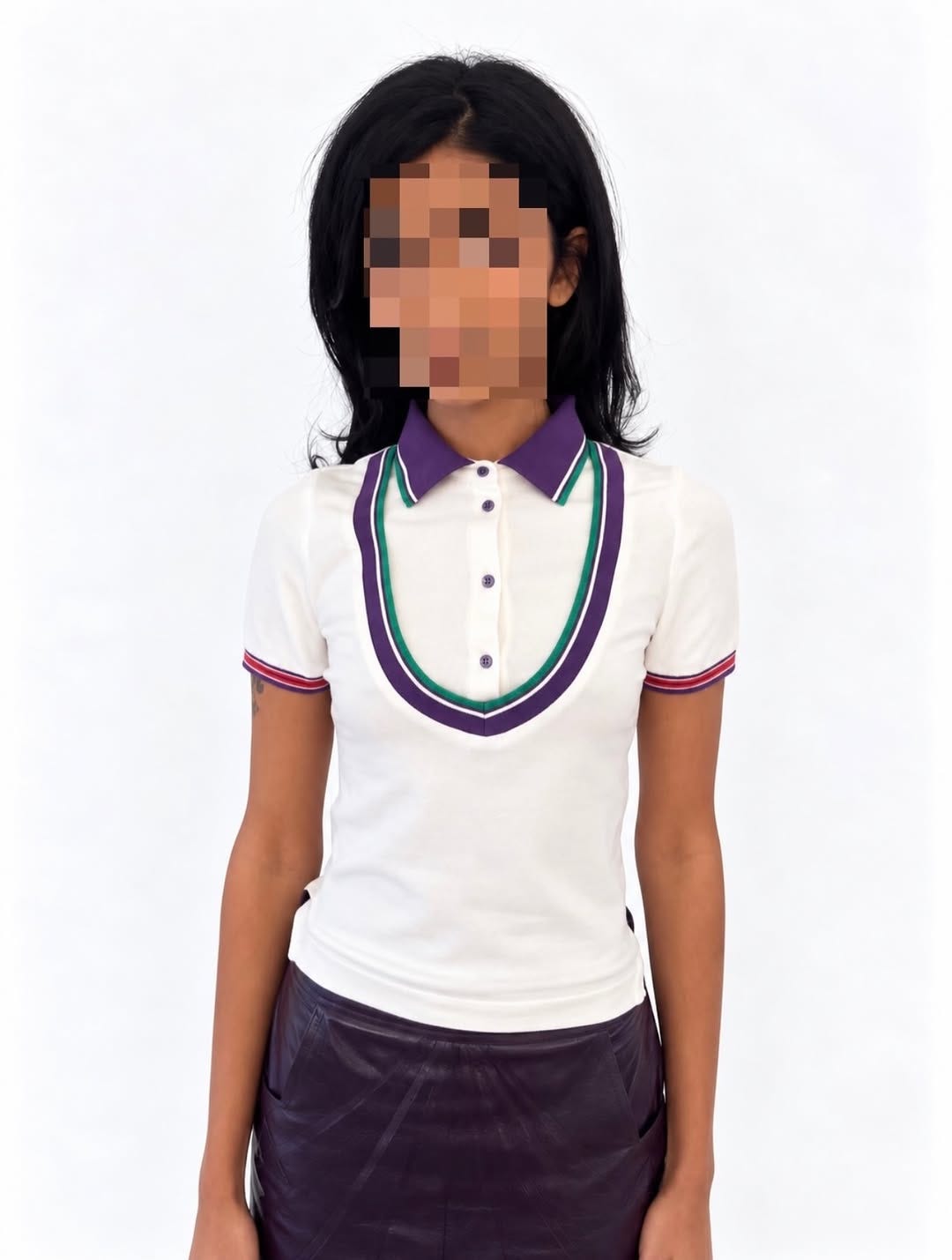
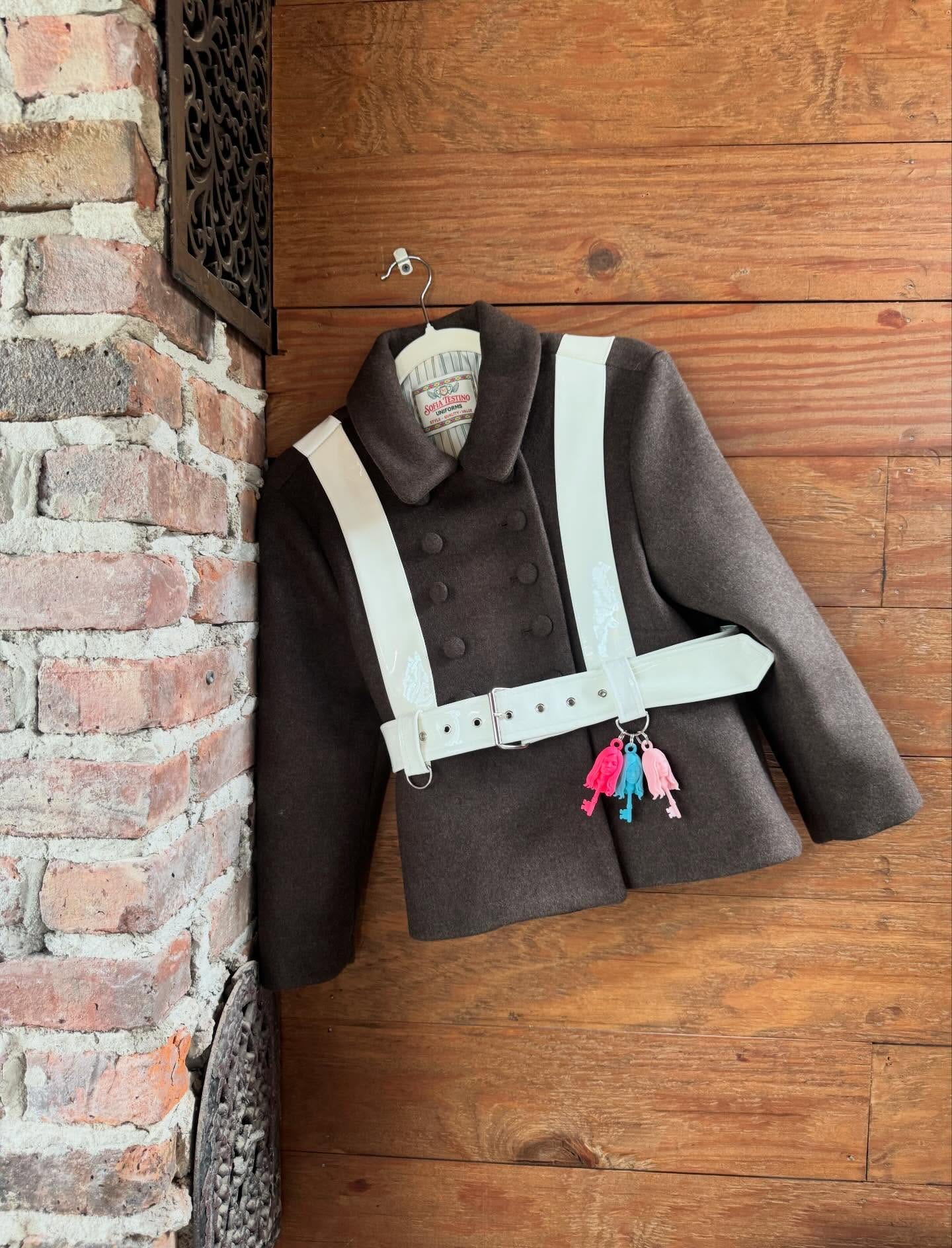
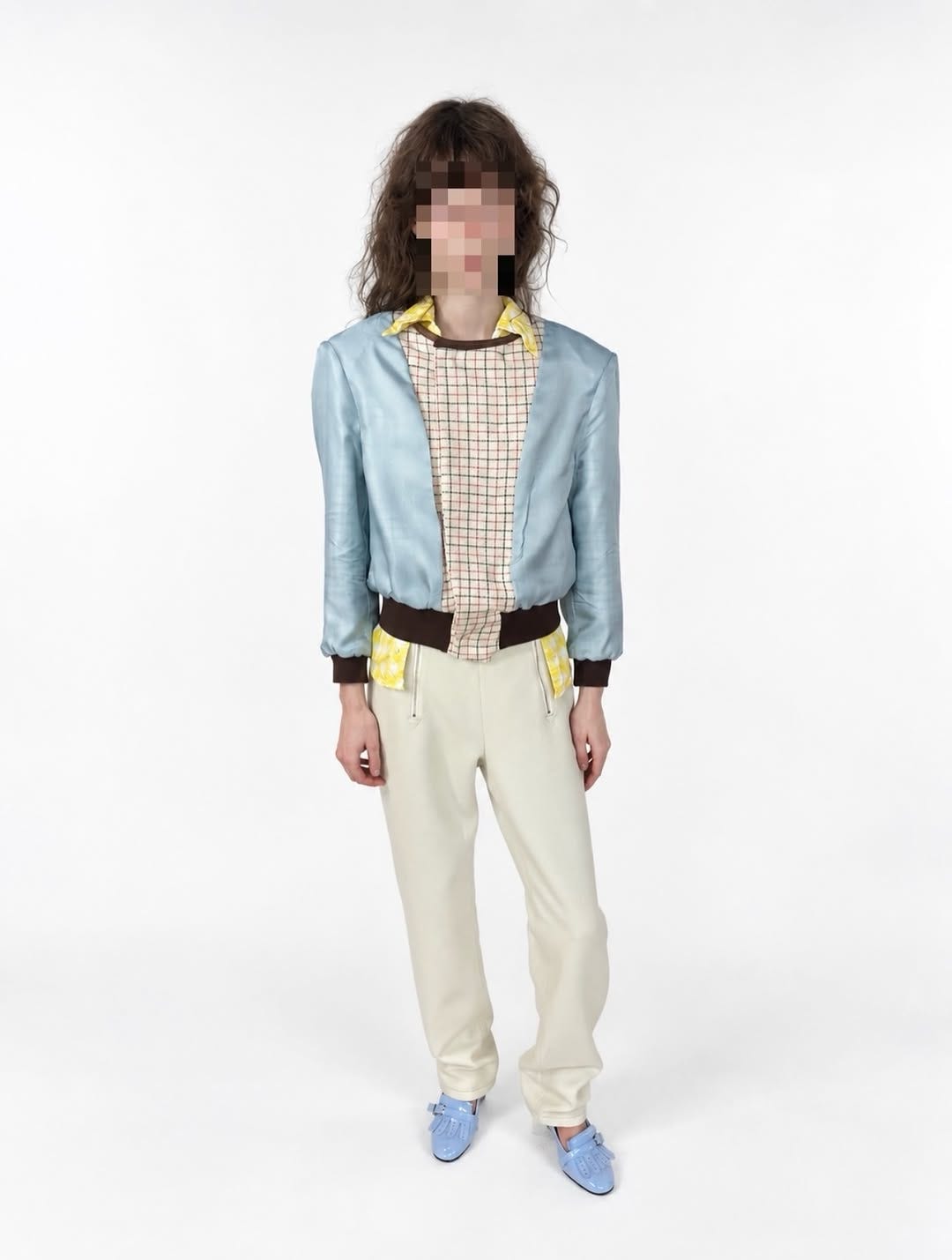
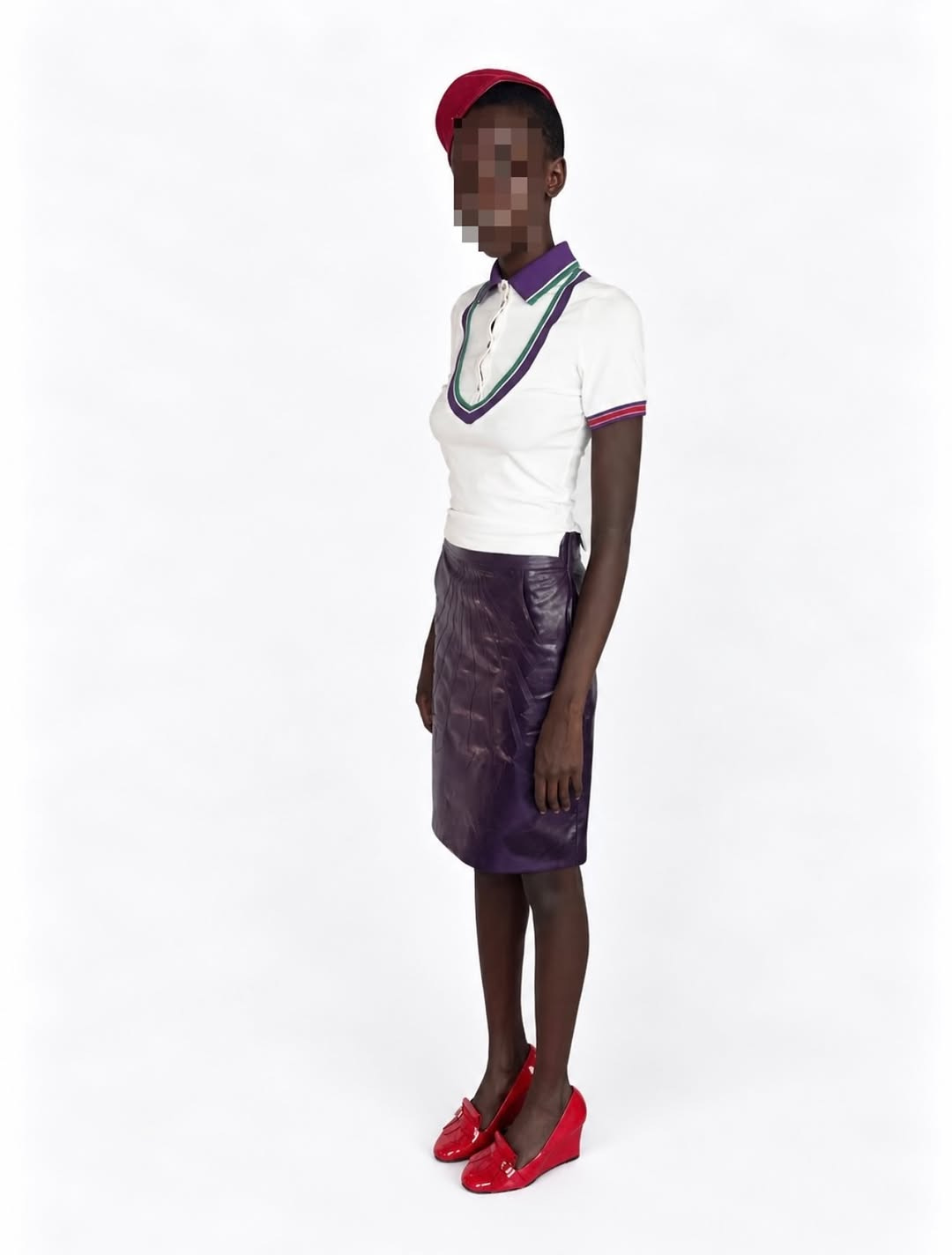
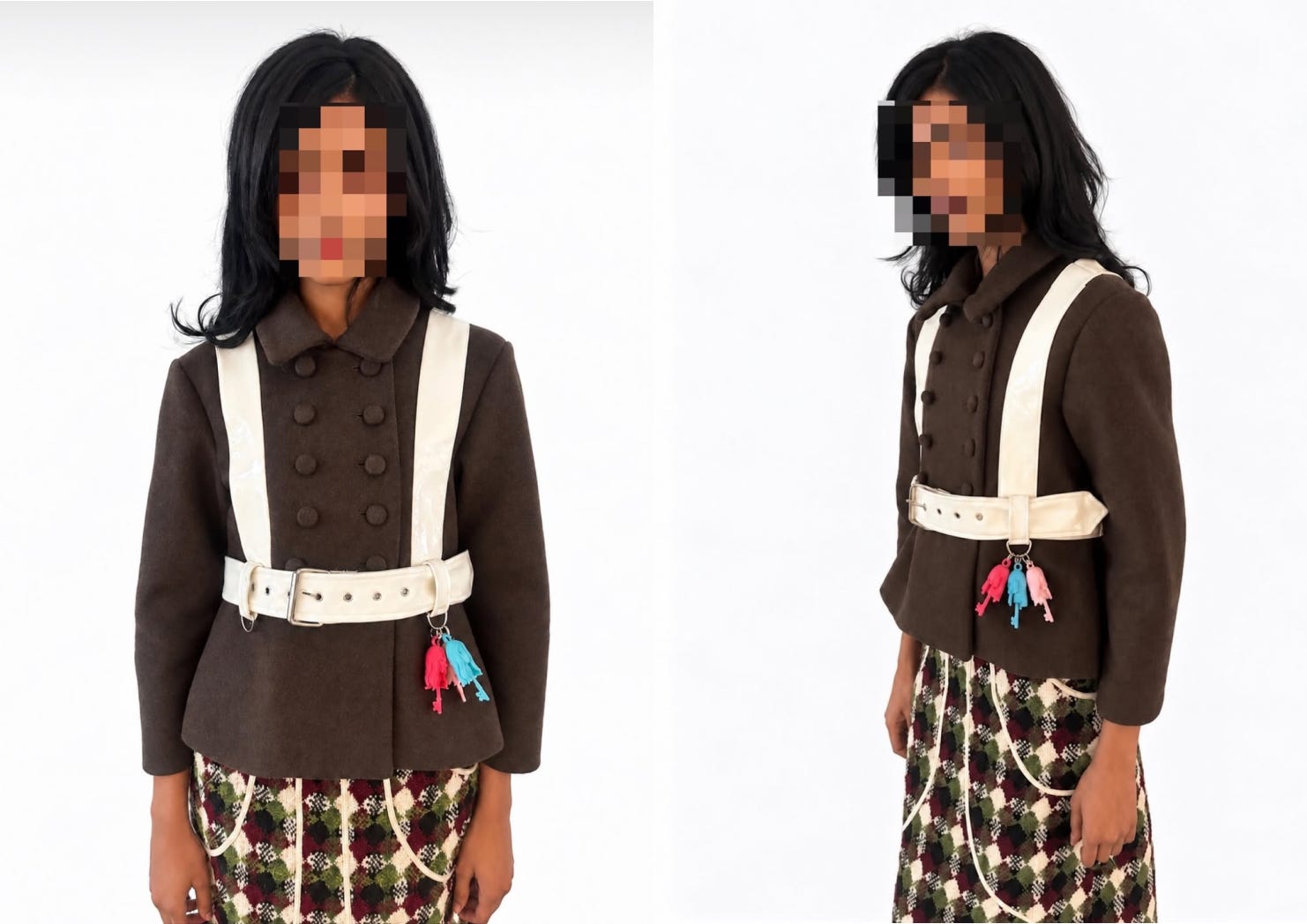
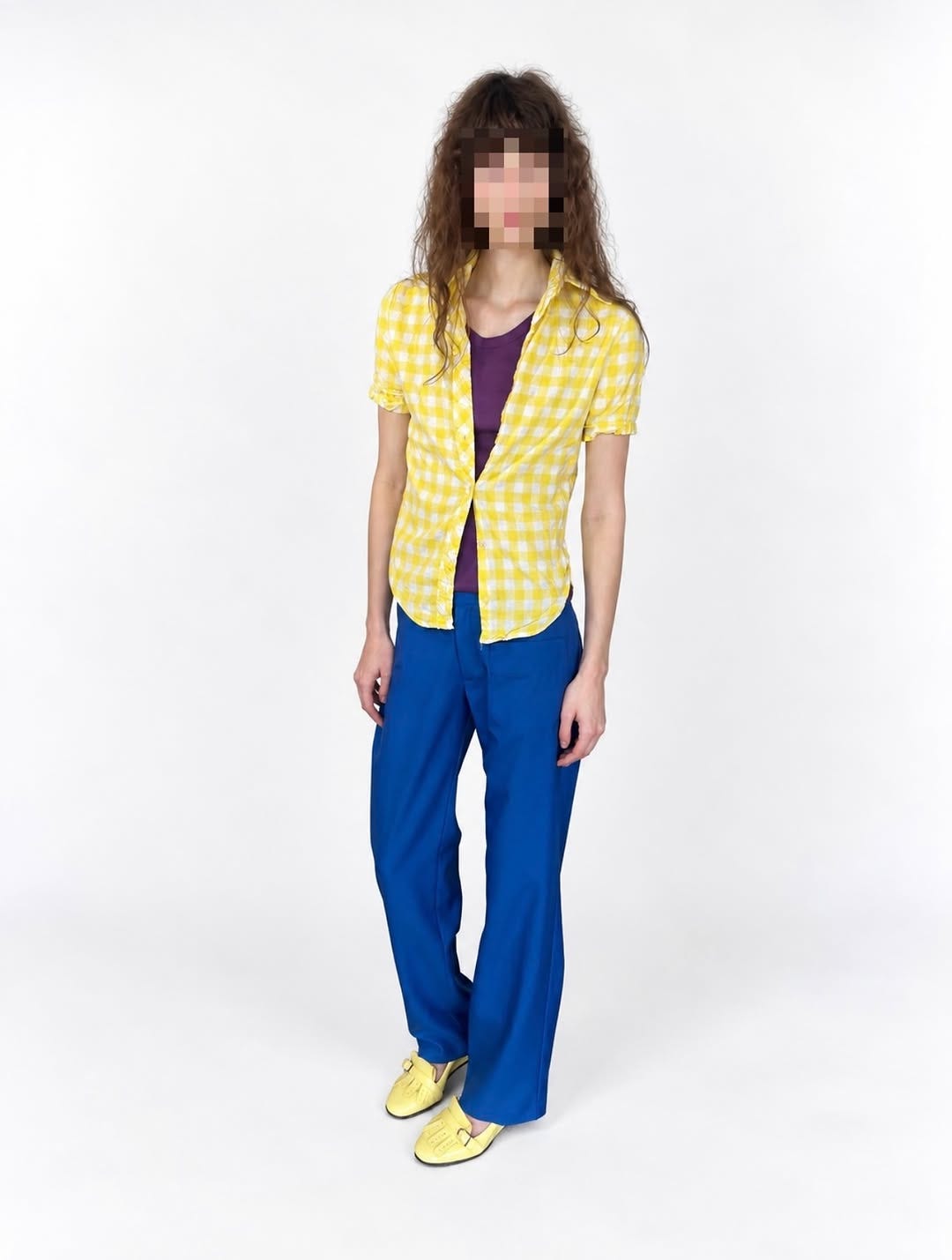
The designs sit somewhere between costume and contemporary womenswear. The palette is hard to place, equally at home in a stylized period piece and on the street. Modular jackets that reverse or zip apart; a belt loop that reads “TESTINO”; hidden linings in contrasting fabric; a custom tag pieced together from her archive of vintage labels. A balance of elevated simplicity and considered whimsy. A playfulness that isn’t ironic.


Testino’s approach to collections is similarly her own. Rather than designing single garments, she builds around a cast of characters, conceptualizing imagined people down to their occupations, relationships, and personalities, then designing wardrobes for them. It’s a technique founded on world-building and costuming, and entirely unique to Testino.
We wanted to learn more about a designer working so far outside the loop, so I sat down with Sofia Testino.
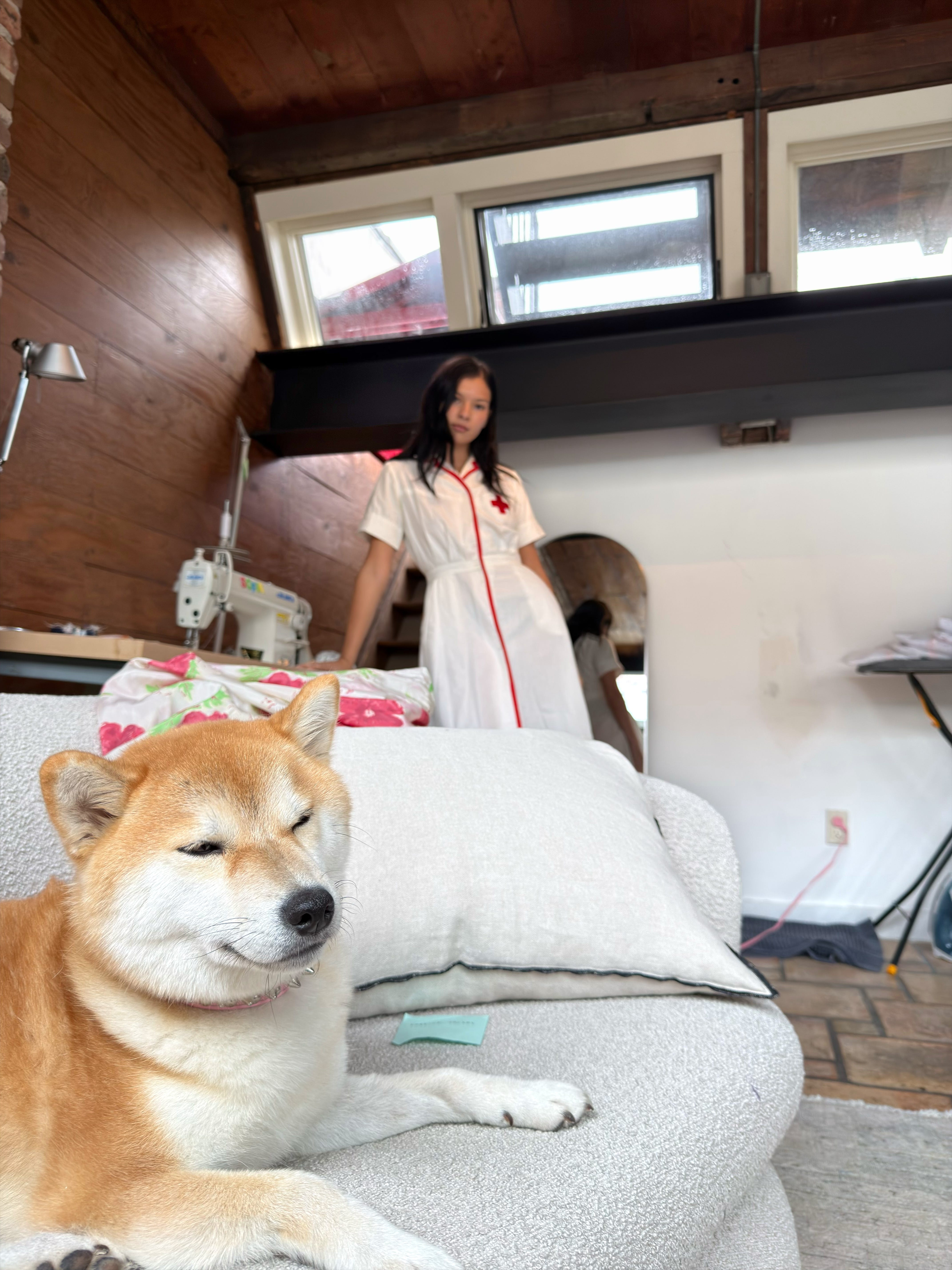
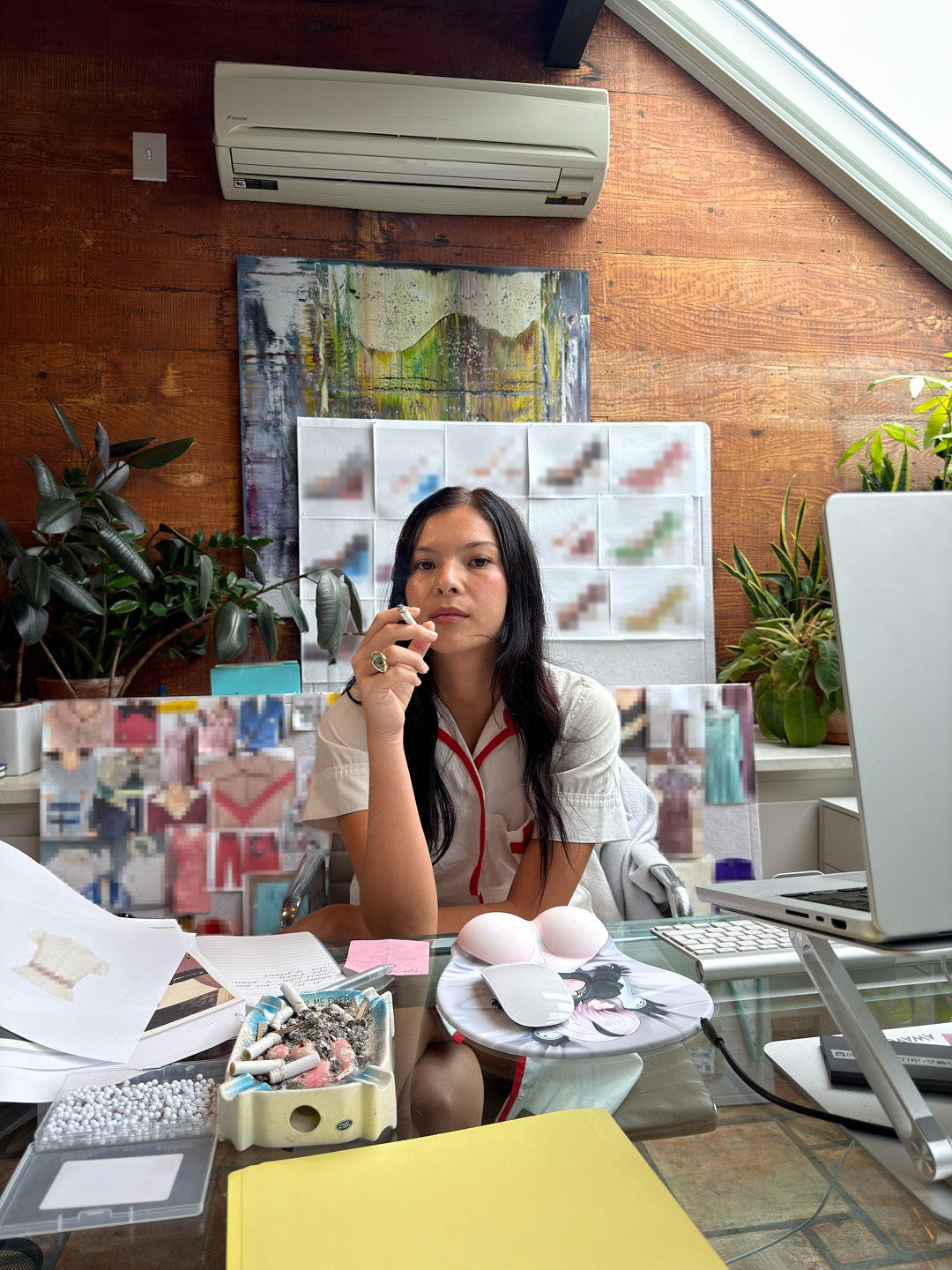
Her studio, which is on the top floor of her East Village apartment, is lined with racks of eclectic Italian furs and colorful garments, alongside meticulously arranged concept boards for her new collection, including a line of shoes she designed that very day. Syko, her restless Shiba Inu, wanders around the space.
Intensely driven about her work, there’s an ease to Testino in conversation that makes her feel immediately familiar.
Over a cigarette, we talked about why irony in fashion has gone too far, the American inability to comprehend a Victorian gown, why she only reads memoirs by heroin addicts, her dream design commission (a plastic surgeon), and more. Read on.
Mikail: So tell me about yourself: who is Sofia Testino?
Sofia: That’s actually a really hard question. Wait—the brand or me?
Either.
The brand is my brain dump. With each collection I basically want to build a world. I only look at characters. I’ll look at, say, what would my ideal therapist want to wear? And then I’ll build the character in my head: what they’d wear, what they’d eat, where they’d shop, who they’d date.
What about you? When and how did you start designing clothes?
I never really wanted to be a designer. I went to a lot of schools, and most of them were academic or sports schools, and I was never good at either. So for a long time I didn’t know what I was good at. Then I went to this alternative art-and-farming school in England, and they had a fashion program. That’s how it started.
You’ve said that you used to think a designer needed to work in a specific way, to have an image in their head and then sketch it out. How did letting go of that idea change your practice?
Honestly, I only realized that last year. When you go to university, you see so many people with beautiful sketches. When you look at old fashion designers, they had amazing sketches. My idea was, Oh shit, they’re just doing this from memory. They’re just thinking of a dress and drawing it. I really didn’t know how to do that. And I did try. Then I realized my strong suit was researching and sourcing clothes and seeing little details, and basically mashing up loads of clothes and putting them together. That’s how I design.
Who and what are your main sources of inspiration?
People on the street. That’s one thing I’ve actually been doing for a really long time: taking pictures of people on the street. Not necessarily people who are fashionable in the sense that they know what they’re wearing. It’s more people who have this amazing look about them, but don’t know they have it. That’s what I find interesting.
I wanted to ask about your street photography habit. It’s in your Instagram highlights. How did that start for you, and what makes someone worth stopping for?
It really depends. Honestly, I see them as characters in a movie. I’m like, That would be such a good character. That’s how I see it. I think it’s individuality, having an aesthetic you’ve never seen before. I never really take pictures of fashion victims. I don’t think any of my pictures have ever been of people wearing branded clothes. It’s normally complete strangers.
I’ve been doing it for a long time. I found my old iPod Touch, and I was still taking pictures of strangers. I don’t know why, but I’ve always been drawn to people, and I’m so observant. I’ll be walking down the street with friends and say, Did you see them? Oh my God, they’re amazing. And they’ll be like, What? And I’m like, How the fuck did you miss them? I look at everyone. And I think it’s the best research ever, because it’s current. It’s what’s actually happening.
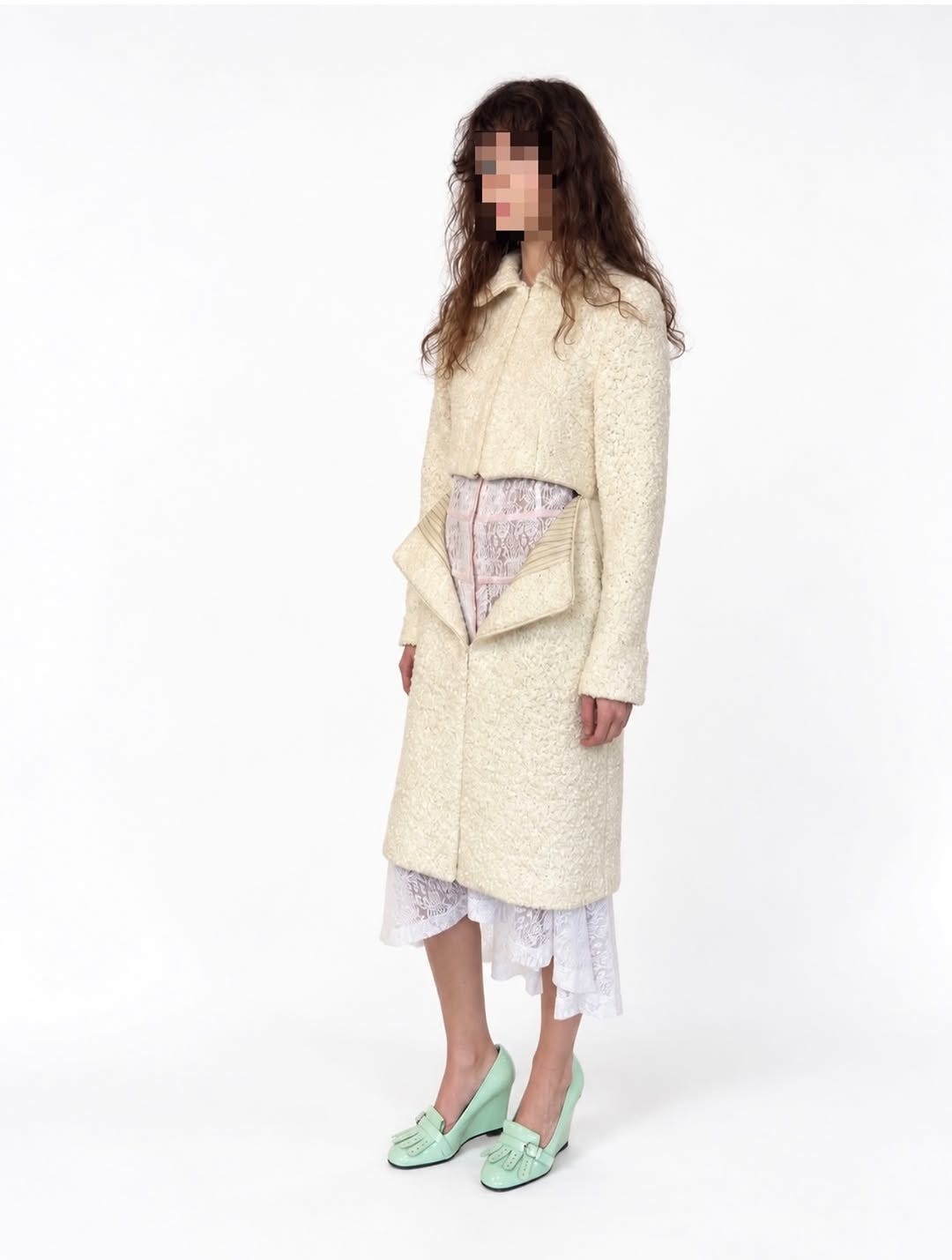
Your work feels closer to costume design than the refined minimalism of a lot of contemporary fashion. And, as you said, you’re creating a cast of characters rather than a signature silhouette. How does the idea of character shape your approach?
There are so many different routes to take when you have characters, instead of basing your collection on, I don’t know, Chinese pottery. When I’ve tried to do a really narrow theme, I get so bored. Whereas when I have different characters, I can tap into different directions.
You’ve said that when you’re at a workplace you’re not fully yourself, and that you become a character in a sense. Do you think clothing can actually change the person wearing it? Or just reveal a different version of them?
When I said that, I meant that when you go to work, there’s a certain persona you take on. You’re yourself, but it’s not the same as when you’re with your friends or going out. I think clothes can definitely do that.
Even wearing heels. I like wearing heels, even if I go to the dentist. It makes me feel put together. It makes me want to walk. It makes me feel different. If I put on flip-flops, it gives me a whole different personality. I’m slouching, I’m dragging my feet.
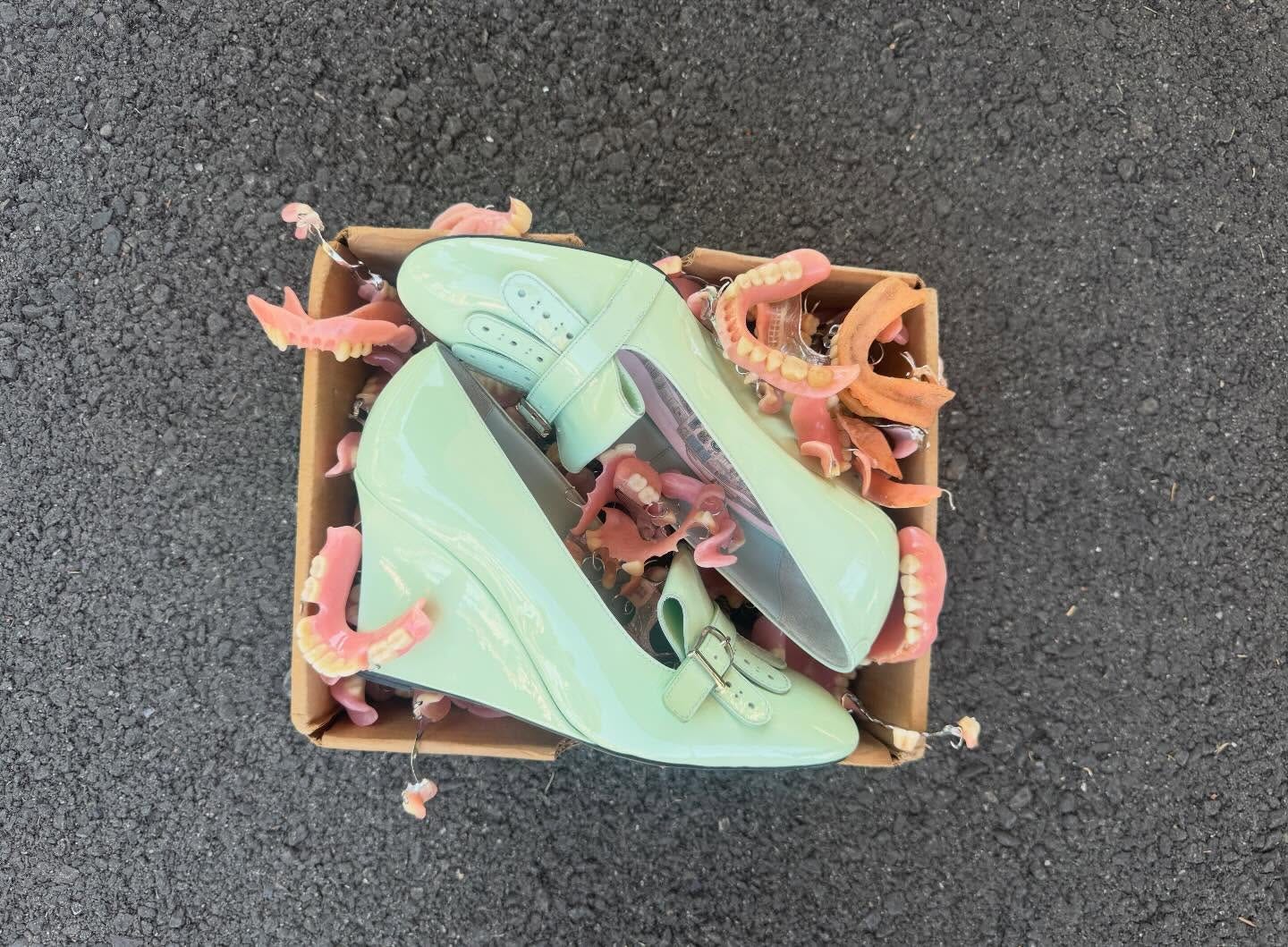
Mikail: You’ve described humor and playfulness as core parts of your process. What has shaped your humor?
I think my humour comes from noticing the absurdity in everyday things. I like bringing a sense of playfulness and lightness into fashion, but I don’t want it to feel gimmicky. There has to be a balance. Lately, I feel like irony in fashion can go too far. Sometimes it stops being funny and starts to feel disrespectful.
Who are your favorite designers?
I honestly love Karl Lagerfeld. I just think he’s fucking iconic. His whole personality was insane. Miuccia, obviously. AF Vandevorst. Miguel Adrover, because I feel like he’s actually saying something. Nicolas Ghesquière, but that’s kind of a given. No one doesn’t like him.
And what draws you to them? Obviously they’re all very different, but is there any tangible throughline you can point to?
They’re all for such different reasons. I think Miuccia Prada does simplicity and color combinations the best. She has amazing color theory. AF Vandevorst isn’t even really my style, but again, I really like the simplicity.
It’s weird, because I don’t make that simple of clothes. But I think that’s best. When you admire someone, you shouldn’t be similar to them. Even with research: if you’re an architect, you should look at anything but actual architecture. Same thing with clothes. You can look anywhere but at designers.
It’s interesting you say that, because my Instagram algorithm is obsessed with catching people over-referencing. The pressure is immense. Look at Pierpaolo Piccioli: he’s trying to fill Demna’s shoes at Balenciaga, and to most audiences, it’s falling very flat.
Before, no one who wasn’t in the fashion industry would look at these things. But now everyone has a phone and everyone’s seeing it. So it’s 10 million times the pressure. Even people who don’t know anything about fashion have an opinion.
Do you ever feel like mainstream fashion is too concerned with minimalism? This idea of capsule or timeless wardrobes?
It’s so not me. I respect an old man who has a uniform of 10 shirts in the same color, or different shades of navy. I respect that. That could never be me. But a lot of the simple stuff, to me, ends up looking the same. I don’t really resonate with that kind of fashion. If I’m buying luxury I want it to be loud!
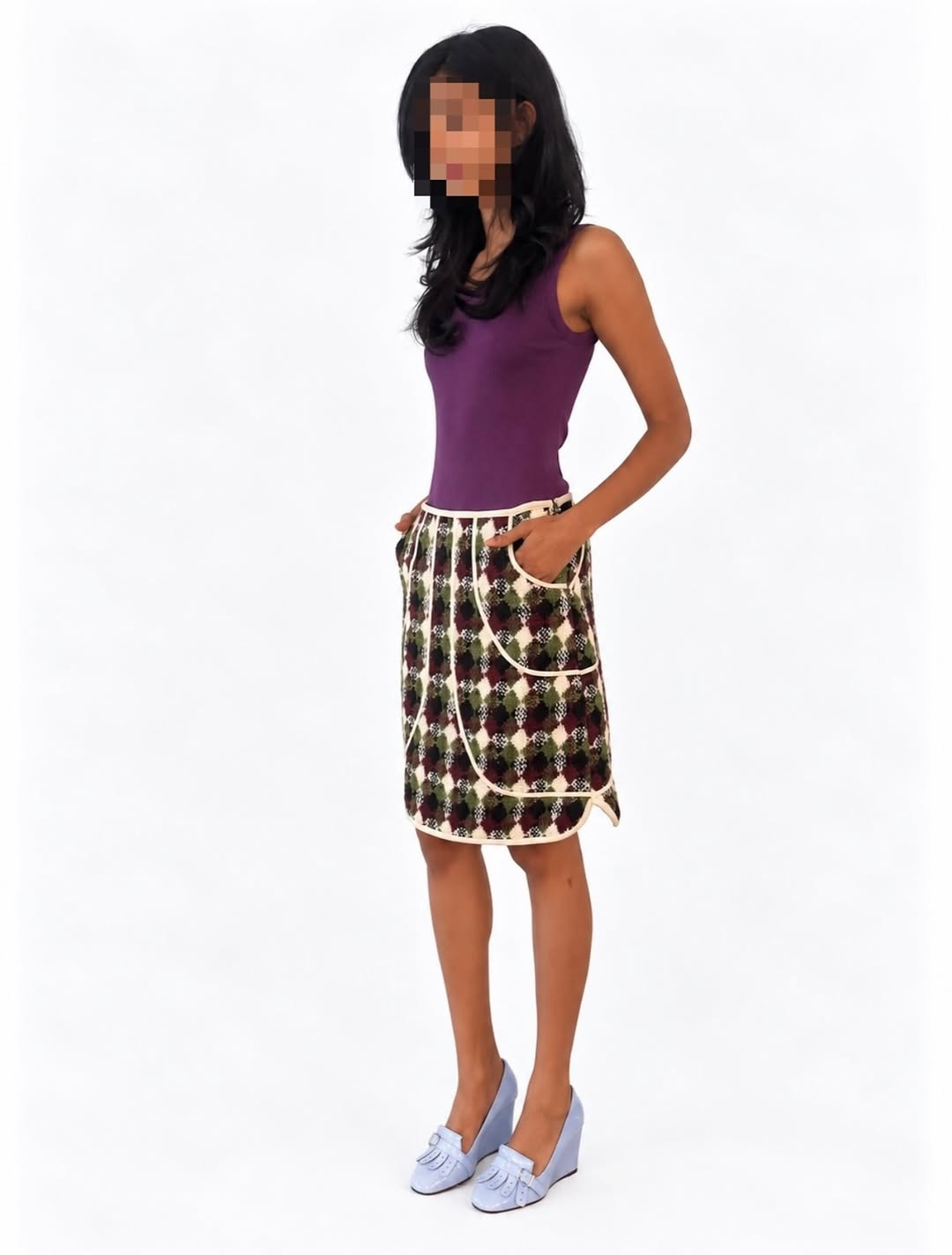
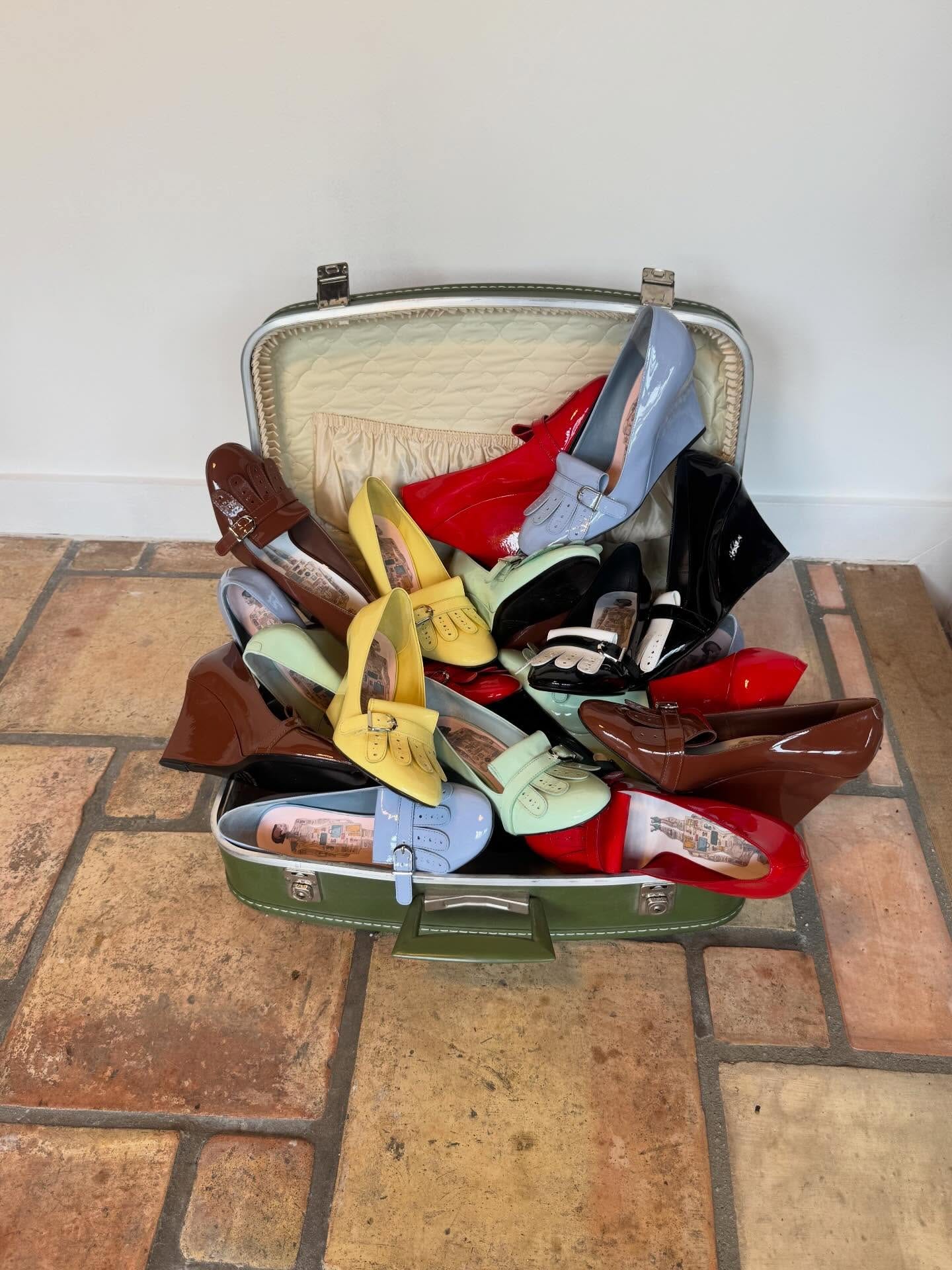
Your color palette is very beautiful and kind of hard to place. I’m thinking of many of your pieces, but more recently the range of colors on the work wedges. What draws you to the colors you choose?
What I’ve done is build the biggest archive of research. I have a folder on colors, and it’s either pictures I take on the street—of concrete with a slab of paint, or what an old man is wearing—or a painting, or a pencil with a nice rubber band. That’s how I reference colors. When I design, I look at my folder and see what I like.
Your label reminded me of a vintage Shetland sweater tag. What went into designing it?
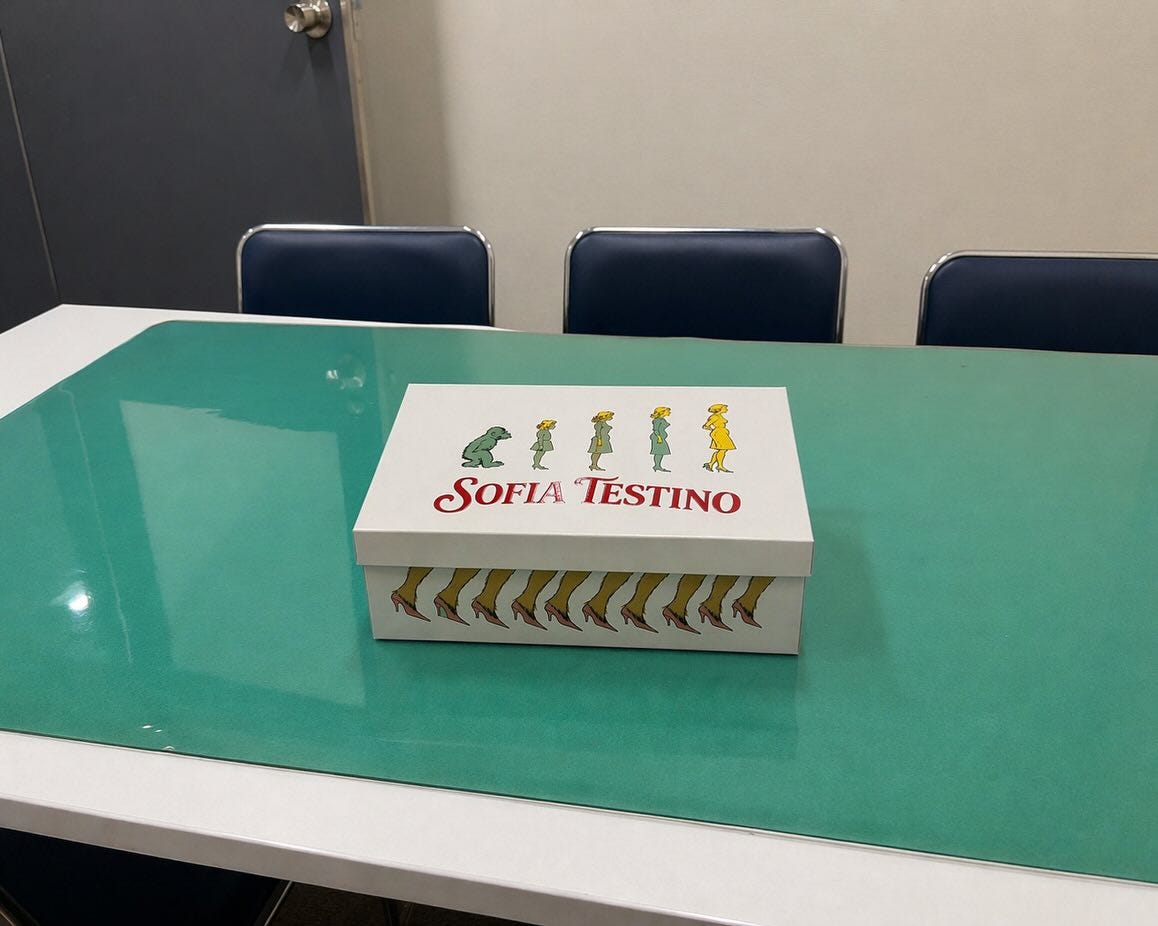
I feel like labels and packaging and all these little details have been lost, and now everyone just has a white-and-black logo. I think the little details are what differentiate me. Again, I have a whole folder of old vintage labels. I used to collect old uniforms from Ryanair and old flight attendant uniforms, and I liked the way a lot of them looked. I mixed and matched about 10 different labels and made my own, basically.
What’s your favorite thing you’ve made?
Honestly, it changes all the time. I really like the four-way zipper coat. My pattern cutting is fairly simple; the difficult bit is the details. But I like that it’s versatile, and I’ve never done something like that, so it was interesting to me. I also like that an old woman would wear it. I kind of want old women to want to wear my clothes.
How was your New York Fashion Week? What are your thoughts on fashion week as a whole?
Let’s say three seasons ago I went to the Valentino show, and Suzy Menkes was in the second row. That’s all I’ll say. You know what I mean? So, one: respect your elders. The people who truly have knowledge of fashion, who have studied it and been in the scene for years—those people have kind of been pushed aside, and that makes me really upset. Seeing Suzy Menkes in the second row truly devastated me.
When I do a show, I want people I actually think are cool and talented to be there, rather than just having someone there to get views. Which is also hard, because now everything’s views and you need to do it. But I want to find a balance.
Is there a scene of young designers in New York right now that you’re excited about?
I just moved to New York not that long ago, so I don’t really know any designers here. But I know London is so full of amazing, creative, talented people. I love the kids brand called Sol Sol Kids.
In that vein, how do you feel the creative cultures of New York and London differ?
I think it’s different because the schooling is different. American art schools are way more about the curriculum, whereas in the UK, it’s so much more about creativity. If I’d gone to school in America, I don’t think I would have done a collection by now, because it’s more about school than producing. I feel like there’s less freedom.
And I felt a certain freedom wearing crazy clothes in London that I don’t necessarily feel in America. I feel a lot more perceived here, without wanting to make a statement. When I first moved here, I was literally wearing jeans and a T-shirt. Every time I wore my Victorian gowns, I would get looks. I’m not going out to be stared at. I don’t want to make a statement. I’m just trying to wear my clothes.
Tell me about the outfit you’re wearing right now.
This is not a good outfit. I wouldn’t have worn this if I’d known this was the question. I’ve been working all day. I’m wearing my friend’s painted trousers—he’s a painter, and I stole them—an old Courrèges pink long-sleeve, and an airbrushed Elvis sweatshirt. But it’s really not much to give.


What’s an outfit that feels very you?
I love the 19th century. I love lace and silk. I’ve been collecting nurse dresses for a really long time now, so probably a nurse dress. Or a Victorian gown. Or a vintage fur coat.
What do you throw on when you don’t want to think about getting dressed?
Probably a dress, because you only have to think about one thing. And I have so many dresses. I have so many Victorian dresses, so probably one of those.
If you could design a uniform for one specific organization or company, what would it be?
I definitely need to do an airline one day. That’s definitely at the top of my bucket list. I also really want to do a bank. I’d also love to do a sports team—even MMA fighters. Or I’d love to do a hospital. Specifically a plastic surgeon.
What do you reach for when you’re bored with your closet?
If I’m bored, why would I reach for my closet? I would just go shopping.
What does a normal day look like for you?
I wake up at 7. I get up, brush my teeth and walk my dog at Tompkins. I go to the dog park for probably an hour. I chain-smoke a couple and reply to emails on my phone, or FaceTime my friends who live in Europe, or my parents. I’ll get coffee as well.
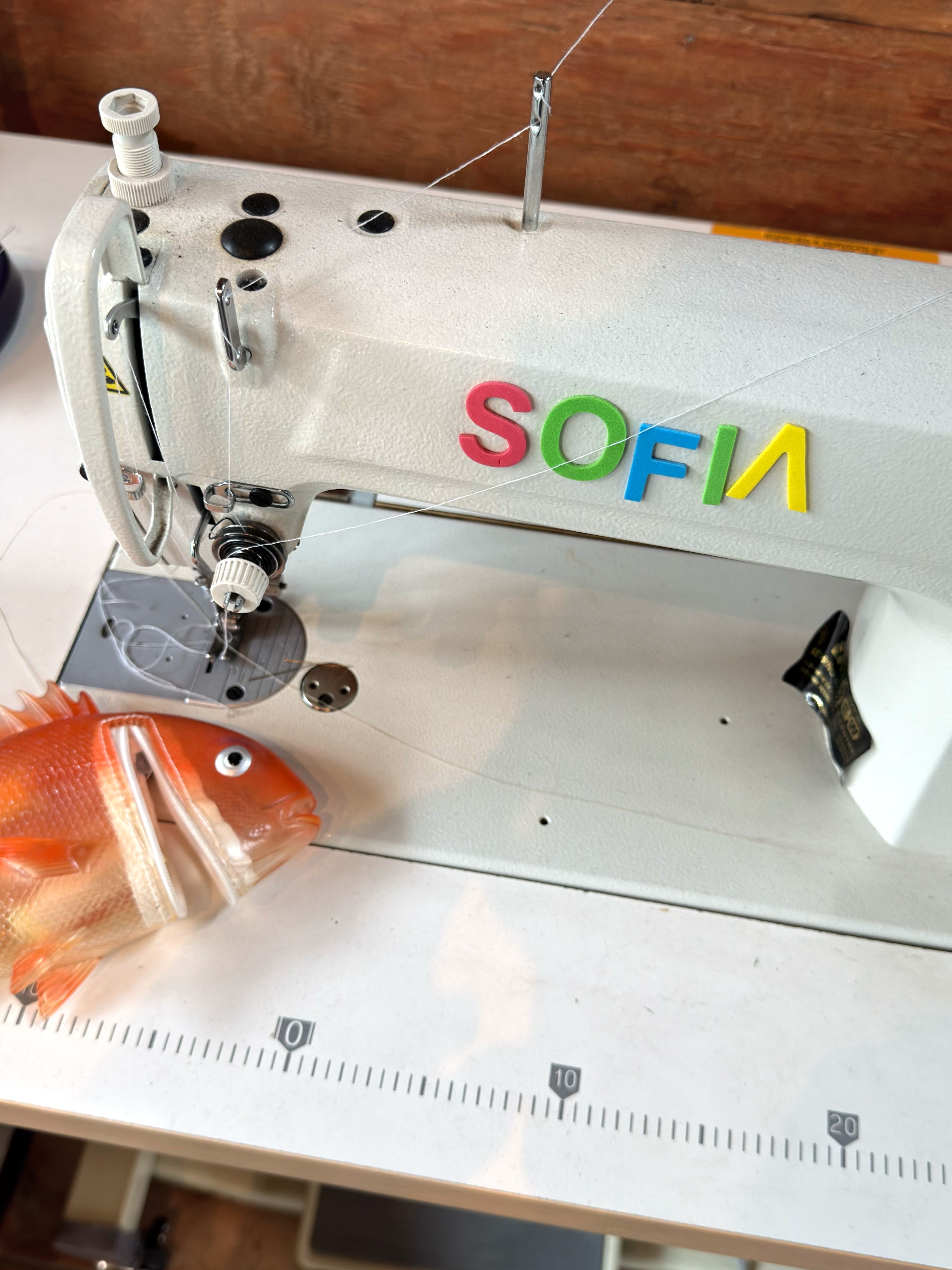
Then I come to my studio. Recently I’ve been designing my next collection. I’m starting with shoes, because that’s the thing that takes the longest to produce.. Today was a really productive day. I’ll just design, and then I’ll go through my desktop folders with all my research. My whole camera roll is screenshots from eBay, so I have to put them on my desktop and crop them, yada yada yada.
And then I won’t take a break until like, 8 p.m. I won’t leave my desk. It’s actually really unhealthy, and I need to get a better routine.
But you’re productive.
I’m really productive. Even on the weekend I work. I either go 100% work mode or 100% leisure. I’m so good at chilling too. If I’m on holiday, I can’t reply to an email on my phone. I’m allergic. I can’t.
What are your favorite things to do when you’re not making clothes?
Shopping.
Where do you like to shop?
I don’t really like shopping in New York at all, actually. I think it’s super overpriced. London was so good for shopping, but terrible for my bank account. I would get at least one new item every week, because of Portobello Market. I know it’s a bit rinsed now, but I would go on Friday mornings, when fewer people go. I’d go really early in the morning, when the sellers are trading stuff between themselves, so all the prices are a lot cheaper.
And there was also this one truck: they would get stuff from people who had died. There were loads of people waiting, and sometimes you’d get amazing stuff. One day it was an old kilt maker who had died, and he had the most amazing kilt fabrics. Some were 200 years old. They were incredible, and I got a 100-year-old kilt. It was really different every time.
But where I shop mostly is eBay. eBay is my life. It’s most of my research as well, and I spend hours on it. That’s kind of what I do in my free time, honestly. Or walk the dog.
My friends in LA go to estate sales too. I’ve always wanted to go to one, because rich people are dying, and the stuff they find is so ridiculous.
I think about it so much, because they’re my main source of inspiration, and I’m so sad that they’re dying. I think about it honestly at least twice a week. It’s really detrimental. I just want to take care of them. I really need an old friend. I want to take care of them and make them tea.
I feel like that can happen here.
I know. I’ve been trying to make friends at the park, but no one’s fucking with me. I don’t know what I’m doing wrong, but I guess something.
Are you reading anything?
Oh God. Lately, no. I can’t even pretend, I’m sorry. The last book I read was Cookie Mueller’s book. And that was pretty amazing. But then I realized I only really read autobiographies about heroin addicts and old rock stars, and I’m like, why am I reading this?
I don’t know why I’m attracted to those kinds of books. I guess because life back then, you didn’t know there were consequences. So you could live a certain life. Whereas now I’m so conscious of drinking too much or going out too much. Sometimes I check myself, and then I’m like, wait, I’m in my 20s. I’m allowed to be doing this, and this is what I should be doing. Obviously working as well.
Do you have a favorite book on fashion?
I’ve never read a fashion book in my life.