


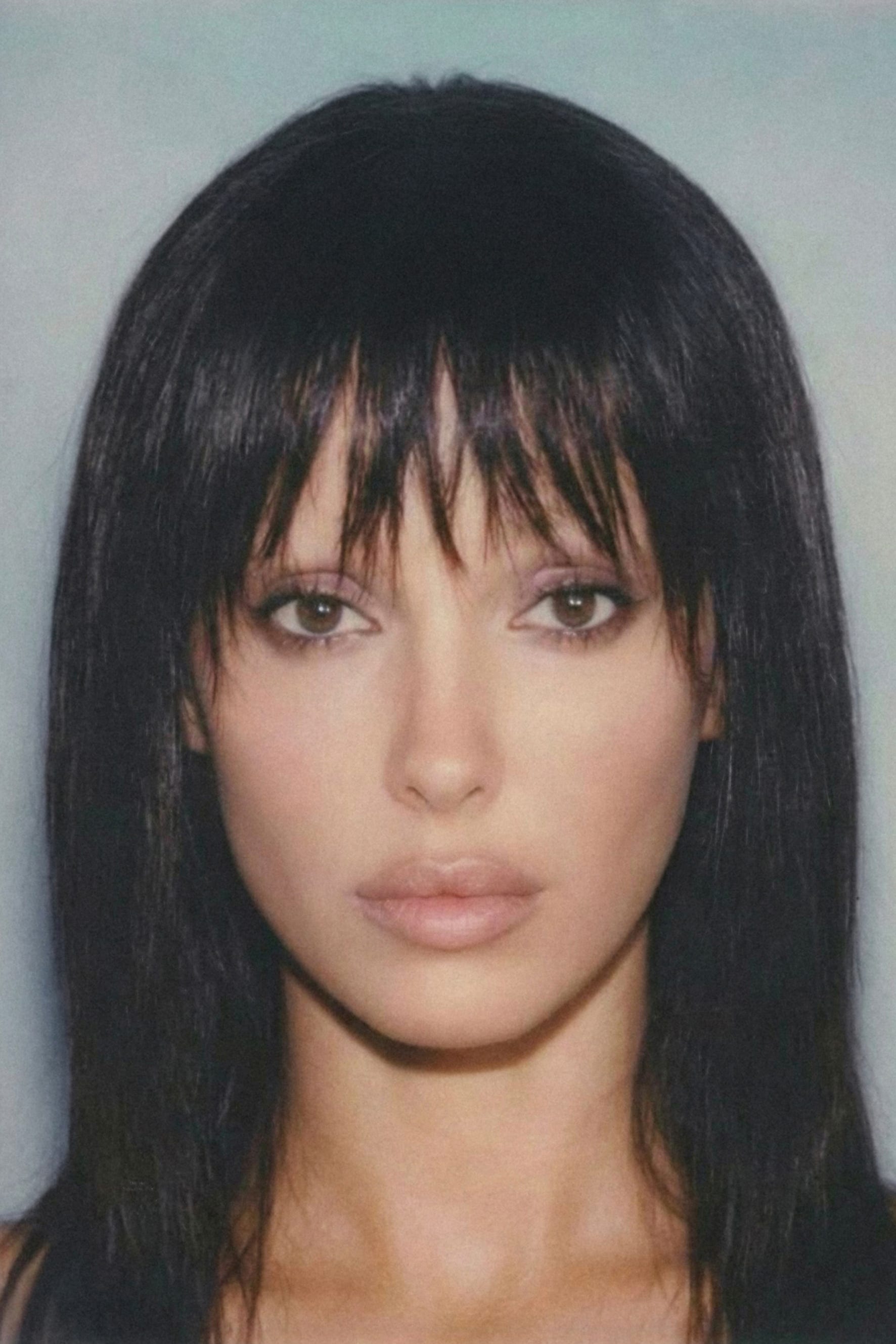
I don’t like interviews.
I read one recently with a male and female actor. The woman kept interjecting. ‘Watch your words, they won’t translate over text.’ This left more of an impression with me than anything either of them actually said. Words, especially written words, are sanitized in real time - snatched out of the air and nailed down. Ambiguities and potentialities are stamped out until language becomes less a living thing than a forensic artifact - flattened into evidence, stripped of tone, scent, timing, breath. A sentence stops behaving like weather and starts behaving like built form.
Everyone changes. We do so all the time. Some change, some growth, requires destruction. I’ve always been interested in destruction, particularly through the lens of plasticity - not in the diluted self-help sense of neuroplasticity, but as the philosopher Catherine Malabou defines it.
Plasticity is the capacity to give form, receive form, and destroy form. I’ve had that line memorised since university. I can recite it on command, like a prayer or a threat. People often confuse plasticity with flexibility, but they are almost opposites. Flexibility is passive. Flexible things bend to pressure. Plasticity is generative. It creates. It ruptures. It survives its own destruction by becoming something else.
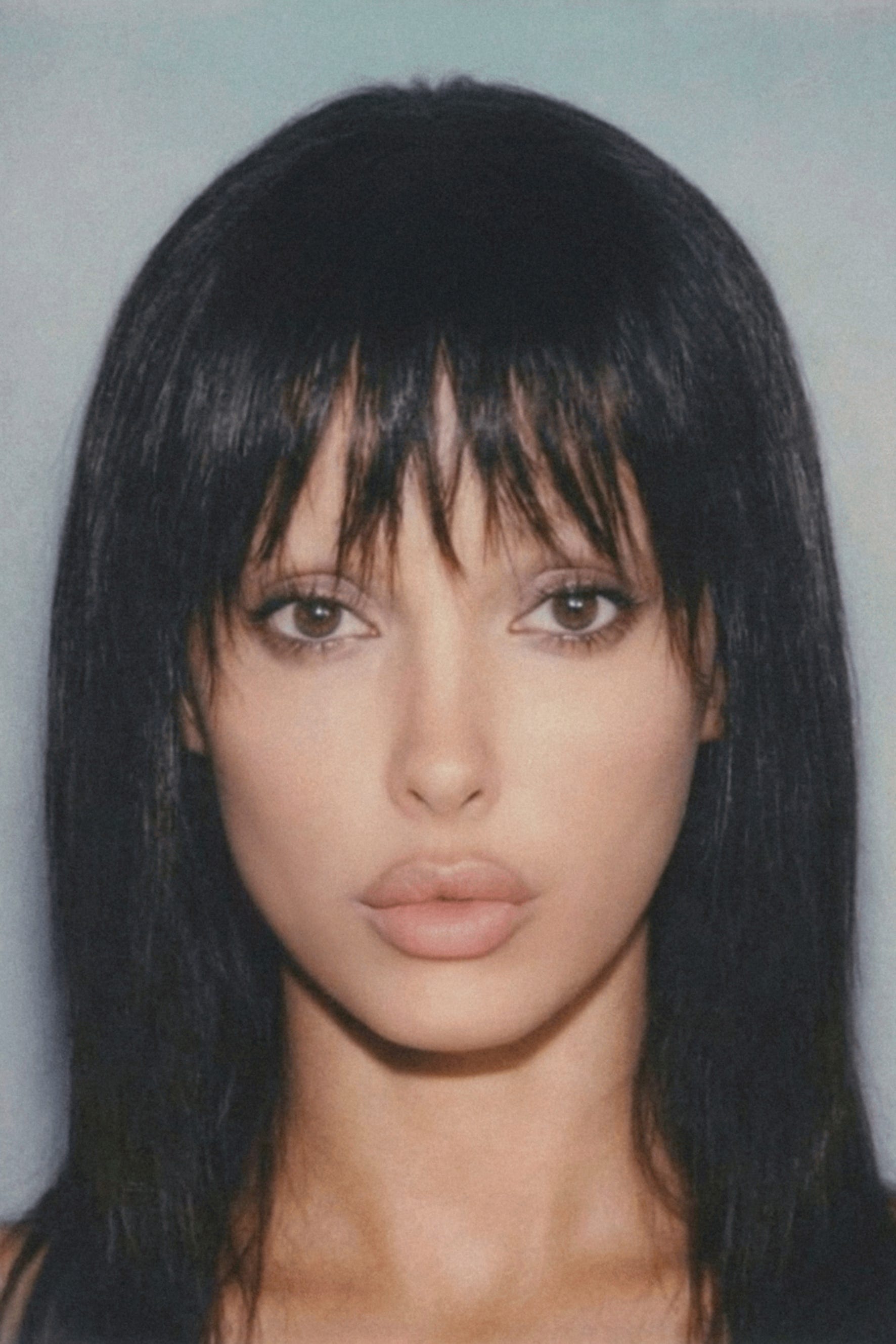
Malabou writes about this in relation to the brain, identity, trauma, and transformation, but I think it applies to everything: architecture, relationships, public image, womanhood, performance, selfhood.
Form is never final. Identity is not fixed. Personality is not fixed. Belief is not fixed. Some structures collapse slowly. Others detonate all at once. But what interests me is that destruction is not the absence of form - it is itself a form. The outline of something new appears precisely where the old thing breaks apart.
Plasticity refuses permanence. It refuses the fantasy that a person can be cleanly defined, captured, stabilised, or fully known. Which is probably why interviews make me uncomfortable. This flattening of complex or dangerous realities is the first step towards insisting that people say things they know aren’t true, which eventually leaves us blind to the nature of reality, both awesome and awful. In the second volume of Dune, Lady Jessica of the Bene Gesserit warns Paul Atreides: ‘You will see the beauty, the beauty... and the horror.’
I’m just as interested in the horror as I am the beauty.
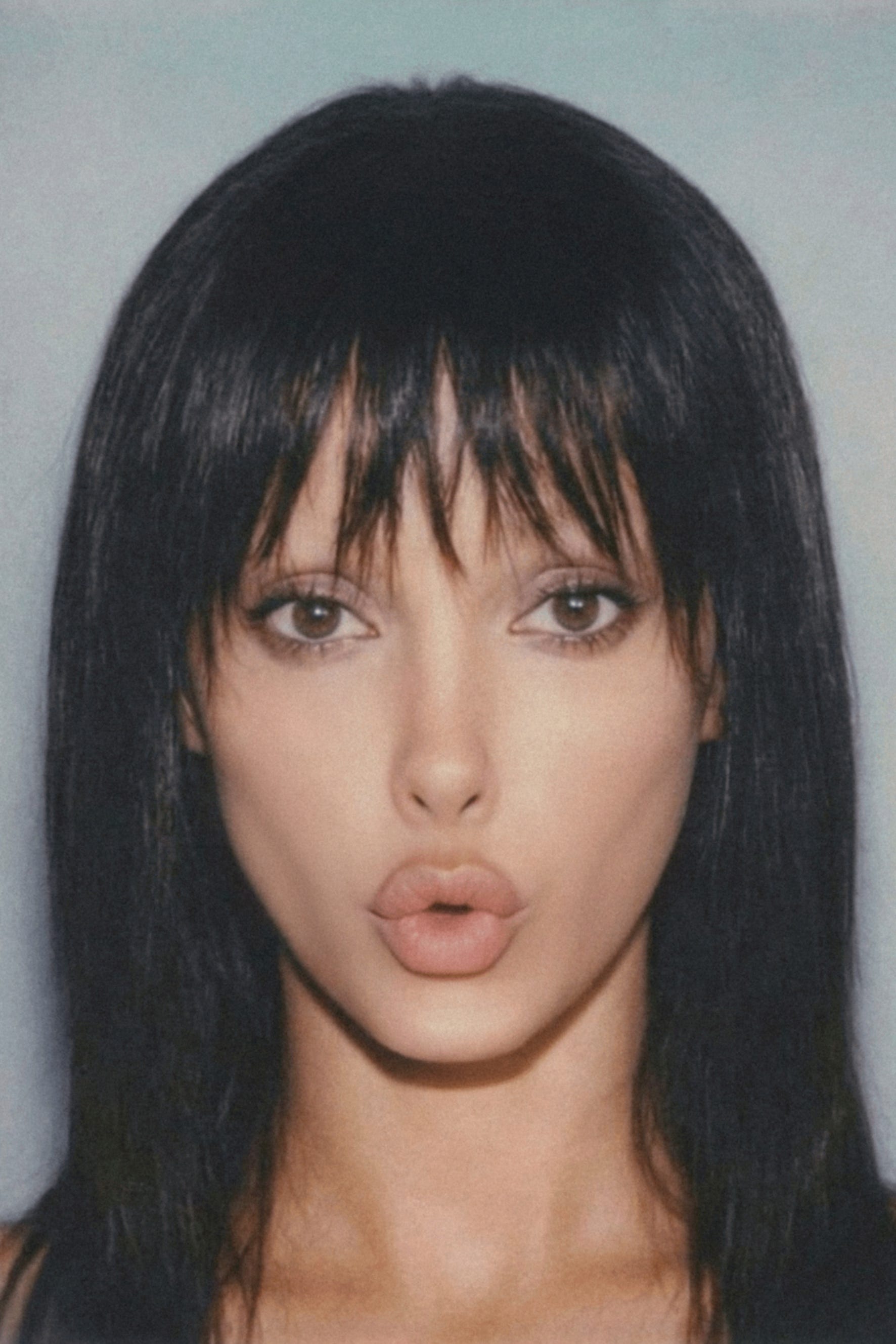
I’ve only done one interview. I read it back and couldn’t fully recognize the person they interviewed. But it was nice to be asked. I enjoyed the invitation to self-absorption. For a moment, you’re allowed to speak entirely about yourself. That’s the whole point, so no one can judge you for being self-involved. Still, I can’t be too annoyed. I tend to vacillate. Maybe I mean oscillate.
God mode to mouse mode and back again. Sometimes I feel (like) everything. Sometimes I feel (like) nothing. I am untethered; I explode and collapse according to my internal state. This can be difficult to engage with. Women are expected to exist within a narrow bandwidth of socially acceptable self-perception.
Anyway, I was sitting at Chateau Marmont with an art dealer, discussing my furniture. My first show includes furniture. The next seven don’t. I’ve been designing this body of work, and the seven shows that follow, for half a decade. If anything, the more accurate word for me is calculated. Calculation is only considered negative when applied to a person. A calcula-TOR is useful – even essential. A calculated woman is suspicious. The mechanism is the same. Only the context changes. Context is everything.
Nudity on a red carpet is abnormal. But so is anything other than nudity in a bathtub. For the record, I like both.
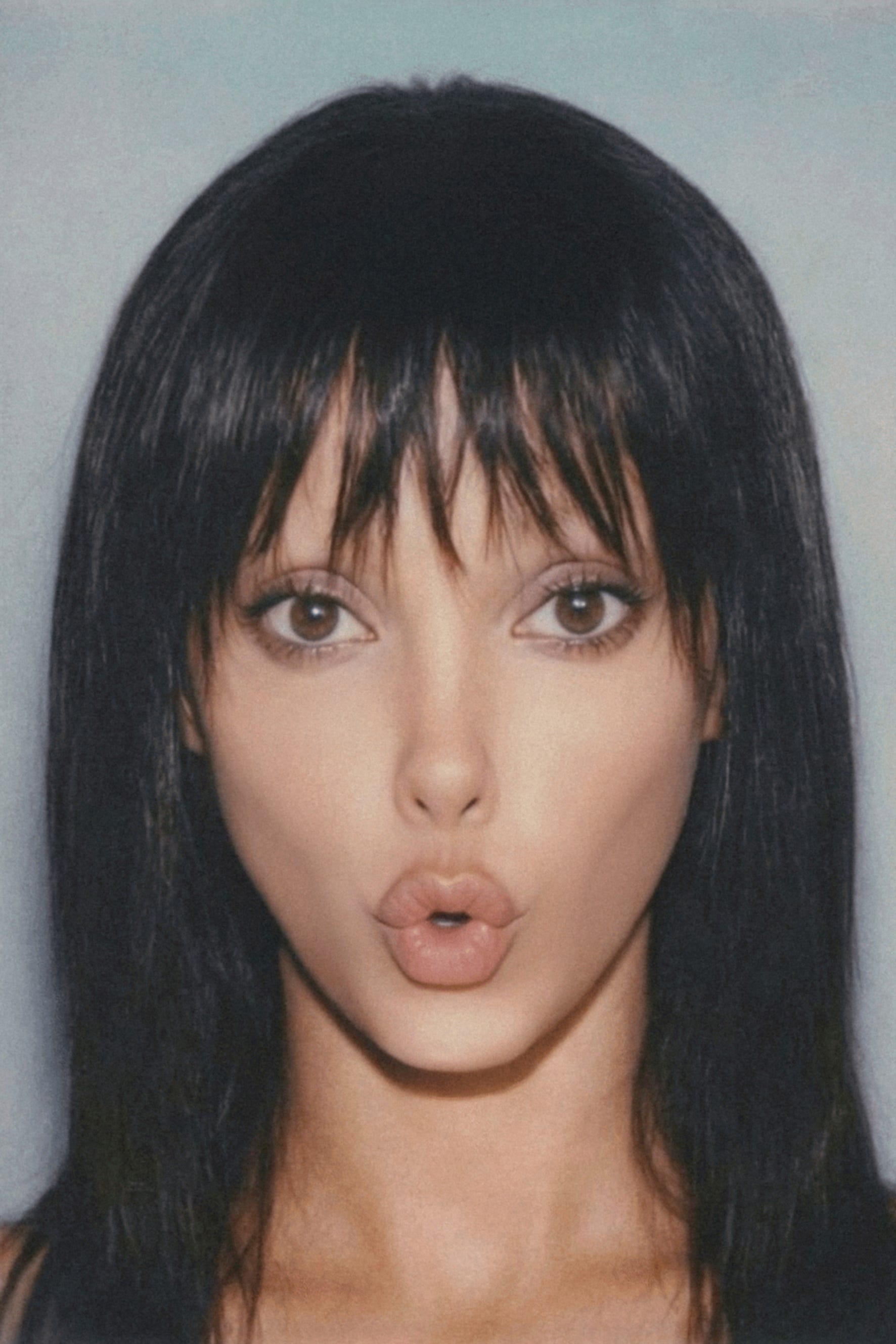
This cycle of work consists of seven pieces over seven years.
Seven is a magical number. Biblical. Mythological. Mathematical. The ancient Sumerians used it to mean ‘totality.’ There are seven chakras. Seven Holy Sacraments. Seven heavens in Islam. It’s the number of colors in the rainbow. It’s the only number between one and ten that’s neither a factor nor a multiple of any of the others.
Throughout the history of our species, seven has been used to represent everything and also to signify an outsider, or odd one out, often simultaneously. It’s also the number of books in my favourite series Harry Potter. I’ve always collected things. Facts, mostly. Like a little human computer. When someone mentions a topic or person in conversation, I retrieve a fact I know about it in response. Sometimes it’s exact. Sometimes it’s slightly off.
I think it’s my way of engaging without fully exposing myself. Sort of like submitting an essay in response to a request for an interview.
The dealer was sweet. Interested. She asked if I could perform at the gallery, as though I were a circus act, as if I have performances sitting ready in my back pocket to produce on command. Maybe she thought I was a lion tamer. I felt flattered, but also misunderstood.
The piano was too loud, so I couldn’t hear properly. I kept repeating myself, trying to explain the arc of my work in different ways. None of them seemed to land. She was trying to understand the concept of ‘BIO’ and ‘POP.’ I put my Roy Rogers down, looked her directly in the eyes, and said:
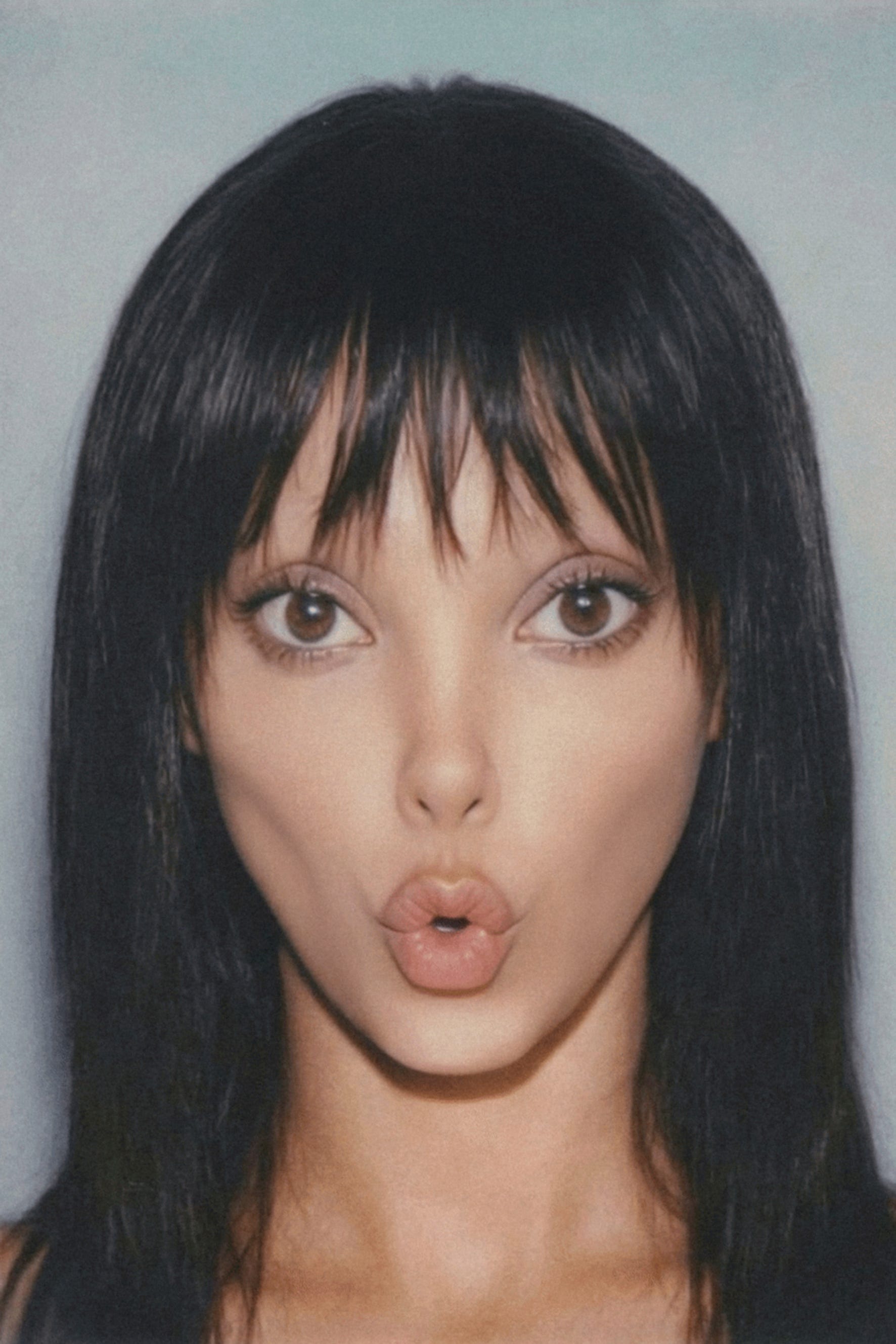
“I am pop art!”
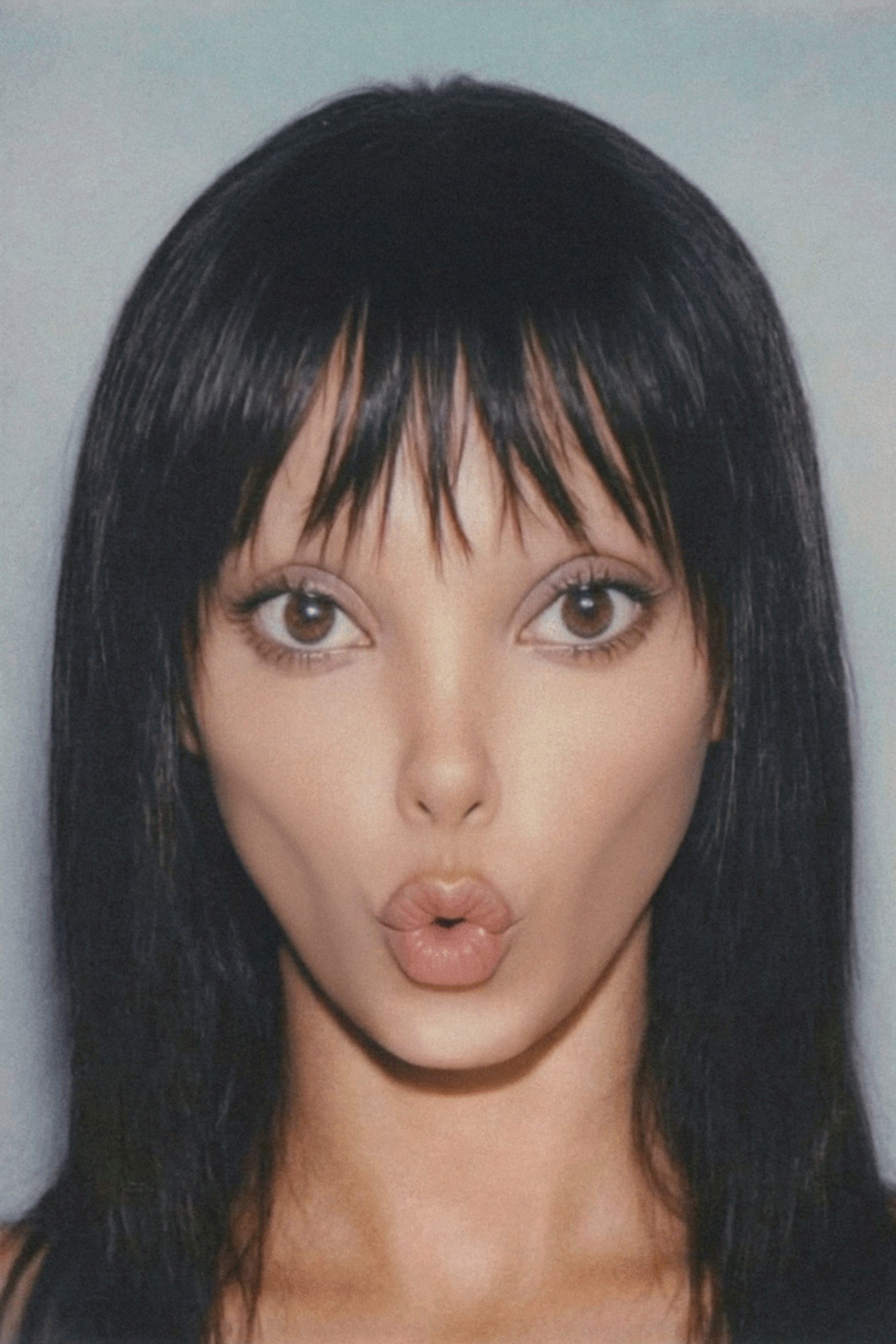
Not because I believe that in any fixed sense. But because when I feel misunderstood, I swing in the opposite direction. God mode. And then, inevitably, mouse mode. At night, I lie awake and feel the weight of existence in a way that has nothing to do with material lack. I feel misunderstood. I wonder if I will ever be known in the way I know myself.
When I think about interviews nailing down their subjects, I can hear the hammer on the nails. I can see them forming this irregular hexagon, sealing the lid on a coffin. My coffin. And then I’m in that scene from Kill Bill and I gotta get my karate on to punch myself back out of there before I run out of air. I rest my head on my husband’s chest, mindful of his sore shoulder, tears streaming, and I ask him if any of this is worth it. The world feels barren in those moments - like a desert, and I fear that I will never be accepted, never be known. But once my eyes close and the morning brings a change of season and it’s spring again. The grass is green and the flowers have bloomed and I’m back. I used to smoke cigarettes and read The Easy Way to Stop Smoking. A few chapters in I thought, am I being brainwashed? And yes, I was.
That’s when I realised the power of repetition. Repetition is conditioning. It taught me how easily belief can be constructed. I testified in court recently and I saw an article in Rolling Stone the following day describing me as an “enigmatic performance artist.” I thought, wow, okay. Is that description warranted? I’ve only done one show. I had repeated the idea of ARTIST so many times, so precisely, that it was now reflected back to me as fact. Coronated in print. Or maybe they said it cause I was wearing a pencil skirt. Very enigmatic indeed.
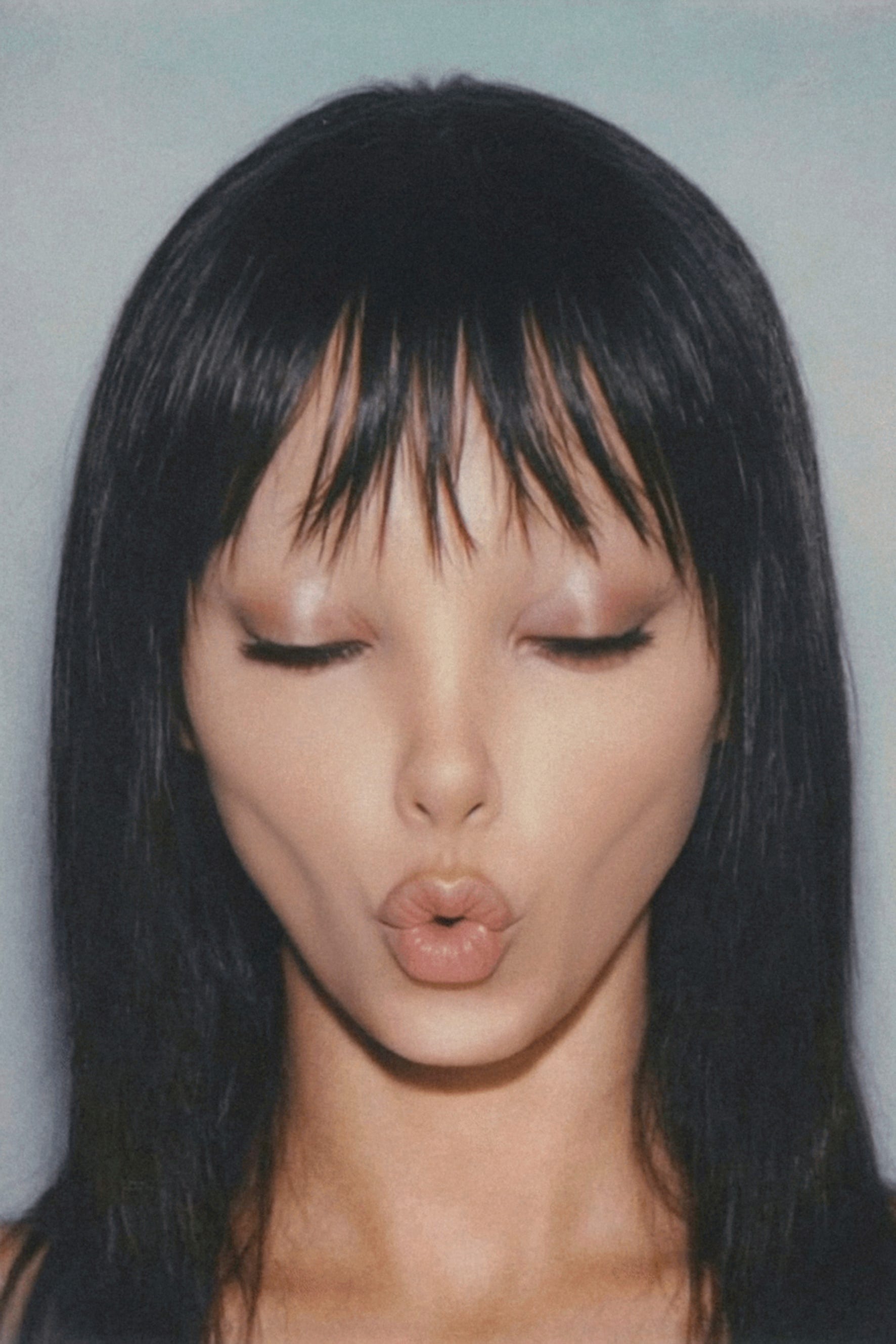
I’ve been asked to do many major covers as long as ‘something in my life had changed’ (I think you can infer what that means). Interviews. Even a documentary with a major network. They asked to facilitate couples therapy on camera,
perhaps because any narrative given to the world in a digestible format necessarily involves some degree of fiction.
For my art show, BIO POP, I worked with a public relations guru for the first time, hoping that this time TMZ wouldn’t simply reduce me to what I wore, or didn’t wear.
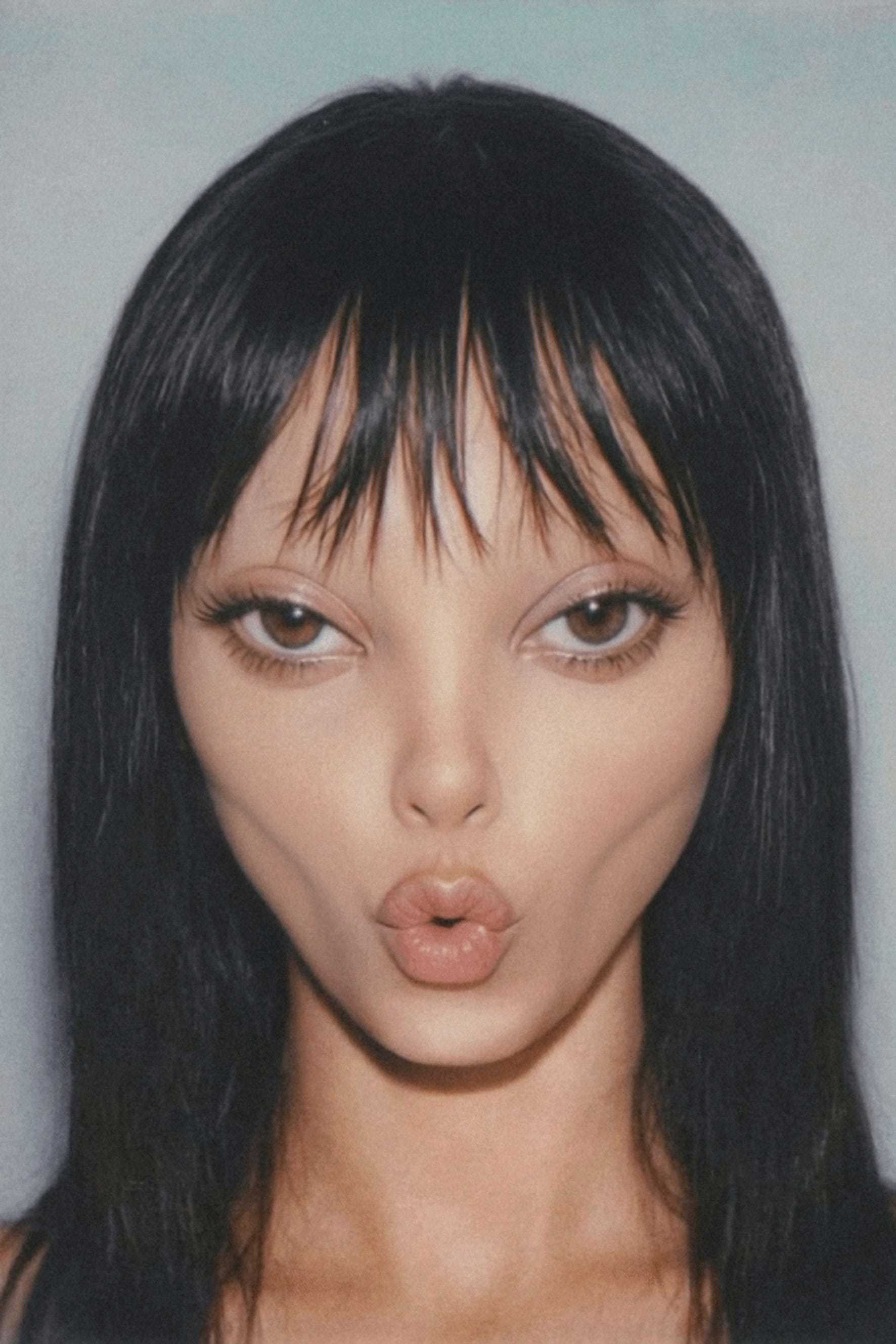
They still did, obviously. She told me I needed to do interviews to explain the work. I agreed at first, but then I didn’t want to, so I had one of the performers dressed like me and answer in my place. At one point the interviewer looked at both of us, and asked: “Are we actually having a conversation?” Which in turn made me go on a rant about consent. That you cannot force someone to speak if they haven’t given it. Which is slightly ironic, because speaking is the premise of an interview. I guess that was my way of saying no.
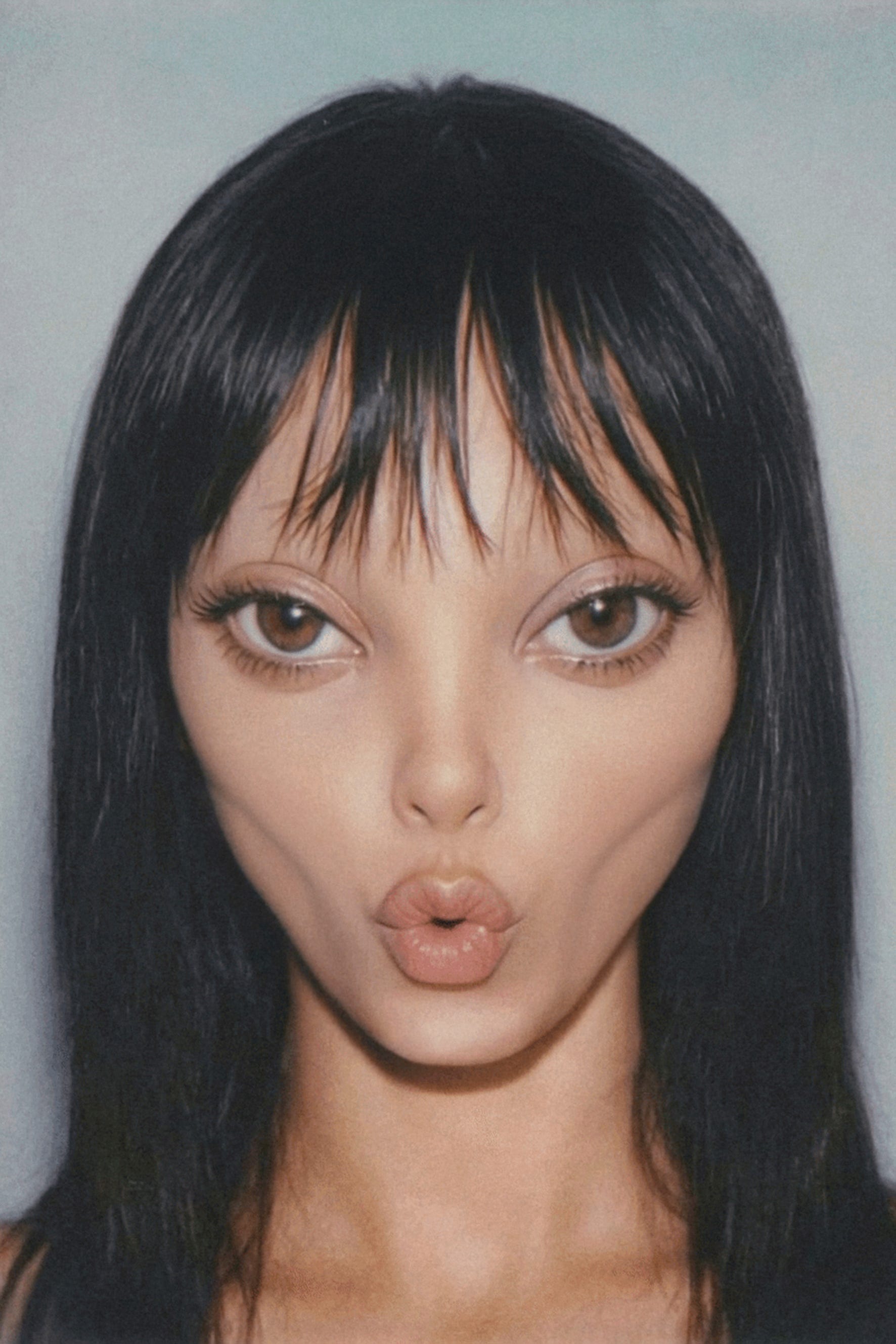
I didn’t read the questions POSTPOSTPOST sent me.
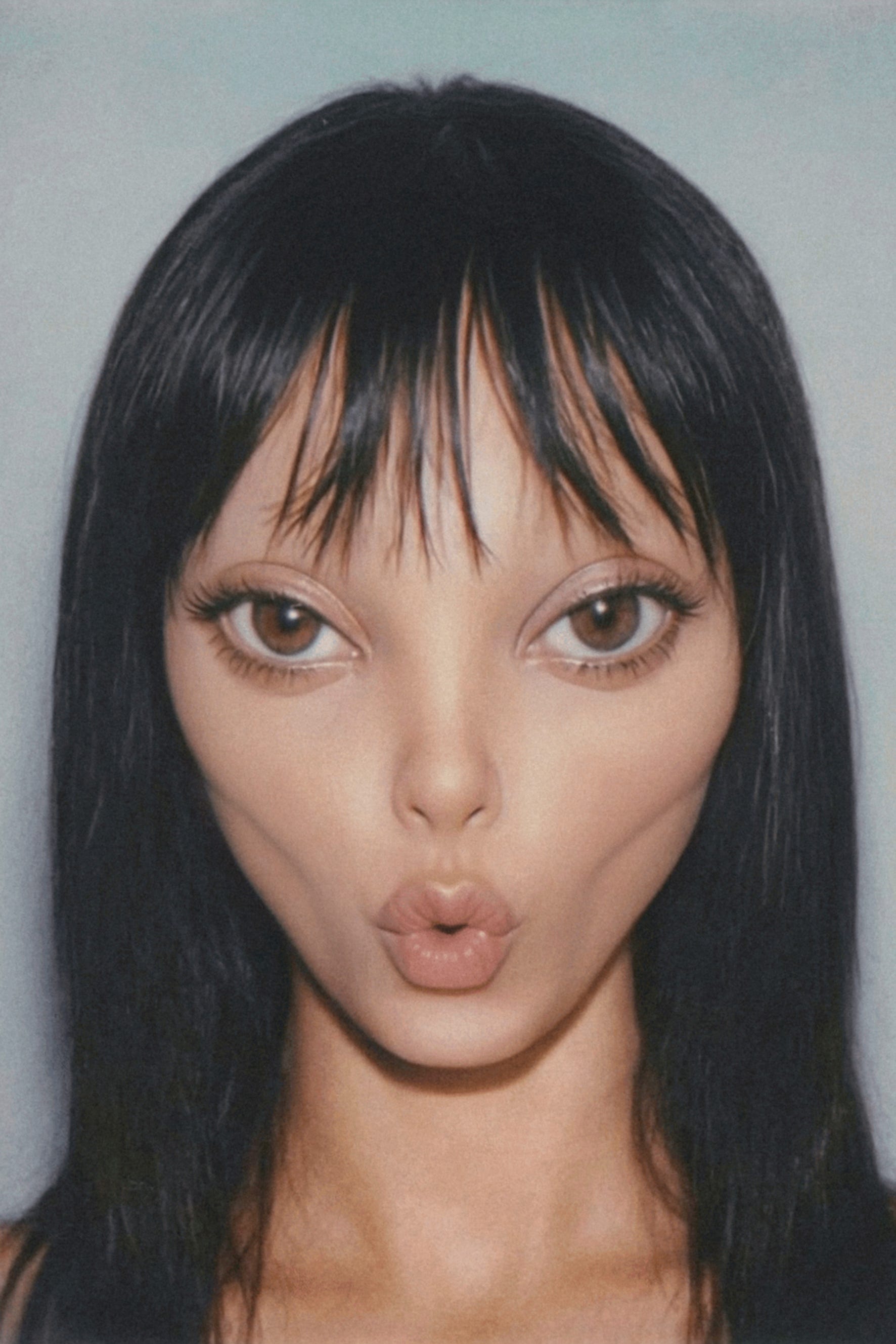
Arrogant, maybe, but the whole process belongs to the uncanny. Namely – this issue.
What does the uncanny mean to me?
It is the moment something is destroyed and reborn into something new and familiar, but at the same time peculiar. My husband and I were reading about bipolar episodes when I came across something an anonymous reddit poster wrote that stayed with me.
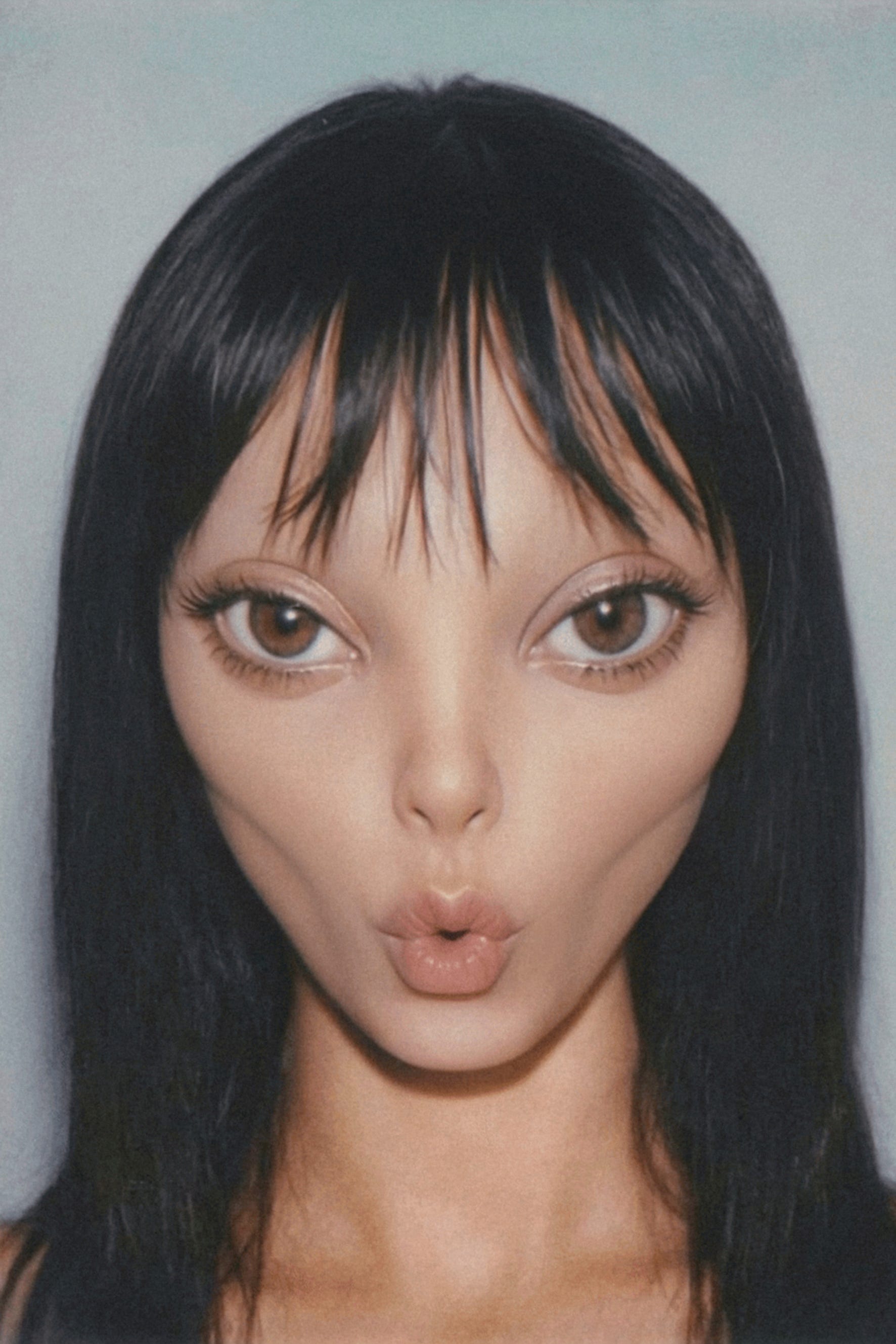
They said bipolar disorder makes you realize your sense of self isn’t tied to your actions, beliefs, or ethics, like everyone thinks it is. Because all of those can dissolve and reconfigure, depending on your state of mind. The only thing that remains consistent, the only thing that might be true, is your ability to reflect on them.
Interviews structure, distill, repeat, and abridge something that isn’t stable. But you can’t make people digestible like that. It’s not how identity functions. Identity breaks itself. It reforms and renews itself. It contradicts itself. It explodes and collapses.
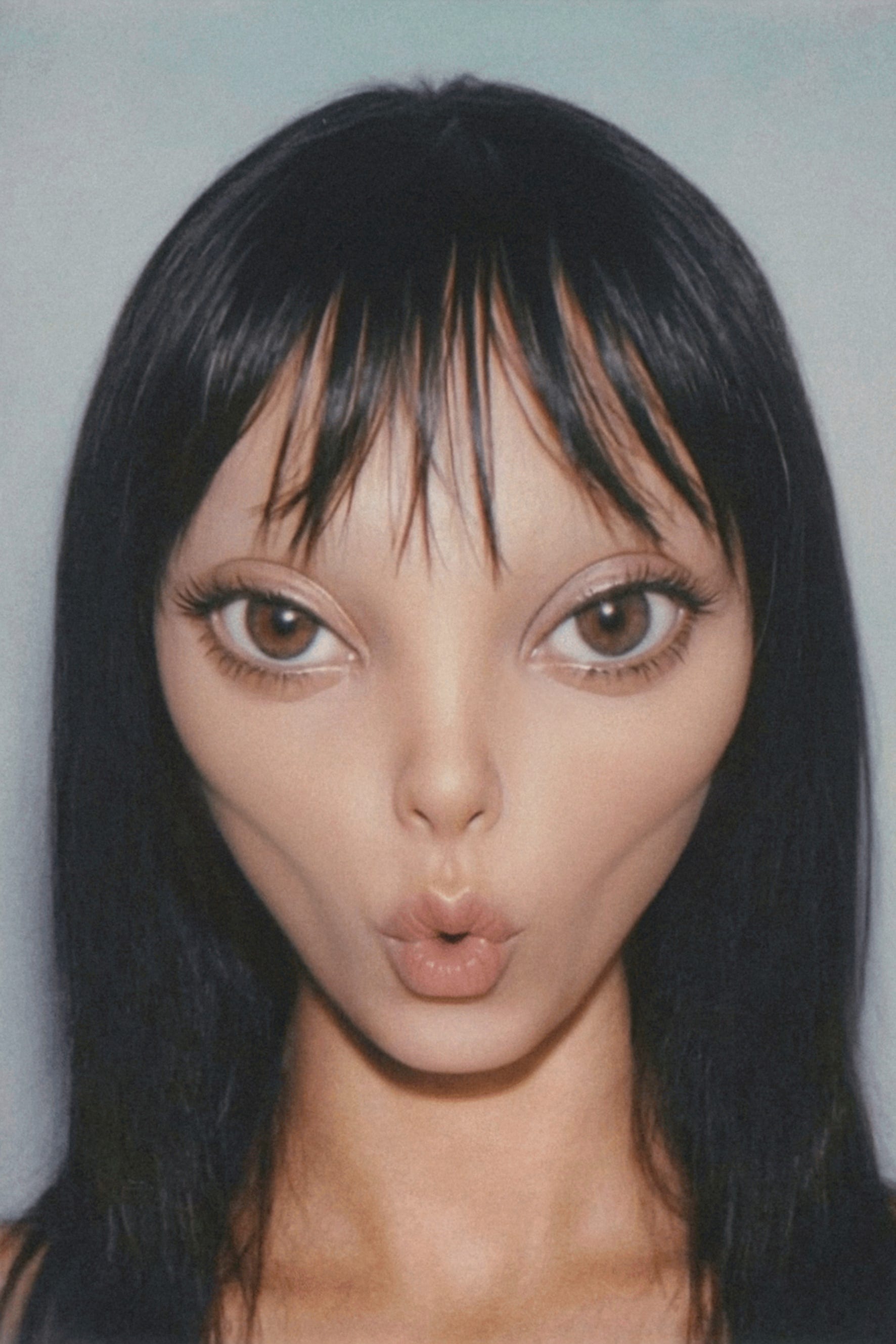
Where old forms break, you see in the outline of the new the regenerative power of destruction, which is not the absence of form, but the manifestation of
new form.
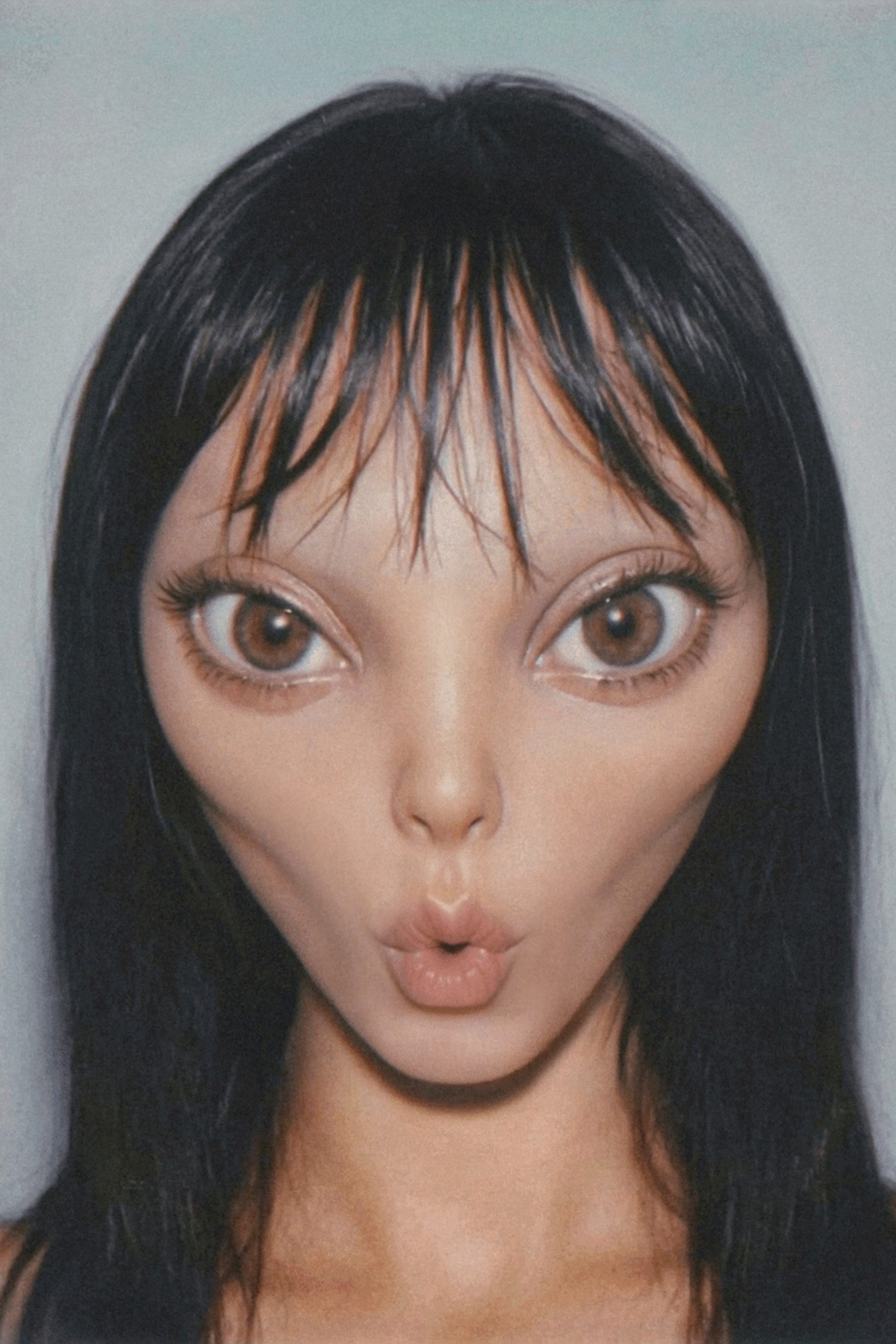
So, no. I won’t give you an interview.
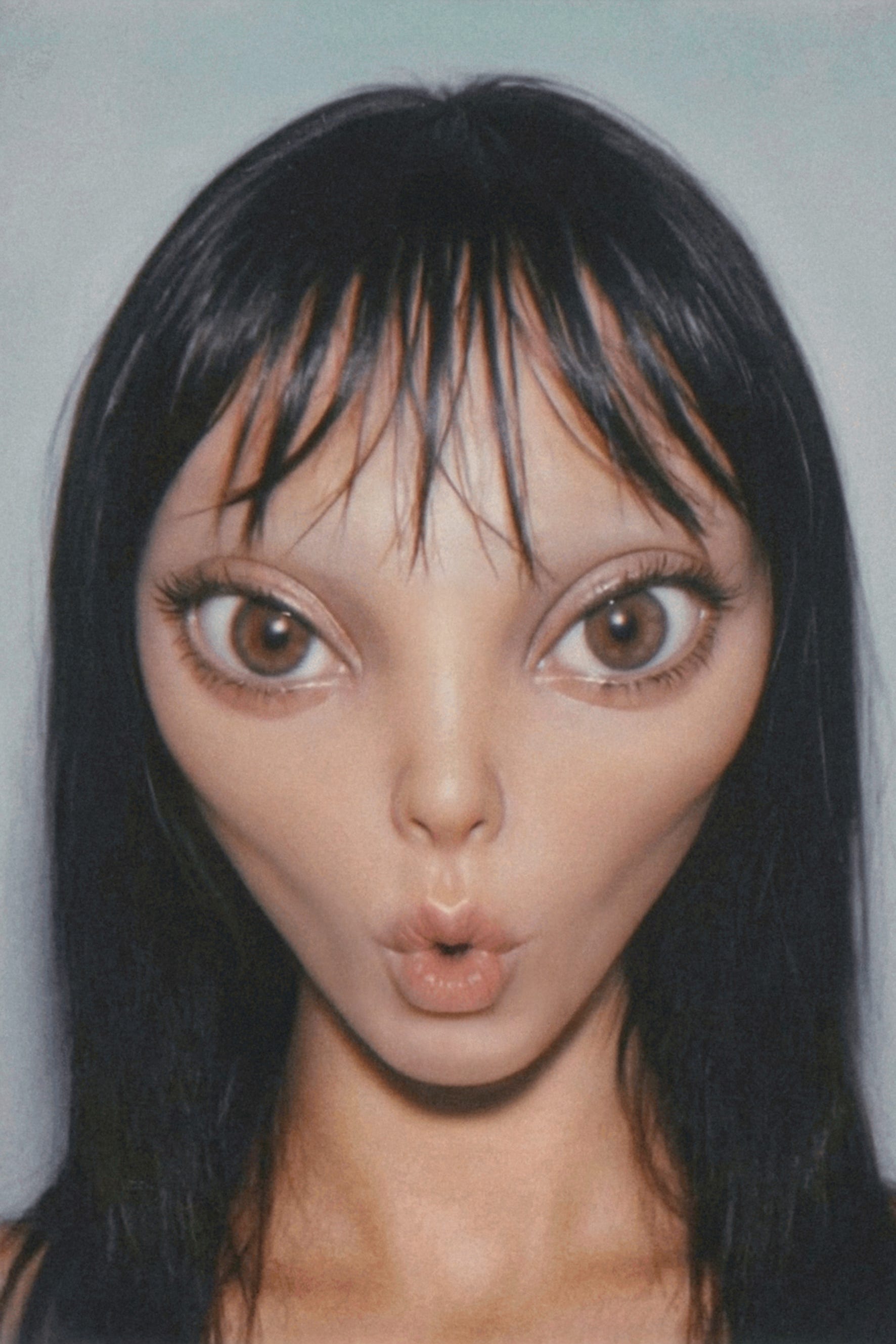
-
Photographer: James Orlando
Artist Collaboration: Biuro
Hair: Jake Gallagher
Makeup: Bianca’s own
Executive Producer: Leo Becerra
Originally written by Bianca Censori in response to an interview inquiry by POSTPOSTPOST.
I enjoyed this. I think Bianca makes people uncomfortable in the way she plays the game of the attention economy. Whether you like it or not, it works, and there is something quite Warholian about it. If soup cans can be art why can’t nothing be a dress?
The way she describes plasticity is so compelling. The feeling of being deeply misunderstood generates an endless desire to create and destroy, each time with a little more intention. Maybe this is the true and primal nature of us all. It’s almost biblical when you think about it - God wanted to be known so it created something in its image, destroying and banishing its creations that didn’t reflect the understanding it was looking for. I love reading pieces from people who think deeply and feel deeply, this was fab.