


In recent years, Gothic aesthetics have permeated just about every artistic medium, underground and mainstream alike. And while this trend has been apparent for some time, it reached new peaks in 2025. Frankenstein is one of the season’s biggest movies, and Charli xcx is doing an album for a Wuthering Heights adaptation. Opium and Drain Gang are in advanced stages of ascendency and have spawned many aesthetic acolytes. The images lay people post on Instagram have become more Gothic too.
Any aesthetic development in today’s information landscape has layers, competing causes, and overlapping currents, and today’s Gothification is no exception. Our culture can’t support coherent and universal trends anymore, and understanding our Gothic is an archaeological task of untangling threads.
So let’s try. What follows is an anatomy of this Gothic current, from the contemporary examples, to the motivating factors, to the historical context needed to make sense of both.
-
Before doing any of that, it’s helpful to know what ‘Gothic’ means. The term derives from the Goths, a Germanic people with a habit of invading Rome. When Gothic was first used to describe an artistic product in the 1500s (about 400 years after the Gothic period began) it was intended to derogatorily invoke the Goths’ crude barbarism. ‘Gothic’ meant medieval and primitive, as opposed to the elevated harmony of classicism.
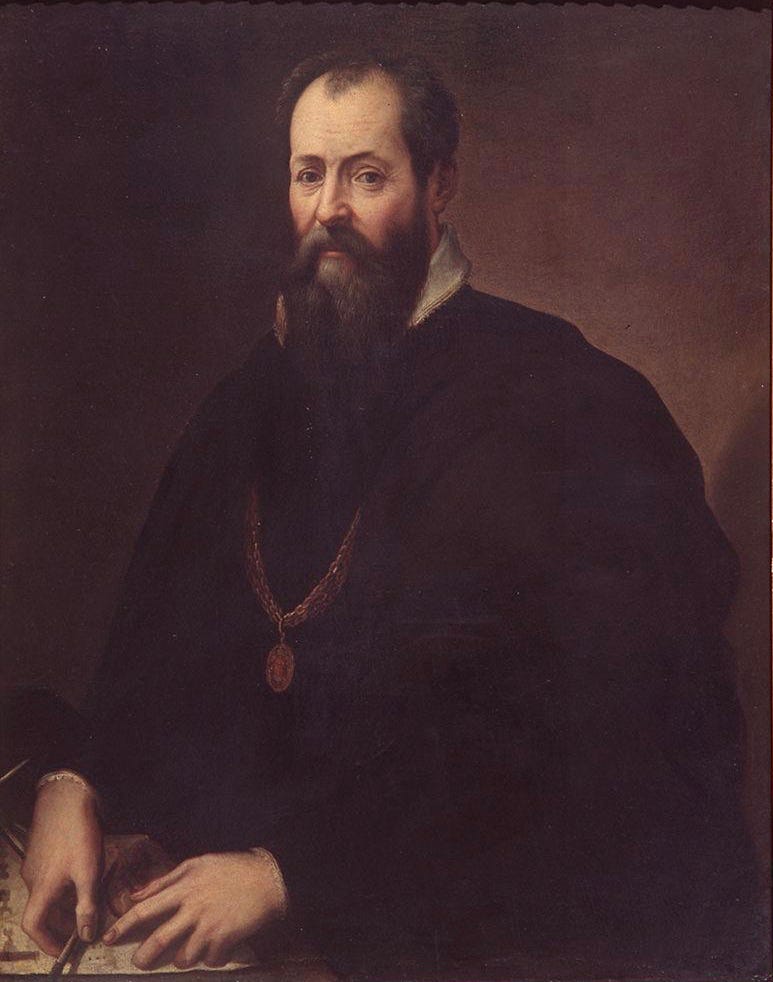
Over time the term lost its stigma and developed a new meaning. In today’s usage, ‘Gothic’ denotes material thematically concerned with the supernatural, the interplay of darkness and beauty, the uncanny, and emotional intensities that exceed rationality. Formally, it is characterized by dramatic contrasts, elongated and exaggerated forms, intricate detailing, and a shadowy atmosphere. Often, it references an imagined medieval past.
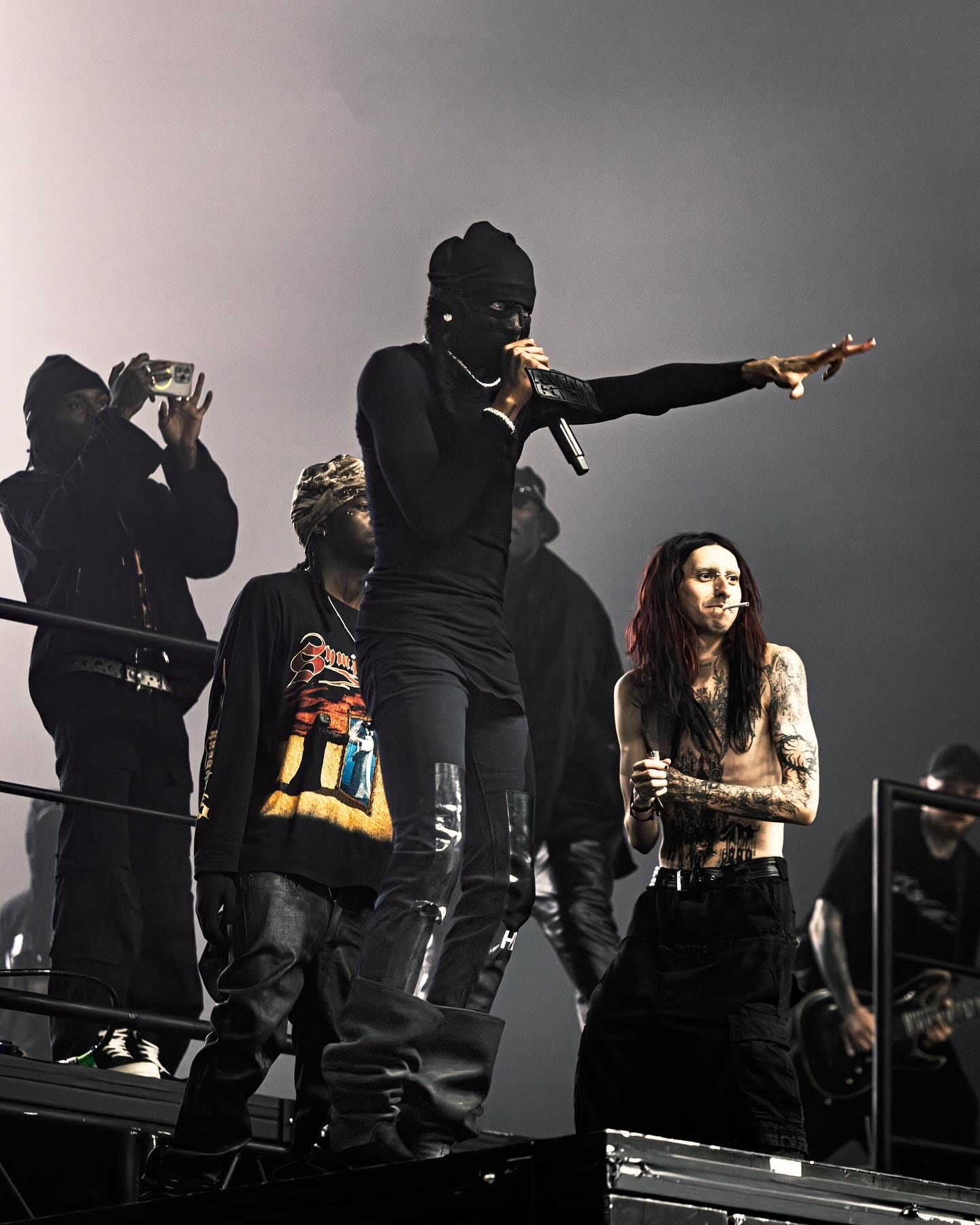
Under this contemporary definition, many of our leading artistic figures could be considered Gothic. Playboi Carti is an obvious one. His and Ye’s shared muse, Burberry Erry, is very Gothic indeed. Bladee is, and so is Fakemink.

In the mainstream, Ethel Cain is a textbook example. (Her aesthetic points towards a contemporary Gothic progenitor, the electronic group Salem.) Even Chappell Roan’s recent tendency to dress like she’s at a Renaissance fair qualifies.
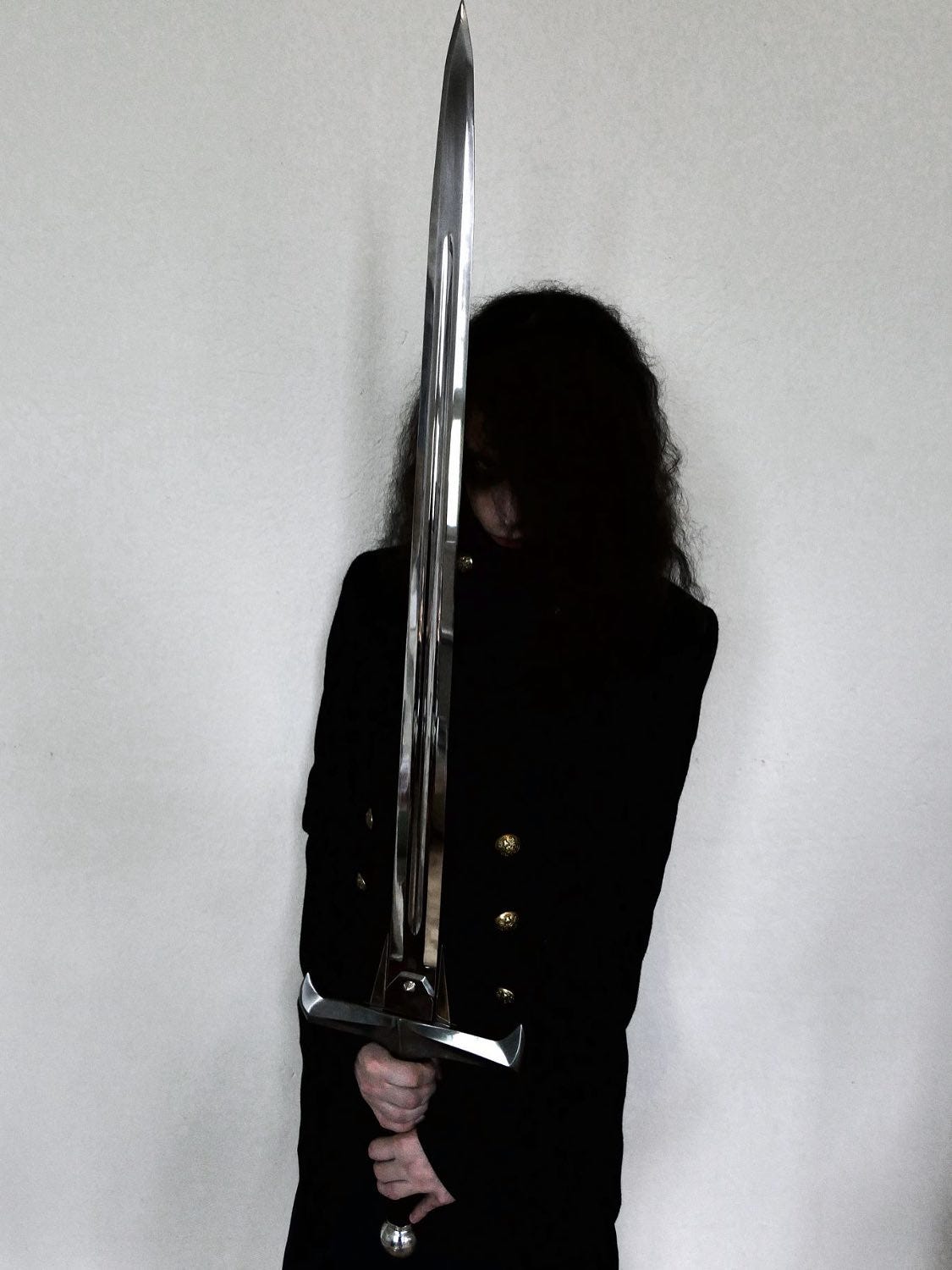
Photographers like Briscoe Park and Female Pentimento are aesthetically Gothic, as is (more sparingly) Maya Spangler. Indiana420’s work is nothing if not exaggerated.
HJR’s airbrushed works (which you can find extended analysis of in More Information 2025) explicitly feature the interplay of dark and light, and Henry Tuori, one of the most talented graphic designers working today, deftly references the medieval in his pieces.

In high fashion, terminology already exists to describe multiple Gothic variations such as boho goth, Gothic Western, goth glam, and soft goth. And what do we make of the fact that, recently and briefly, the most desirable objects were small monsters with sharp teeth?
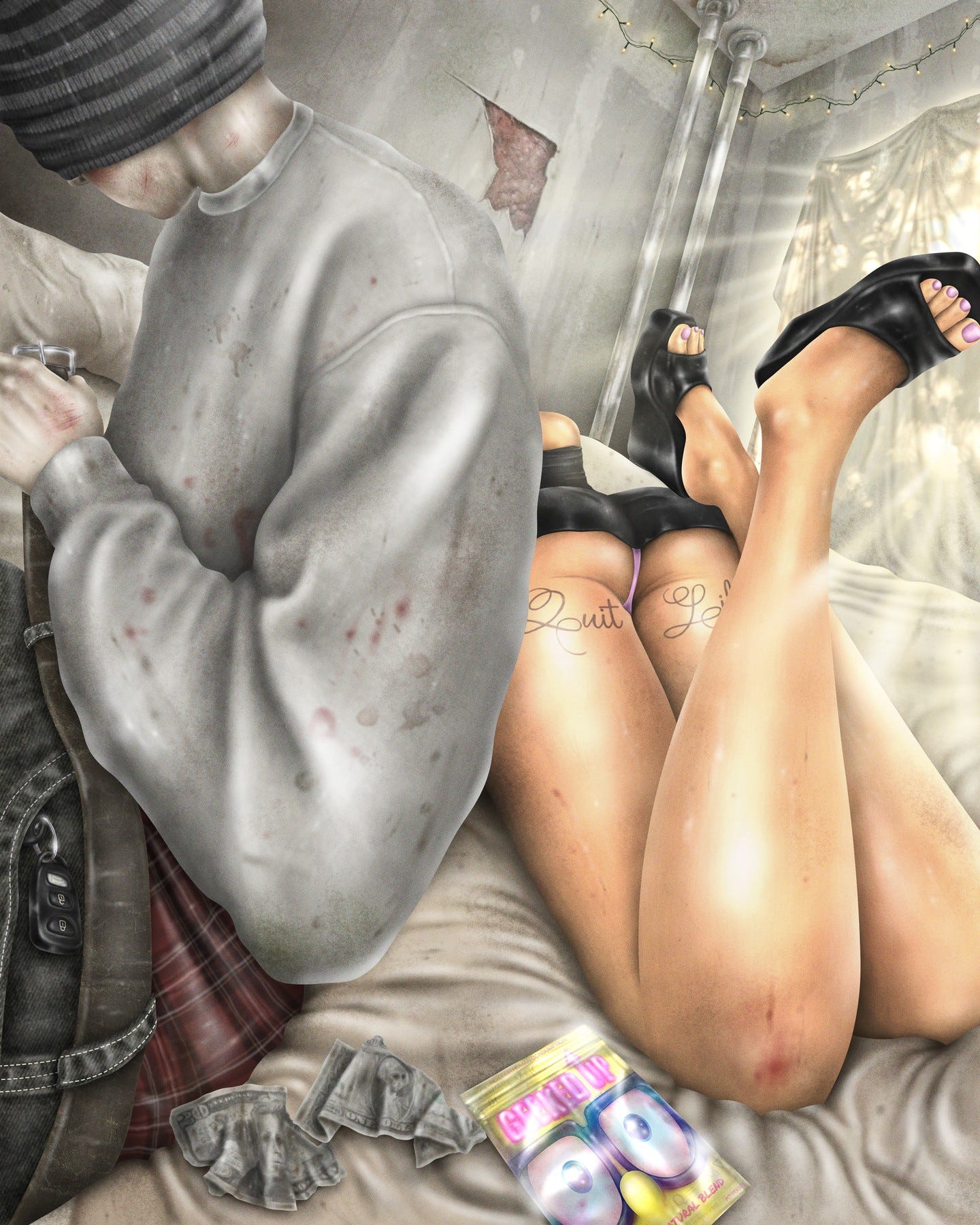
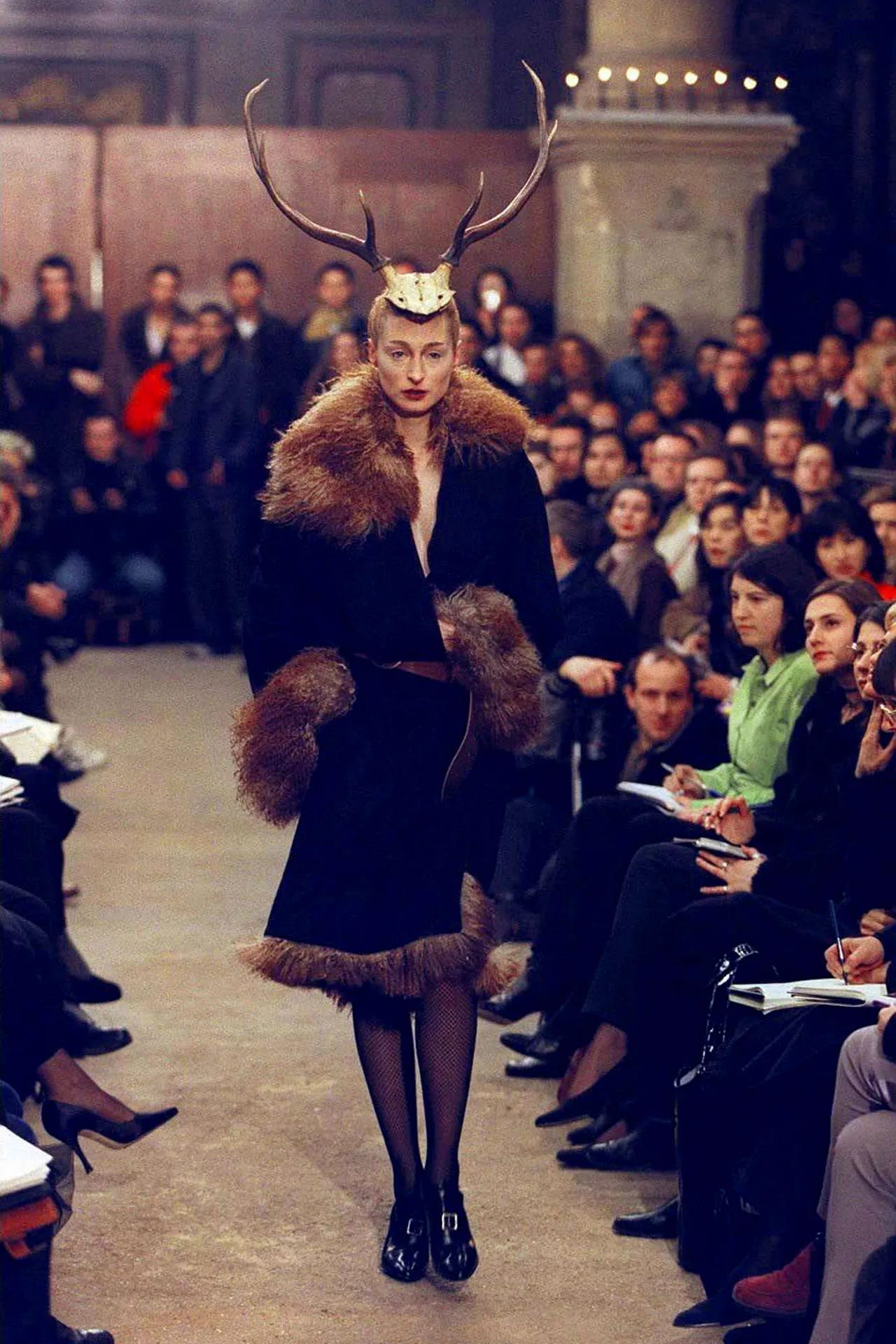
It’s not as if these examples are without recent precedent. The Gothic has surfaced repeatedly in the last half-century. The Emos and Punks were inspired by the goths of the 70s and 80s. ‘Street goth’ was an important fashion paradigm in the early 2010s. Tumblr platformed a widespread aesthetic adoption of Gothic visuals, and McQueen was only one of many such runway adaptations.
But today’s turn is accompanied by a collective cultural consciousness that is itself very Gothic. We can see it in the sincere predictions about the emergence of a supernatural being (supersentient AGI). Or in the rejection of contemporary lifestyle values in favor of more traditional ones in the realms of romance, leisure, religion, and nutrition. Or in a digitally available imagery archive that allows the past to bleed into the present. These developments have unique particularities, but together they harmonize. And in a culture that is no longer monovocal but choral, when we hear harmony, we should listen.
-
These are just examples. The question is why this movement has emerged, and where it is heading. A common theory is that our world’s increasing chaos and oddly medieval nature (think plagues and neo-feudalism) endears us to the medieval aesthetics of the past. This mirror hypothesis is compelling, but neglects the fact that what has spurred Gothification in the past is not chaos, but disenchantment.
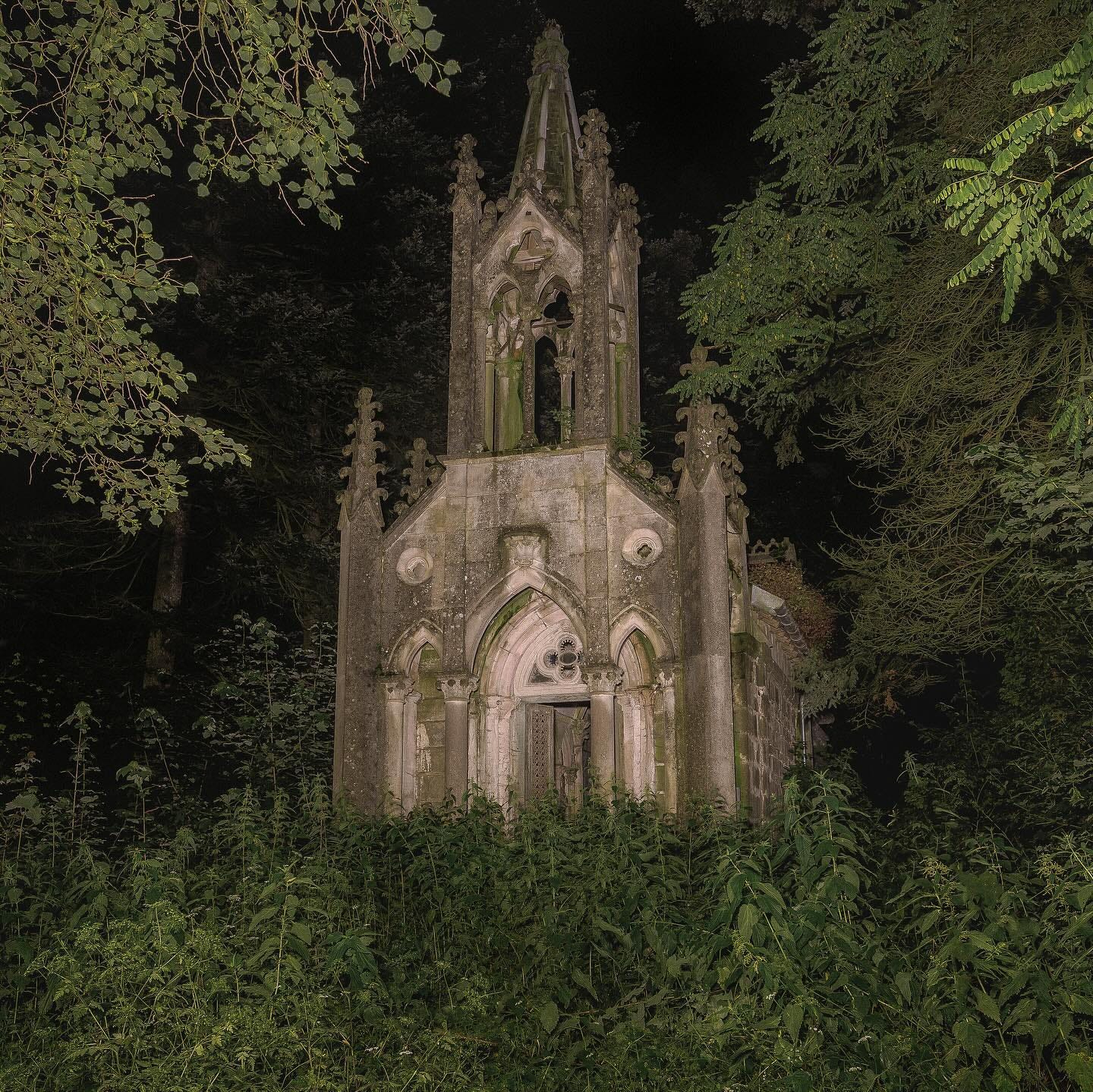
History’s Gothic revivals are numerous and tangled up. They have occurred on different timelines in different mediums, and the nature of global communication meant they were somewhat regionally specific. They do, though, share some general characteristics.
It is crucial to note that, with the exception of its original emergence, Gothic aesthetics are always a form of reference. The periods responsible for much of the Gothic art available to us today were revivals that emerged hundreds of years after the original. And the medieval past referenced is usually simplified and filled with mythic tropes.
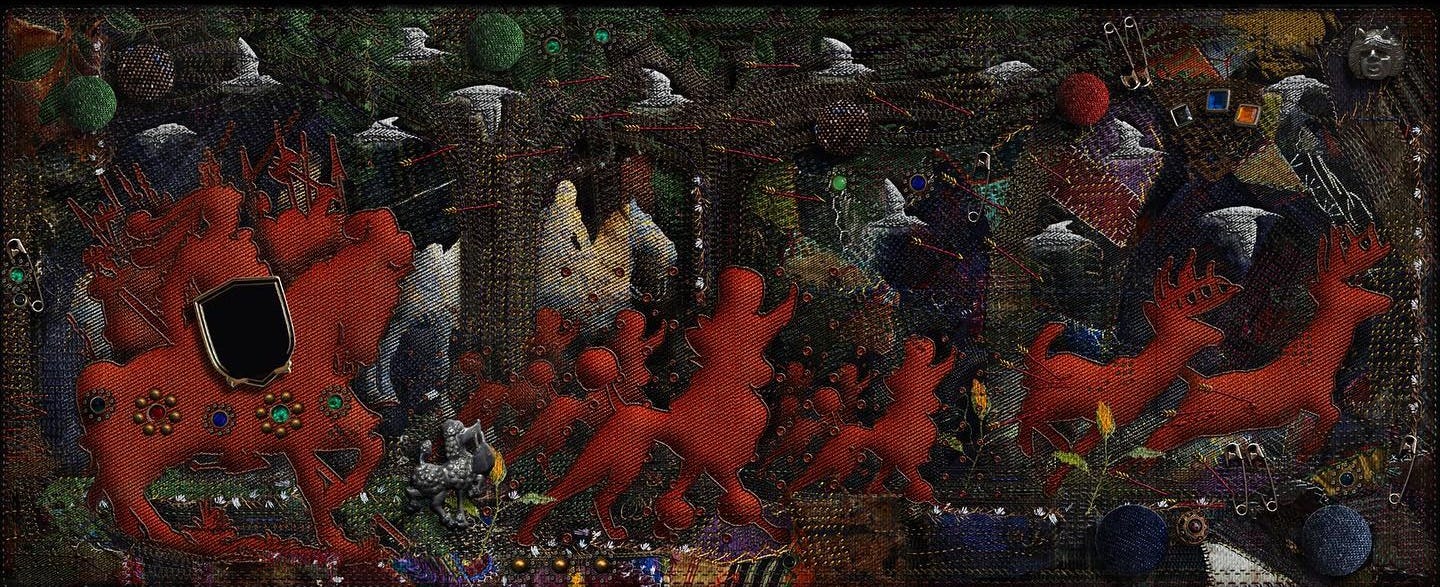
If Gothification is a reference to the past, it makes sense that it emerges when there is a general questioning of the foundational values and assumptions of the present. Generally, Gothic aesthetics intensify when there is discontent with contemporary life.
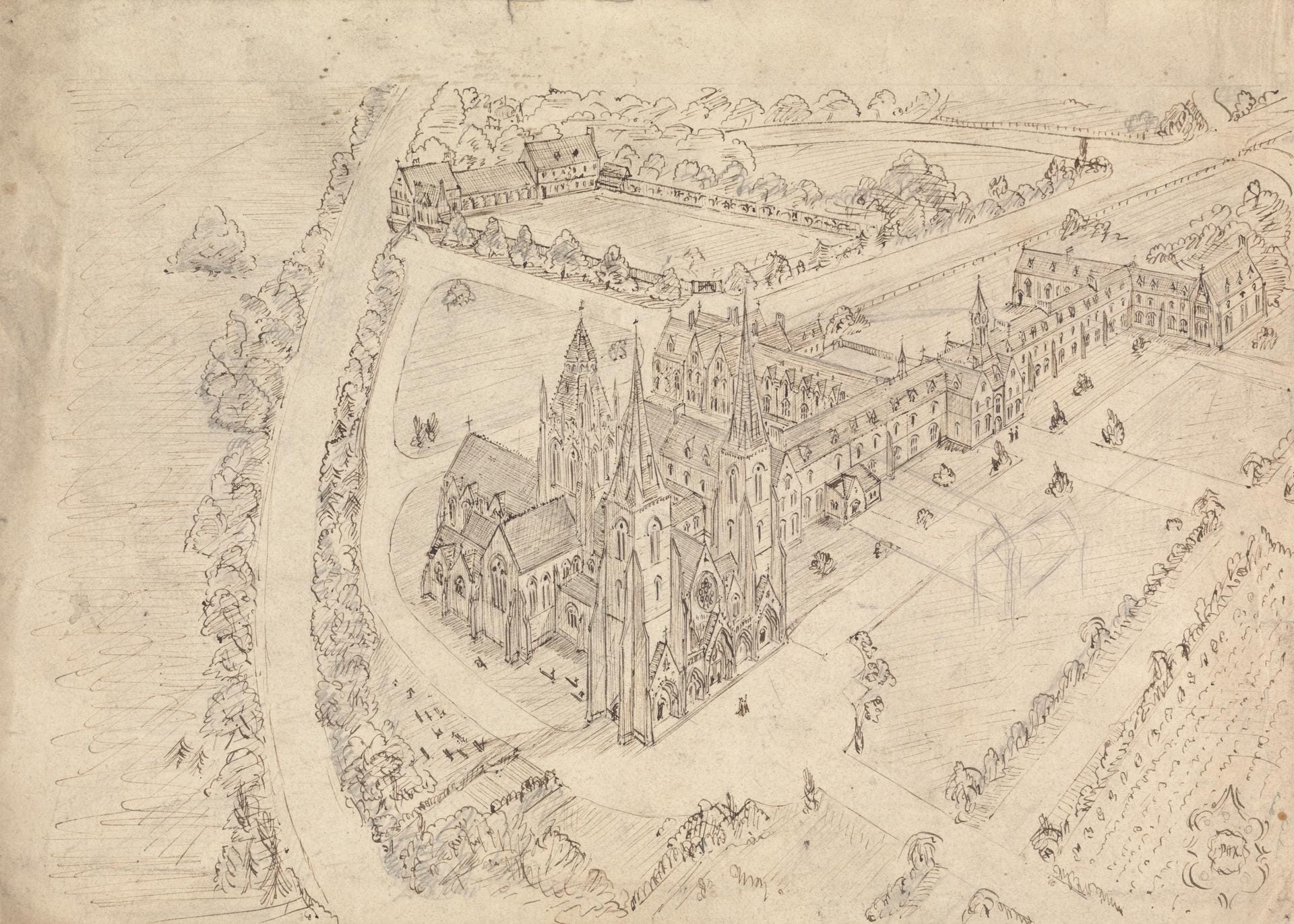
Industrialization has been a common source of this discontent. The realities of industrialization often contradict the rosy progress narrative that accompanies them. In such instances, the past can start to look pretty interesting. Augustus Pugin, a pioneer of Gothic Revival architecture in the mid 1800s, is an example of an artist black-pilled by industrialization turning to the past for inspiration.
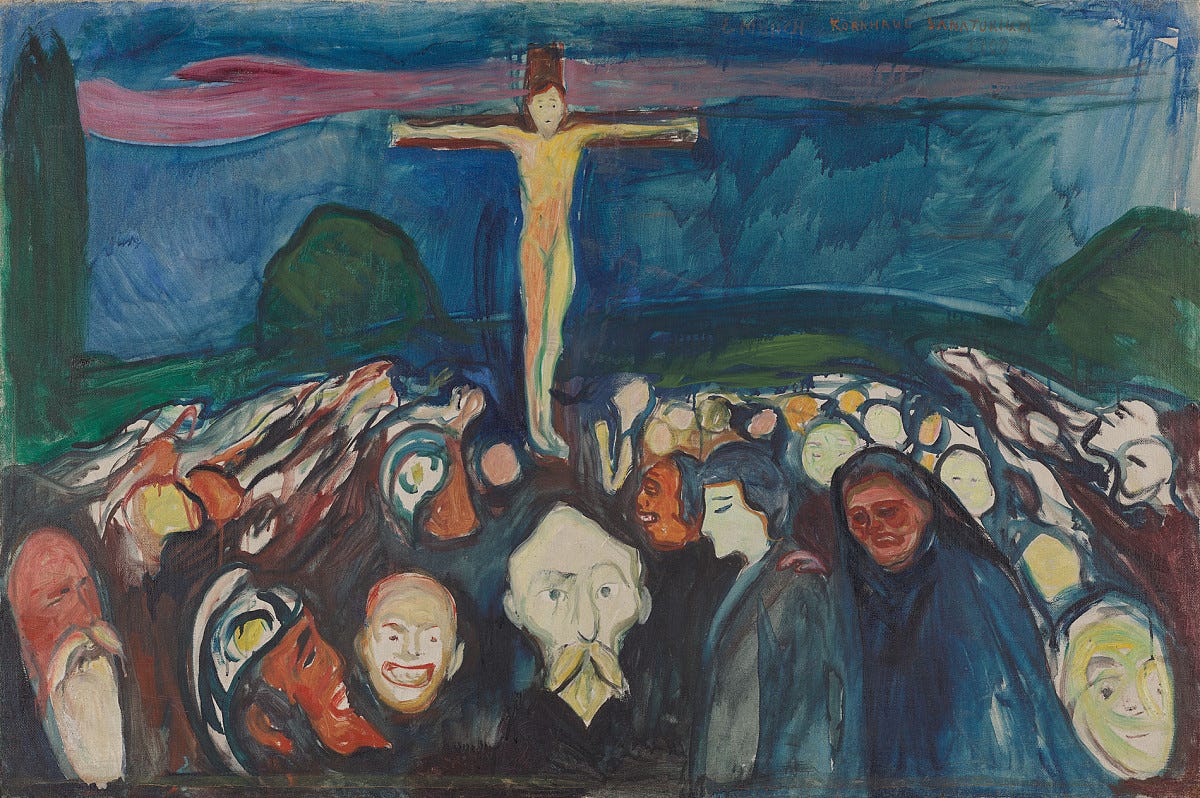
Another source of this discontent is dominant ideology. The Gothic turn directly preceding modernism in the fine arts is an example of this. In the late 1800s, artists tired of the academic tradition and the stale pedagogy of the academies turned to medieval art for inspiration. Modernism would go on to develop its own aesthetic language, but Gothic visuals were a key catalyst.
Progress in the sciences is another motivator. As mysteries of the world are solved, and even the most remote corners are explored and exploited, the imagination is driven inward. The Gothic fiction of the twentieth century is an example of art becoming an outlet for imagination in a world grown hostile to it.
What is clear across these various instances is that Gothification is not a mirroring of external reality, but a rejection of it. It is a method of reenchanting a world that feels flat. Our Gothic, then, is not the product of our recent plague, but the intense staleness of life today.
Cultivating a Gothic media persona is a reasonable reaction to a landscape that demands a PR-sensitive lobotomy of its celebrities. Gothic photography is to be expected when it seems images have become as sharp as they possibly can, and editing tools have made content fungible. Many of us were born into a world that without much natural mystery (unless you’re into quantum physics), and secularization squeezed the mysterious potential out of religion, so the notion that there might be a transcendent Godhead in the computer is, in some ways, a breath of fresh air.
This is not to say that our material reality doesn’t bear any Gothic characteristics. It does. If Gothic fiction was characterized by an environment of fear, supernatural events, and intrusion of the past on the present, our era of economic insecurity, emergent AI properties, and increased availability of the cultural archive checks all of these boxes. But the consequence of these facets on contemporary life is not a feeling of supernatural possibility, but flatness. And it is this flatness that the Gothic turn is responding to.
-
We live in a cultural soup of dormant and active references. In such an environment, it is very easy for aesthetics to become debased and stripped of any meaning potential. This, of course, is happening to the Gothic today. But substantive engagement with the Gothic and the aesthetic history it is caught up in is also possible. It always is, and it’s always our responsibility.
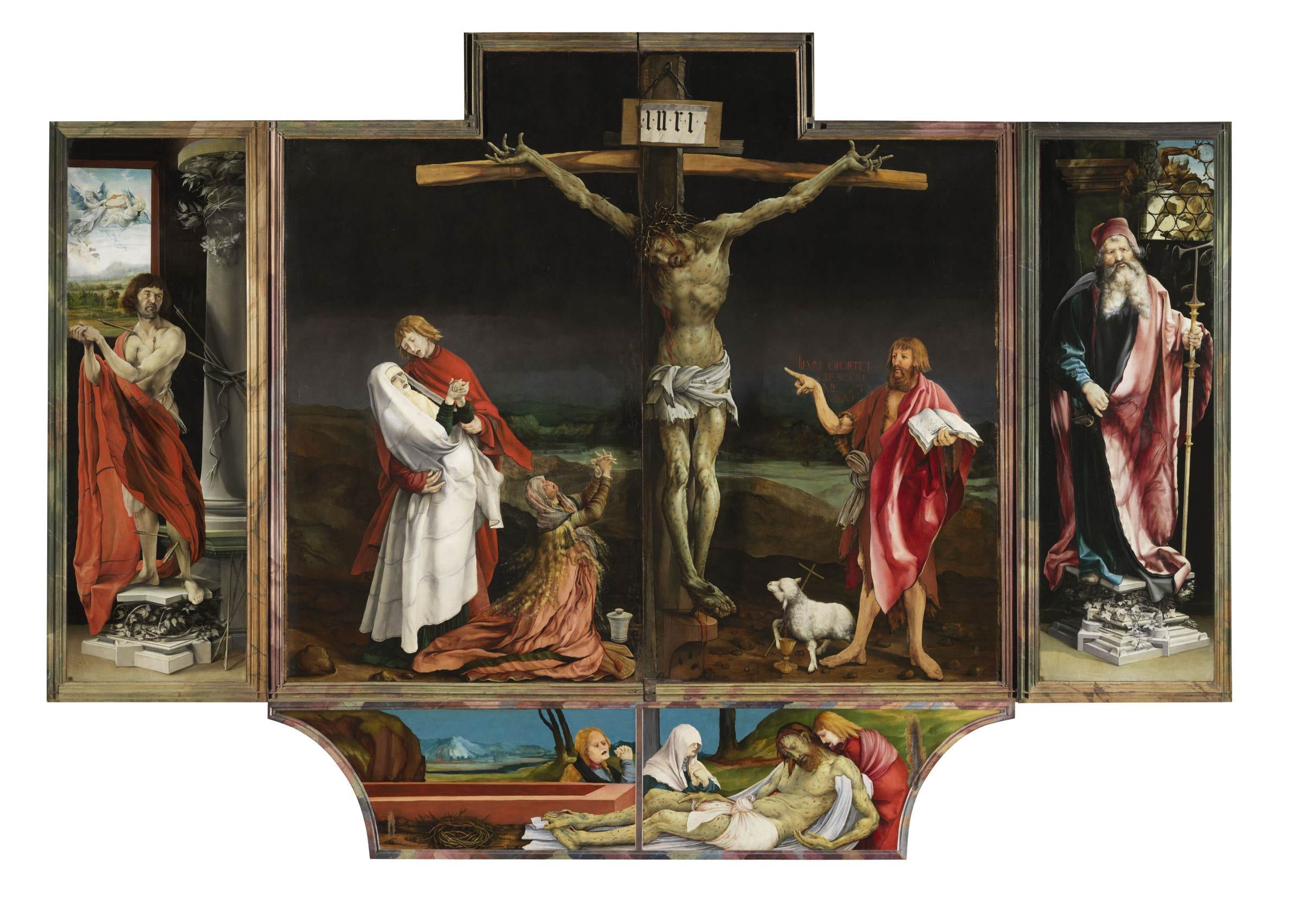
At the turn of the twentieth century, many artists disillusioned with the academic style were seeking new forms and pathways into the future. Looking for something new, they turned around. It was there that a group which would later be called the Expressionists discovered the Isenheim Altarpiece by Mathias Grünewald. This work, which since its creation in the early 1500s had been only a regional gem, had a profound impact on the Expressionists. Some of them, like George Grosz and Otto Dix, travelled to the altarpiece to pay homage. In Grünewald’s masterpiece they found a spark. Nearly 400 years separated the Isenheim Altarpiece and the Expressionists, but the artistic impetus preserved in Grünewald’s work, once discovered, became a source of inspiration that did more for modern art than most things being taught in the academies at the time.
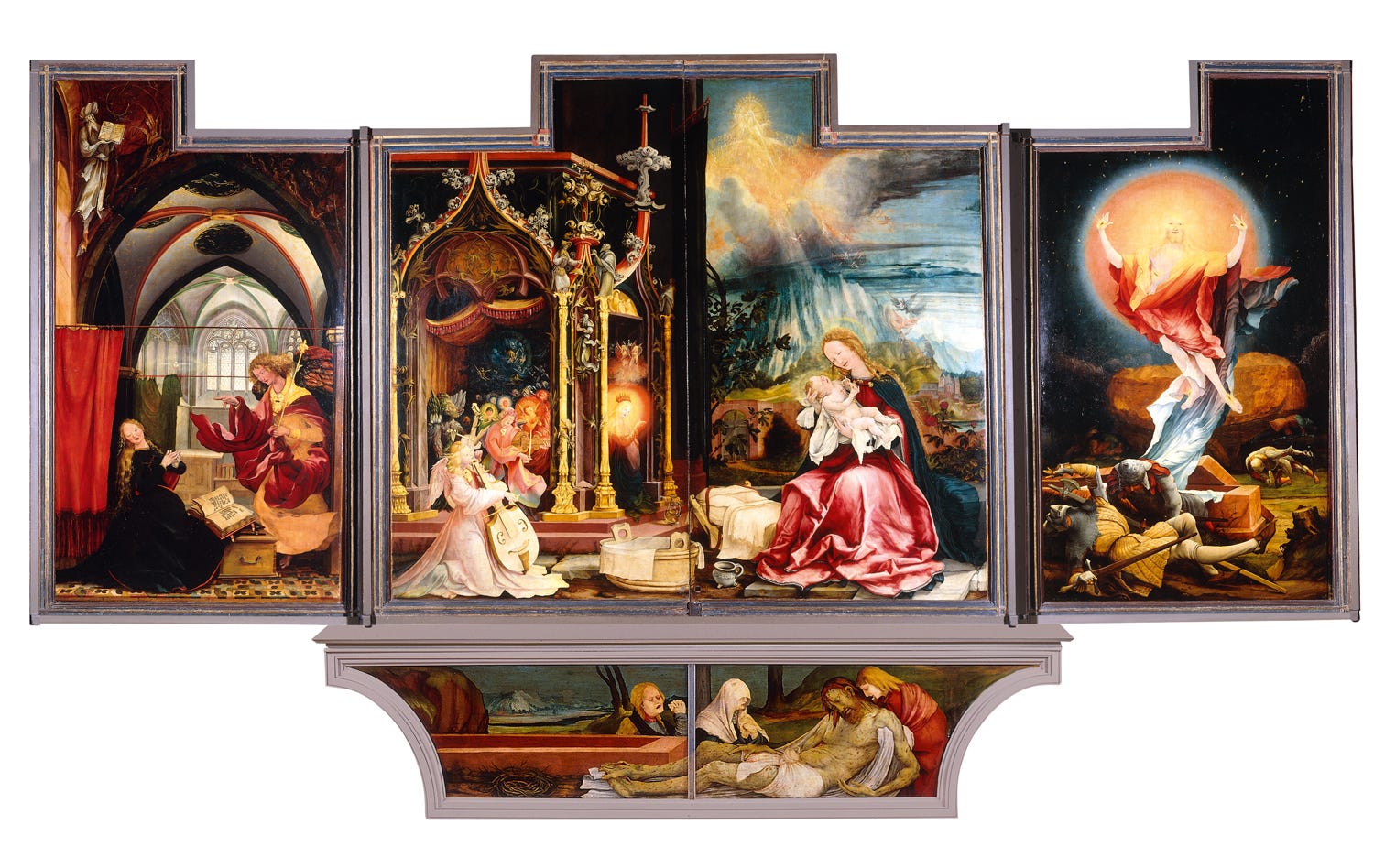
The early days of modernism, and the history of art as a whole, is full of stories like this. They are stories we should take seriously today. Our age is still searching for forms that are its own, still seeking new pathways into the future. That journey may start in the past. Our Gothic turn may set us in the right direction.