


Written by Kaya Noteboom
Every few years, a new class of child actors and youthful luminaries transition into working adults in the culture industry. This coming of age is public, and often facilitated by viral media (curated or not) announcing their availability for more mature roles. Vanessa Hudgens could not have starred in Sucker Punch straight out of High School Musical. Miley Cyrus had to go viral for ripping a bong loaded with salvia before she could make Bangerz. And for these women, like countless others in the creative and entertainment trades, the people orchestrating their public maturation are not their friends.
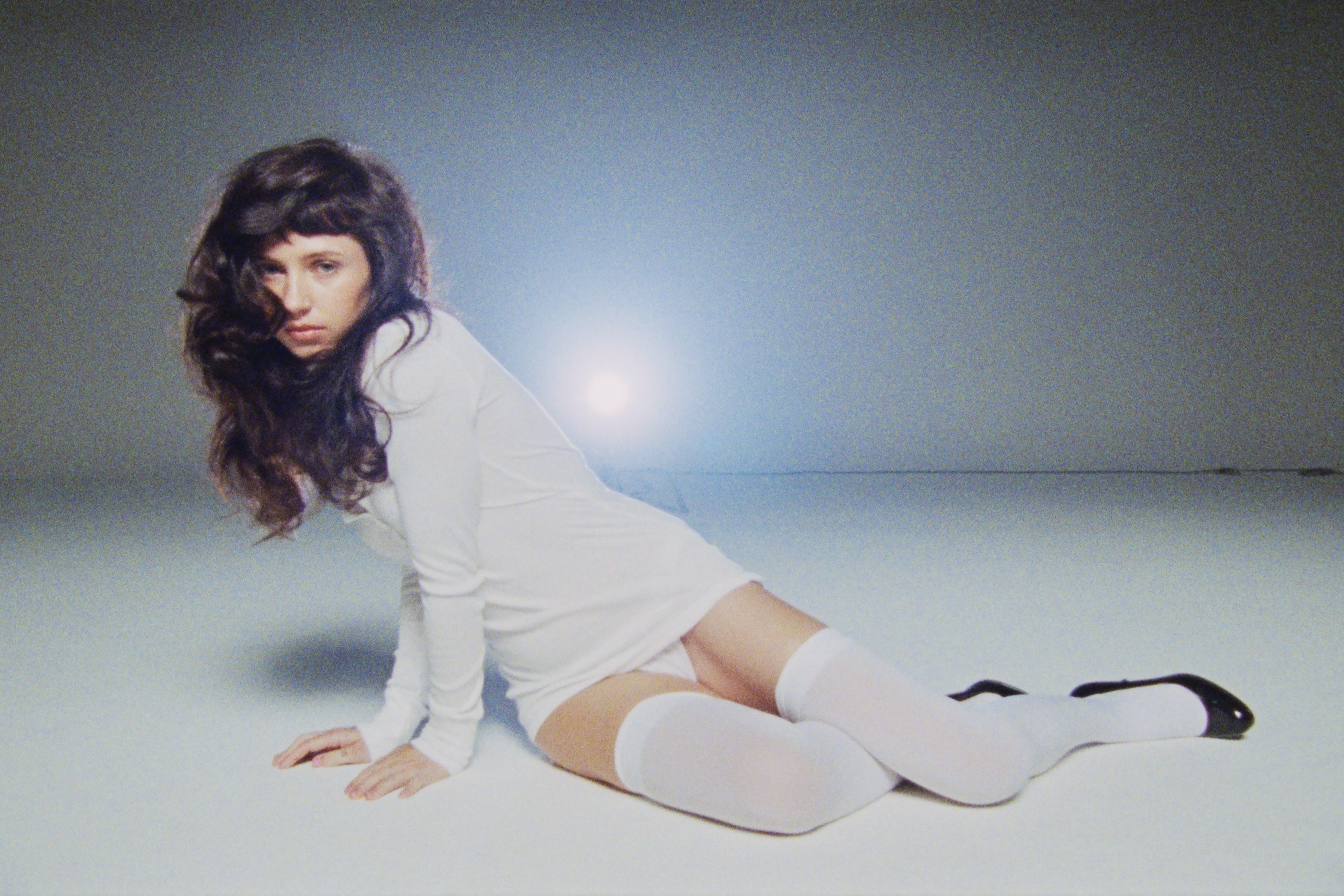
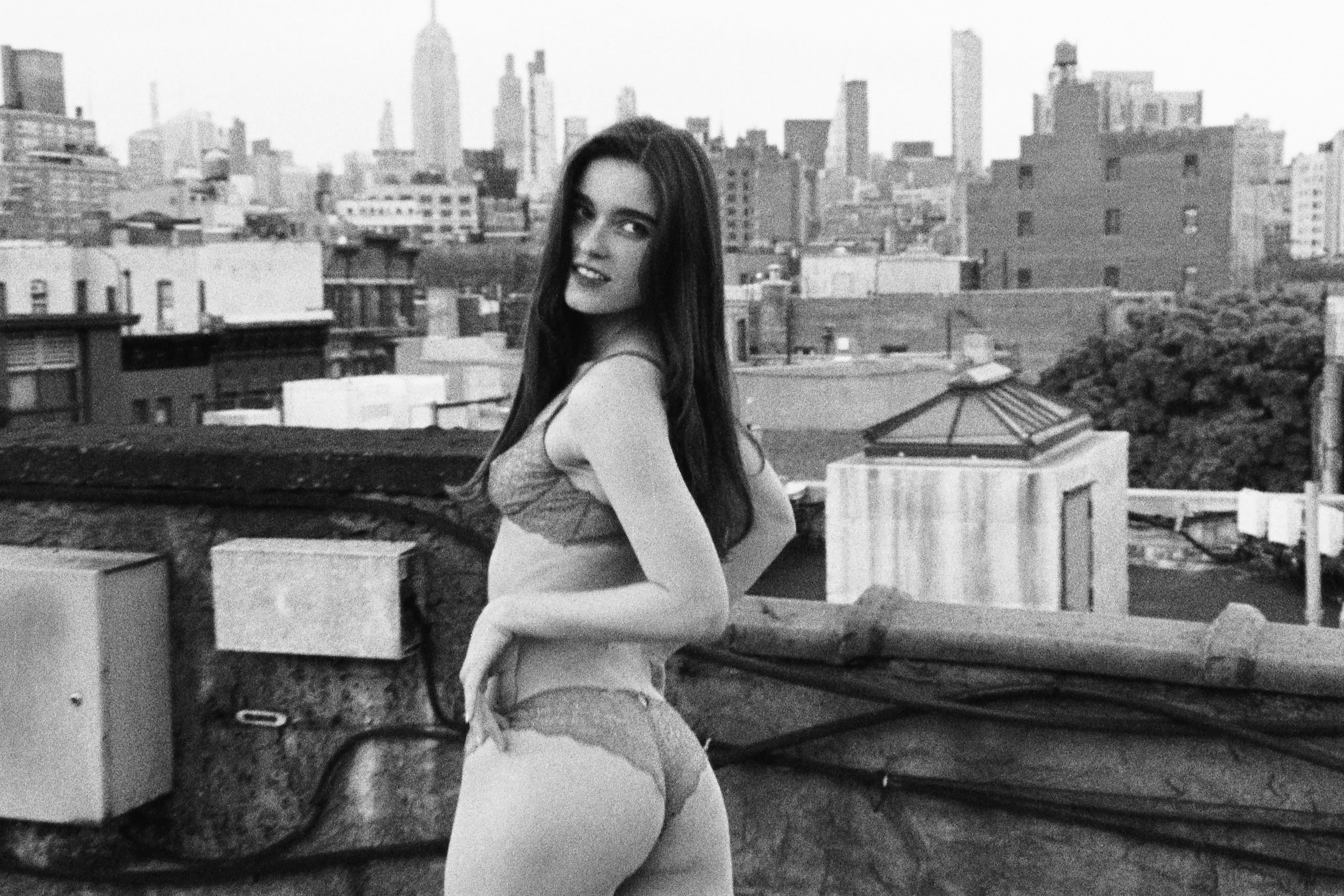
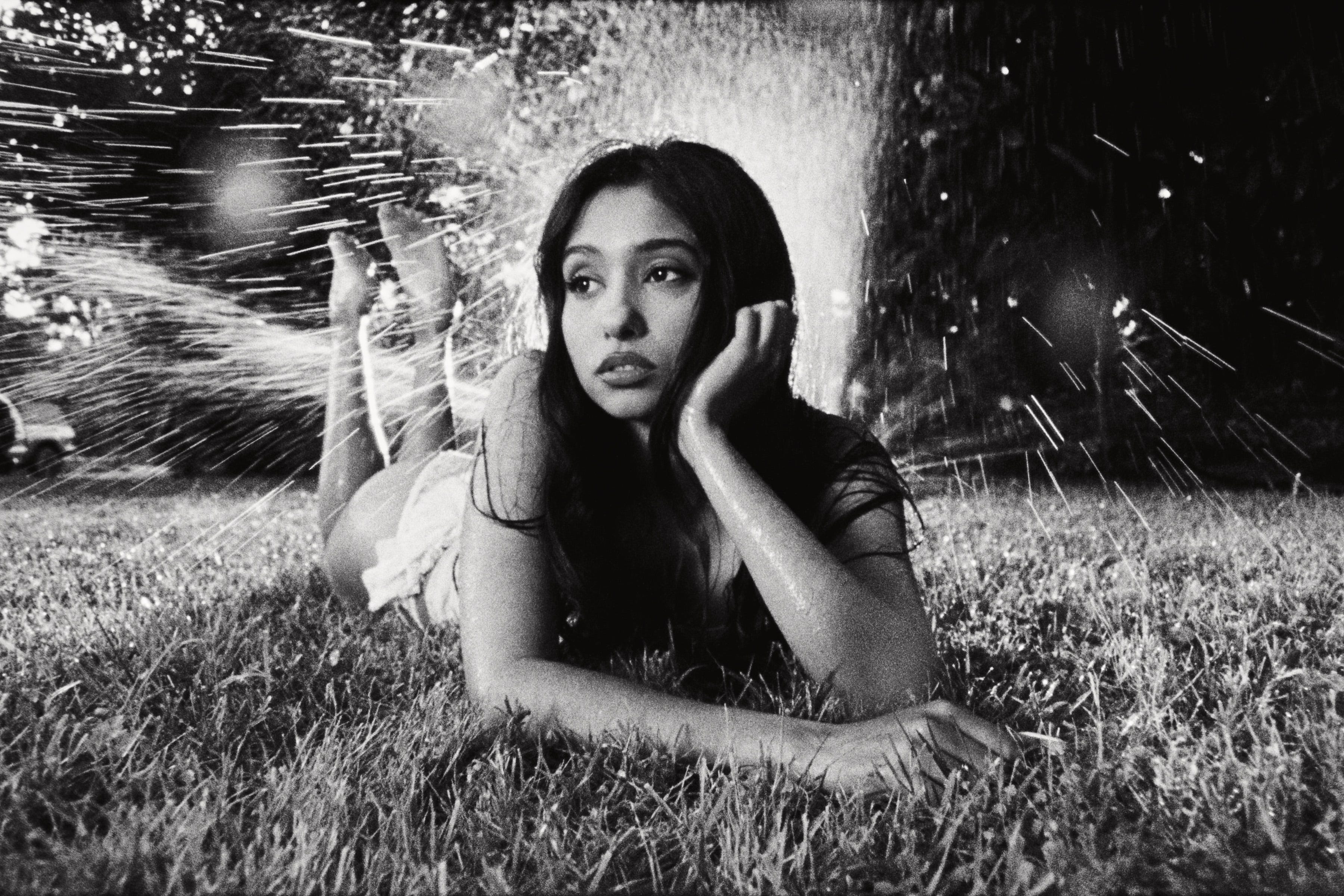
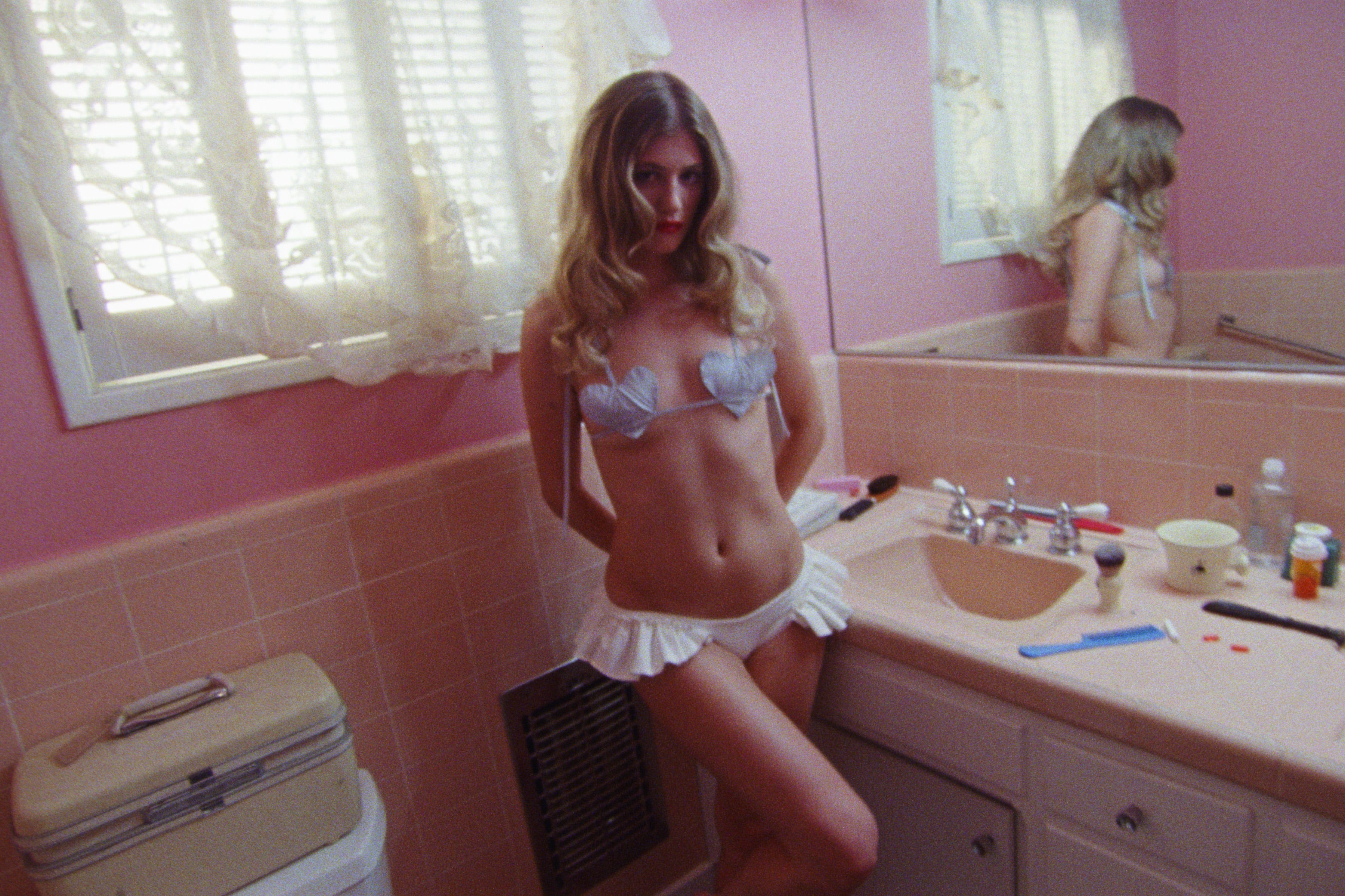
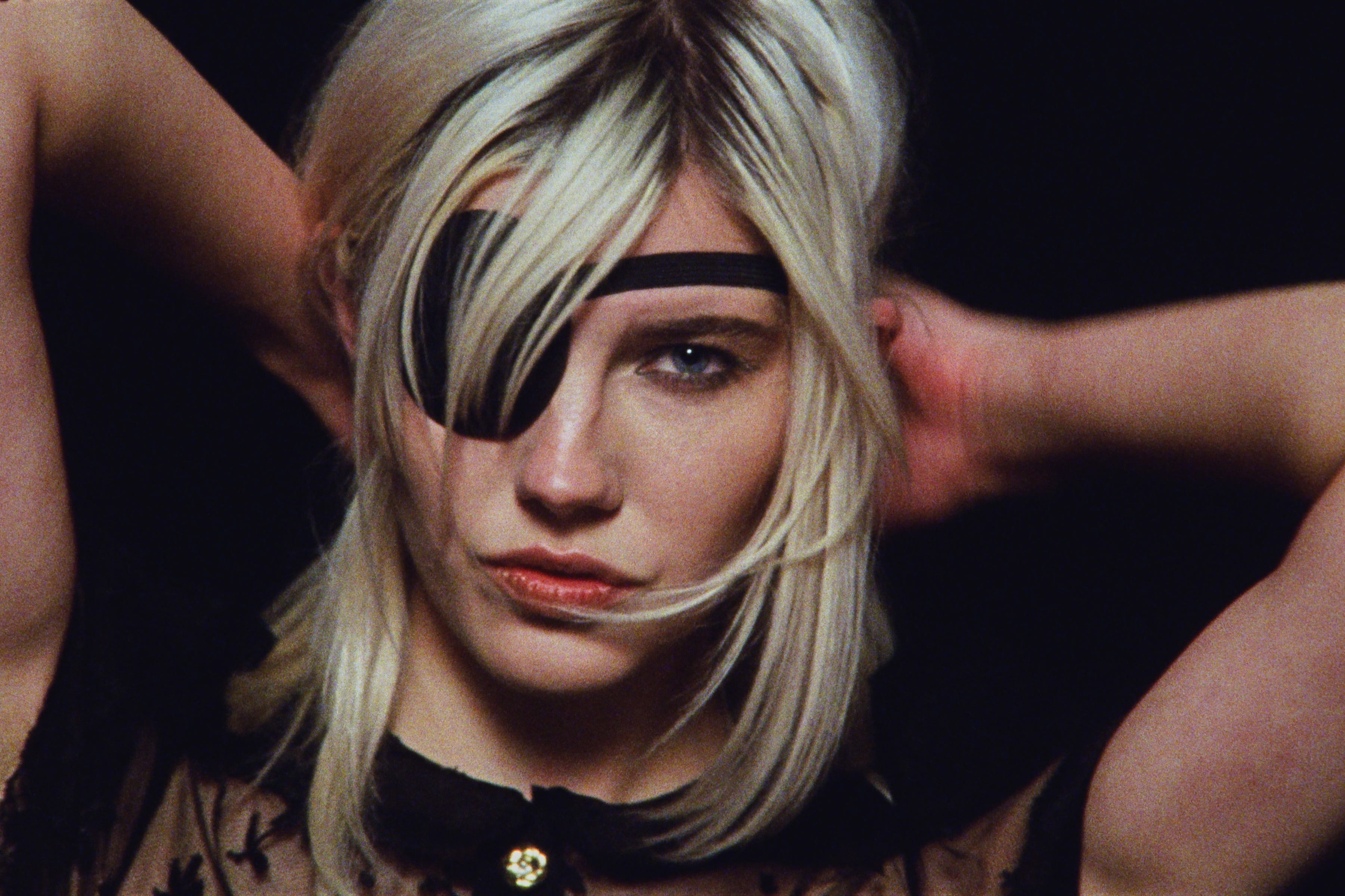
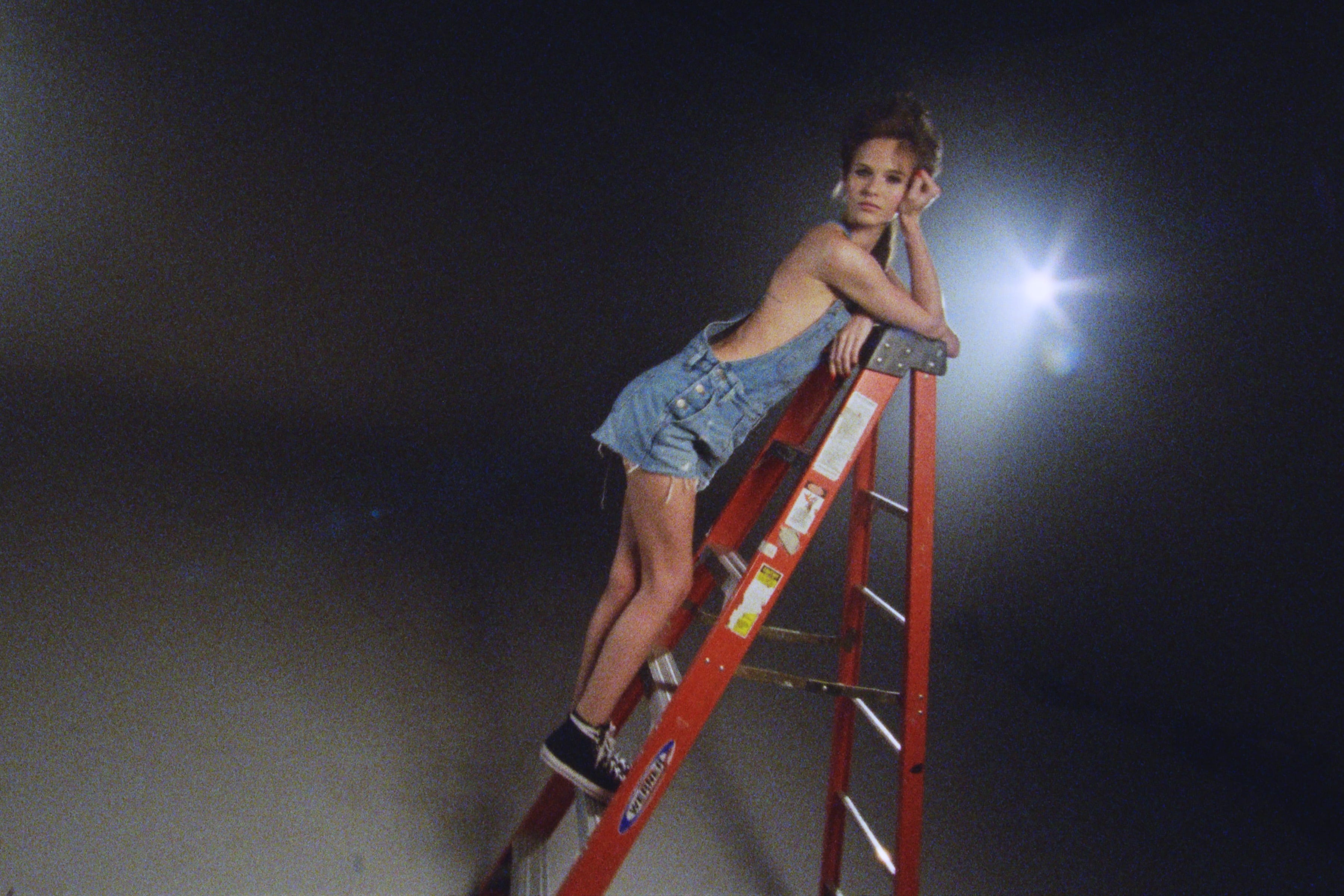
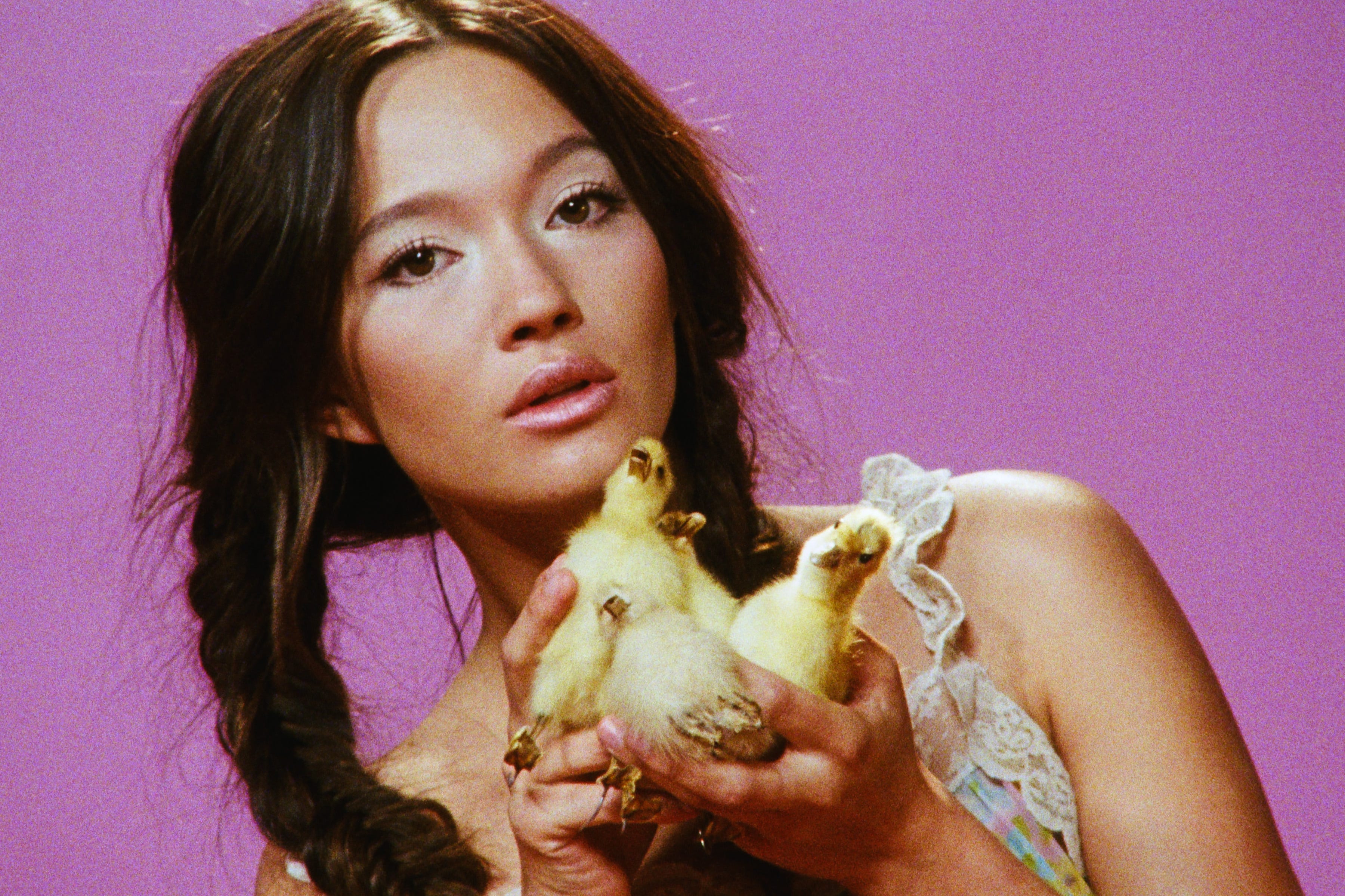
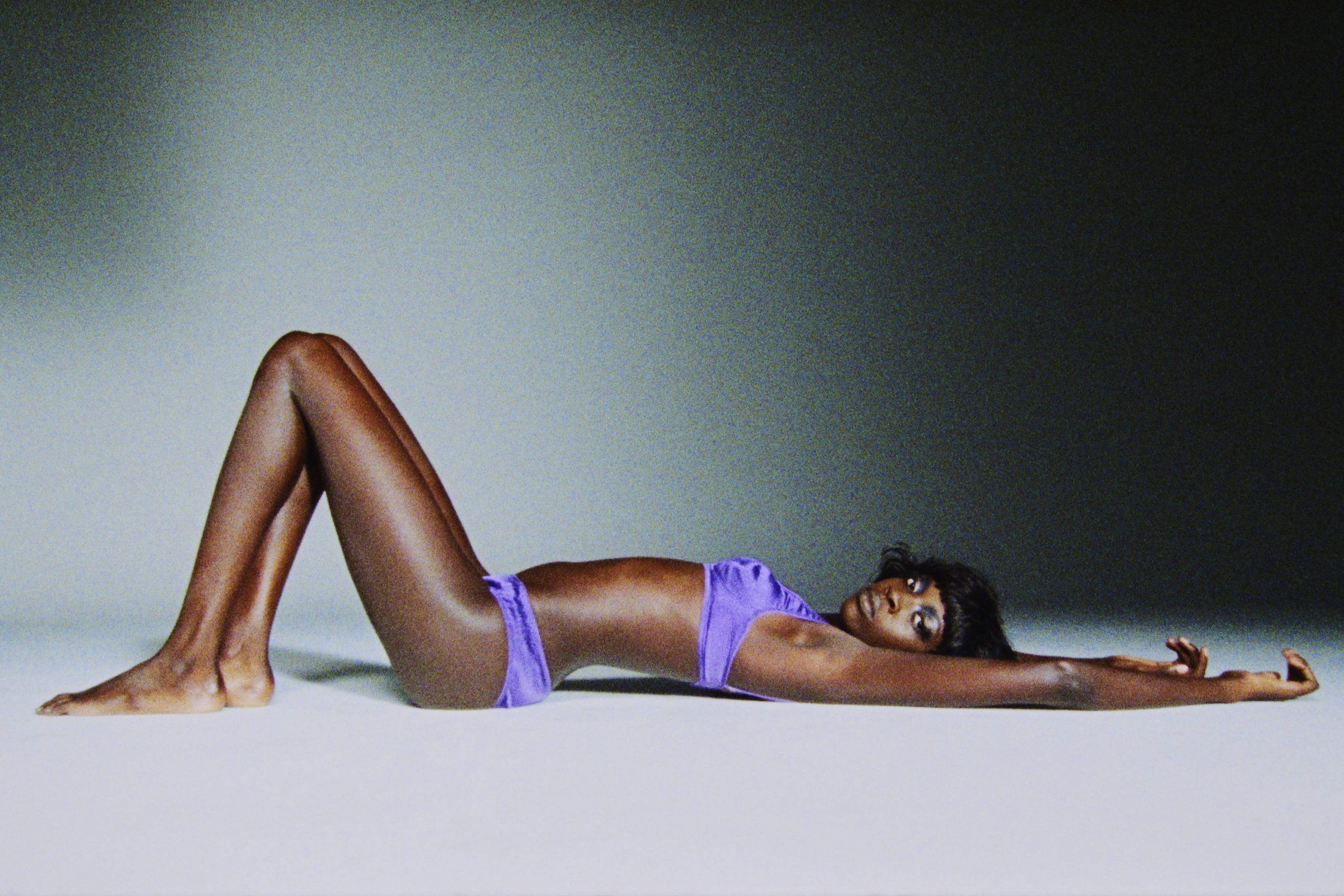
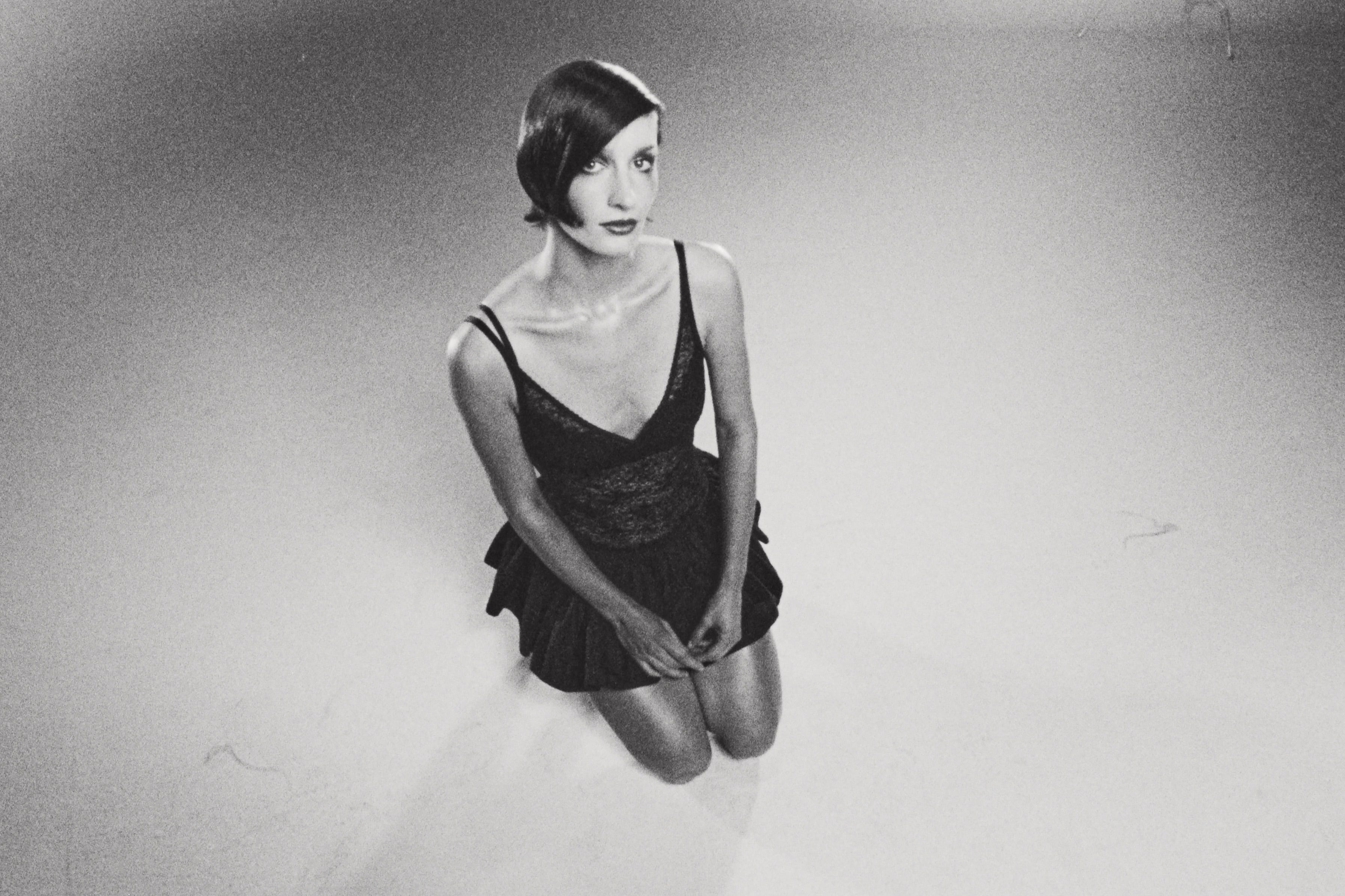
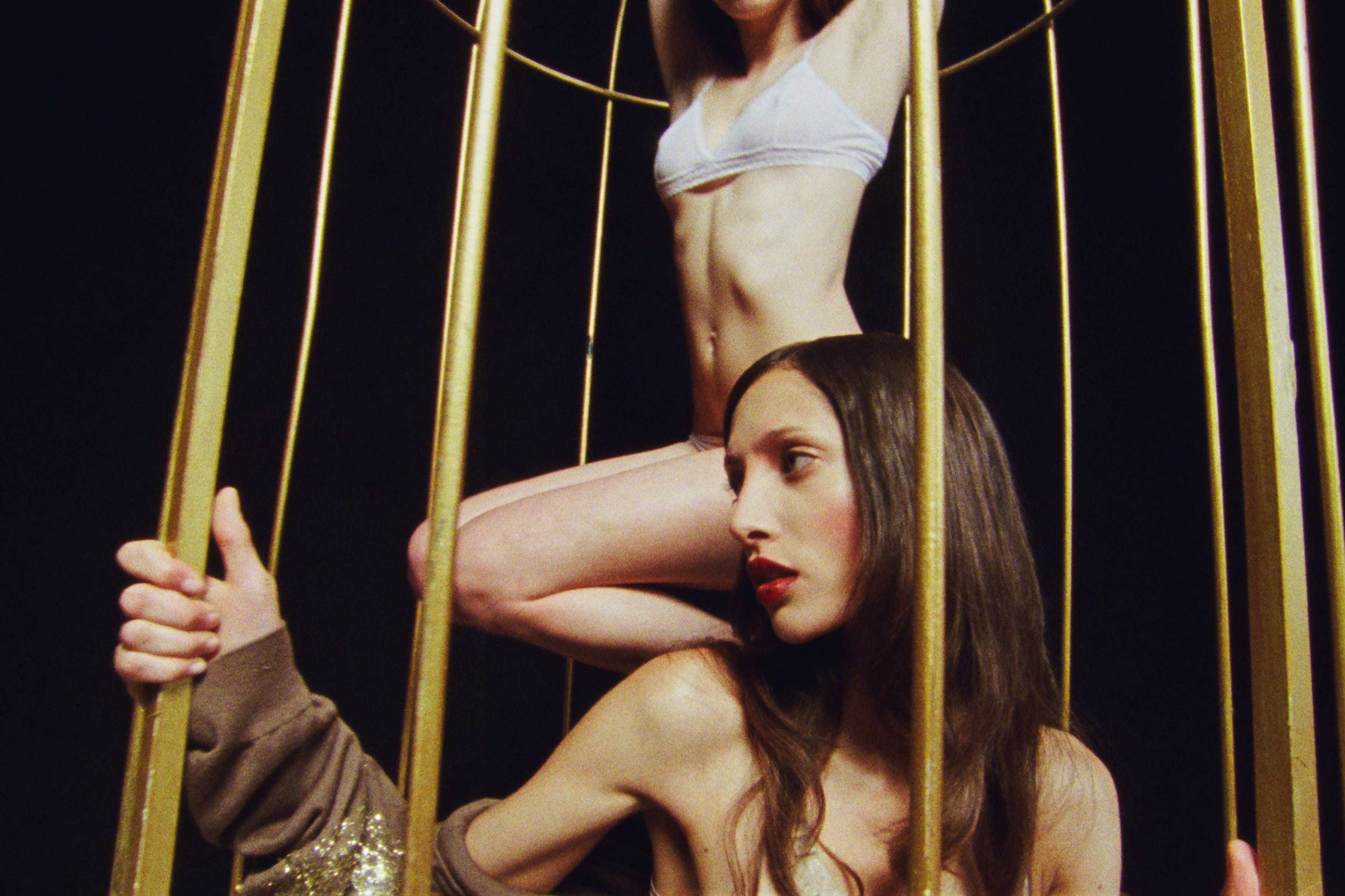
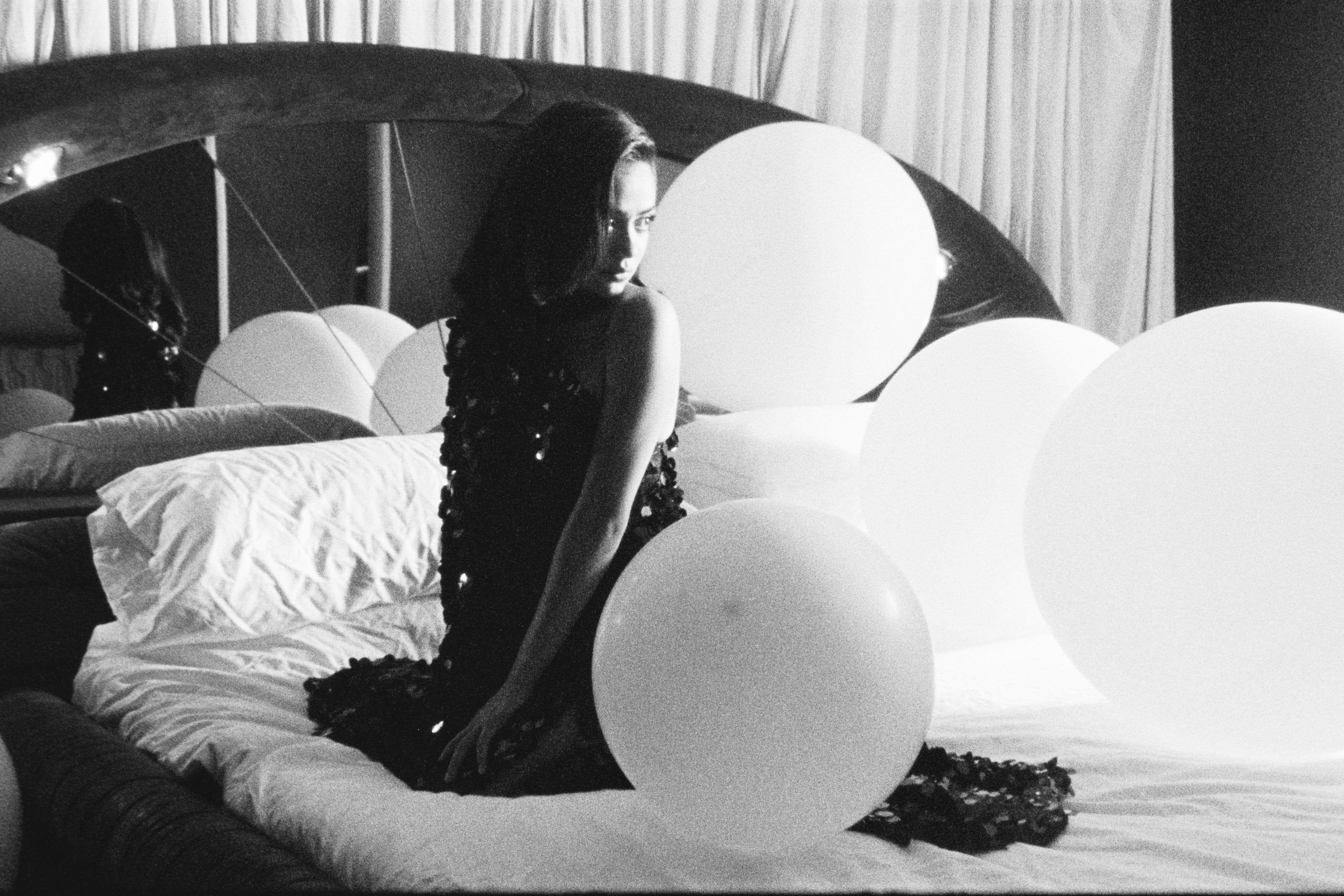
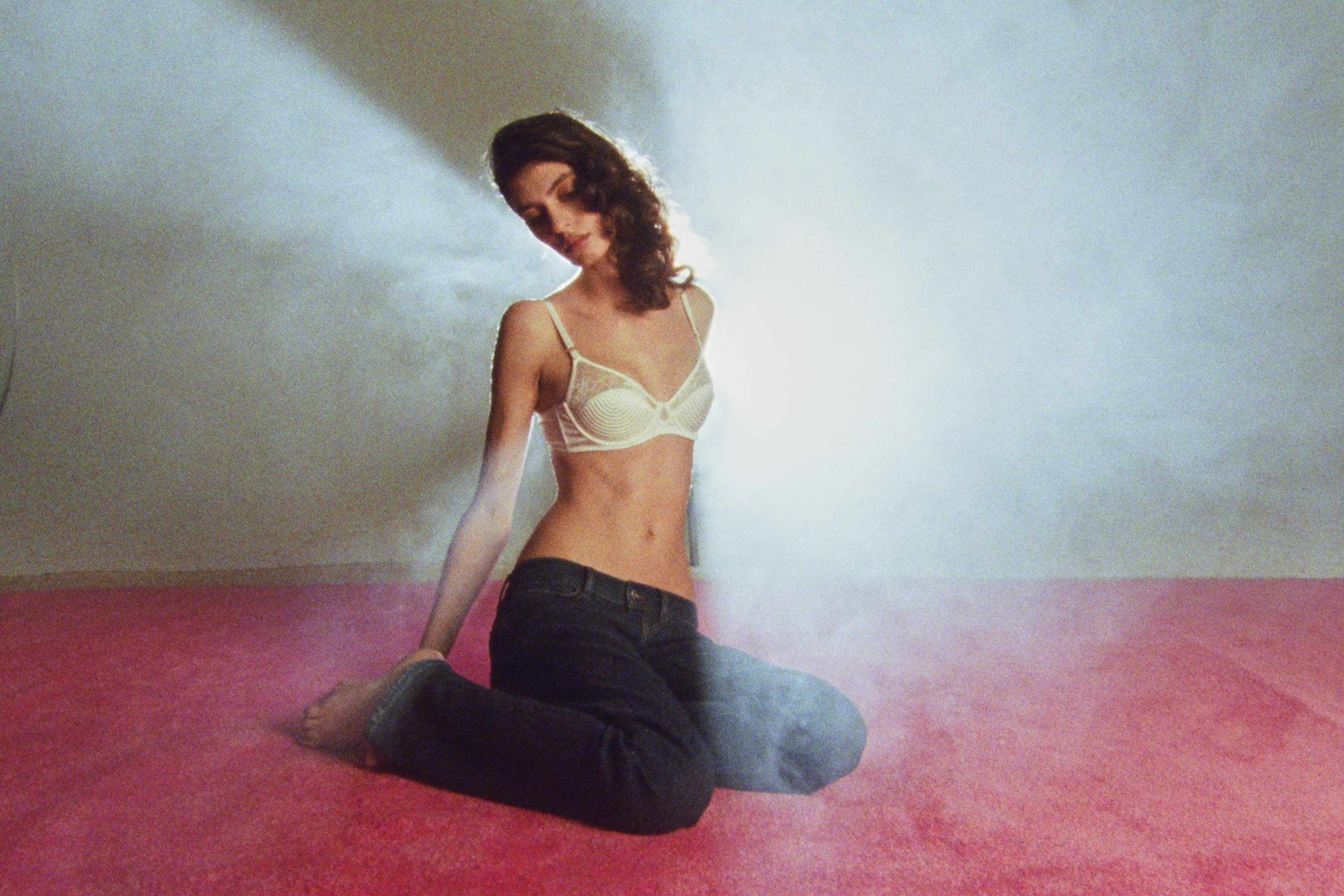
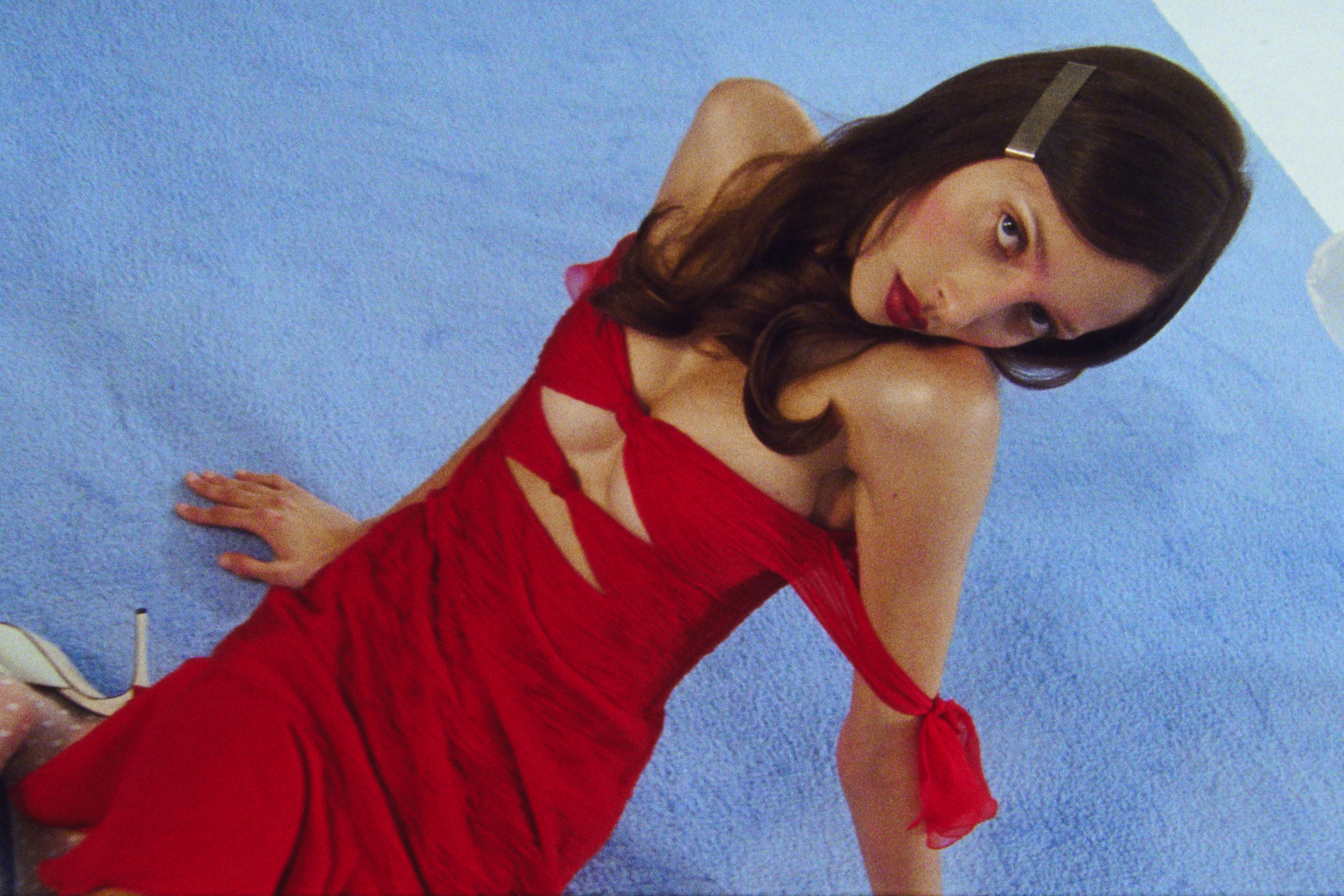
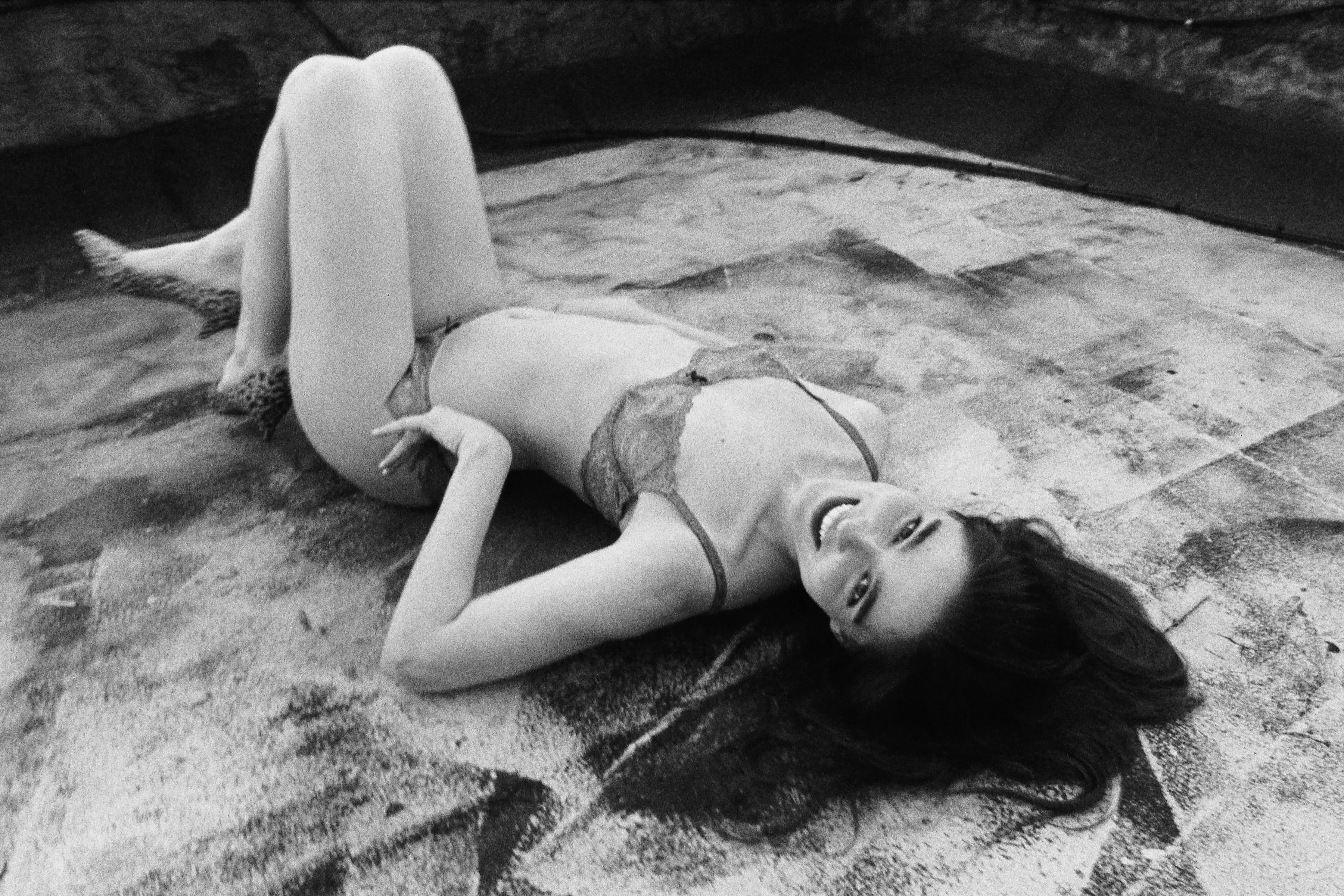
Though a similar transition from girl to woman is captured in Everybody Loved Her, Everybody Wanted Her (2026), the second book from photographer, model, and director Morgan Maher, her subjects are being shot by a friend. Maher’s primary models are her peers. Perhaps unlike your peers and mine, they include some of the most beautiful and talented women in the world: Sky Ferreira and Emily Ratajkowski; indie darlings gone mainstream Rachel Sennott and Claire Cottrill; creatives getting their due like Sabrina Fuentes and Sofia Testino; and the children of nineties sex symbols who are in the midst of their own adult debuts, like Lila Moss, Apple Martin, and Romy Mars.
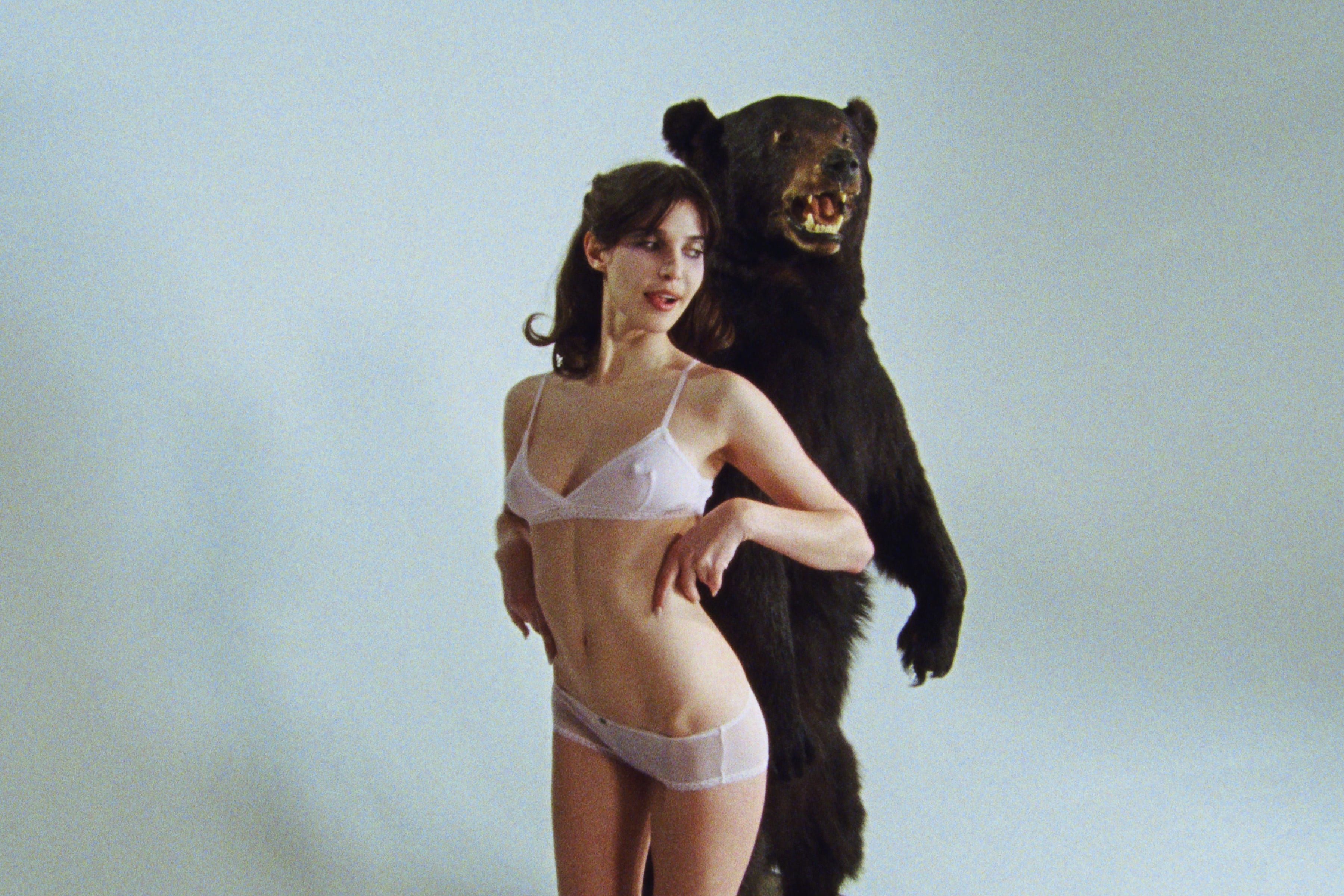
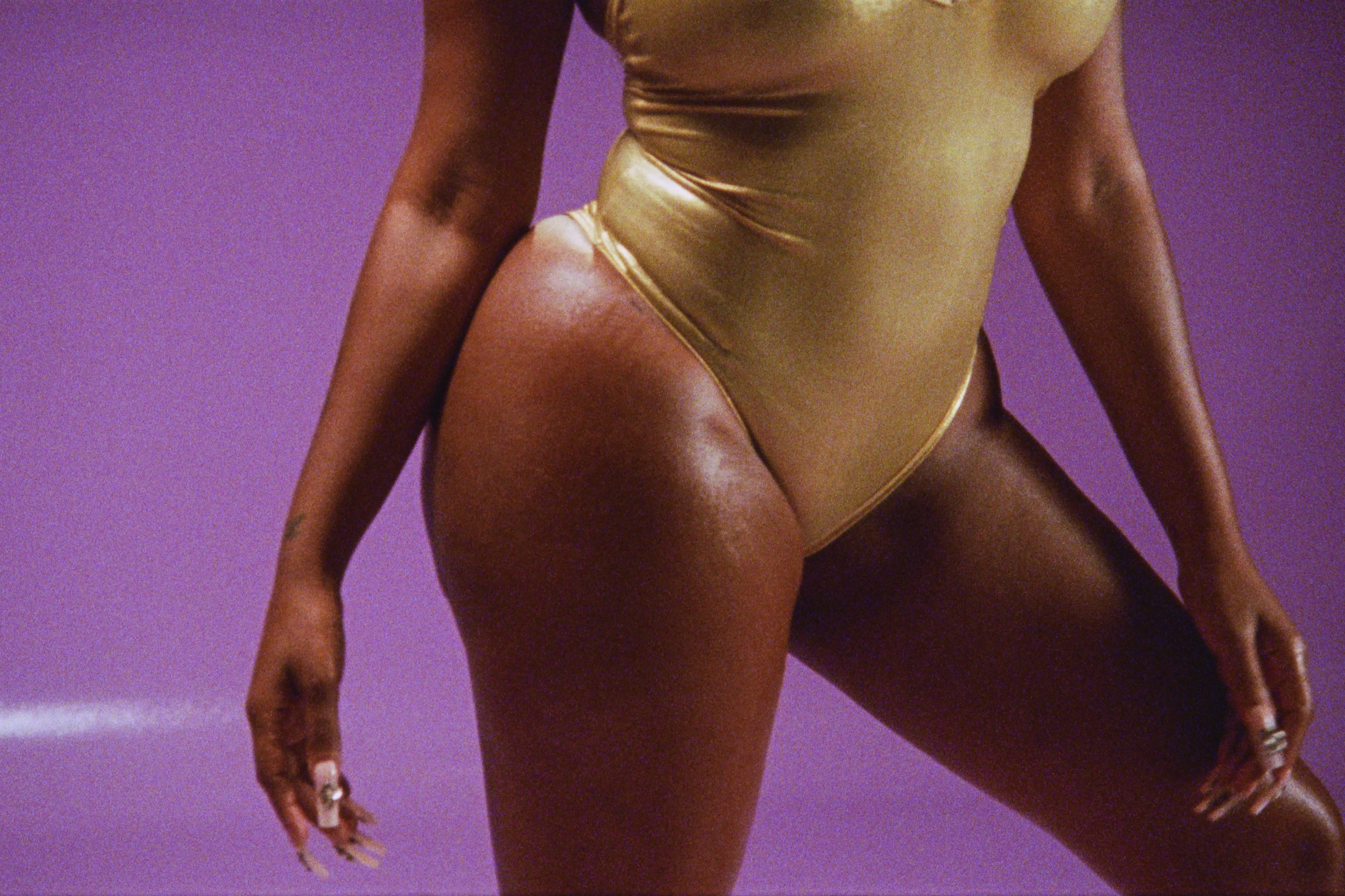
Like the book before it, Everybody Loved Her, Everybody Wanted Her depicts a widely corroborated version of beauty and sensuality that could be suspect in another artist’s hands, but here, it depicts a world true to Maher’s own.
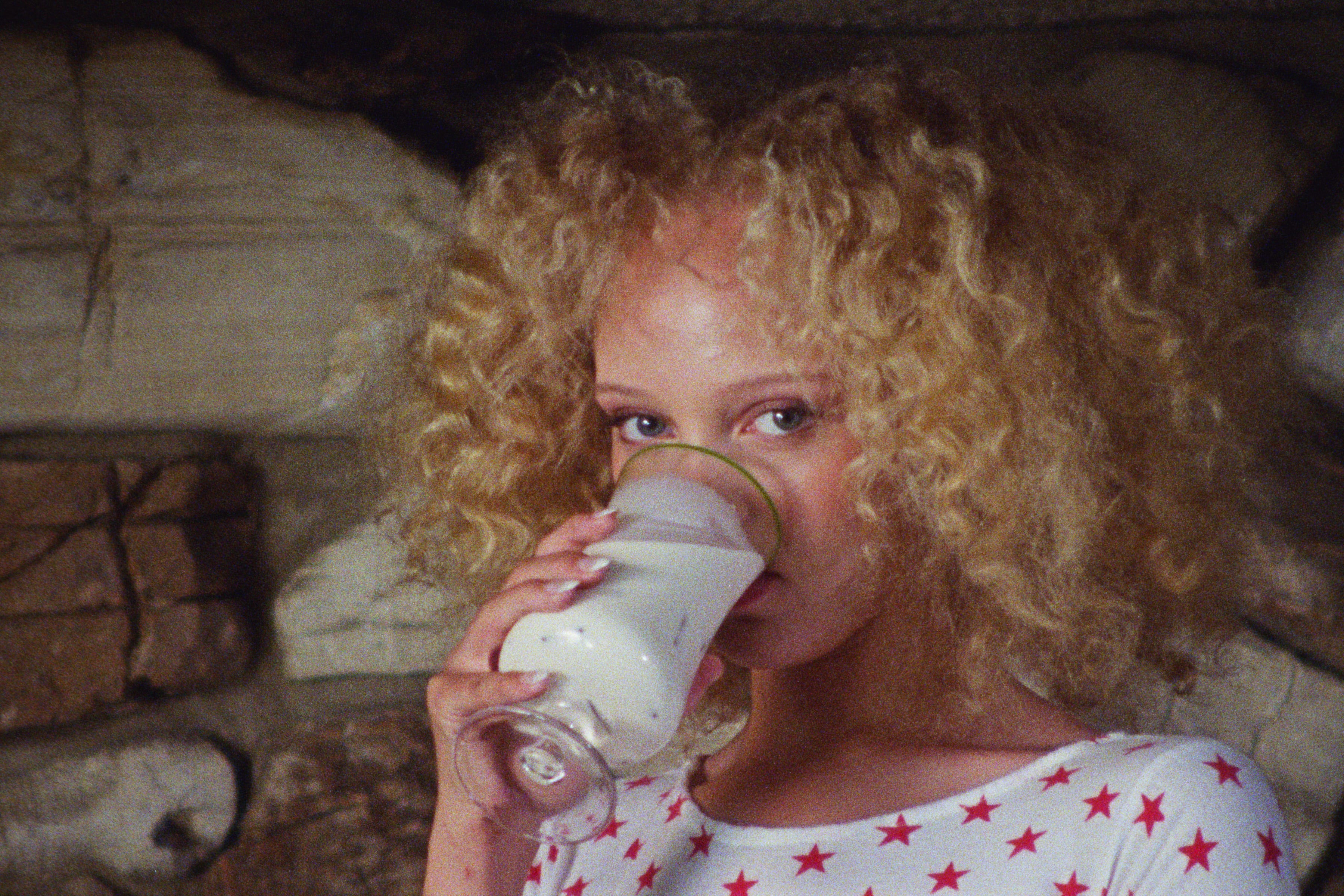
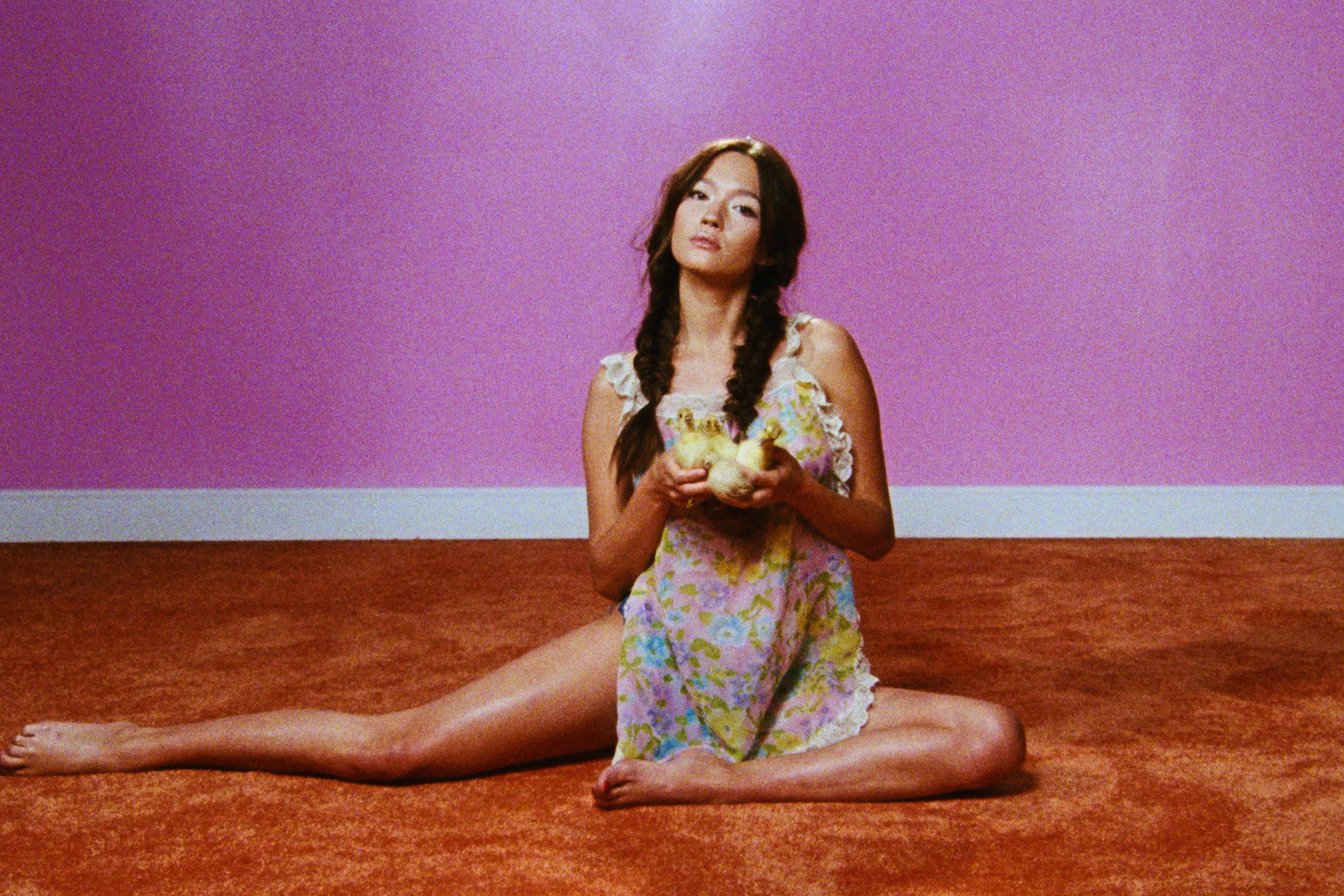
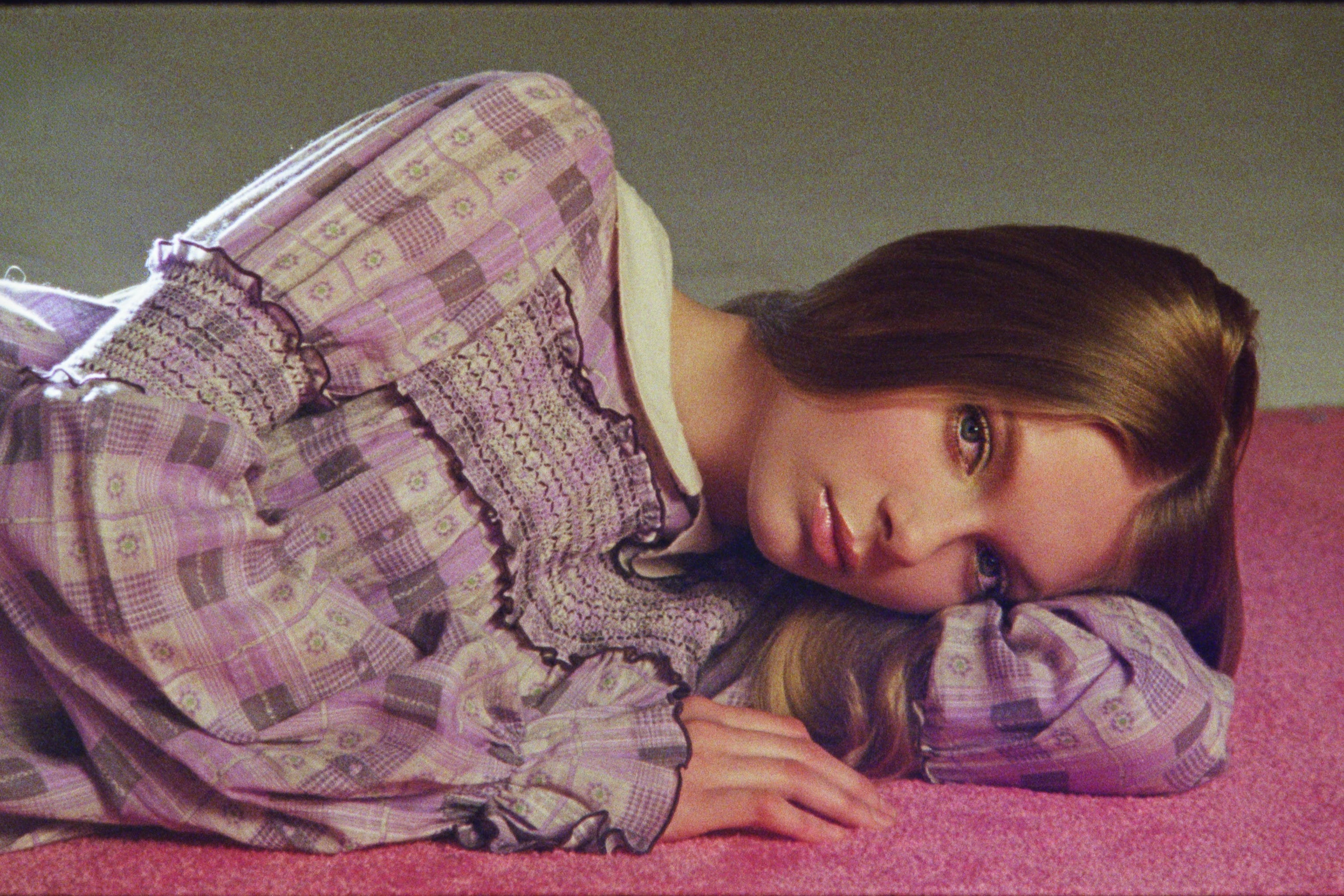
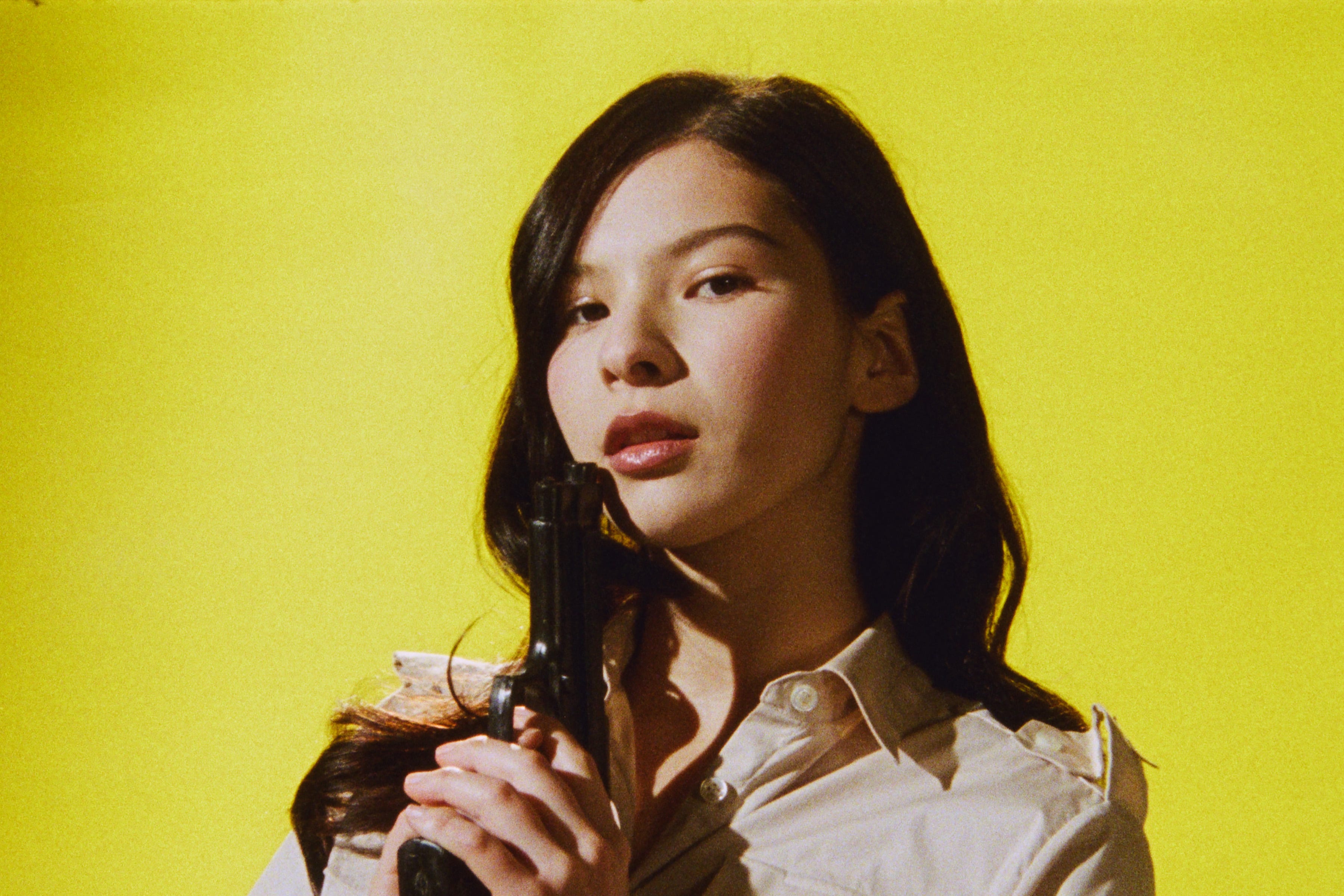
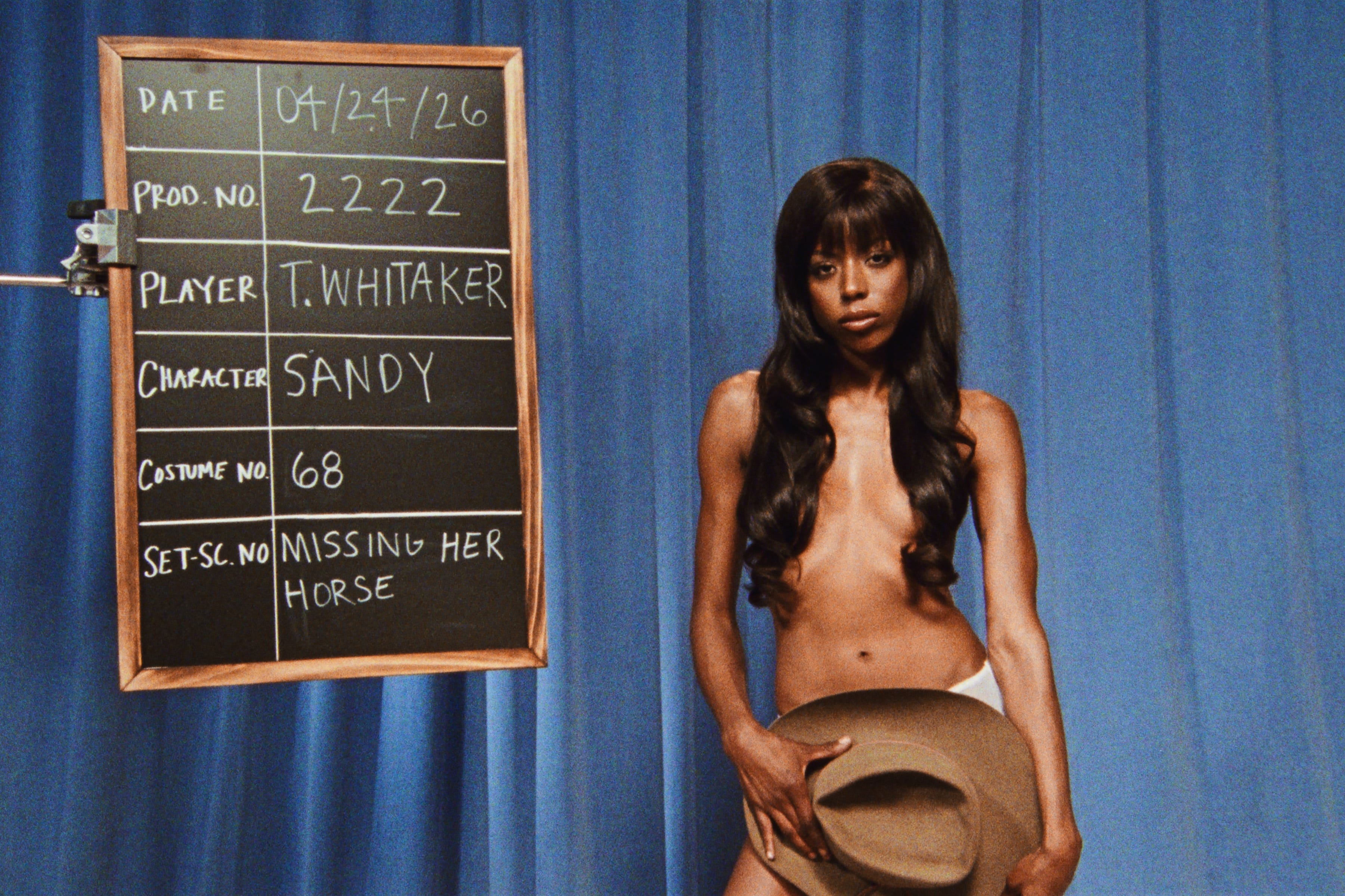
The images in Everybody Loved Her are actually stills from micro-films Maher made with each subject. It’s an intentional technique: video allows her to capture the motions between poses, and pinpoint the raw transitional moments that make truly great portraits. These frames are then frozen in print.
The magic in talking to Maher is that you feel as if the world of her creation, a glamorous girl-ish world of models and pop stars that exists in our collective imaginations through prolific online personas, in fact, includes you.
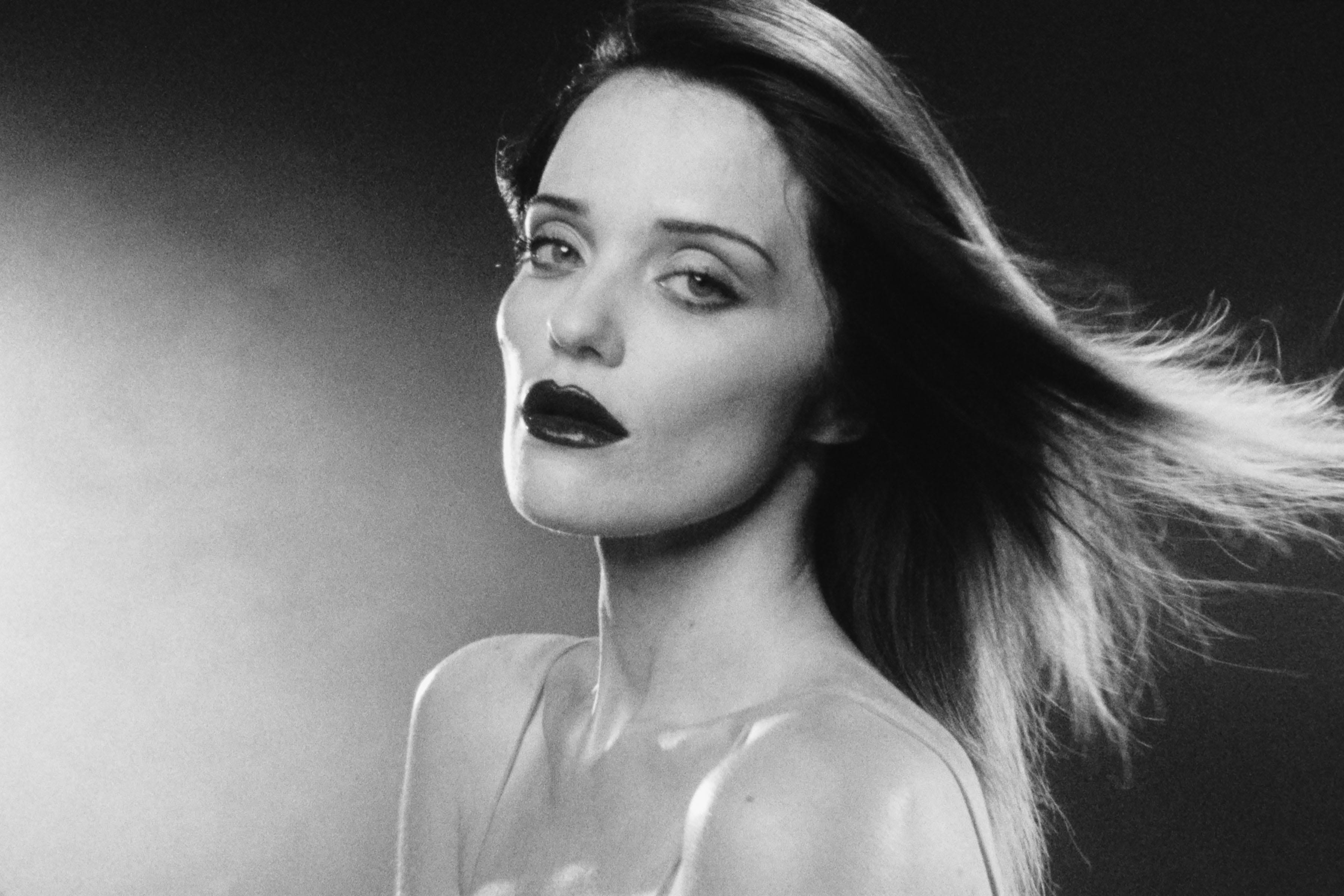
Maher has said that she likes to get down to the girl talk, and it’s true. She is unabashedly and irresistibly personable. Over Zoom, we talked about the new book, the unsung art of screen tests, and what it means to be a sex symbol. We also talked extensively about online shopping, but we took that part out.
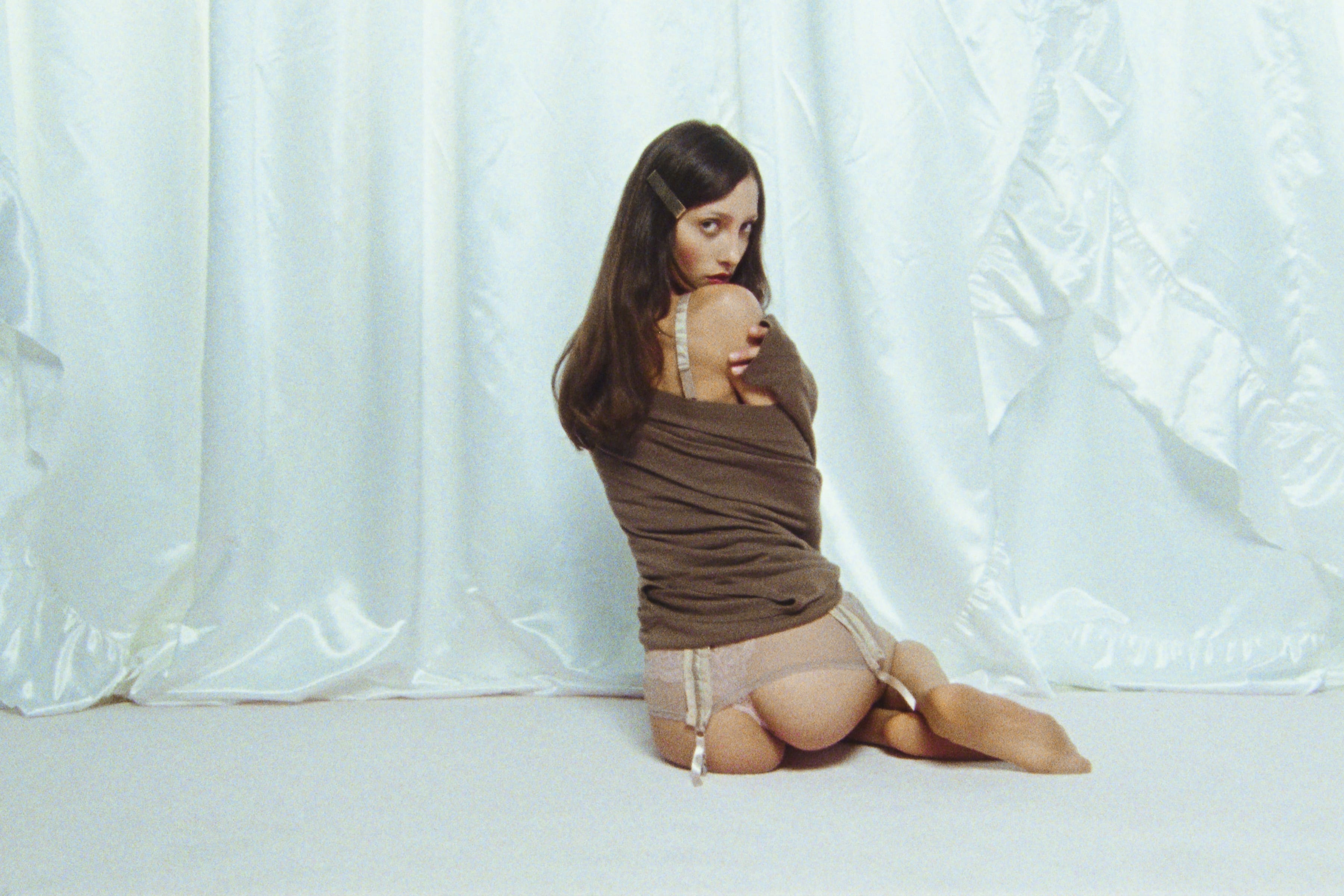
Before the interview started, Morgan and I talked about her upcoming flight to New York, a trip that marks the end of several years’ residence in Los Angeles. Reflecting on her early LA impressions, she recalls being enamored by the glamour of the city, so much so that soon after her arrival, she bought herself a convertible…
WELCOME MAGAZINE: What color was your convertible?
MORGAN MAHER: It was this baby blue Volvo from 2008. It broke down two years ago in the McDonald’s drive-through before a Christmas party. My friend and I were in these little girly Christmas dresses. I loved that car. I photographed KATSEYE in it for Interview Magazine, years ago, before they were really blowing up. They all started singing a song when I was photographing them. Maybe it was “Teenage Dream.”


WM: The Katy Perry song?
MM: Yeah, the Katy Perry song. Or maybe it was “California Gurls.” I loved that car, but it was impractical. The battery would always die.
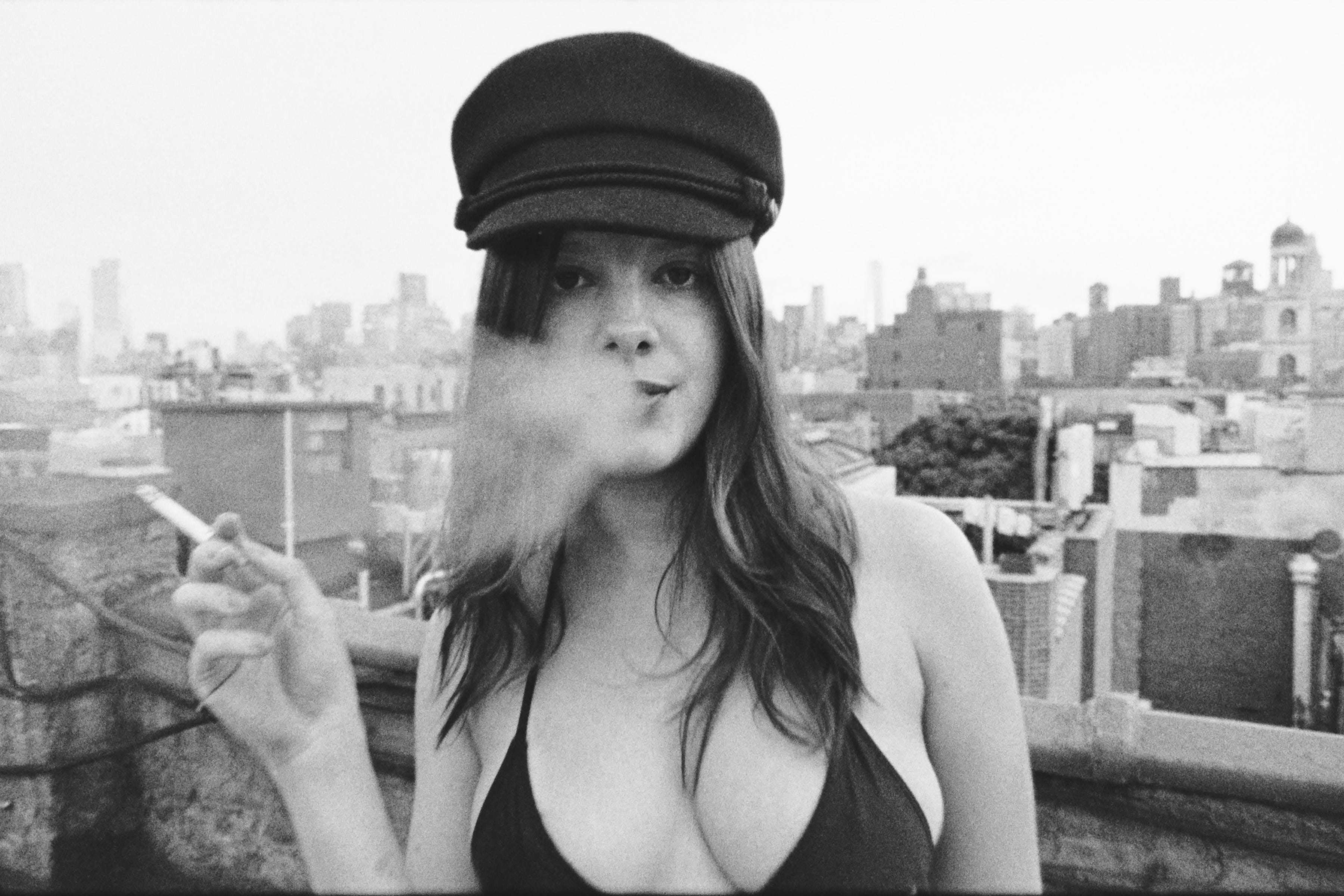
WM: So, this book, Everybody Loved Her, Everybody Wanted Her (2026). Do you feel like it’s more of a West Coast book or an East Coast book?
MM: The inspiration for it definitely began by appreciating Los Angeles. I fell in love with the glamour and with the mythology of who a Hollywood woman is. Then I fell in love with the Phantom Thread1 camera tests. The sets were incomplete, the actors weren’t in their final wardrobe or hair and makeup. I really fell in love with that.
Then I thought, What if I made screen tests sexy, in a fun, playful, fantasy way?
I think it’s a marriage of both coasts. I met the guys that I worked with on the project in New York. My [Director of Photography], his name’s Hunter Zimny, was remarkable. Most of the men I worked with didn’t have Instagram, so their reference point for my work is strictly film. They worked with expert precision which allowed me an environment to play. It was exciting to be on a set where I was directing and orchestrating the womanly tension.
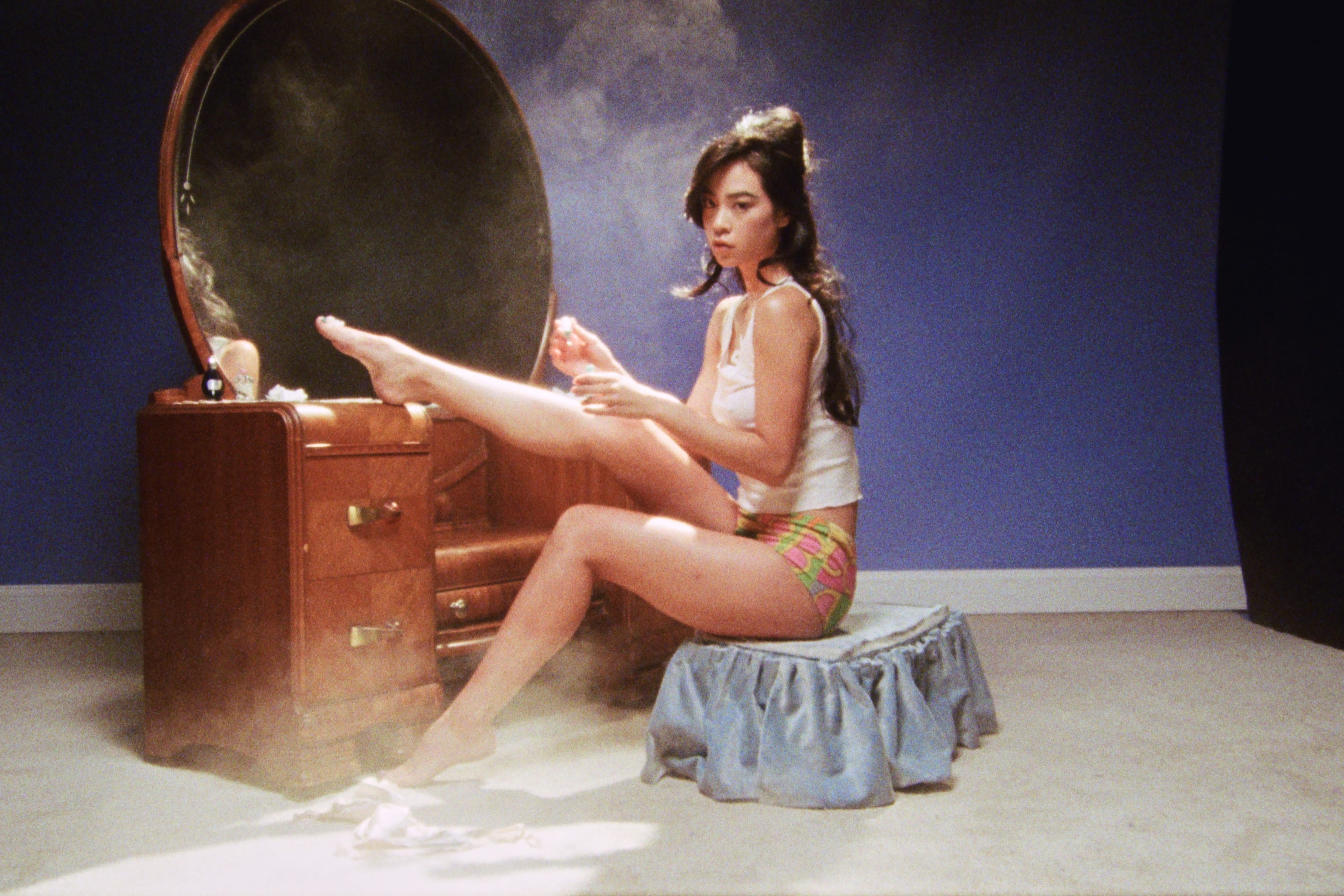
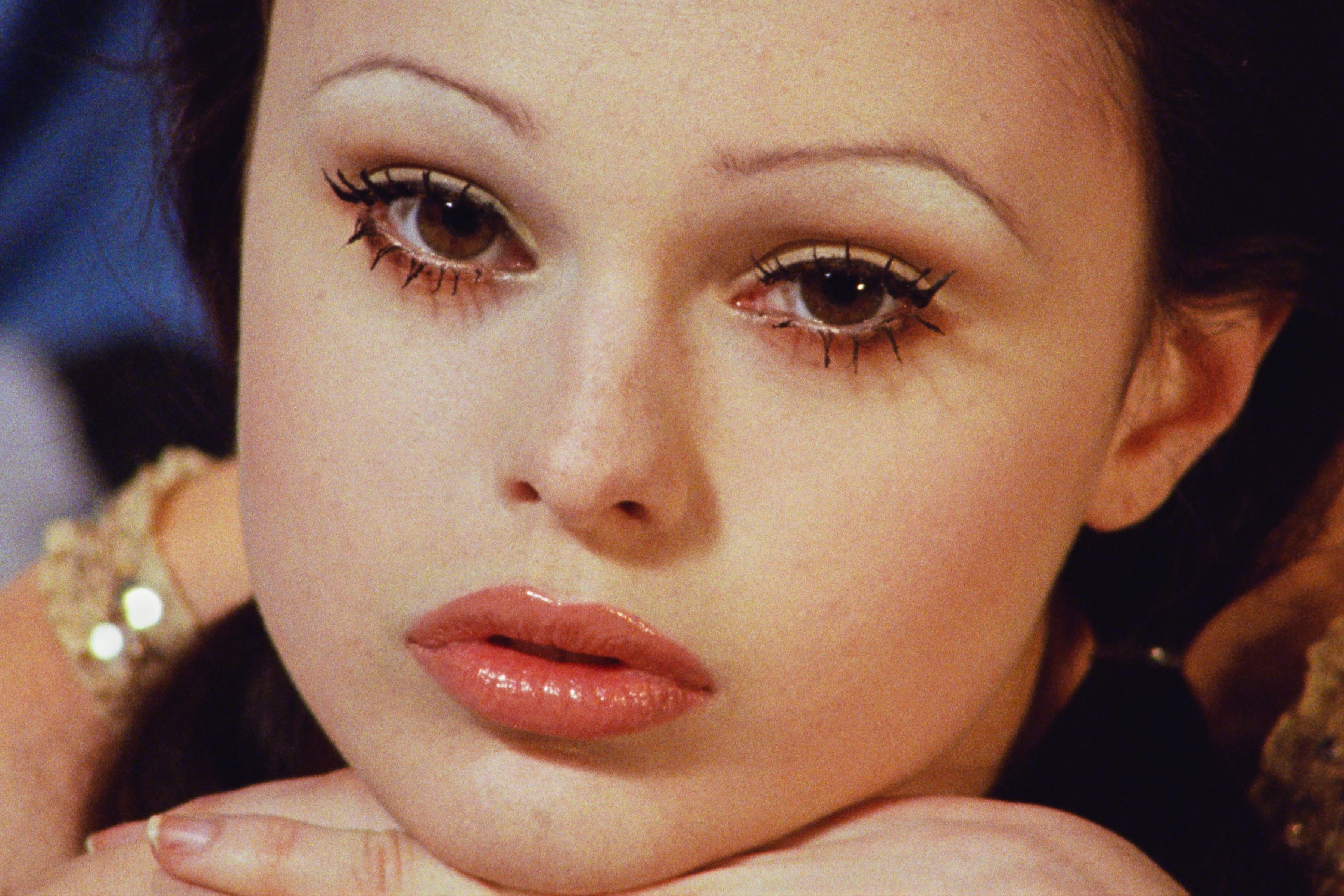
WM: How did you find the Phantom Thread screen tests? That’s so specific.
MM: Literally because of Hunter and our other friend Alex. I met Hunter like a year or two ago, and he was referencing all these movies. I was like, I don’t know what you’re talking about. Have you ever seen, I don’t know, an Adam Sandler movie?
I also like the Girls2 chemistry reads where it’s Lena Dunham and Adam Driver, and you’re like, Oh my god, this is so sexy, or the Quentin Tarantino Sundance Labs shorts where it’s him and Steve Buscemi in a bathroom acting out one of the scenes of Reservoir Dogs3. I wanted that kind of raw quality.
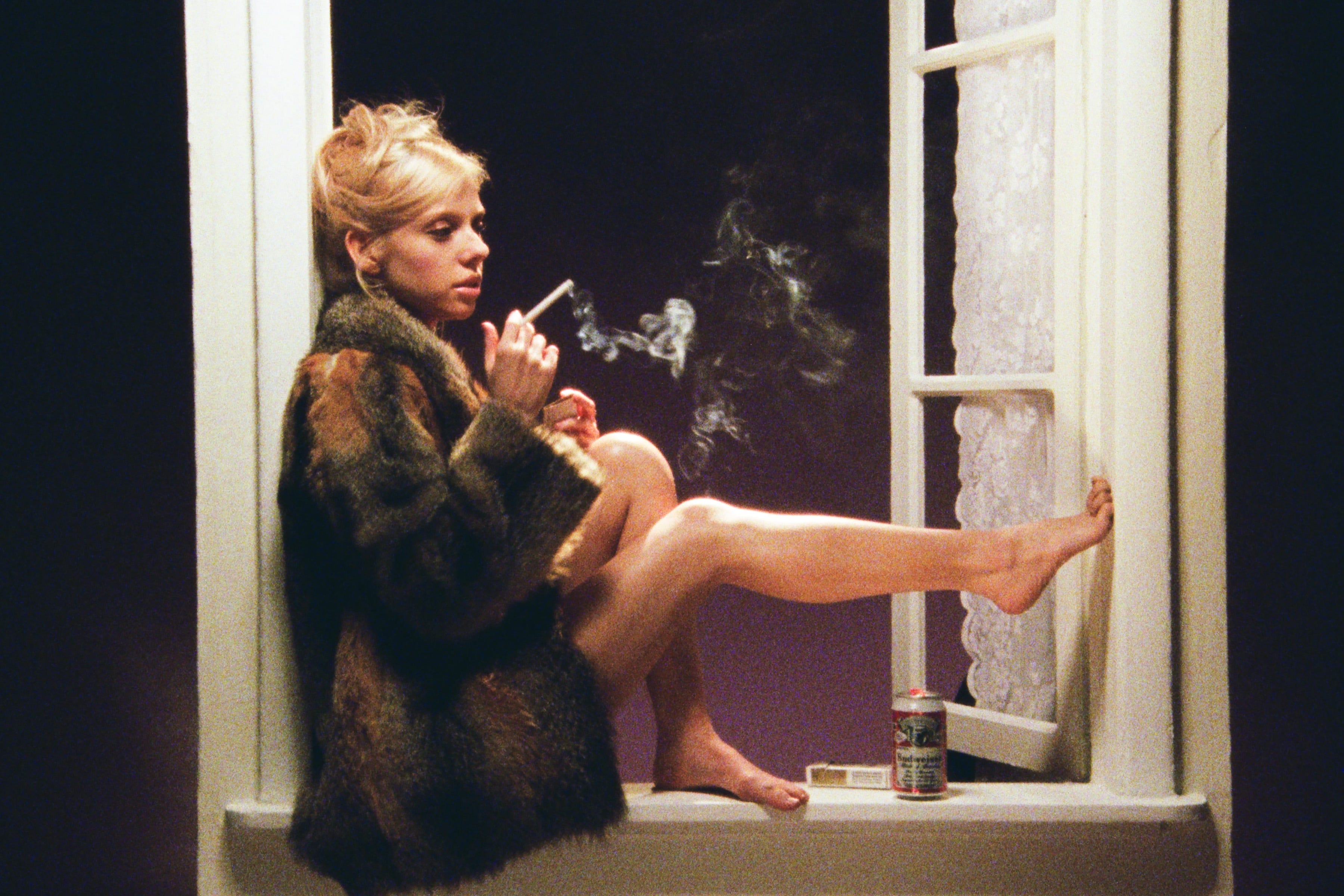
WM: There’s this contrast in your work between the high production sets, but then the model will have a bare foot out. Like in the Perfect Magazine cover you did with Selena Gomez, she’s rubbing her eye, and has a completely bare lip. I love that so much.
MM: Thank you. That was a moment where I was like, That’s so special.
In photography, often the talent is reacting to the sound of the shutter, and moving accordingly. Sometimes you can capture an unguarded moment. I love those instances where you can capture a secret daydream. It was natural to move into film. It’s much more fluid. I try to offer as much vulnerability on set as I would like the person in front of the lens to, which I think allows for a different type of intimacy.
WM: Are you interested in making movies?
MM: Yes, I want to so badly. There’s some things I’ve written. Hunter and I want to make one together. I told myself this last weekend, I’m going nonverbal for two days and I’m writing a movie. I didn’t do that, but maybe this weekend.
WM: What kind of stories do you want to tell with your photos? What kind of story would you want to tell with a movie?
MM: I’ve been thinking about this a lot. [Since high school] I was always taking photos. We would drive to cornfields and play dress up. When I finished college, I had an internship at Marc Jacobs [where] I started working with a casting director. I worked there for four years. I experienced a world where young women were treated quite poorly. When I did my first book, Girls in Bed (2023), it was the same bed that I have now. That work was so much about creating a safe space for women.
This project sees that same girl growing up. It’s made in an effort to question how much control she has over the transitive space between her girlhood and womanhood. The title of the book, Everybody Loved Her, Everybody Wanted Her, for me, there’s a certain sense of loss in that past tense. This girl was loved and she was wanted, but what has time done to that status? This is truly a response to my first book, to see where my camera fits into the lives and experiences I’ve imagined.
I am fascinated by telling stories that I’ve personally experienced. I don’t feel like it’s my place to tell a story that I’ve not experienced myself.
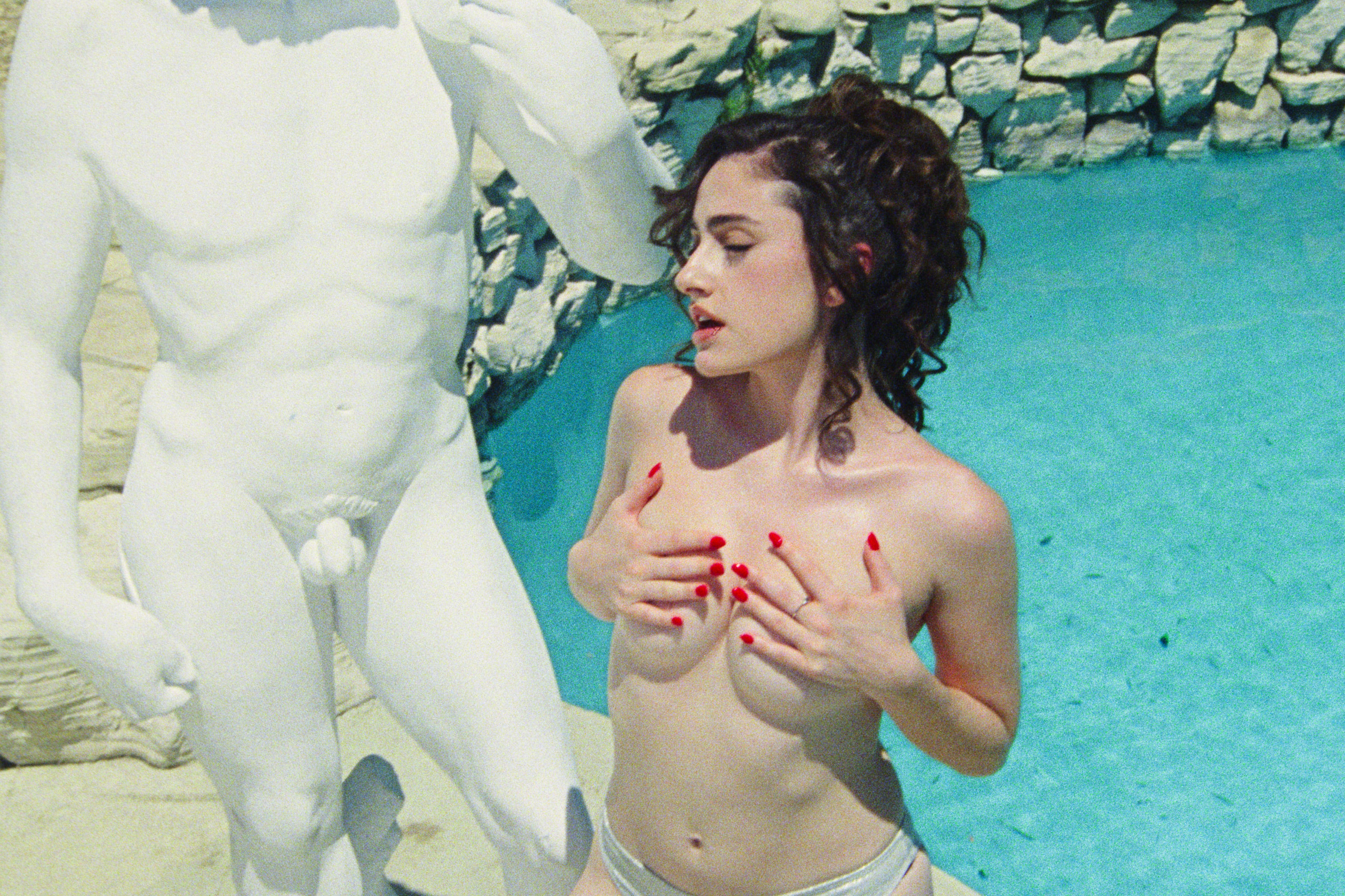
WM: The other day, I was at work in my little cubicle, looking at your website and doing research for this interview. Then, it hit me: there are so many boobs. It didn’t occur to me at first because there isn’t an NSFW energy behind it.
MM: In this book, everyone is a frequent collaborator, friend, or someone that I have some type of peripheral relationship with that we’ve now grown into being friends. It was a family affair. My friend Stella [Lucia] helped with the fashion. Rachel [Sennott] and I have known each other for years, and we’ve worked together tons, from when we were young to now. I just shot the new HBO billboard with her and it’s so fun. Same with Emily [Ratajkowski]. We met maybe four years ago now, and we’ve been frequent collaborators.
It’s incredible to be able to make this work with your friends. But yeah, I mean, I love boobs. I love women. I think they’re beautiful and fascinating, and obviously more than the boobs, as well. I feel like we live in this world where you’re supposed to be quiet about femininity. I think it’s something that’s so worth celebrating. I love being on set in a dress.
WM: Can you talk about the chair on set that has “The Prettiest Girl in Town” on it?
MM: Three years ago, I was driving with my friend Jaime Gerin, who’s in the book. We were driving to this weird motel that I found on Google Maps. I’m obsessed with Google Maps. We had my dog that I had found on the side of the road the year before, when I was driving to this same motel with a different friend.
So, we bring my dog, Bubbles, into [the motel], and Jamie’s like, it smells like poo. She looks down, and she’s been shifting her weight back and forth into the dog poo [on the carpet.]
We go to this Family Dollar to buy carpet cleaner for this $40 disgusting motel, but I’m such a goody-two-shoes, I can’t get in trouble. We hadn’t even taken any photos. We’re checking out at Family Dollar, and this lady is like, Oh my gosh, you’re the prettiest girl in town! So for years, I’ve said my next book is going to be called “The Prettiest Girl in Town.” That’s where the chair is from.
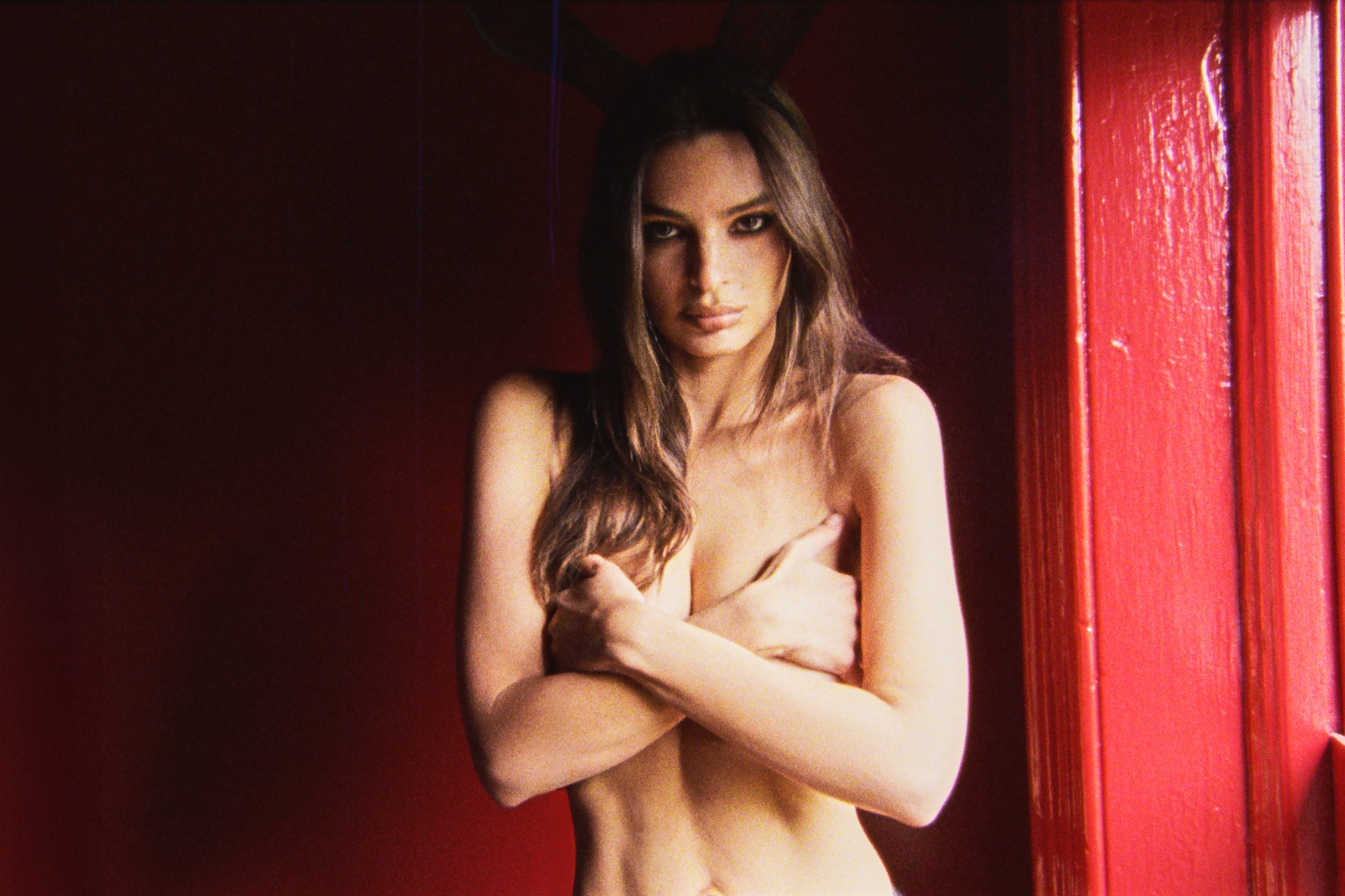
WM: The styling feels very late 1960s Playboy, and a little bit Andy Warhol. What eras were you inspired by?
MM: I love that. Exactly. The Warhol screen tests [were] a huge influence too. Marilyn Monroe beauty tests, Judy Garland’s hair and makeup testing for the Wizard of Oz4. I love that era so much. I love how dolled up women would get to leave the house. It was so fun to take my work into a direction of glamour. In my personal life, I wear a dress almost every single day.
WM: What’s your favorite dress right now?
MM: Oh my god, my favorite dress right now. I just got a dress from my friend Sofia Testino.
WM: Is it the one with the measuring tape?
MM: No, the all white lace one. What’s my other favorite dress? I have so many of the Saint Laurent Hedi Slimane dresses. Those feel 1960s to me.


WM: I really loved your portraits of Romy Mars. They were giving Miley Cyrus in “The Climb”-era when she’s starting to break out of Hannah Montana and asserting herself as an artist apart from her dad. I like that parallel with Romy. You’ve also photographed Apple Martin and Lila Moss. How do you approach photographing these girls who are carrying generations of beauty and lore behind them?
MM: It’s really a privilege, and I am such a girl at heart. I feel like I approach everyone pretty much the same. The Apple Martin one was fun because Mel Ottenburg styled that, and we shot that at his apartment in New York City.
At the end of the day, I’m a girl that wants to talk about your crush, and I want to talk about my crush, and have a cigarette and get down to the girl talk. I’ve been the same my whole life. Most of my work is a very small production. With this project, it still felt intimate even though we were on soundstages.
I still use my same camera from high school for some of my work. As I’ve gotten older, I feel so much more like who I was when I was a kid. I just like to chat with the girls. I feel so lucky that I’m able to do that, and also portray them in such an honest and beautiful way. I’m not trying to force anyone to be anyone other than who they are in that moment. Even in a full production, I treat it the exact same as if I’m taking photos in my bed, which I still do.
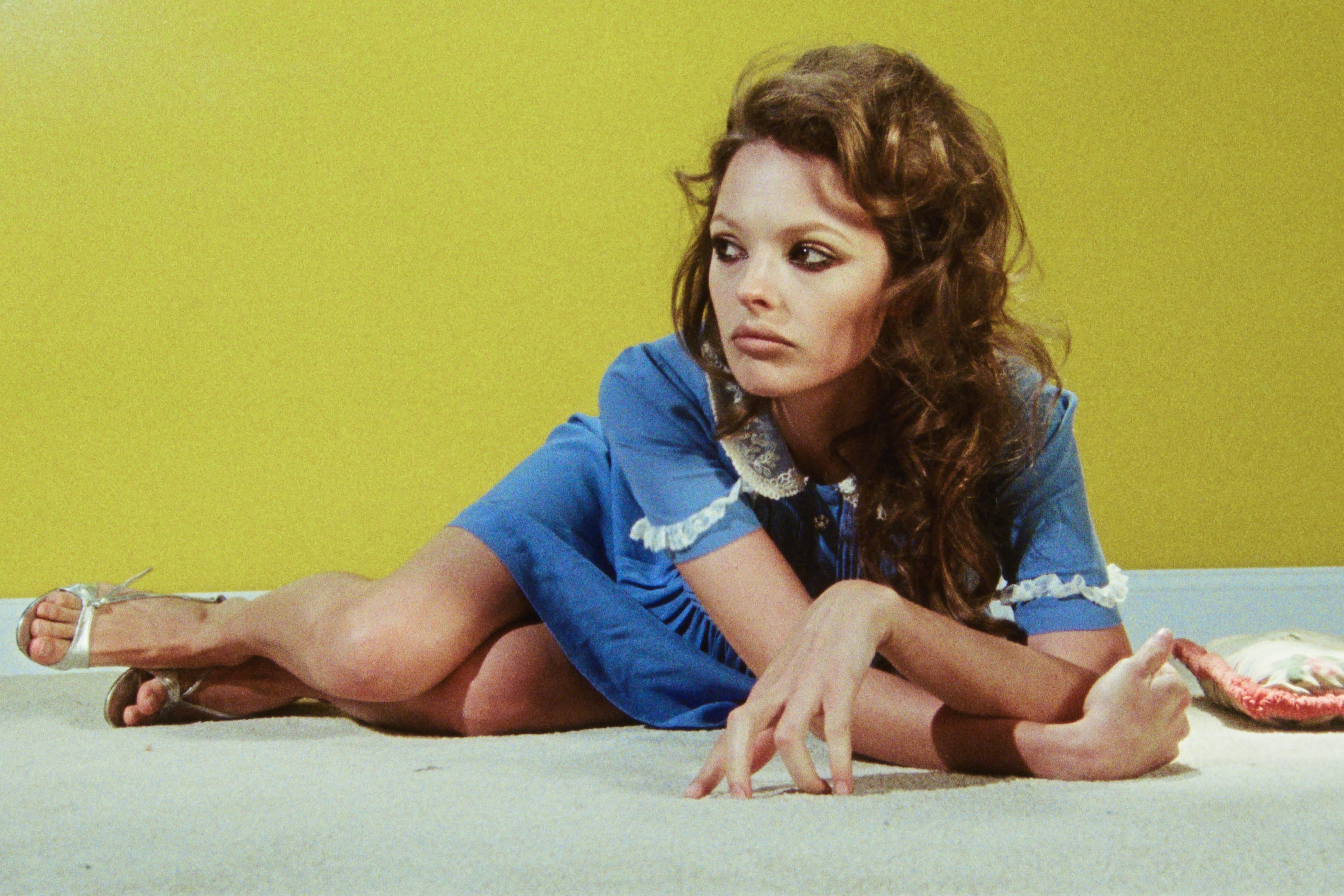
WM: I’ve been thinking about how to define what a “sex symbol” is. The women who come to mind, for me, there isn’t anything overtly sexual or salacious about them. It’s about their magnetism and their charisma, having some sort of raw talent. How would you define a “sex symbol”? Do you have any eternal sex symbols? Who are those women for you?
MM: I completely agree with you. It’s not about the physicality or the looks. I think you can look in someone’s eyes and see their heart and intentions. There’s something that draws you in. I love Nastassja Kinski in One from the Heart5.
WM: I think of Shelley Duvall in Annie Hall6.
MM: Yeah, 1,000%. Like, Diane Keaton. She’s so cool and has so much swag. Barbra Streisand, I feel like she’s not in that many like overtly sexy roles. There’s one, The Owl and the Pussycat7. Barbra Streisand, I love her. There’s a moment when you look at [a woman] and yeah, obviously [she’s] gorgeous, but because there’s a humanity to this person as well. [The humanity] is the balance, which I try to do in my work too. I never want there to be anything too unattainable in the work. I want it to be rooted in reality, even if it’s fiction.
WM: As a writer, I find that I can say things in fiction that I would never be able to say if someone just asked me directly.
MM: Completely. We live in an image-based world, and inherently a photograph is understood to be truthful. But a photograph is also a deception, because it reveals only one moment. Questioning the line between fiction and reality is so fascinating to me. Even if you share something in earnest, there is a detachment.
Being true to yourself, which sounds lame, is the only thing that you can do. You have to wake up and be okay with who you are as a person.
WM: Yeah. #StayTrue2Urself.
MM: As fuck. I’ve definitely been in situations where I’ve felt lost. It’s been informative. What was the question again, though? Who’s a sex symbol?
WM: Uh, yeah.
MM: I can think of a million girls that I think are beautiful and hot and sexy, but who am I captivated by? I think that’s a personal thing. There’s obviously widely understood beauty, but I think what is motivating is different than that.
-
Paul Thomas Anderson, 2017
Dunham and Apatow, 2012-2017
Tarantino, 1992
Fleming, 1939
Coppola, 1982
Allen, 1977
Ross, 1970