


Liam Syed is an independent journalist and photographer who has covered a range of conflicts in the last two years. All photos included are his own. Follow his work @liamsyed.
Before I ever set foot in a conflict zone, my understanding of war came from three places: my grandmother’s stories of the Blitz in WWII, university, and the cold glow of my phone screen. The first gave me a sense of history. The second taught me the theory of great power competition. The third offered something else entirely—a curated education in conflict, delivered in fifteen-second clips between memes and influencer posts. A bombed hospital here, a child’s body pulled from rubble there, buildings collapsing. War told only through moments capable of producing the necessary shock and outrage to survive in an attention economy.
Social media has revolutionized how we consume conflict. 60 Minutes segments and double-page spreads by foreign correspondents have been replaced by Instagram accounts and OSINT obsessives dissecting drone footage for millions of followers. Tech CEOs sit down with world leaders. TikTok becomes a bargaining chip in trade negotiations. Social media is the new battlefield, and curation is the weapon.
We’re all aware that this is happening. But it wasn’t until I began reporting from the ground in conflict zones that I discovered just how skewed my perception really was. The version of war I had constructed from my screen, I realized, had been stripped of something crucial: humanity.
On social media, one swipe can move you from an influencer’s vacation photos to scenes of bombardment. To be sure, Western media consumers have long been disconnected from the realities of war, but this instant juxtaposition is something new. It twists our ability to recognize true violence, numbing us not through distance but through adjacency. The banal is pressed so tightly against the horrific that both lose their weight. Real human victims become virtual representations of abstract conflicts, just another piece of content on the feed.
This sinister mechanism conscripts all of us. In attempting to fulfill the moral imperative to bear witness to atrocity, we proliferate compassion fatigue, and subsume victims of war and terror into our algorithm-driven media world, where they are used for the ends of engagement, interpersonal posturing, and social signaling. The brutal voyeurism that succeeds on social media is precisely what numbs us to real suffering. We become ethically paralyzed, unable to feel.
-
I was midway through a Master’s studying theoretical explanations of conflict when I got the idea to be a war journalist. I wanted to breach my understanding of conflict, to move from the abstract to the tangible, and grasp the humane dimensions of conflict that no academic framework can truly capture. It was in search of this firsthand experience that I put a pause to my studies and went to Ukraine in the summer of 2024.
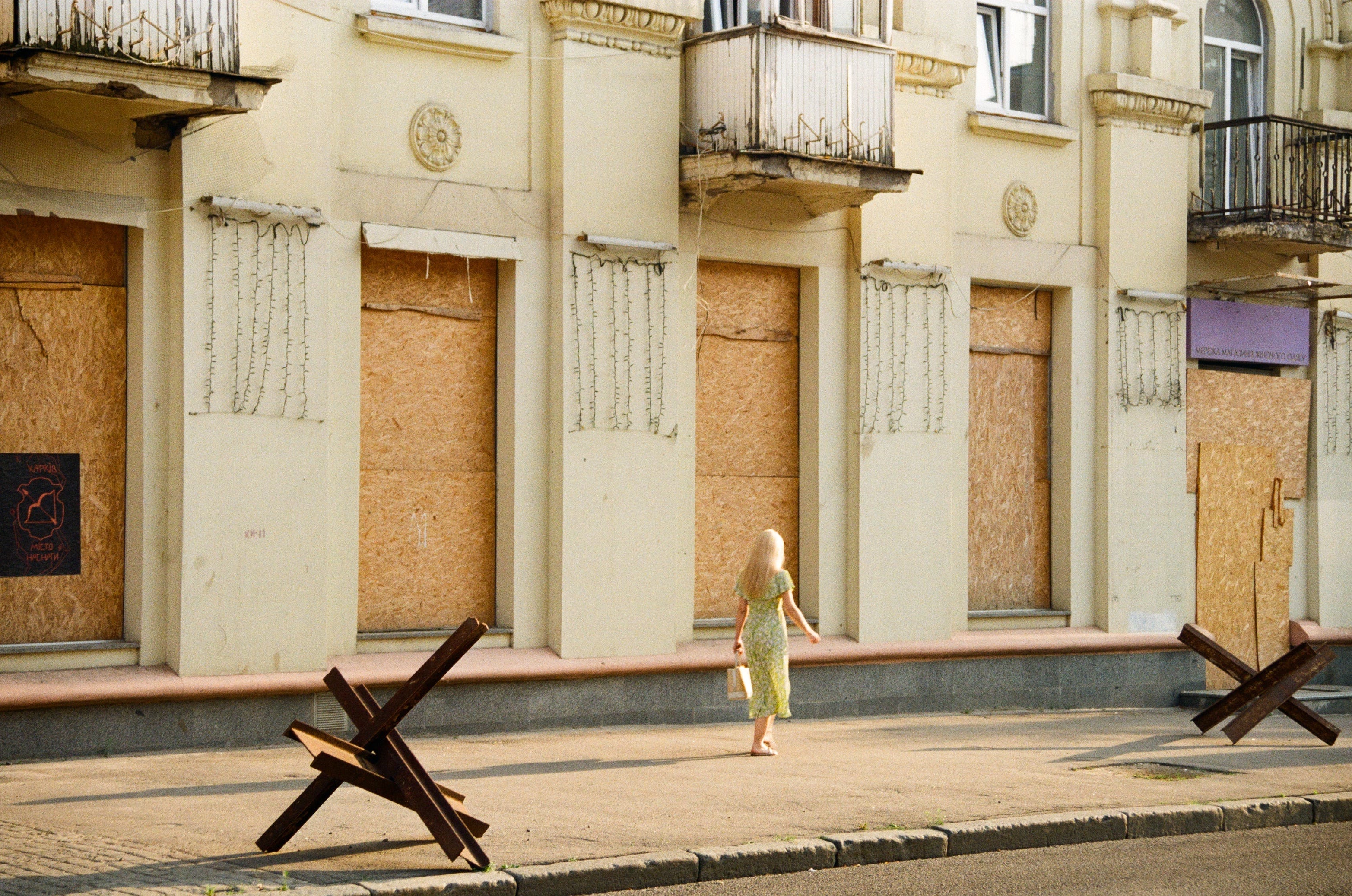
I went to Odessa in the southeast, far from the frontline but still under threat of indiscriminate Russian bombing. The air raid sirens rang three to four times a day. The first time I heard them, I experienced an adrenaline that no missile on a phone screen could recreate. A phone screen also couldn’t shake the walls of my hotel the way Iskander missiles did as they hit the port city. These rude awakenings confirmed my interest in this line of work.
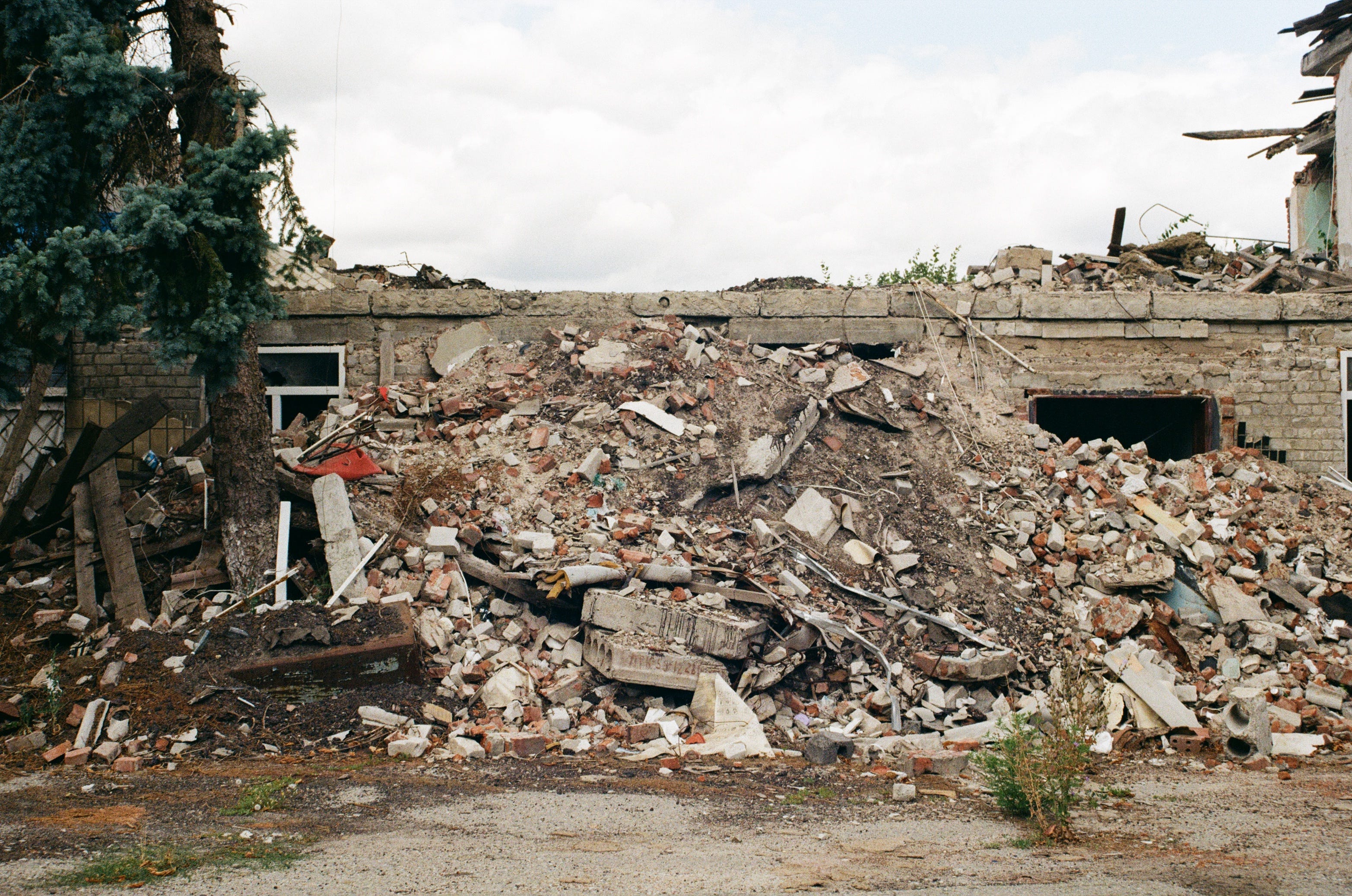
Since then, I’ve spent time in numerous conflict zones. In every one I find something completely unexpected, something more human than any of the media surrounding them.
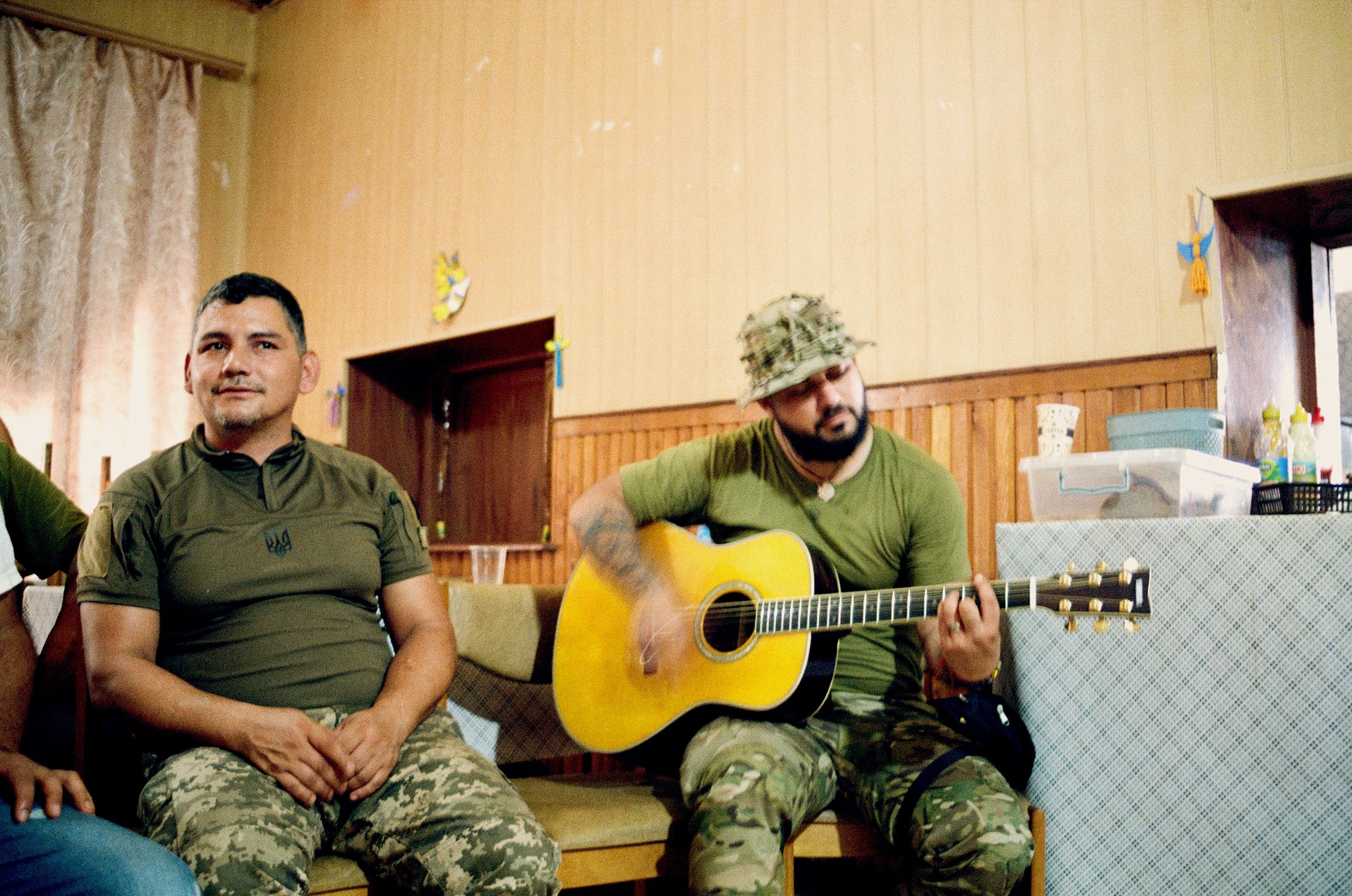
During my second trip to Ukraine, I encountered Colombian mercenaries strumming guitars and playing Latino music at an organized concert on their rare day off. One of them told me that to be a Colombian who has traveled across the globe to fight in one of the most gruesome conflicts in recent history—where the convergence of trench warfare and new developments like FPV drones has created warfare both ancient and futuristic—you have to be a little crazy. Despite this acknowledged madness, the moment felt calm and profoundly human. They were trying to conjure home through song, their faces softening as familiar melodies rang out. These moments of tenderness and longing are incompatible with an algorithmic understanding of “mercenary.”
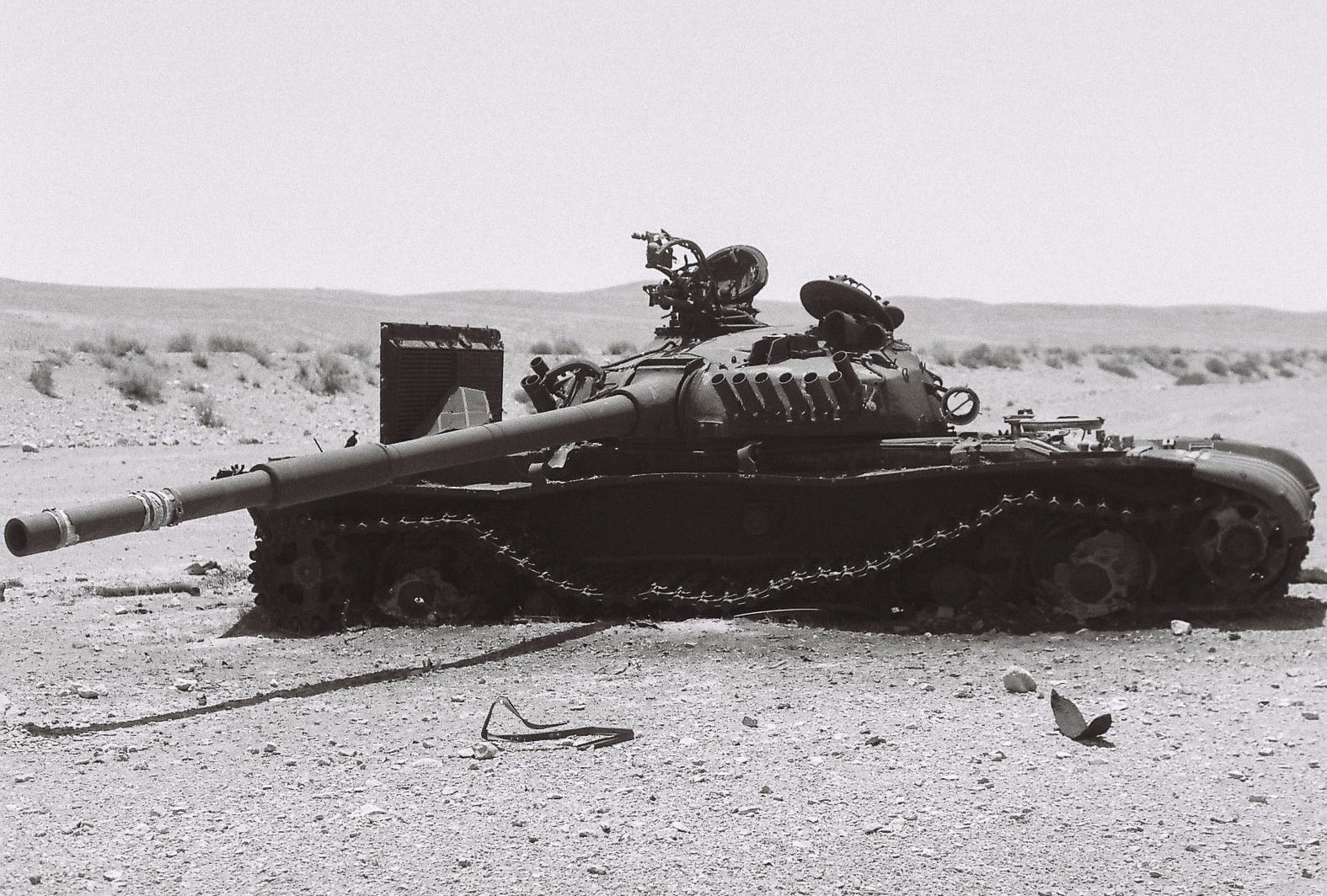
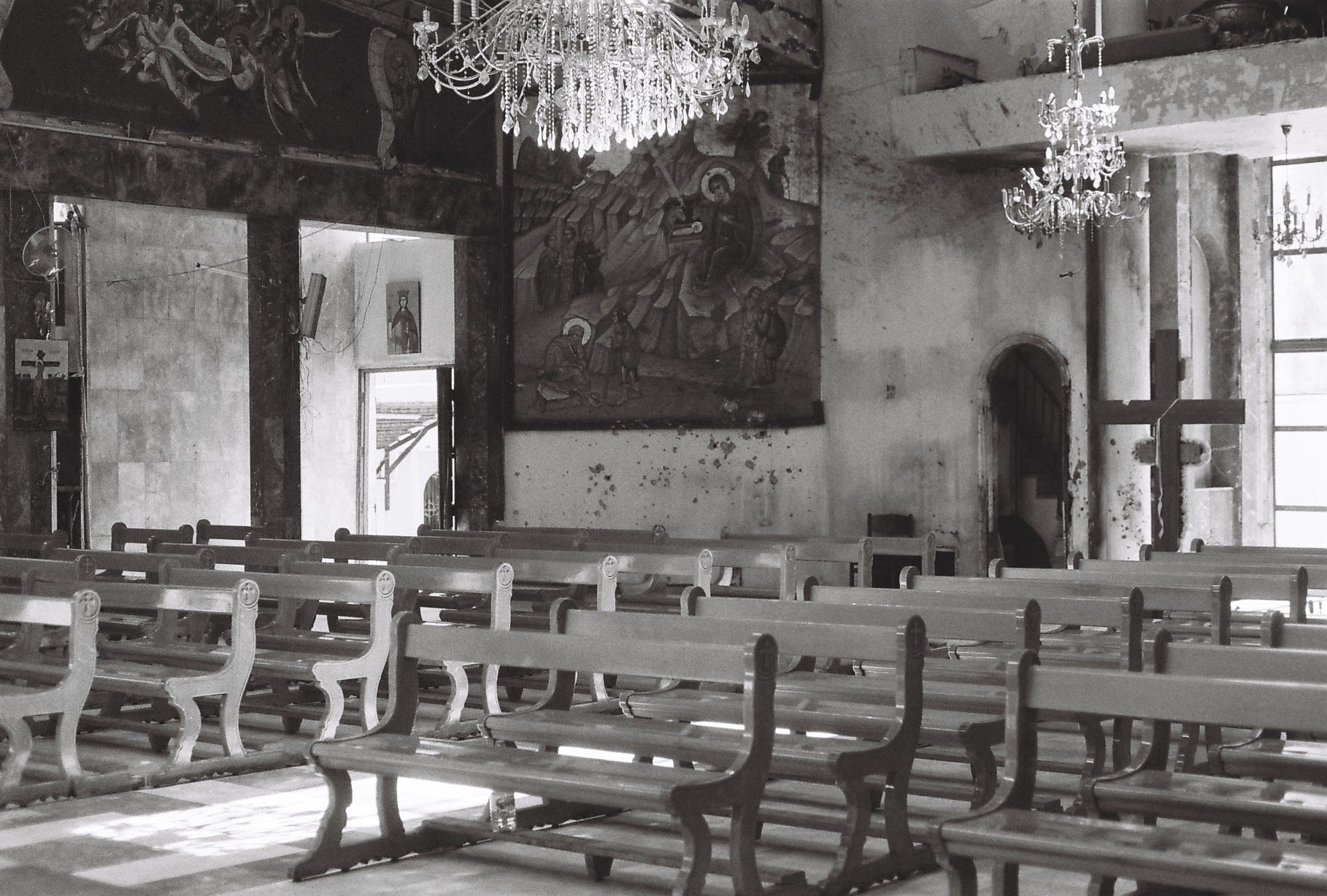
In Syria, after the fall of Bashar al-Assad, I met soldiers who were ecstatic to meet a foreigner. They asked us to photograph them, pride in their eyes.
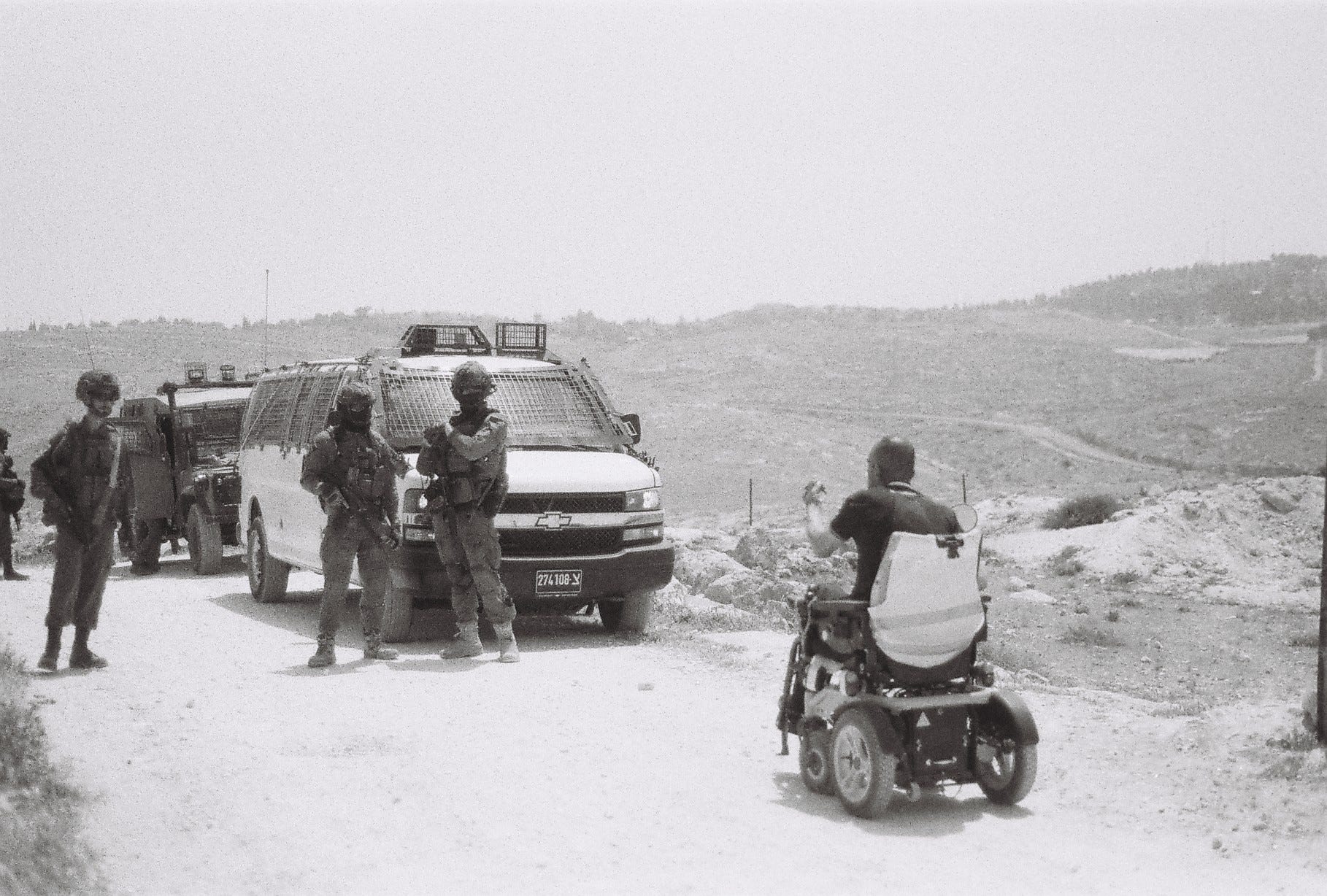
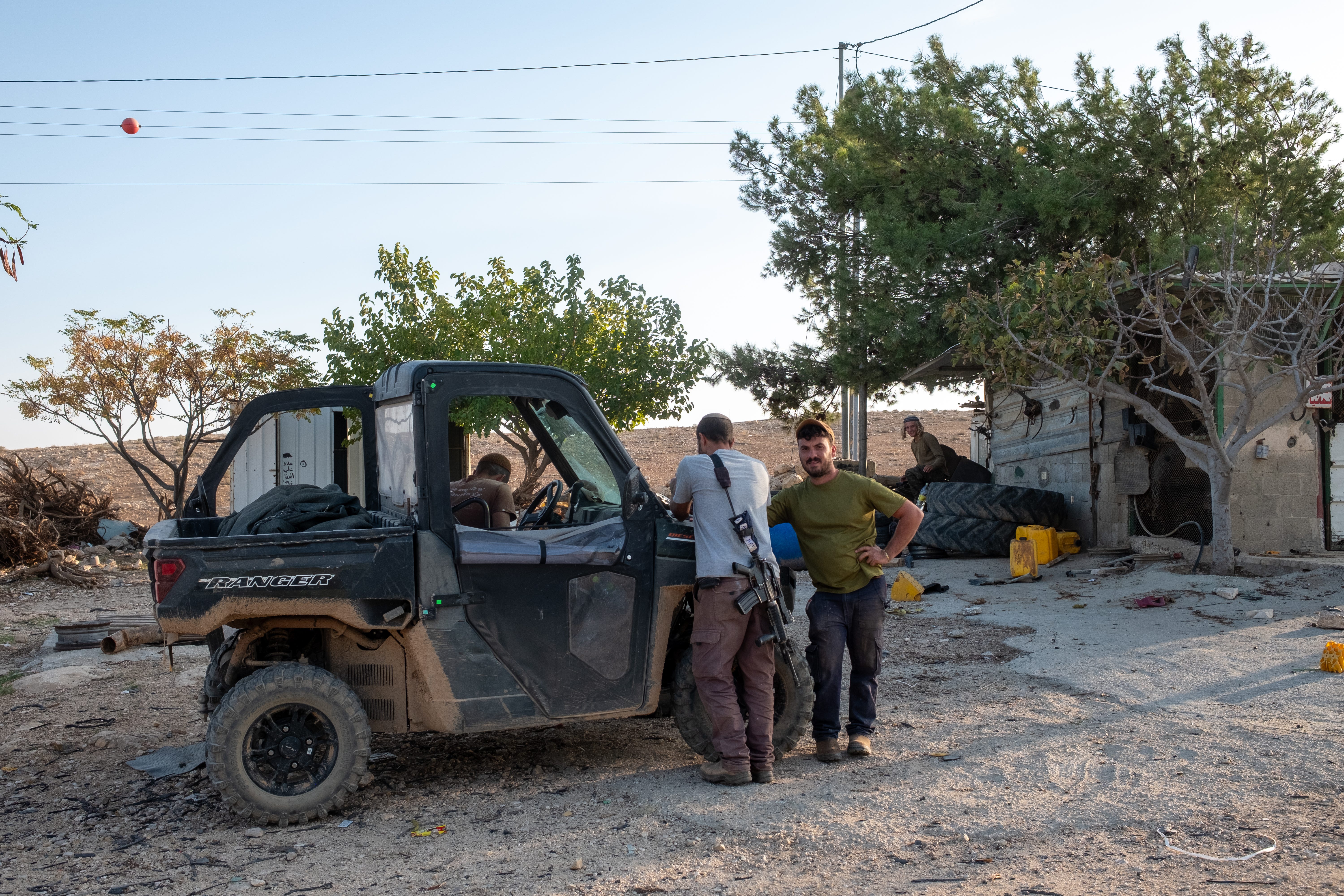
In the West Bank, I found what clips showing bursts of violence—settler attacks, army incursions, the kind of footage that goes viral—fail to: the psychological weight of besiegement and occupation. Even when nothing is happening, there’s an ambient dread, a tension that permeates daily life. The footage captures incidents; it misses the all consuming fear between them, the way people navigate their days under the shadow of potential violence that could erupt at any moment.
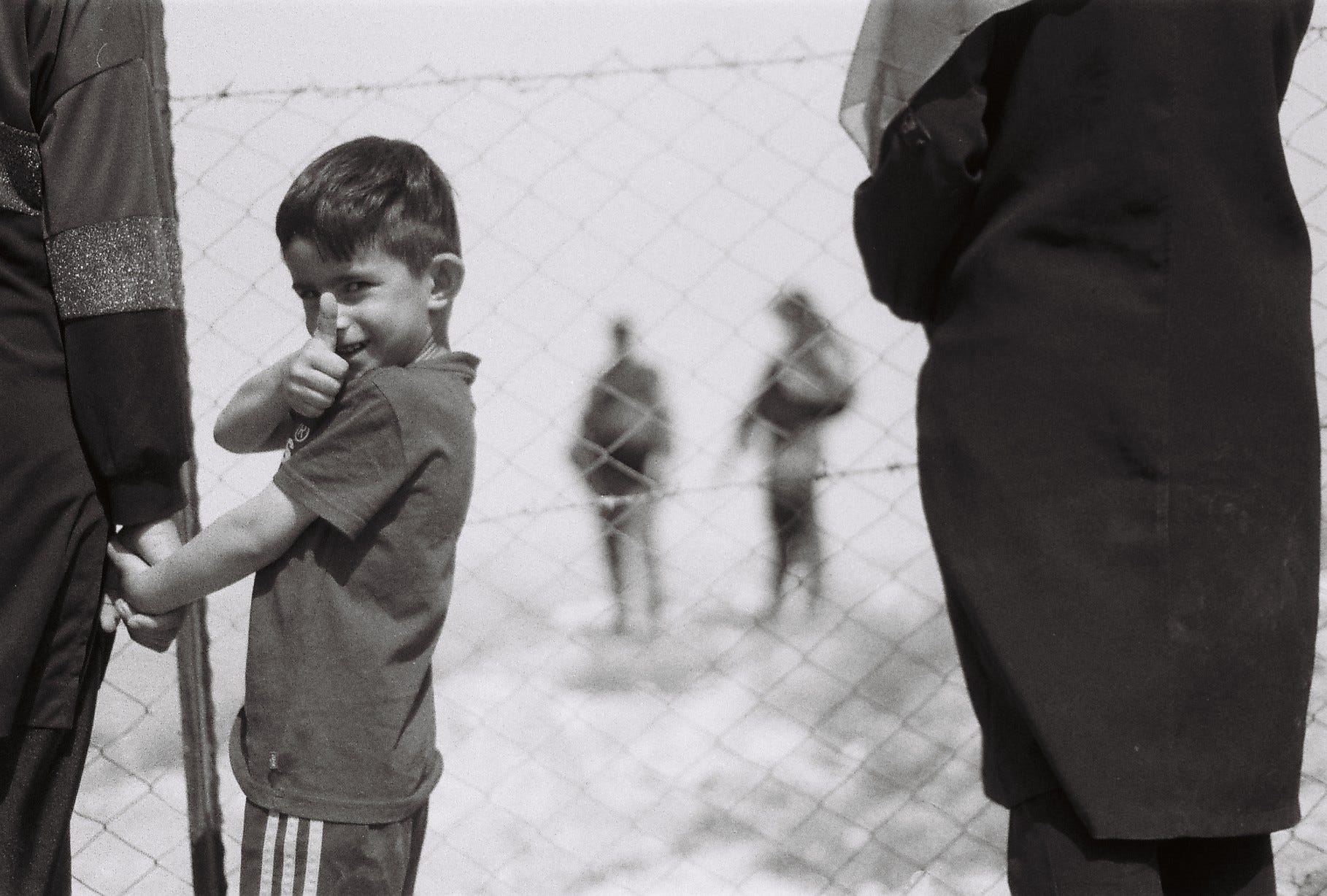
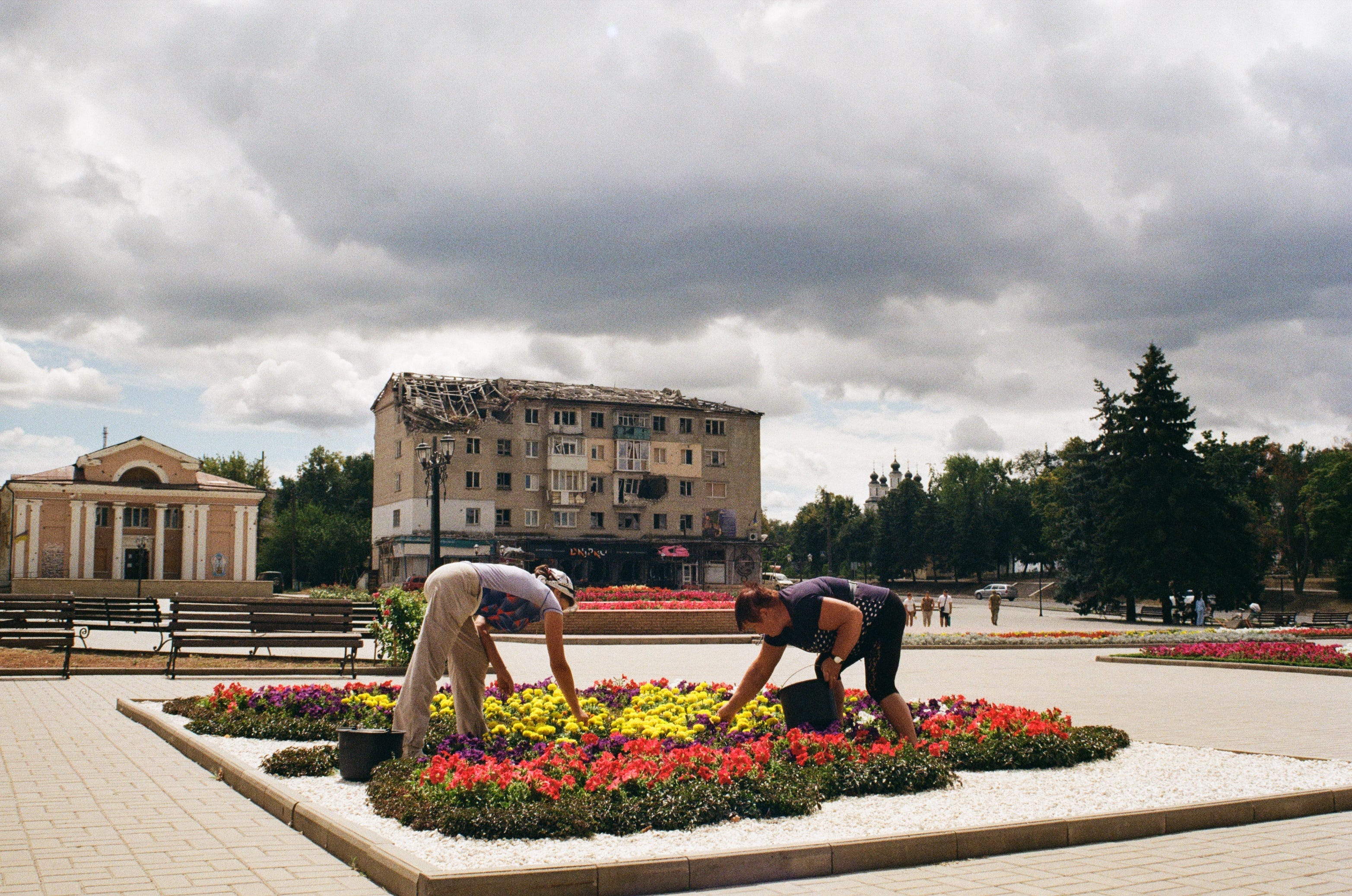
These are the human textures that social media erases. The algorithm has no use for the ordinary, the tender, the quiet moments. It wants the explosion, the blood, the rubble, the screaming. And so we learn to understand war as a series of climactic moments rather than a lived experience. We see people only at their worst, never in the mundane rituals that would allow us to recognize ourselves in them.
This is not to say that the most gruesome and violent parts of war and conflict should not be shared. Journalism has a role in documenting war crimes and immorality, to prompt the public to push for policy change and effect social reform. Social media has democratized this project. Journalists now have greater ability to disseminate content beyond the control of media moguls and state gatekeepers. In an era when journalists are increasingly targeted, imprisoned, killed, or barred from conflict zones, social media allows crucial images and testimonies to escape through other means.
But social media also creates an economy that profits from these moments of pain, while obscuring the humanity of the people who suffer it. The whiplash from trivial to traumatic and back again doesn’t allow for the emotional space needed to truly absorb suffering, to sit with it, to let it move us toward action or understanding. Instead, we scroll past, numbed by the velocity and variety of content, only able to grasp the most basic and reduced aspects of atrocity, war as a series of headlines and infographics.
The answer is not to turn away. It is to recognize in the current era of media distribution, war and the people who suffer from it are products. Social media sells us a simplistic, dehumanized view of war, and we buy it with our attention. The transaction costs us more than we realize.
This week, we are once more watching devastation unfold through our screens. A new phenomenon has emerged: my feed is now marked by videos of Dubai-based influencers discovering in real time that war does not exempt them because of their social media careers. If this seems strange to us, it should only underscore how alienated we have become from the people who suffer from conflict, how convinced we are that they are somehow different from us.
But they are not. They are humans with loved ones, aspirations, a life they never envisioned would become an abstract representation of something regrettable to global audiences.
Those of us who have lived insulated from conflict can easily forget it, but the truth is that all of our safety and security can be snatched away. This can happen very quickly. Our moral duty lies not in idle voyeuristic consumption, but in tangible actions, organizing in the real world. Bearing witness to conflict cannot be productive in the absence of true empathy. Now is the time to find such empathy, and transform it into political action. Only then can all this horror actually advance the fight for justice.
Written by Liam Syed
fantastic read, thankyou.