


Written by Mikail Haroon
This summer, design across multiple artistic disciplines was infected with the same very specific color palette: electric turquoise, hot pink, and chrome silver.
The trend began innocuously, bubbling up through the aesthetics of niche fashion brands, visual artists, underground musicians, and cultural tastemakers1.
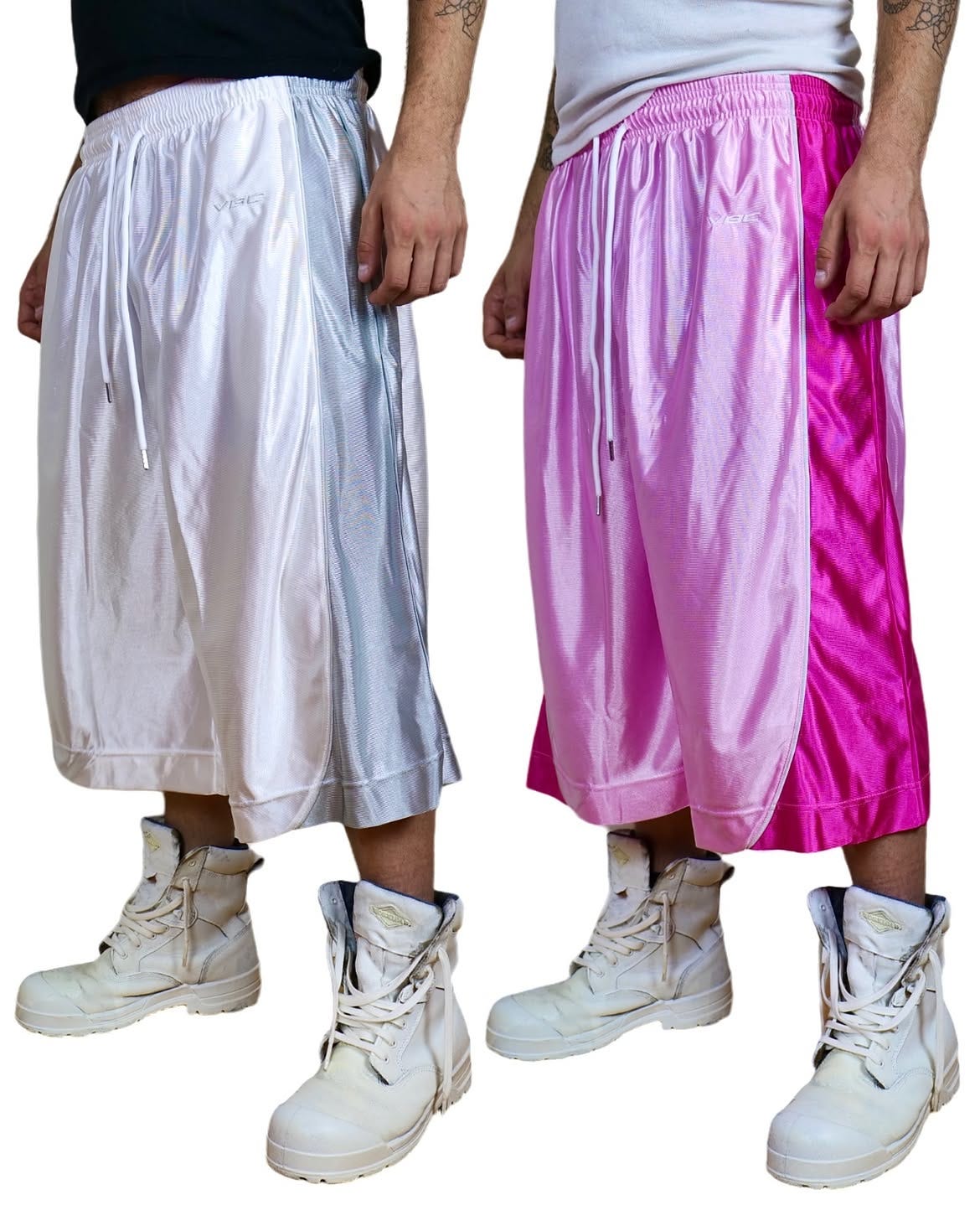
It was initially easy to write off as a superficial micro-trend, just another diluted Y2K revival. But as the aesthetic spread, it became clear that there was more to it than just the colors. There were also visual motifs, like dreamy saturated sunsets. And there was a thematic coherence: an abstract sense of glamour, excess, and messy ethereal bliss.
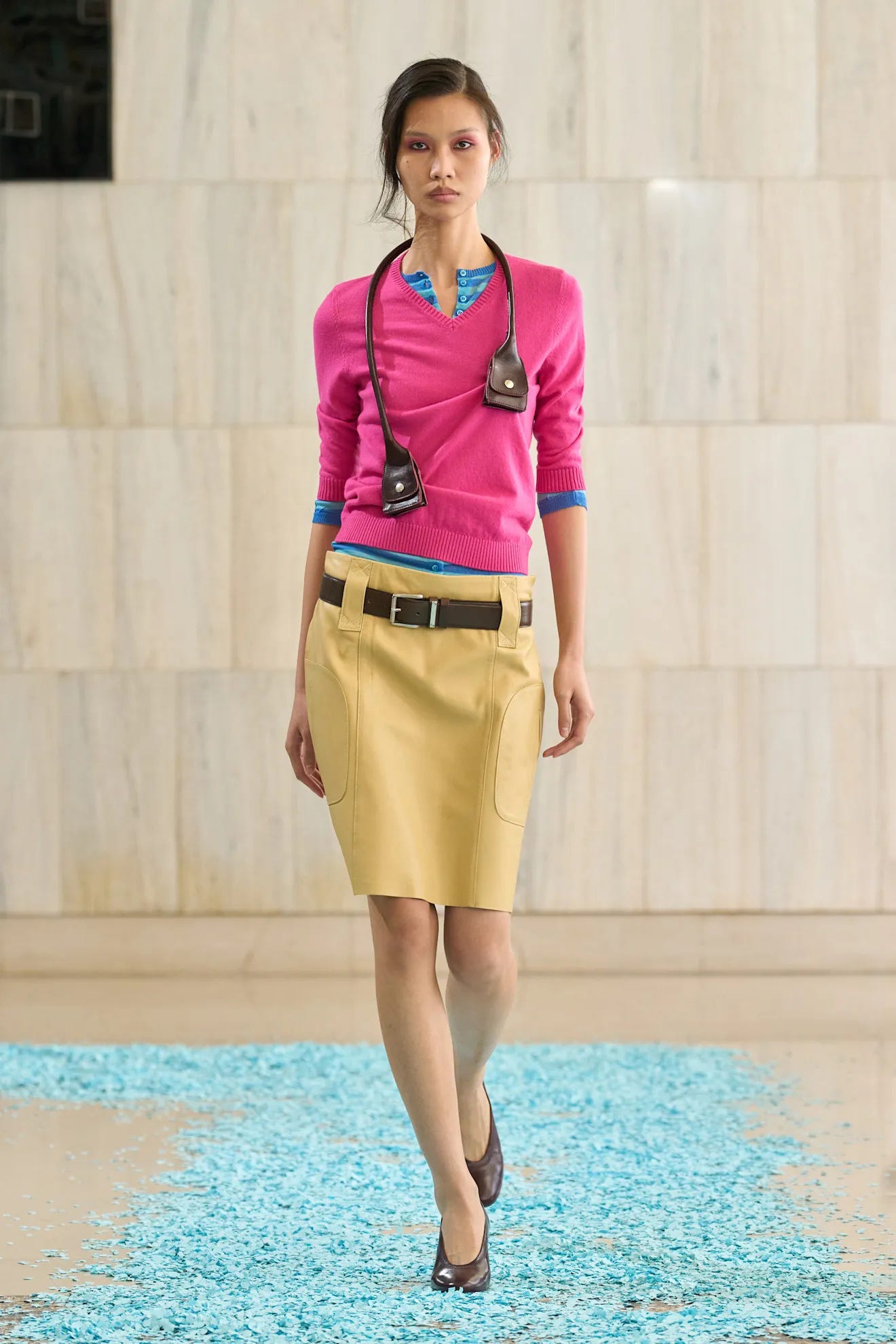
Taken together, it soon became clear that this design trend is an expression, in visual language, of the spirit of an unlikely city: Miami.
‘Unlikely’ because Miami has long been a cultural punching bag, associated with tawdry commercialism and gaudy maximalism. In recent years, the city has become a sensationalized, absurd backdrop for streamer content farming and aspirational IG-reel-crypto-grind-LARP culture.
But the truth is that Miami embodies much of what American culture is currently obsessed with: unabashed spectacle, a hunger for an unpolished “real” America, a fascination with collapse, and regional identity as mythology.
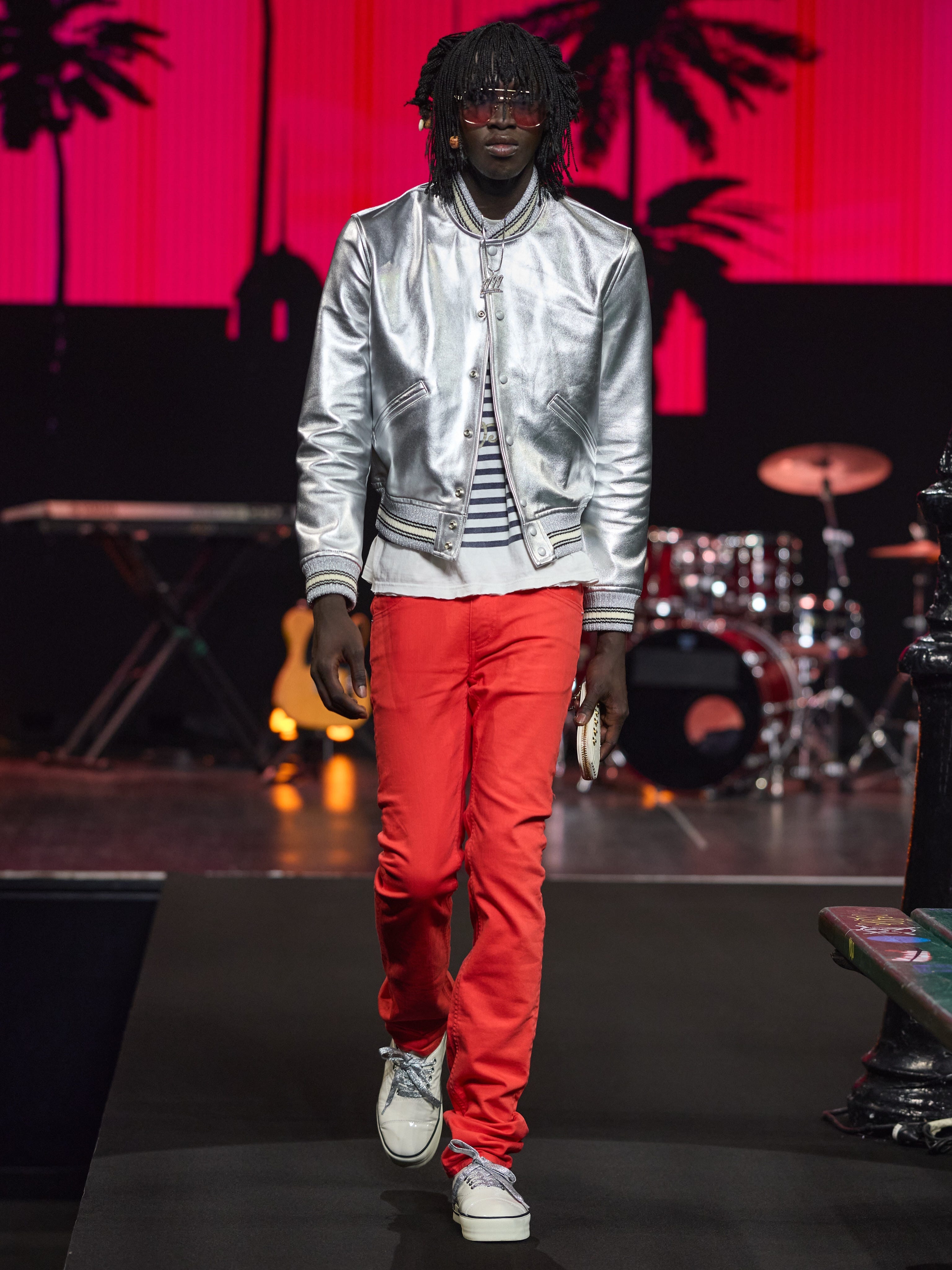
All that attention, however mocking, laid the groundwork for a major Miami rebound. Conceptions of cool come in cycles. In culture’s never-ending carousel of subversion, it seems Miami is back up.
This is Miami Revitalism.
Miami Revitalism [def]: an emergent design aesthetic embodying (intentionally or unintentionally) the spirit of Miami through an electric color palette, flashy motifs, and an ethos of glamour and relaxation.
Defined by:
palette: electric turquoise / mint, hot pink, and chrome silver2.
iconographic motifs: sunsets, palm trees, chrome/neon signage, etc.
thematic vibe: saturated, messy, ethereal, blissful, brazen, relaxed, glamorous, sexy.
Examples, by category:
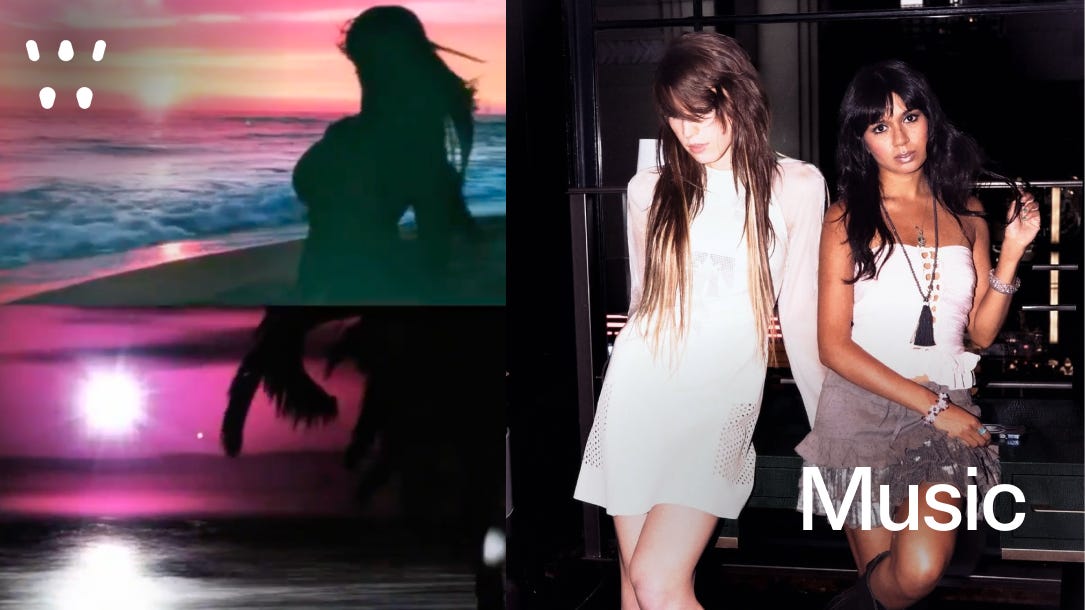
Music visual design and world building
Miami Revitalism informed many of this summer’s releases, with a significant presence in the rollouts, album artwork, music videos, and broader aesthetics for pop, electronic, and rap projects.
JT’s upcoming album Club Cheetah
B0YG1RL - “Reality”
Addison Rae’s debut album art direction
Zara Larsson - “Midnight Sun”
Camila Cabello’s Miami vlogs
Kim Petras - Detour
Tyga’s recent release
Fenix Flexin - “RUBBERZ”3
Underground Fashion
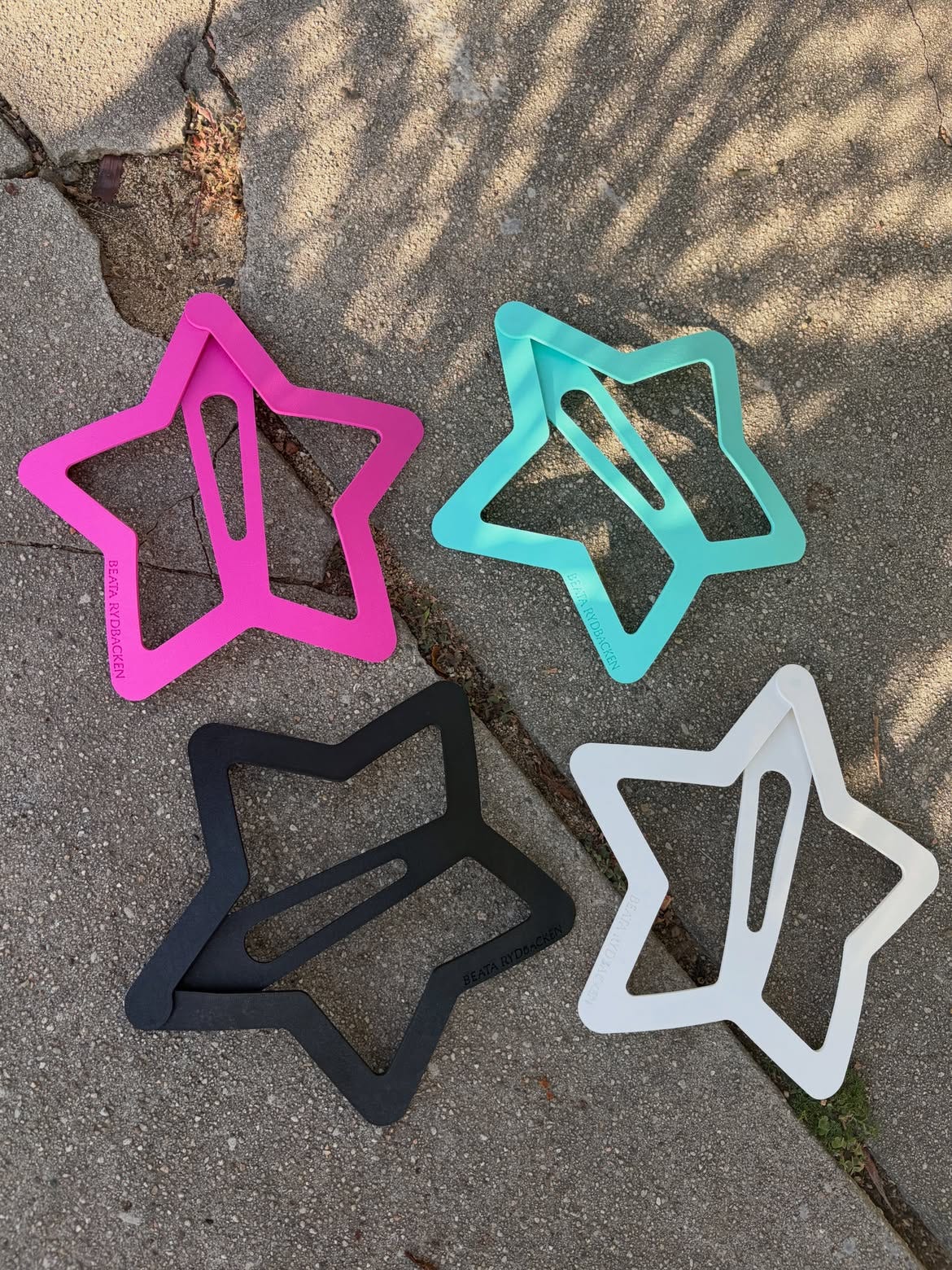
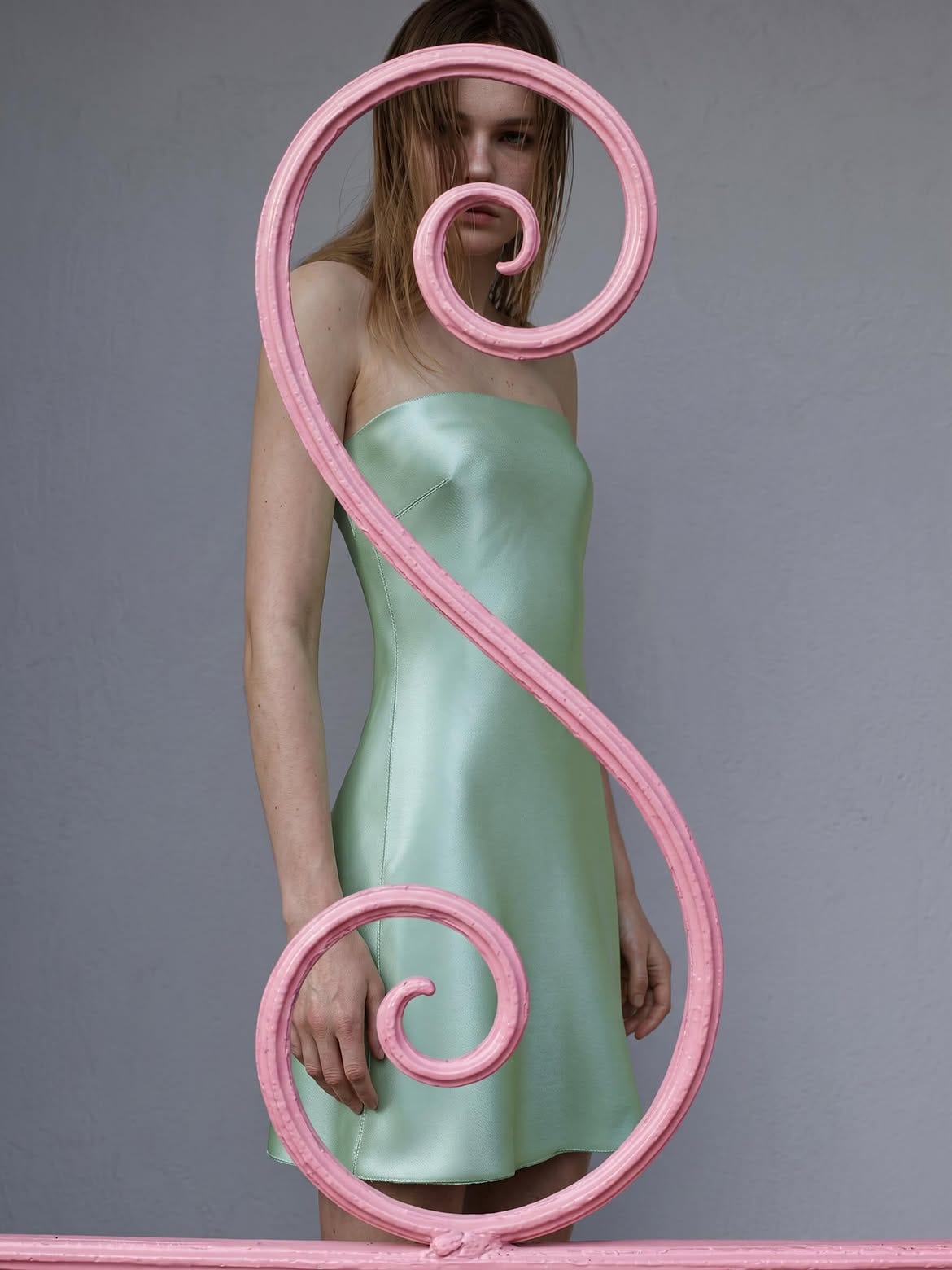
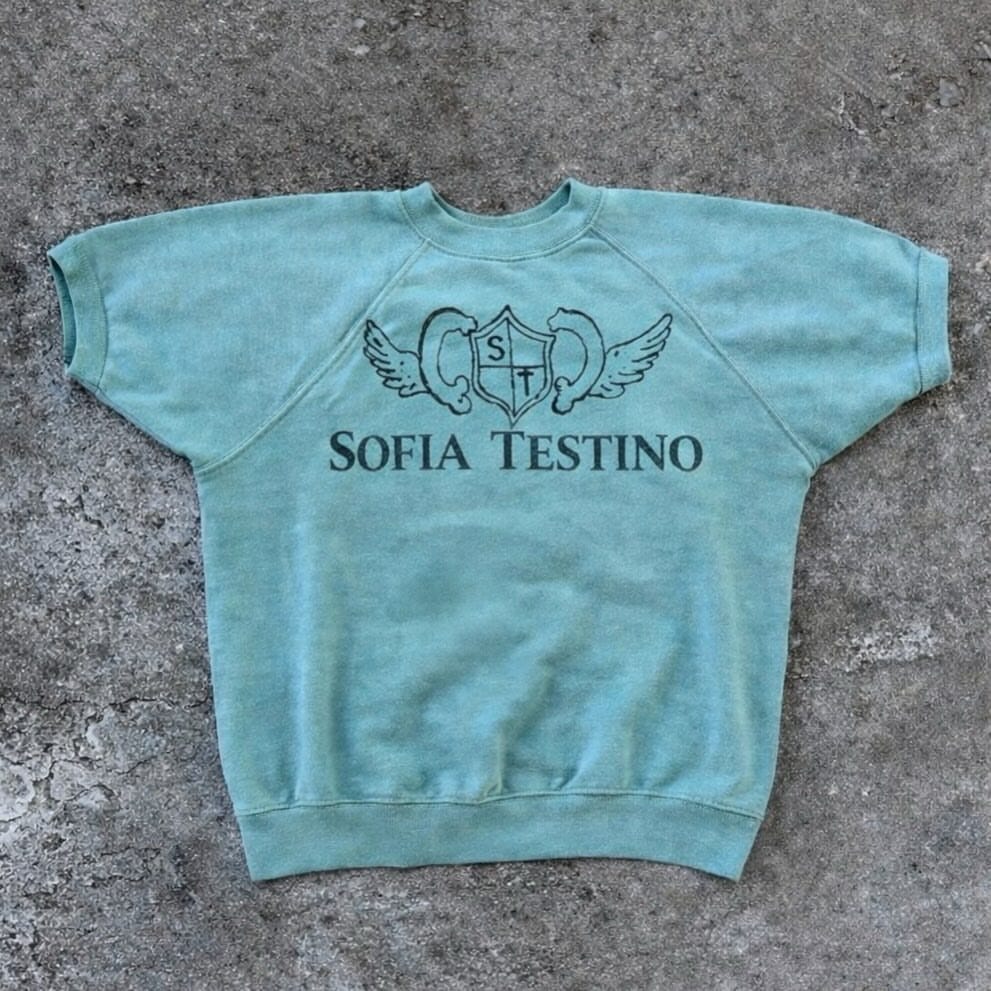
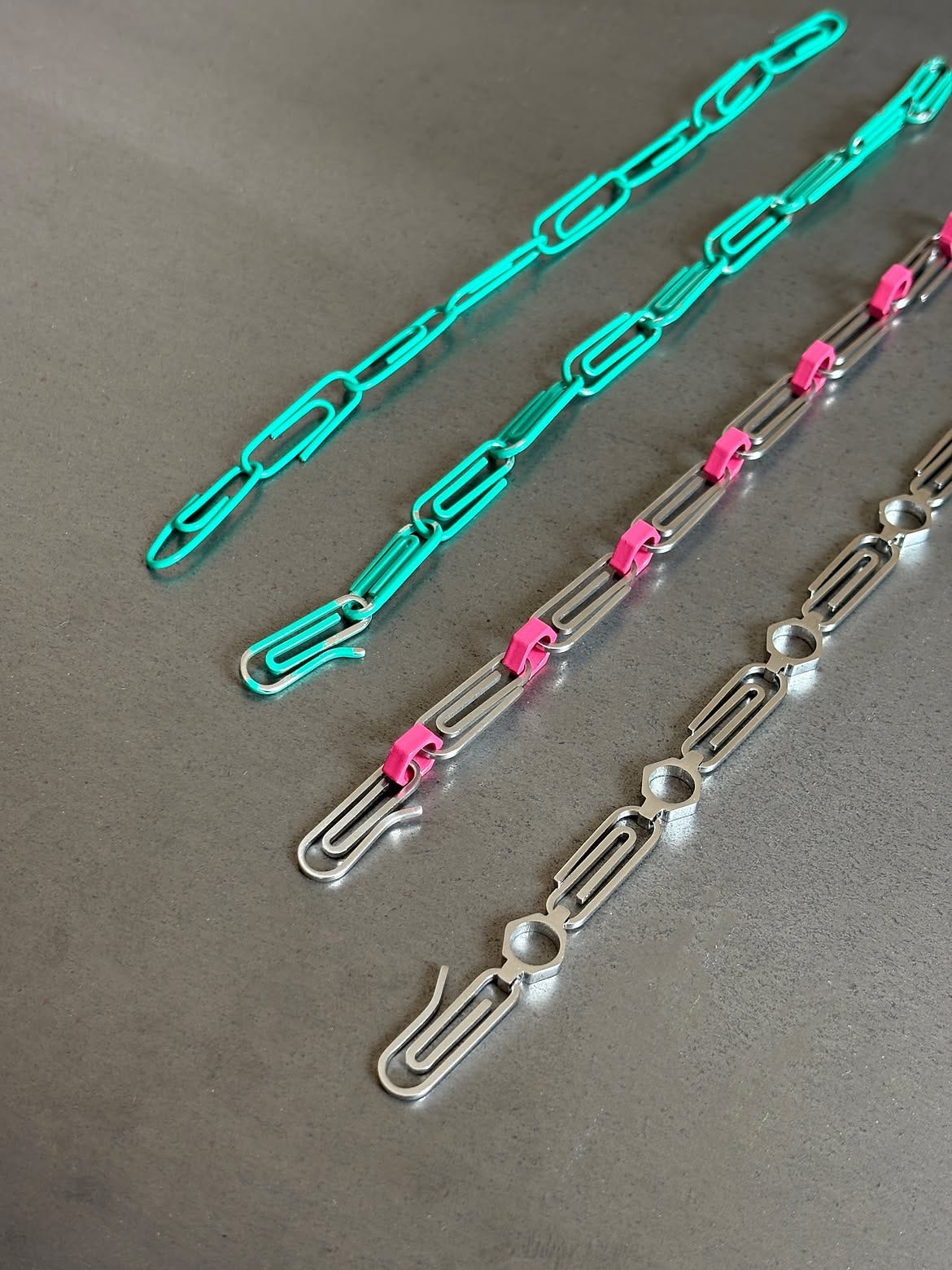
Niche fashion and design are definitely where this trend is most concentrated right now, which suggests it is still upstream of the mainstream. Most prevalent on Instagram, the colors, symbols, iconography, and casually glamorous approach of Miami Revitalism have spread across a growing set of labels, designers, and boutiques.
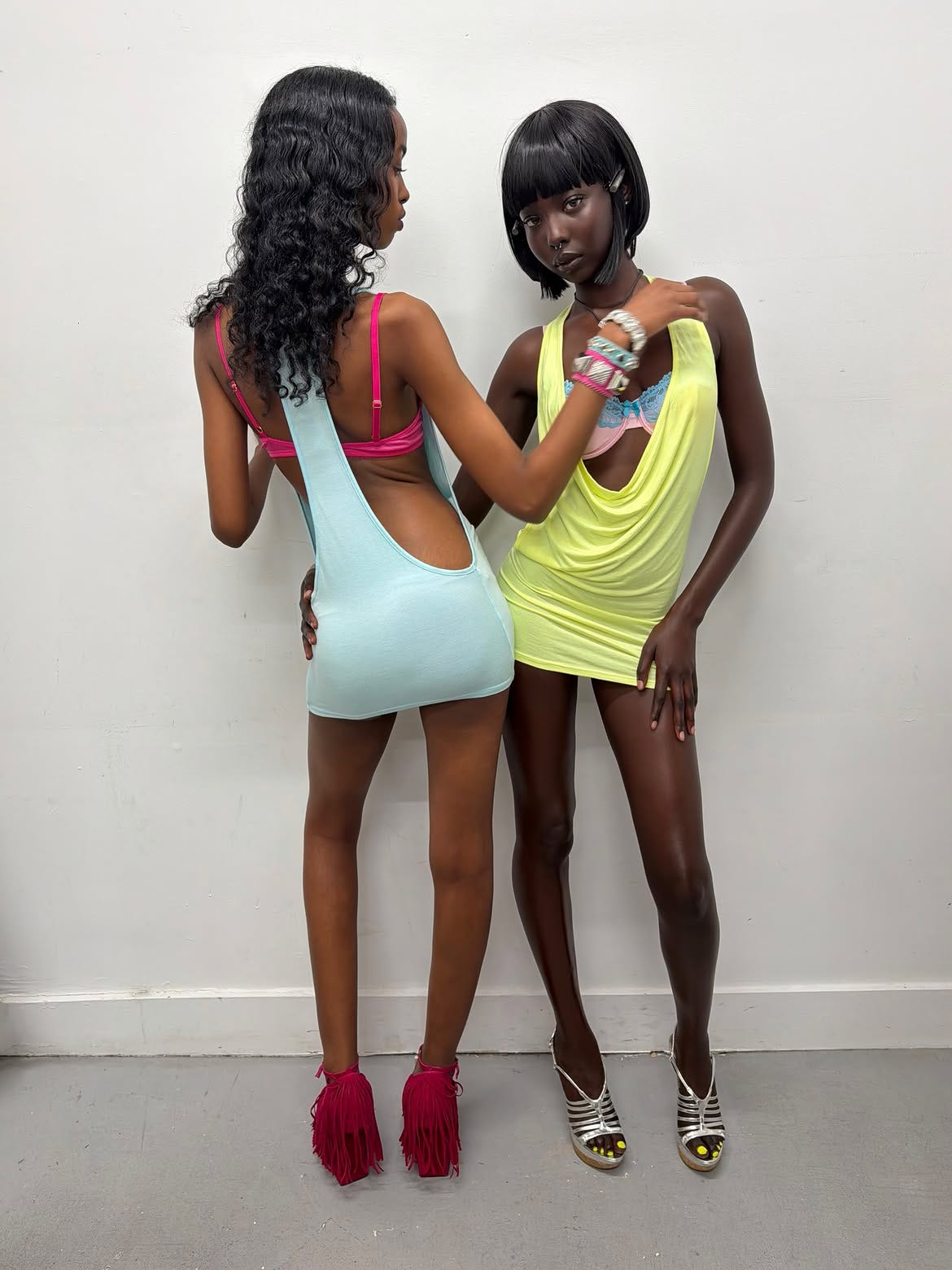
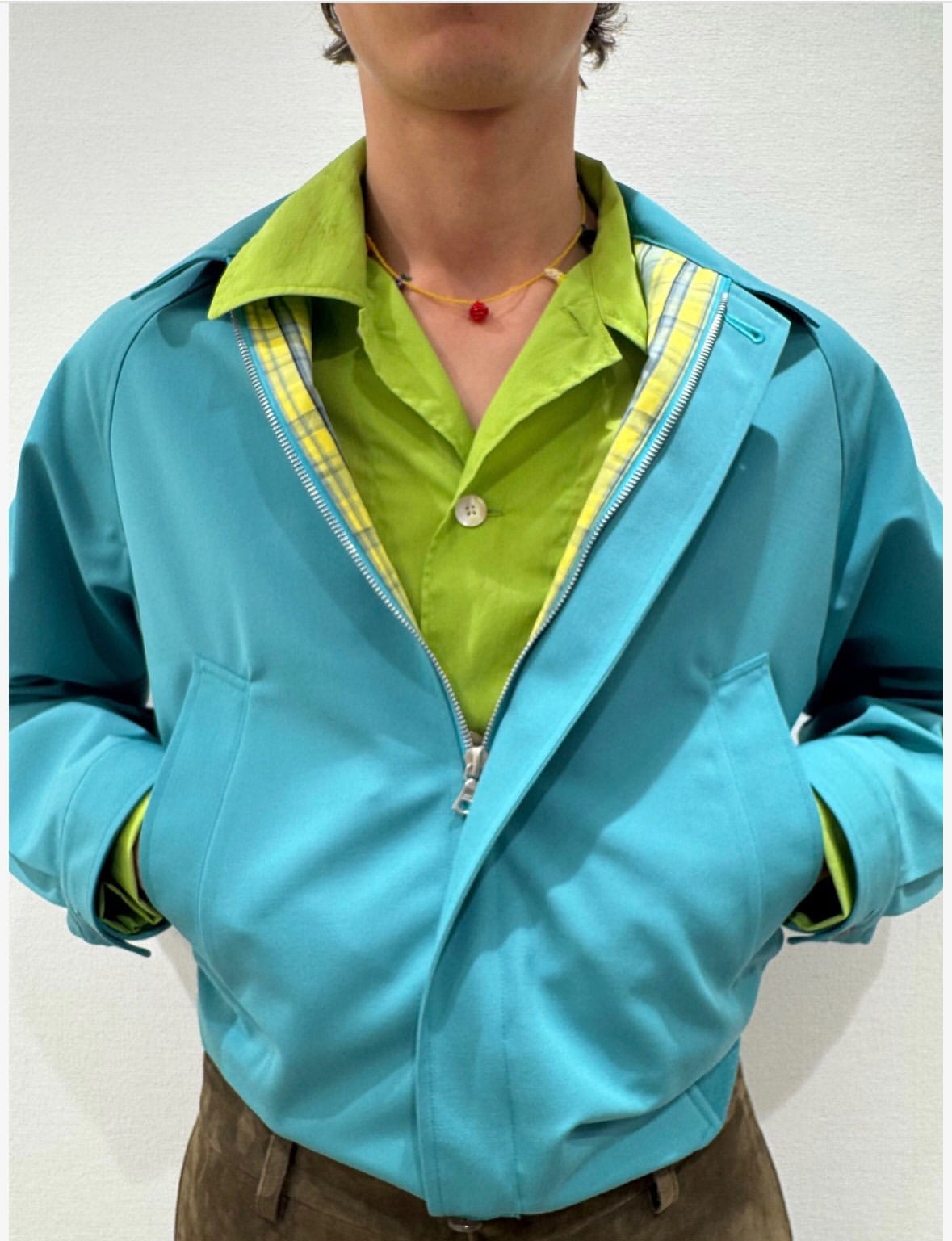
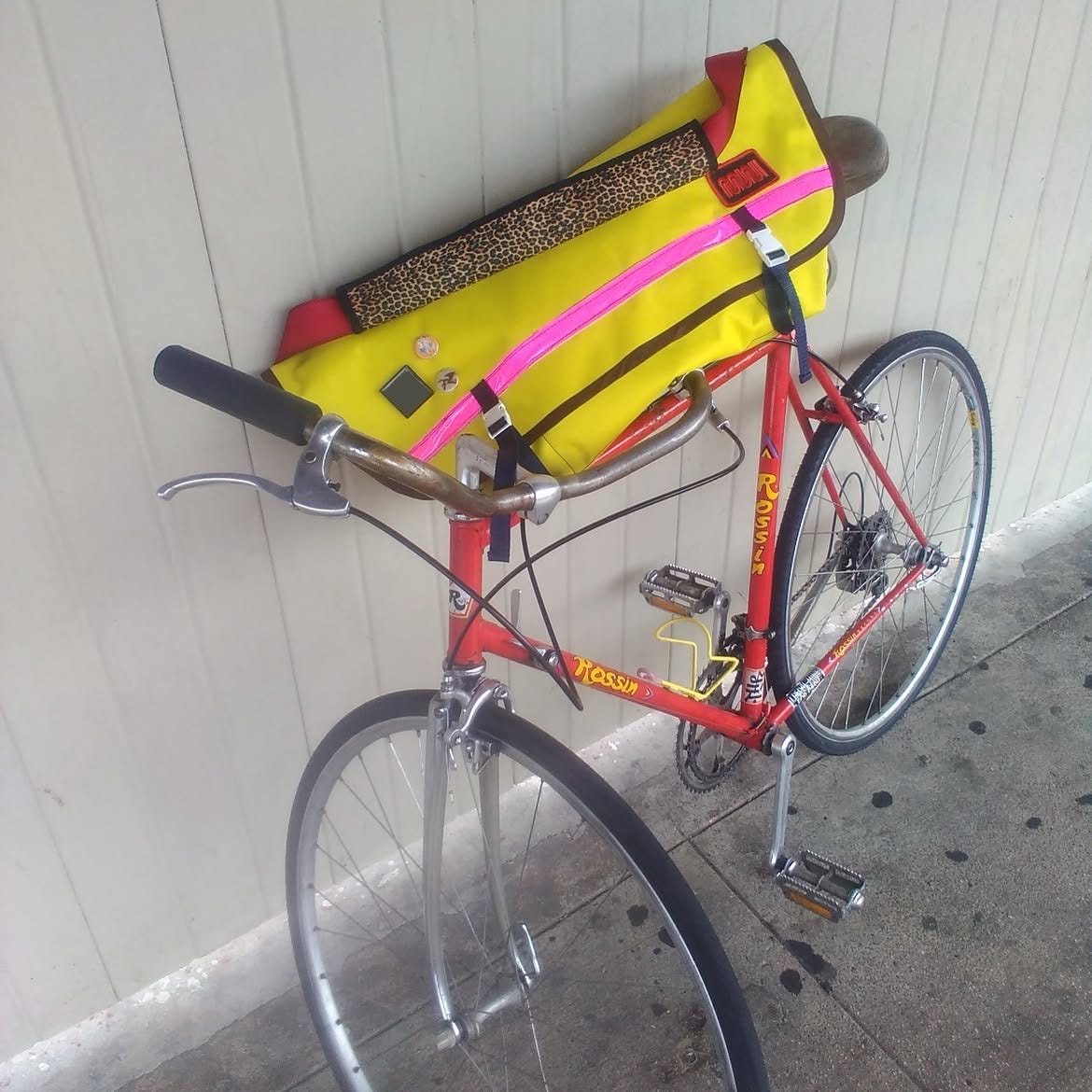
See also:
Garments and accessories by Rohan Mirza
Basketball shorts by Vincent Boily-Chatelain,
Jacket by Aaron Esh x Post Party LFW show
Apparel by Malene Specht
Jeans by Nowherestore
Stage design and accessories at Bazo’s 119 PFW show
Vintage piece by Claude Montana
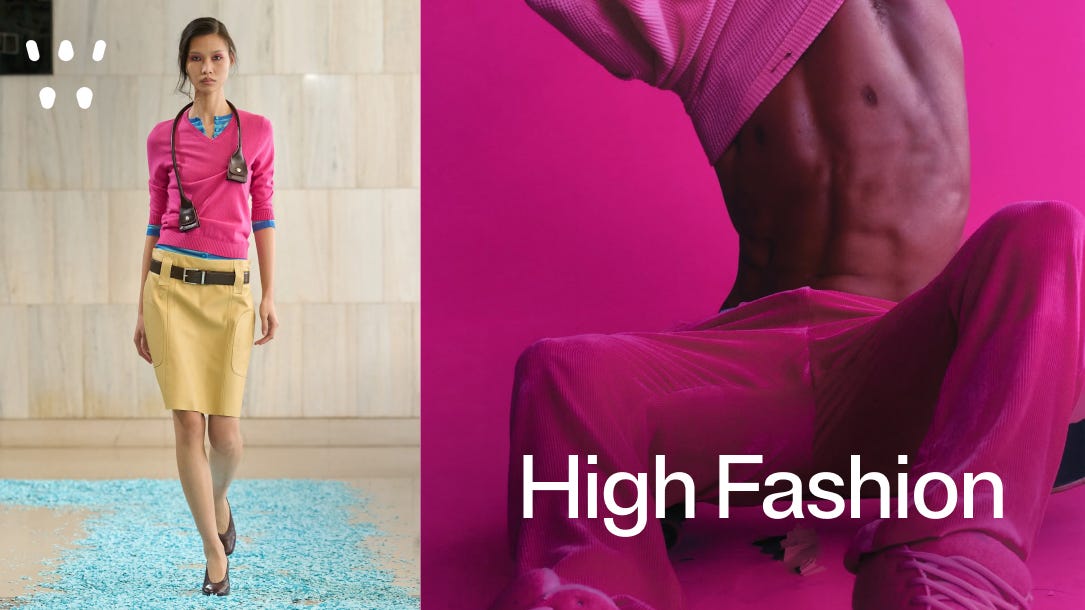
High Fashion
High fashion is behind the curve here in recent times, but the palette has bled into 2026 runway shows.
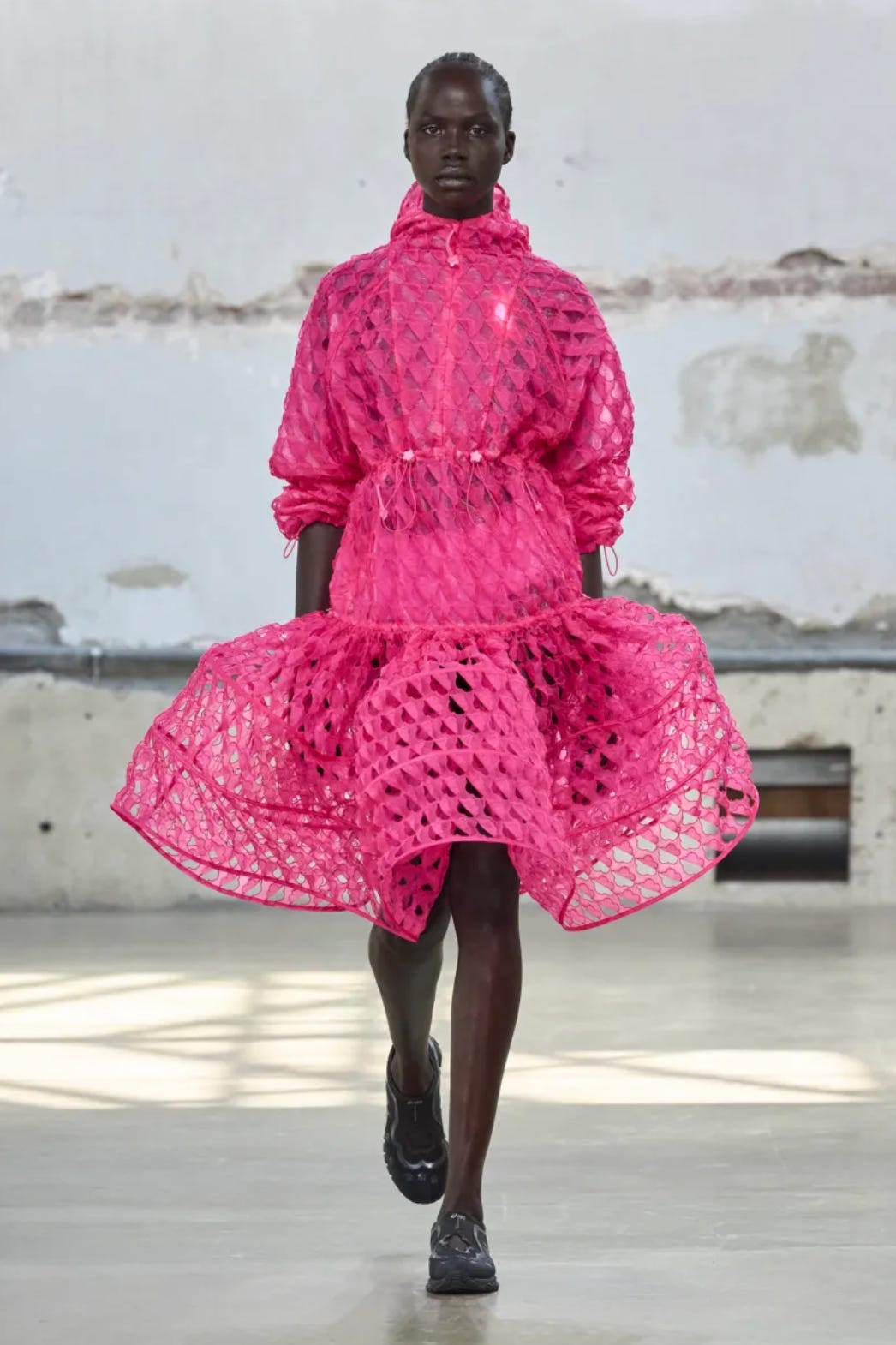
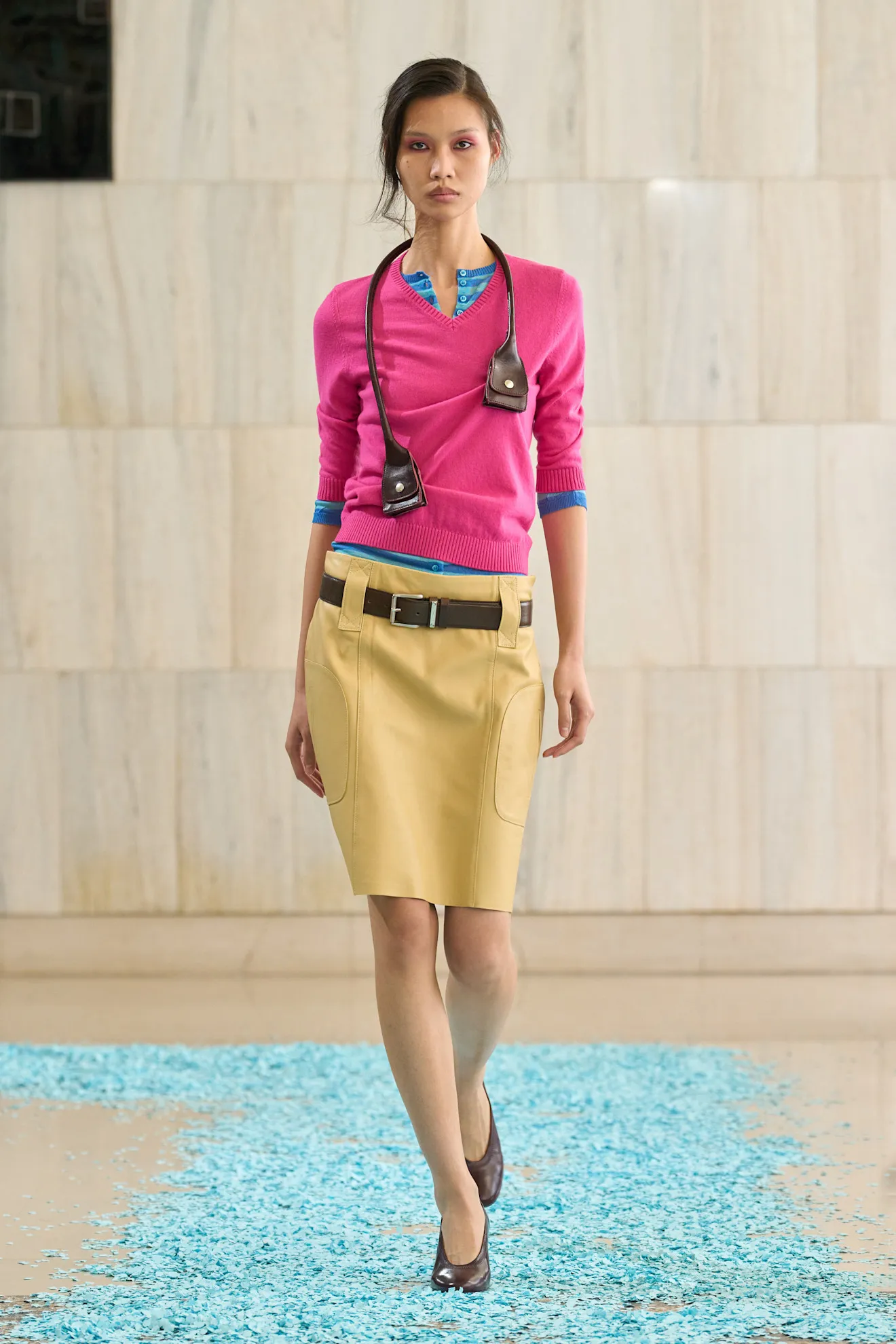
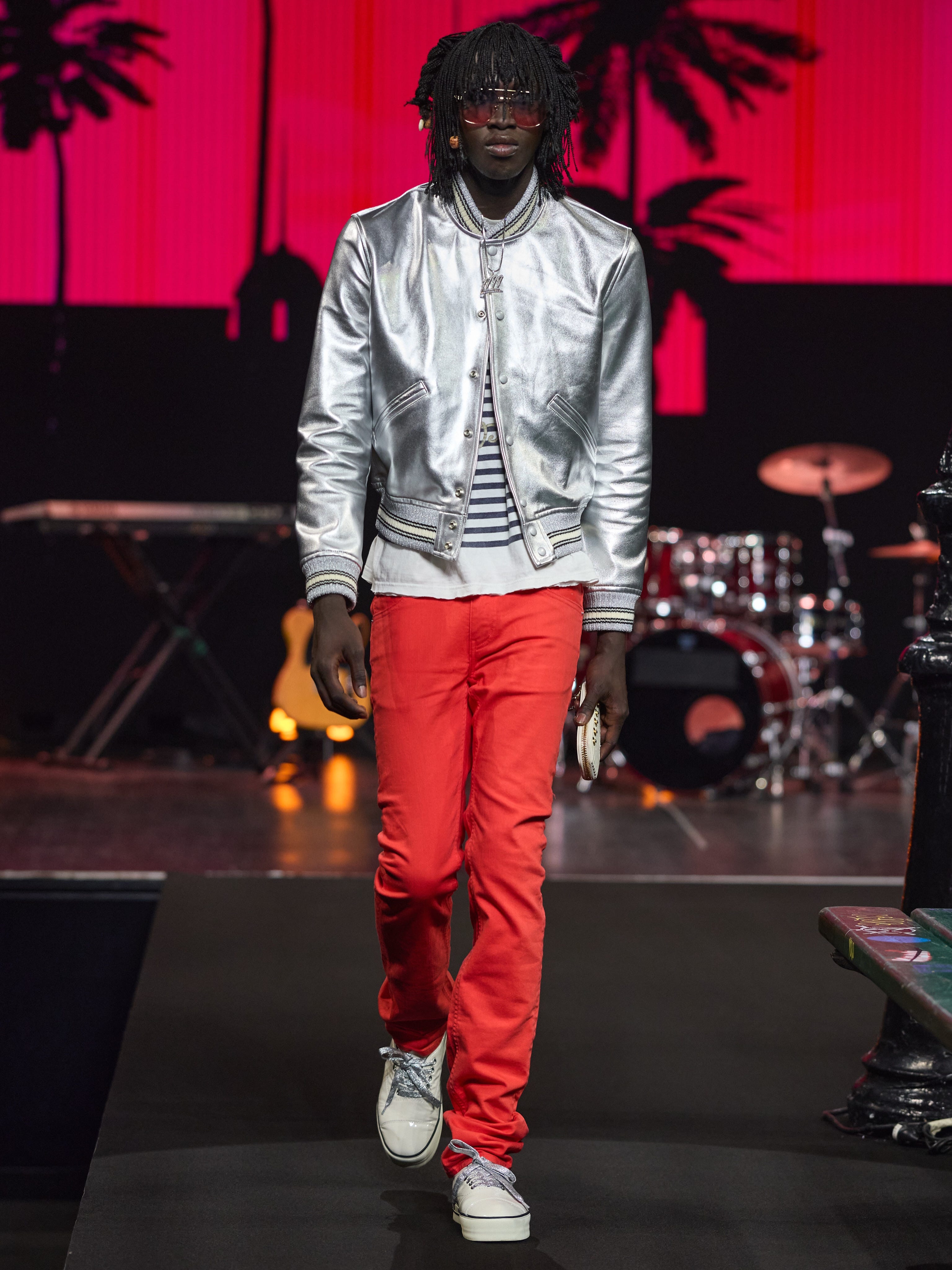
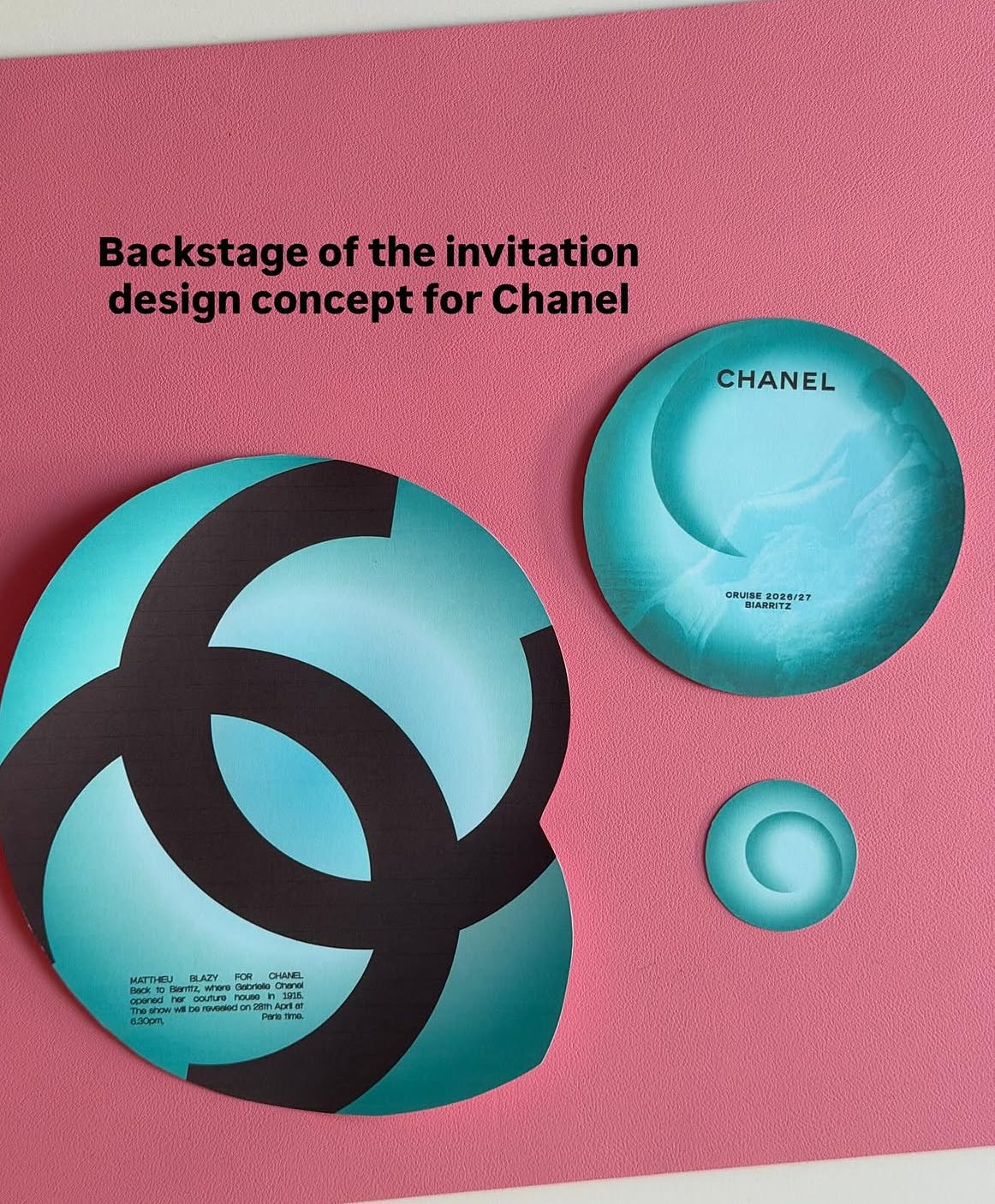
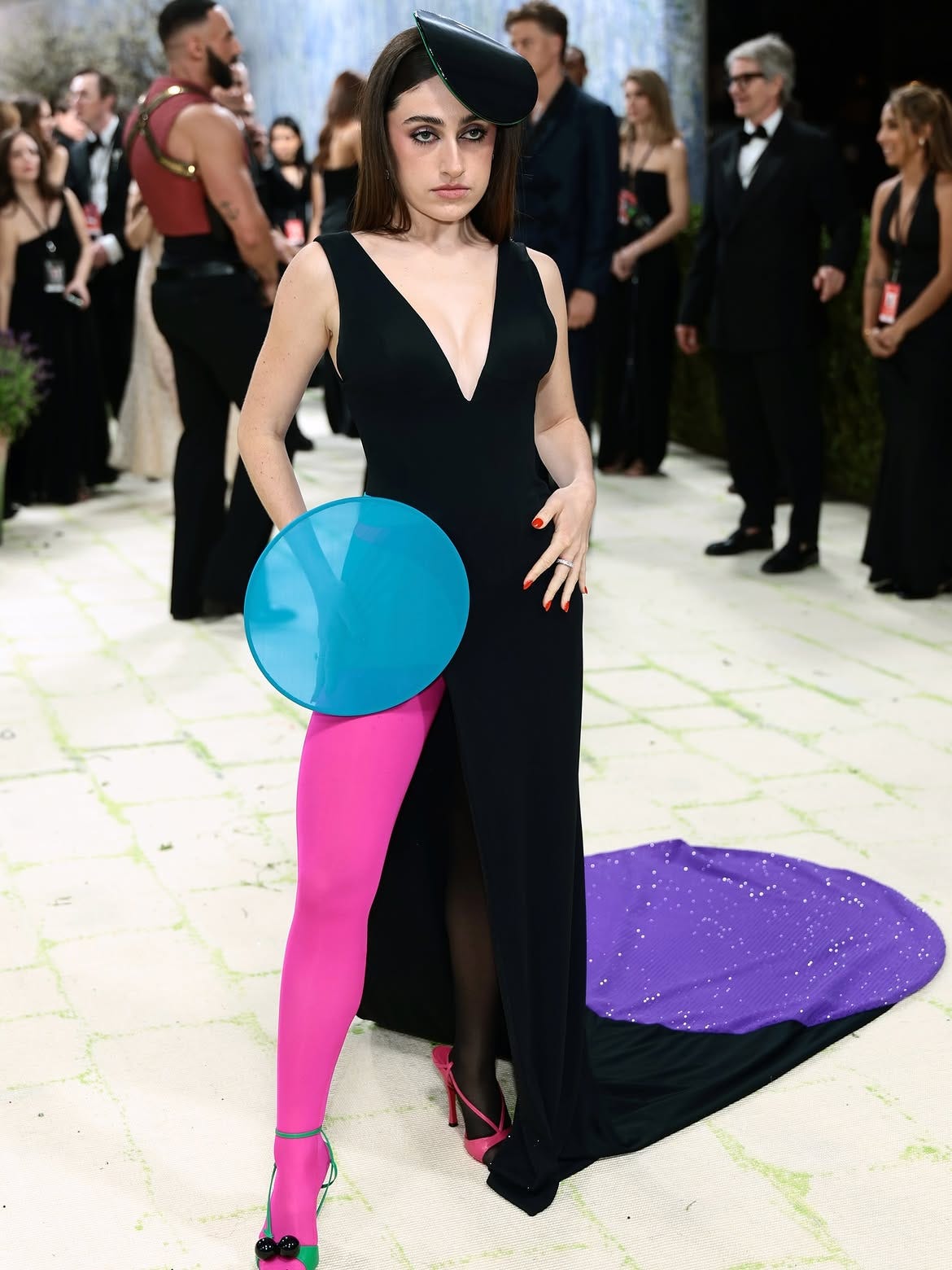
See also:
“The Island” collection by ERL
Flip flops have become acceptable in high fashion, even in NYC where they used to be a huge cultural taboo.
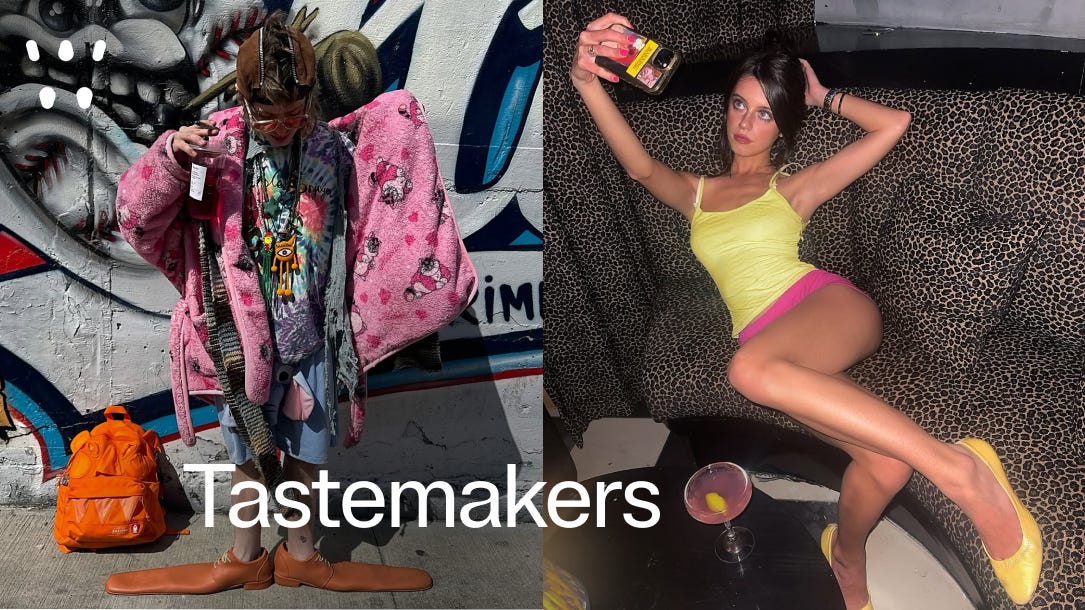
Cultural tastemakers
The lines between tastemakers, it-girls, designers, and artists are more blurred than ever, but many of the individuals operating in this murky space are adopting Miami Revitalism.
See also:
Reference lineage
Miami Revitalism is a quintessentially modern trend because it is (a) very nostalgia-driven, and (b) mashes up an incredibly complex array of references, ranging from 1980s pop culture, to South Florida’s Art Deco heritage, to modern digital art revivals of aesthetics like Synthwave or Outrun.
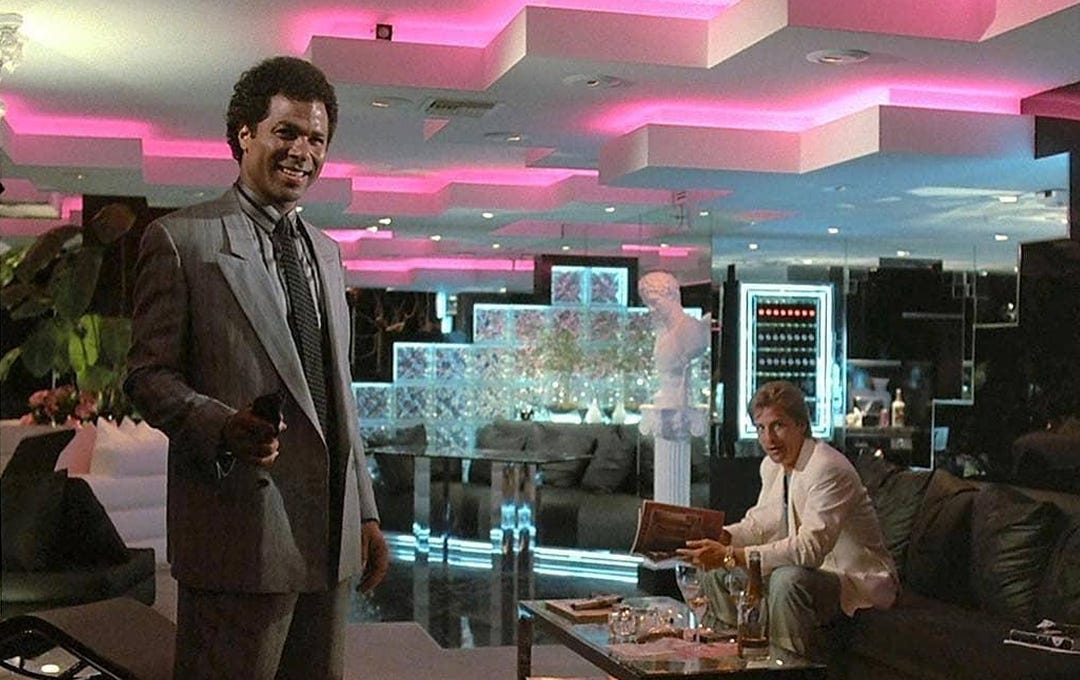
Part of Miami’s pull is nostalgia for the media that defines it. Games like GTA Vice City and Hotline Miami are remembered fondly, and their entire creative direction, from logos to color palettes, has come to embody the city in the minds of many. Miami Vice did even more to shape the city’s identity and fashion, with its white Armani suits and hedonistic, cocaine-fueled glamour.
Why now?
So why is this aesthetic exploding right now?
There are cyclical reasons. Miami Revitalism’s palette breaks sharply from the earth tones of the early 2020s and the black, grey, and white uniforms of minimalist wardrobes and the Rick Owens/Opium crowd. Album art has moved the same way, away from the dark, black-heavy designs female artists favored just a few years ago.
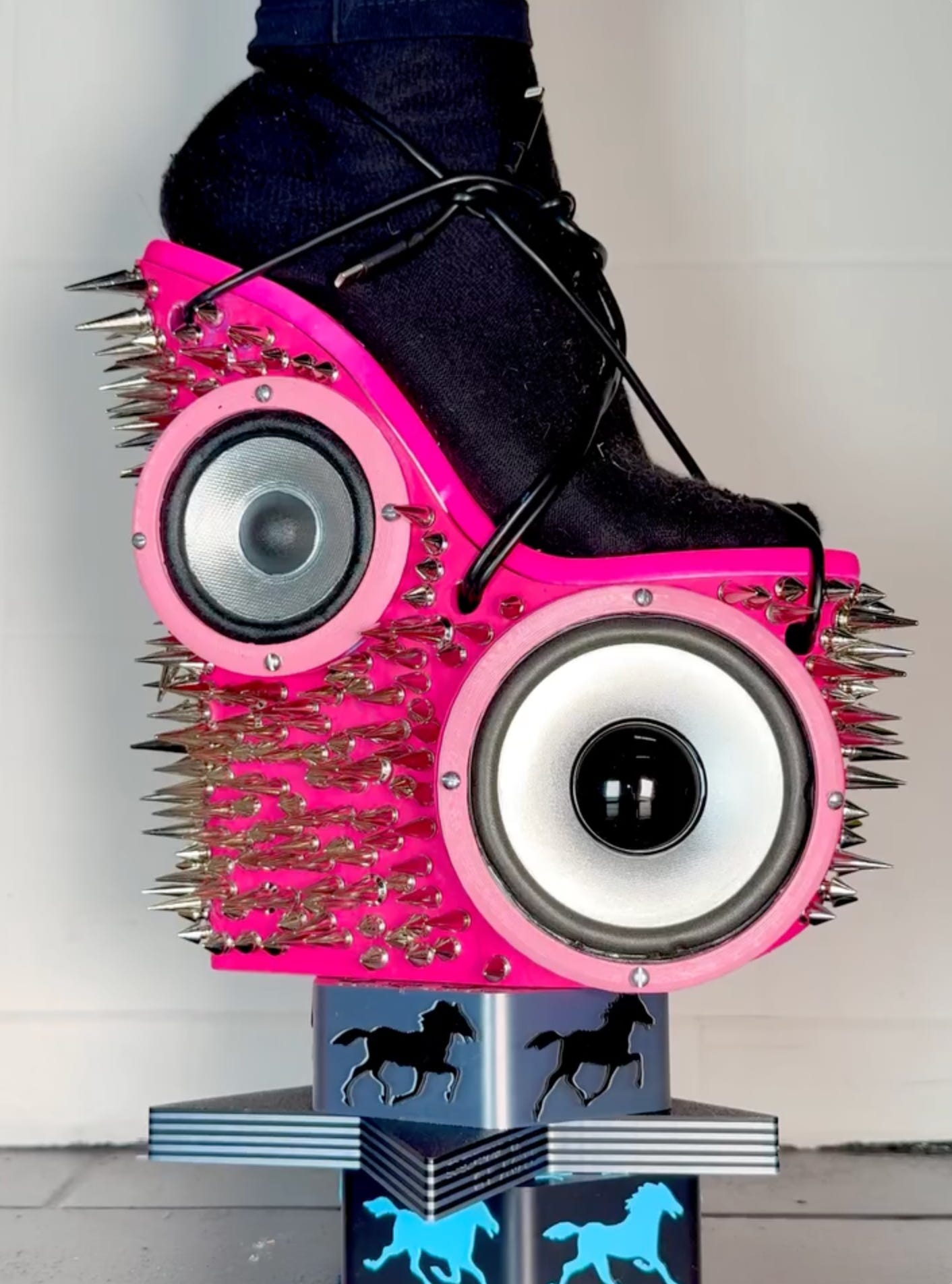
The shift can also be read as a reaction to the internet’s democratization of fashion taste, or more precisely, to the flattening it produced. Algorithmic micro-trends like wide-leg selvedge denim and cropped slub cotton tees are easy to replicate. Miami Revitalism’s higher barrier to entry shuts out anyone unable to assemble its more complex, colorful looks.
And it’s not like this is coming out of nowhere. Miami has true cultural infrastructure. Art, music, and sport each have a defining global event there: Art Basel, Rolling Loud, and the Miami Grand Prix.


But there is also a specific cultural reason that Miami has become an aesthetic focal point right now. The city has long sold itself as a surreal, romanticized pseudo-utopia of American success. This has been easy to see through and make fun of, and as a result, Miami has been treated like the distant, stunted, and tasteless cousin to the shining duo of American cultural hubs, LA and New York.
Over time, this relegation of Miami to secondary city ran its course. Now, embracing it reads as subversive, a fresh alternative to the tired NY-LA pendulum. The colors feel sexy rather than gauche. Vacation lifestyle feels aspirational again. In the midst of a broader cultural turn toward optimism and louder, more individual self-expression, Miami is a perfect fit.


Another part of the answer is GTA VI, the most anticipated video game ever made, set in a fictionalized Miami. The game is both nostalgic and futuristic: a return to Vice City for the generation that grew up on the 2002 original, rendered with a hyper-realism that captures 2026 Miami almost one to one. Its trailers alone have broken viewership records (pulling 6% of the world’s population on its first day), putting Miami at the center of the public eye well before the game even launches.
Miami occupies its own hybrid corner of the country: part mainland, part island; part city, part beach. It is a place of purity, where water, nature, and the human form at its most stripped down all meet. It’s where you’re at your most vulnerable and most beautiful. Miami’s flashy brazenness is a form of authenticity, and it’s one many, apparently, are coming back around to.
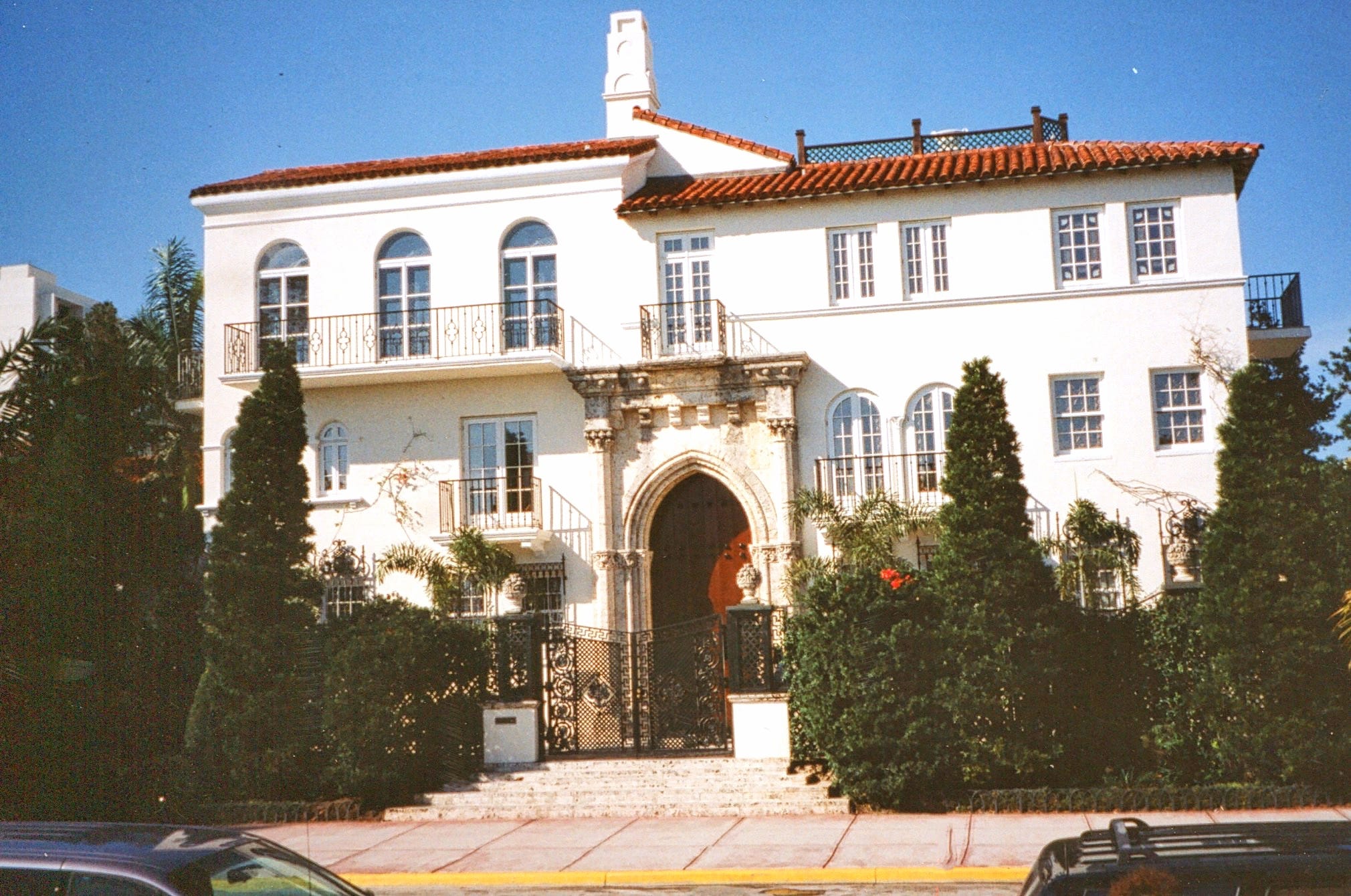
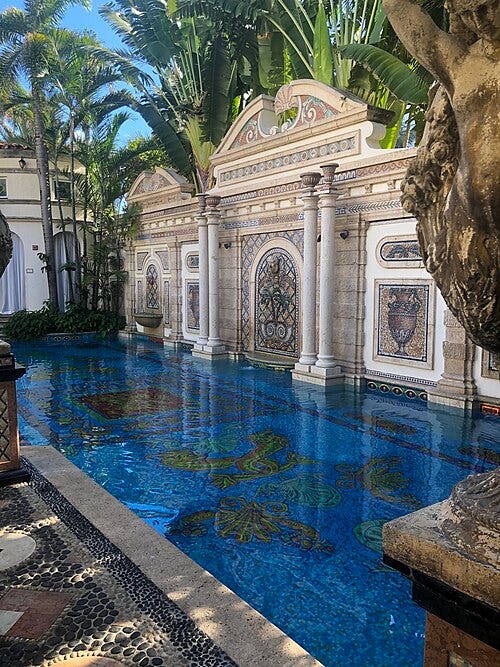
As Gianni Versace, whose mansion sat on Ocean Drive, put it: “In Miami, nothing was done until it was overdone.”
Perhaps due to the markedly brutal winter much of the world experienced.
Interestingly, Christian Dior once predicted that "the tones of grey, pale turquoise and pink will prevail."
Including as a point of cultural relevance, despite being AI slop.
The duo met in Florida and adopts Miami aesthetics and iconography.