

Written by Welcome Arts Correspondent Bryan Munguia
Earlier this week, a video of a young Emirati girl holding a white falcon her father had purchased at auction appeared on my Explore page. The bird had cost $400,000. Perhaps you saw it too.
Such extravagance is characteristic of the UAE, where vast oil and gas reserves have underwritten extraordinary displays of wealth since the 1950s.
Perhaps nowhere in the world is a fundamental truth more clearly illustrated than in the UAE: money can buy some things, but not others. The problem is that it’s not always clear which is which. Take, for instance, Abu Dhabi’s latest multibillion-dollar bid to become a global art capital. Can you really buy that kind of cultural relevance? Or will time and circumstance dry up even the best-funded artificial cultural oasis?
Last week, Frieze Abu Dhabi opened its inaugural edition. I spent the week following along with the fair to see whether the cultural utopia on the Arabian Gulf is real or mirage.
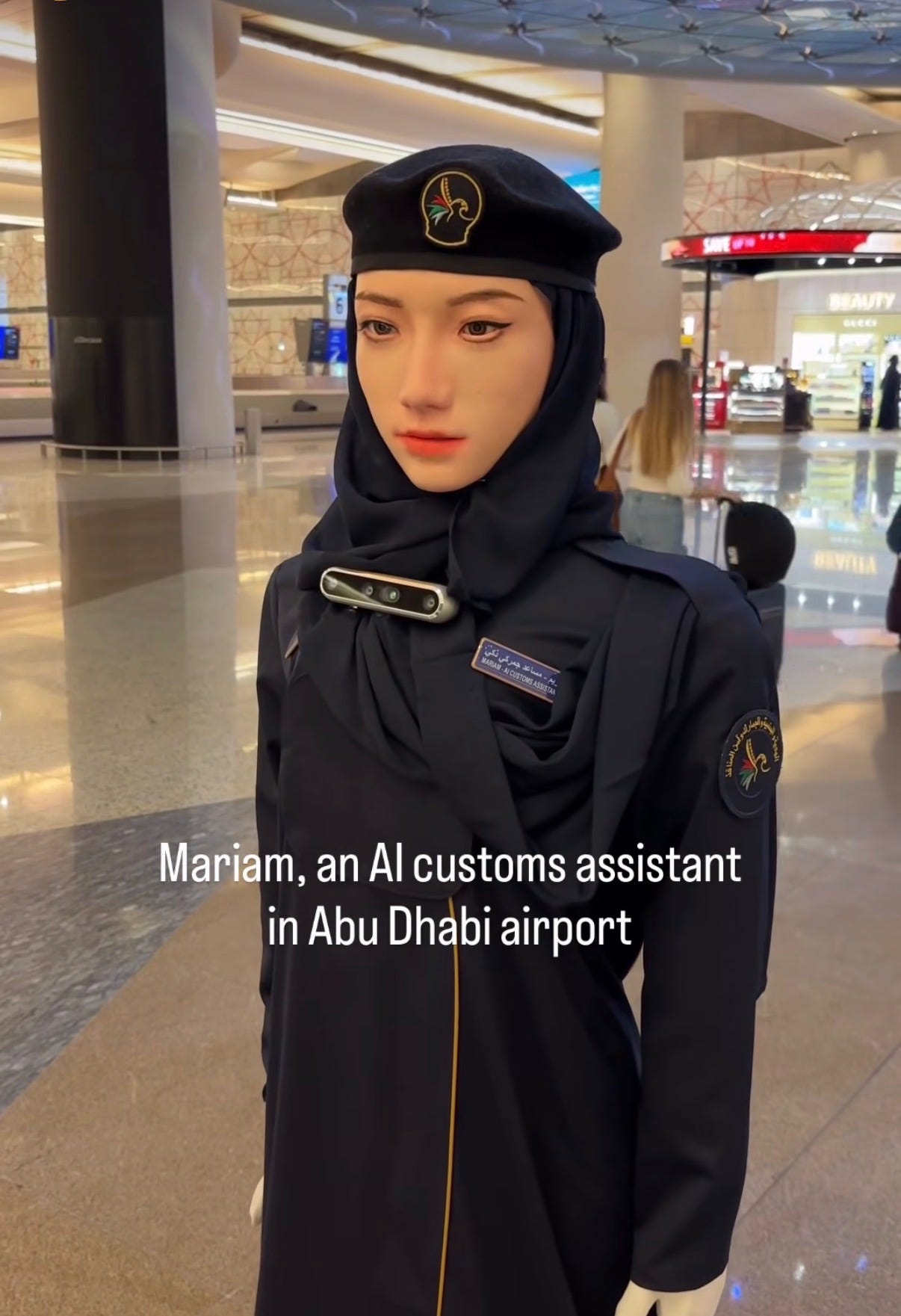
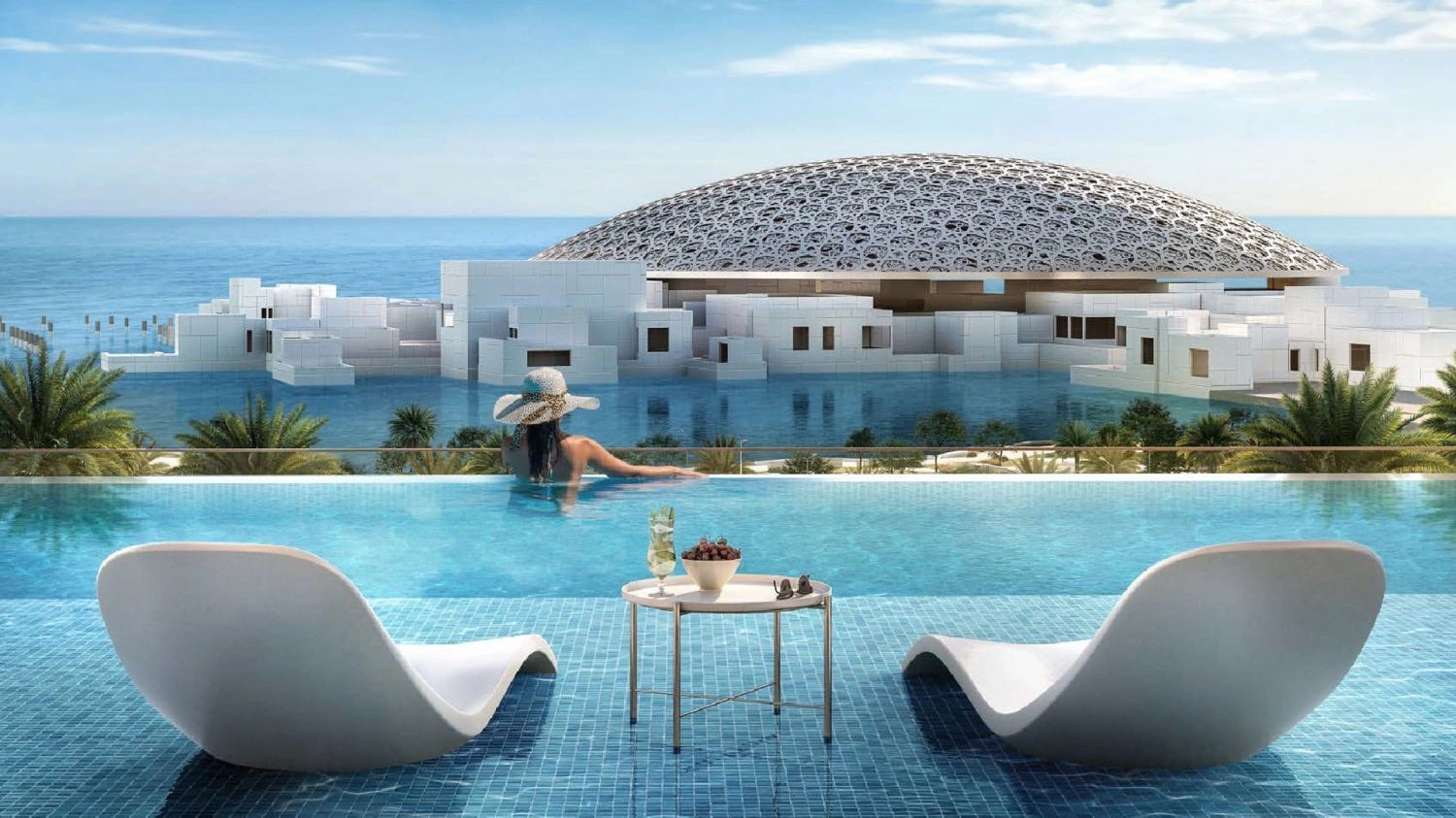
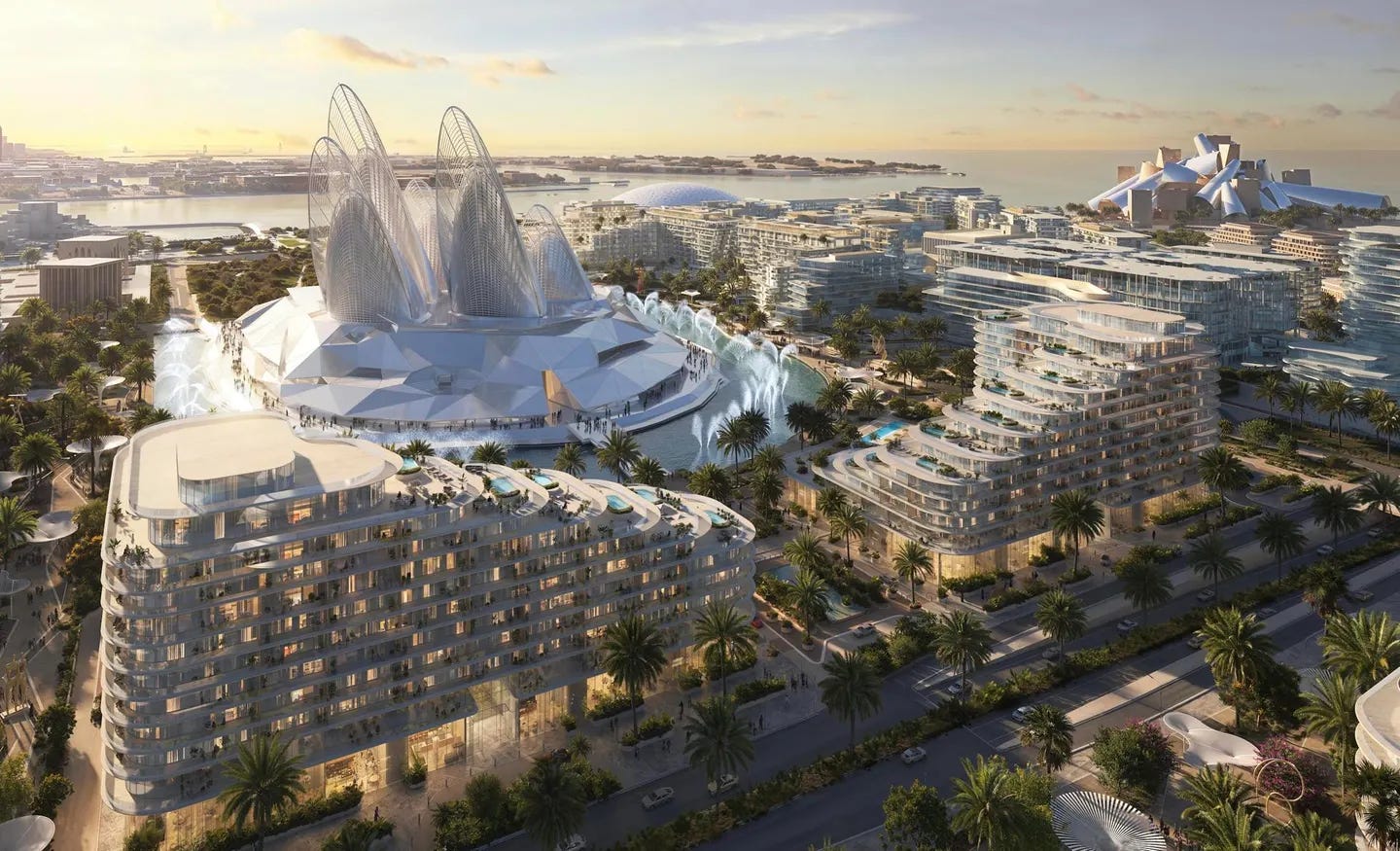
Frieze is only Abu Dhabi’s latest investment. Billions of petrodollars have already been spent importing globally renowned institutional names, including the Louvre and Guggenheim. These expenditures are directed by Abu Dhabi’s Department of Culture and Tourism, and justified on the basis of attracting global tourism and developing a thriving art economy in the city.
I recall a Gulf collector once telling me he had just one rule when buying art: no nudes. Judging by Frieze Abu Dhabi, that preference seems to extend beyond the naked body. Artistic experimentation withers in the stubborn climate.
This is the central contradiction of the fair: despite its contemporary Western branding which positions it as the cutting edge of contemporary art, the work on offer felt remarkably antiquated and conservative, favoring craft and technique that were safely decorative and commercially attractive.
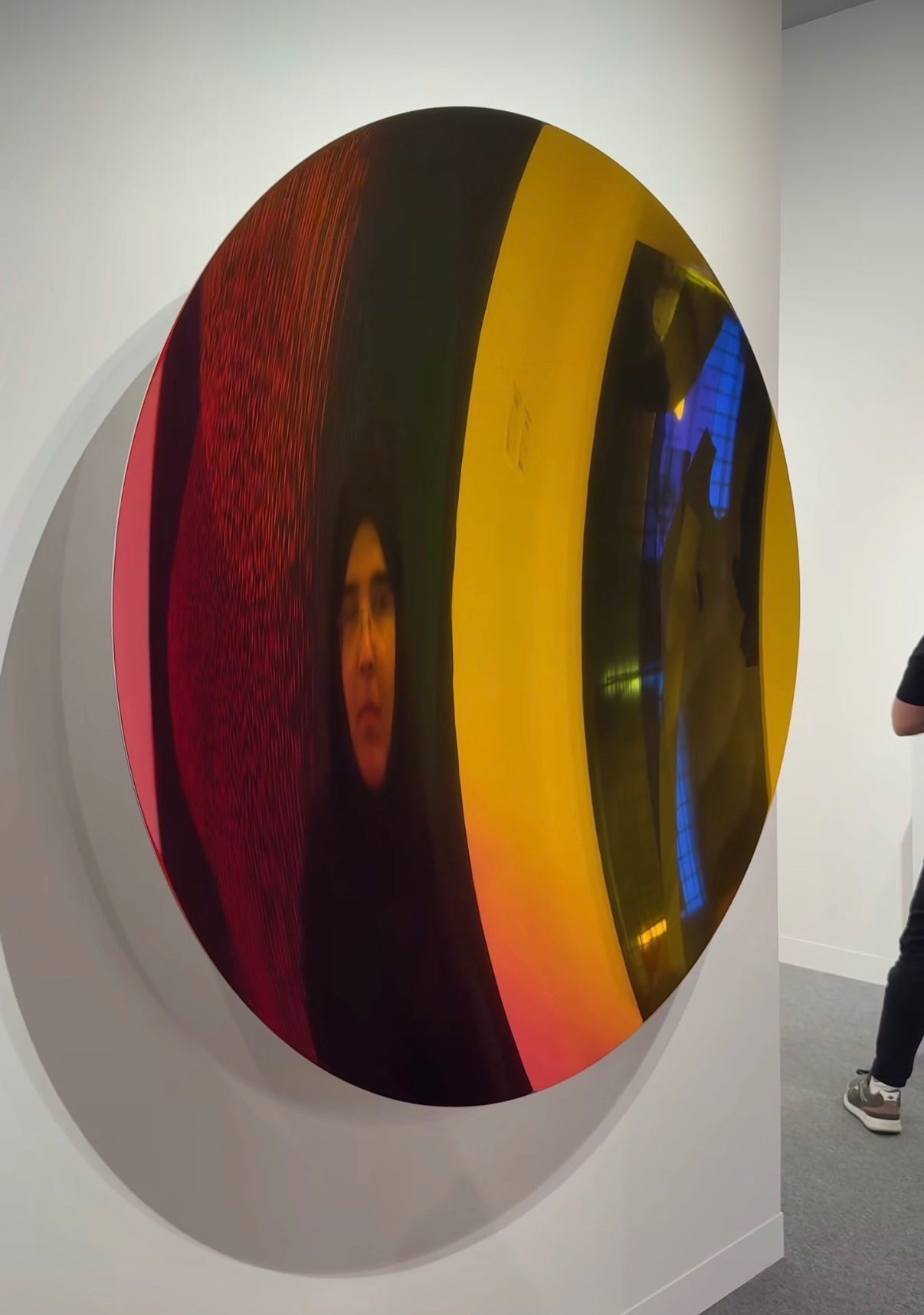
Marble landscapes of mountains, ceramics in one booth, textiles in another. Earthy palettes, laborious craftsmanship, a seemingly endless romance with materiality. The kind of art that seems born for institutional acquisition, equally at home in a museum collection or the lobby of a very expensive hotel or skyscraper.
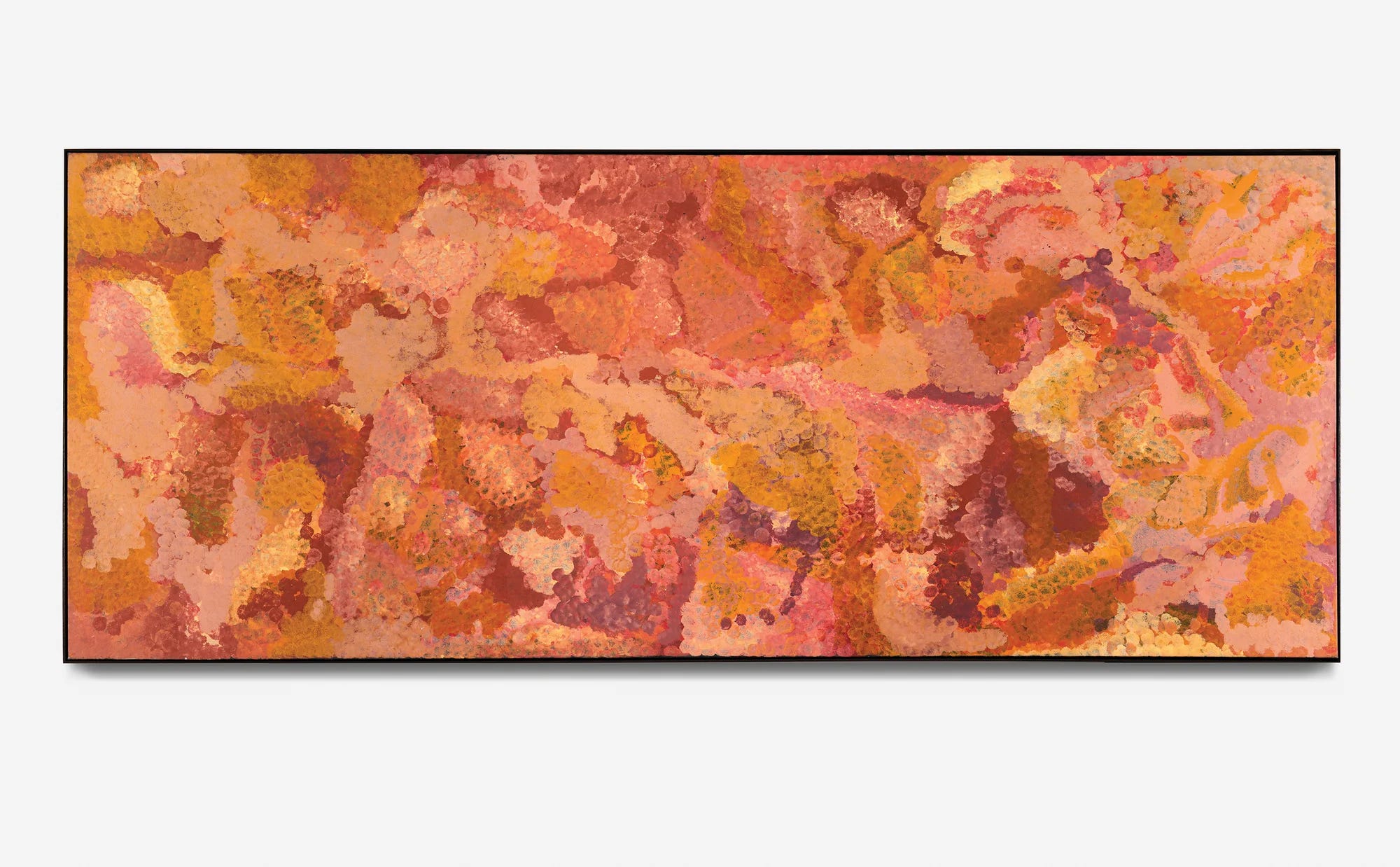
Western heavyweights (think Gagosian and Pace) spoon-fed Gulf collectors market darlings like Roy Lichtenstein’s comic-like paintings, and Emily Kam Kngwarreye’s colorful abstractions. Despite their global prestige, the selections were decorative, meant to convey the symbol, rather than the substance, of international cachet.
I was most disappointed by the Focus section.
Typically one of Frieze’s more experimental sections, Focus often sees younger galleries presenting more daring works beyond the conventional art market circuit. In Abu Dhabi, however, even this section appeared relatively limp.
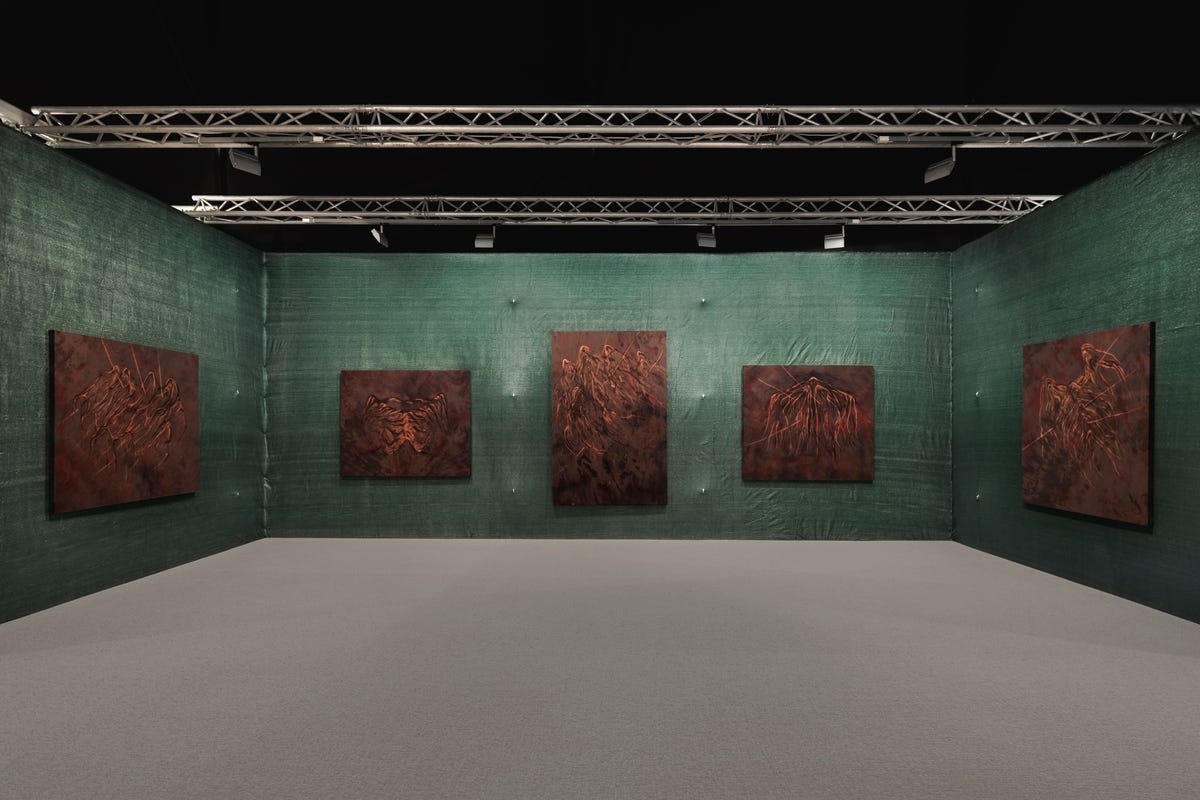
One of the fair’s few conceptual presentations was by Kenyan-born artist Tahir Karmali, who transformed his Focus booth into something resembling a construction site. His landscapes gestured toward the erotic, but without commitment. That calculated coyness becomes overly distracting. I recall Karmali’s similar sculptures at a previous Focus presentation in New York incorporating more visceral materials, including blood and sweat, both conspicuously absent here.
Without an experimental appetite, Frieze Abu Dhabi begins to resemble a luxury Gulf supermarket, overstocked with commercially palatable art. Like going to Erewhon, the real attraction is the wealth on display. It is an entertaining anthropological excursion, if you can afford it.
Abu Dhabi’s strongest appeal may be the experience of simply being there, thousands of miles from home and somewhere beyond the usual Western art circuit. And to be sure, the fair offers genuine regional discoveries, particularly at Frieze Masters Abu Dhabi, which traced centuries of artistic exchange across the Indian Ocean.
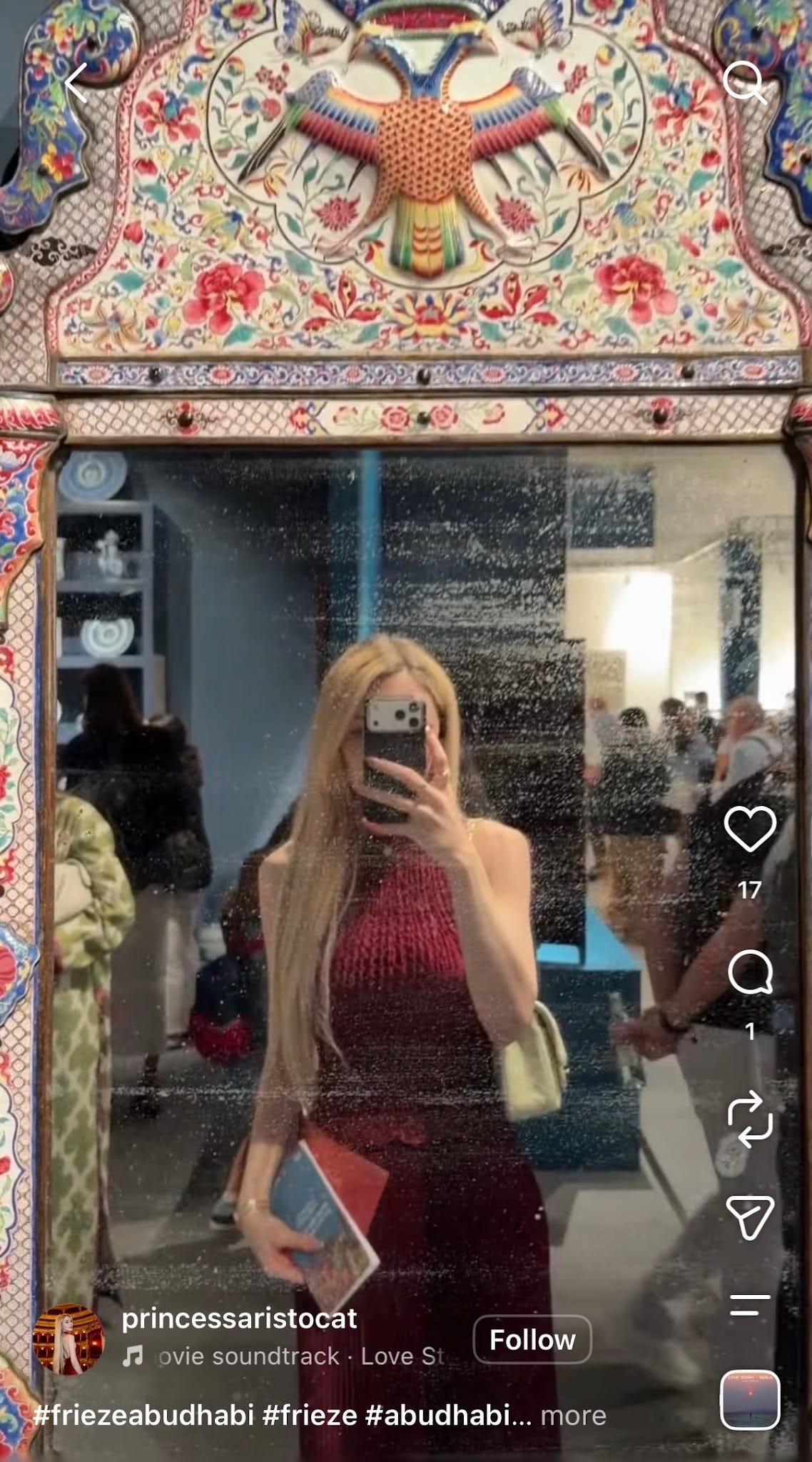
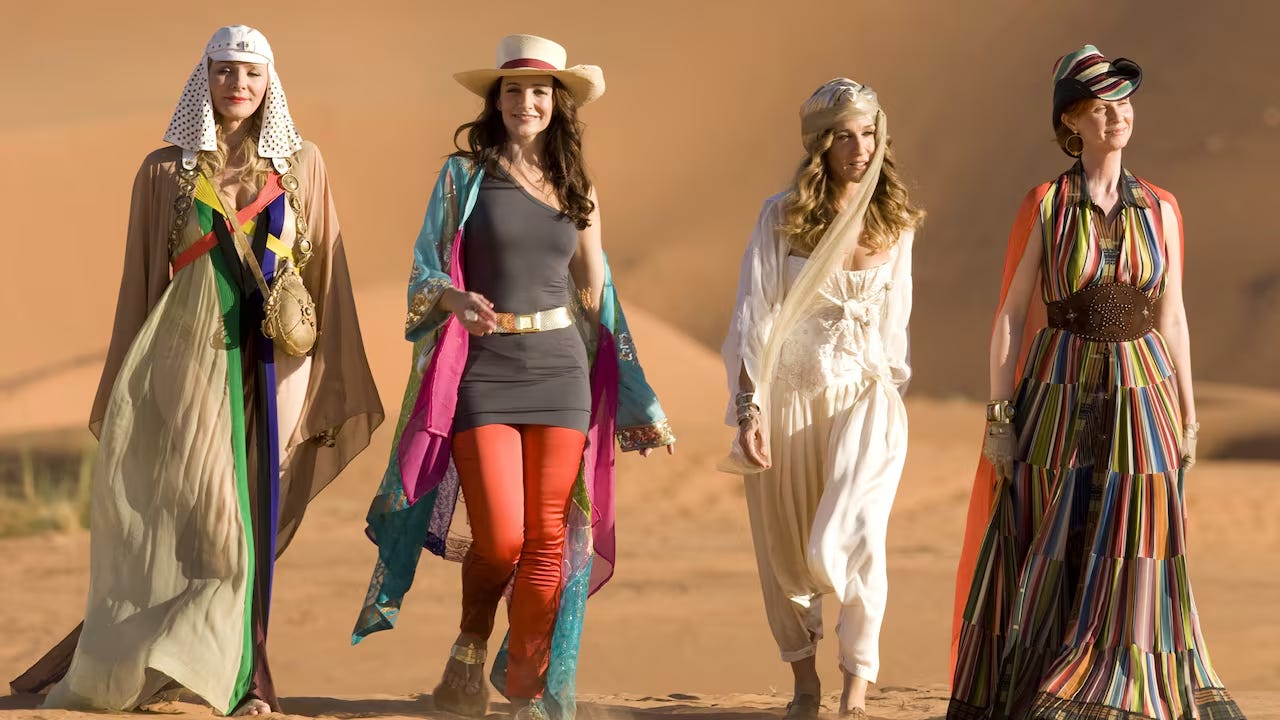
This cultural allure might explain the international art press's enthusiasm. Numerous glowing reports suggest Frieze Abu Dhabi won over many of its guests. A lavish escape to the Gulf is potent enough to rejuvenate any overworked arts professional, who for a few days can trade Western troubles for their own Sex and the City 2 fantasy out East.
But ultimately, Frieze Abu Dhabi will struggle to deliver on genuine international cultural exchange as long as it is reluctant to embrace the artistic experimentation that makes it possible.
That doesn’t just apply to what was shown at the fairgrounds. Art Basel Paris, for instance, has become a fan favorite because, beyond its world-class institutions and general grandeur, the city offers a restless young creative scene and a diversity of taste that Abu Dhabi has yet to cultivate (at least publicly). As anyone who has read our past fair coverage knows, the best work of any art week is often found in satellite exhibitions, independent spaces, and underground scenes frequented by artists and younger tastemakers. A thriving art capital needs a cultural ecosystem outside of its fairs and institutions.
For all its billion-dollar infrastructure, Abu Dhabi seems to have overlooked this audience, one that represents a much larger ecosystem than the insider commercial market it currently engages. The emirate will need this emerging scene to compete with its Western counterparts.
This isn’t to dismiss the artistic practices of the Middle East, whose contemporary art scenes are far more complex and diverse than any commercial fair could represent. Nor am I naive enough to mistake an art fair, whether in London, New York, or Abu Dhabi, for a true measure of a region’s artistic rigor. The market has always favored work with commercial appeal. With billions invested in Abu Dhabi, the incentive to play it safe is all the greater for revenue’s sake.
Nor does it mean that, commercially at least, Abu Dhabi is a dead-end. The emirate has already assembled an undeniably attractive cultural infrastructure. Considering its institutional and bureaucratic support, Frieze is unlikely to be a fad, and I fully expect its market to keep expanding as long as the government continues to bankroll and heavily secure its gleaming city.
But one threat looms above all of this, and it defies even Abu Dhabi’s deepest pockets: war.
On the morning of Frieze Abu Dhabi’s VIP preview, Yemen’s Iran-backed Houthi rebels struck Riyadh’s tallest skyscraper, home to Saudi Arabia’s sovereign wealth fund. The damage to this towering monument of Gulf wealth was a too-perfect symbol of Abu Dhabi’s fragility as a global commercial hub.
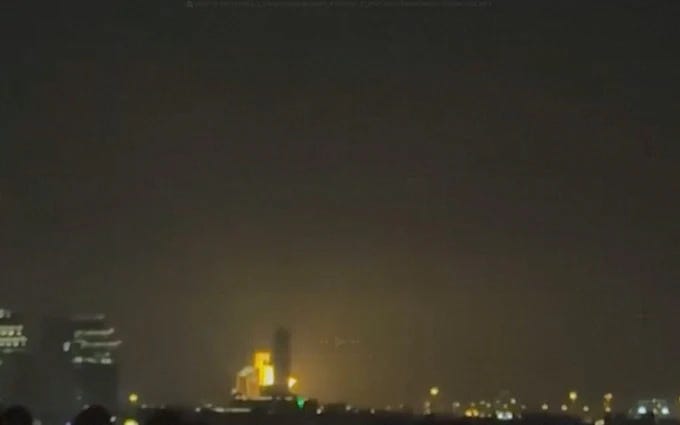
If the goal is to create an international cultural destination, people also have to want to travel there. Safety is among the most basic conditions of tourism, and perceptions of security matter. The region’s geopolitical uncertainty therefore poses a challenge that is very much present. Abu Dhabi can assemble an extraordinary concentration of cultural attractions, but sustaining the international attention needed to support them will depend on the political reality beyond its spectacular architecture.
So: can you build an art capital in the desert? With a few billion dollars, absolutely! At least superficially.
According to recent art market news, commercial performance at Frieze was generally positive; there were plenty of early sales, sold-out booths, and even a few seven-figure transactions. These are vital signs of a healthy art market in bloom.
But the key word here is market. The financialization of the art world means that rebuilding the commercial components of an ‘art capital’ is a matter of money. Spend enough, and you could build art infrastructure that is functionally identical to Paris’s anywhere you want.
The question becomes: is an art capital just its infrastructure? Can cultural production be reduced to market data?
To take Abu Dhabi as a case study, the answer seems to be no. The city is less of a new cultural frontier than a desert Epcot, where culture has been condensed into internationally palatable commodities, like souvenirs ready for consumption. Its shiny architectural monuments stretch across the coastline like a spectacular selfie mirror, while its assemblage of museums serves as a grown-up playground for art enthusiasts.
To truly become an art capital, Abu Dhabi desperately needs a stronger grassroots artistic presence that permeates beyond the market. Otherwise, the city will collapse into its own polished image, which is as superficial as the audience it increasingly caters to.