


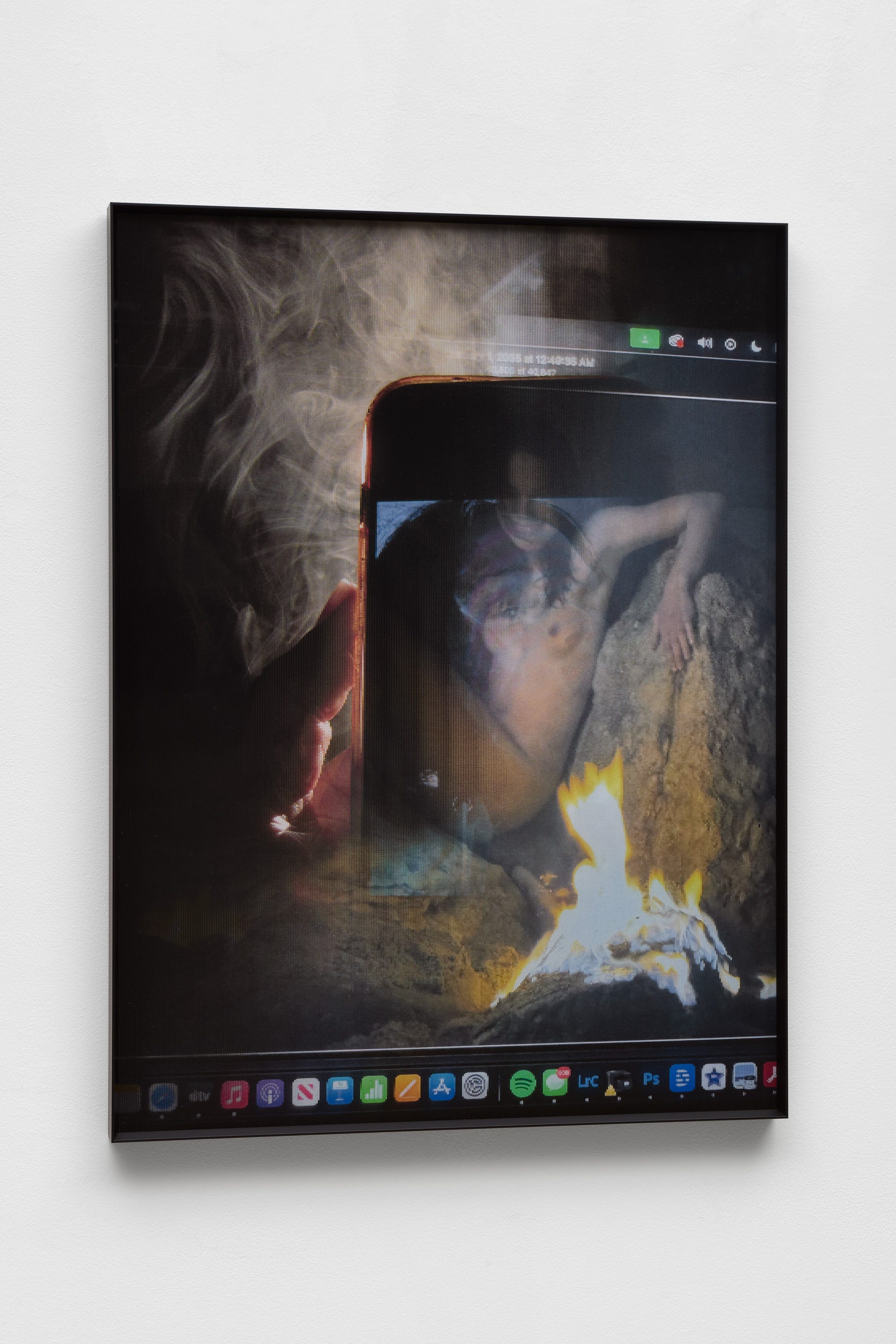
Artists have long been saddled with the task of ‘making sense’ of the world ‘today.’ Many accept the burden with enthusiasm. Usually they end up reproducing the aesthetic and conceptual trends of yesterday, a failure the art community will happily celebrate depending on the precise way that yesterday is presented.
When an artist does, in a meaningful way, diagnose ‘now,’ it looks strange, and only a few people care.
“In my head I’m making something that’s so universal,” Brent McKeever, a photographer we’ve long admired (and whose debut solo show just opened at SETAREH London), tells me, “but when it comes down to it, it is hardly ever recognized except by a specific subset.”
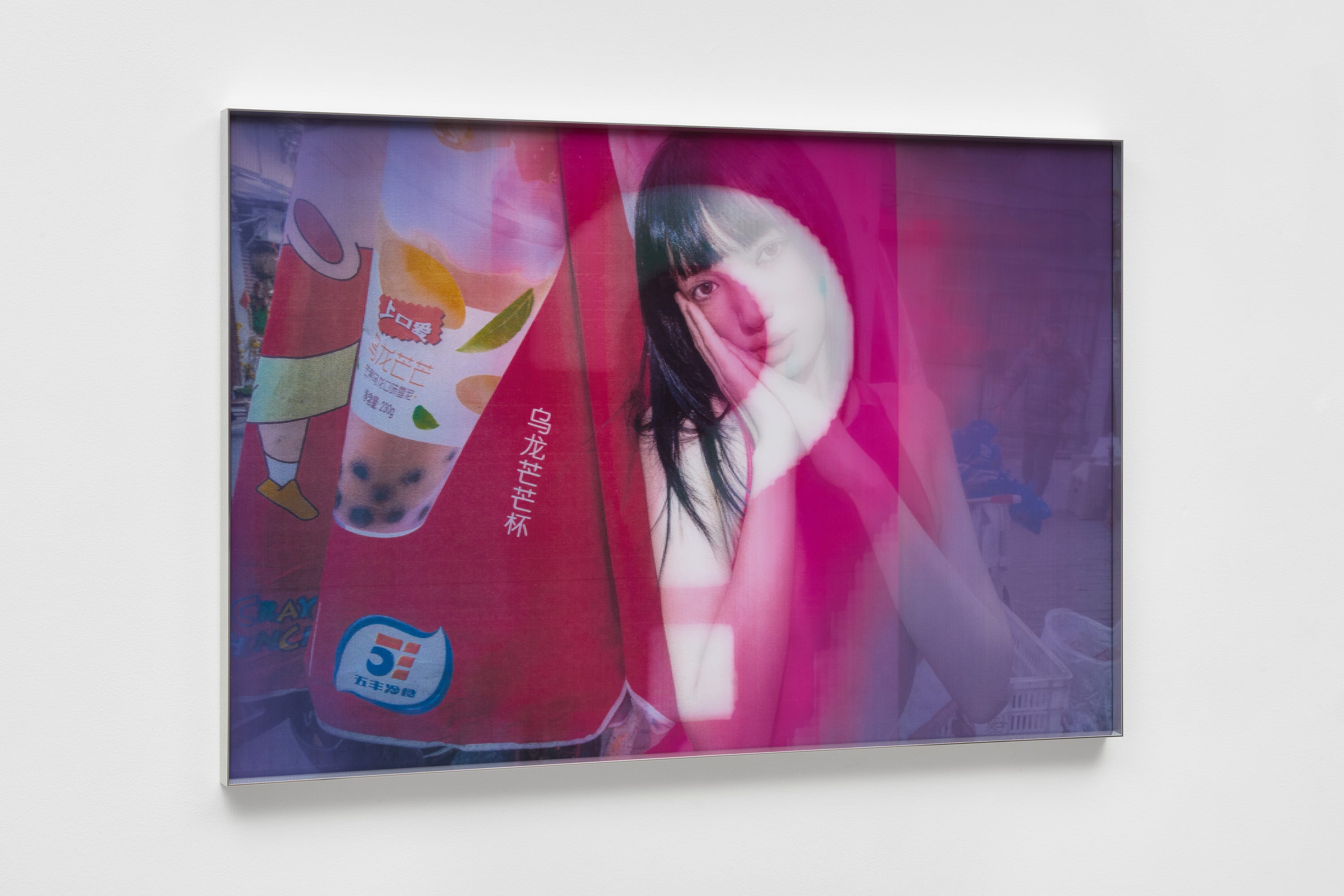
This subset includes some very notable people (and is not so tiny, suggests his Instagram following), but is far from the universality of his work, which deals with no smaller a subject than the contemporary relationship between the image and the self.
For a long time, people have sensed that McKeever understands something about images today. At first they said this because he was running around Malibu with a bunch of Instagram famous teenagers. This is a solid credential, and so was shooting for Brandy Melville from 2016 to 2019 (a time McKeever described as the ‘pinnacle of white girl culture’), and so were the COVID months spent alone, indoors, very high, flipping through stacks of photo books, marking whatever hit, and so are the numerous successful shoots since then.
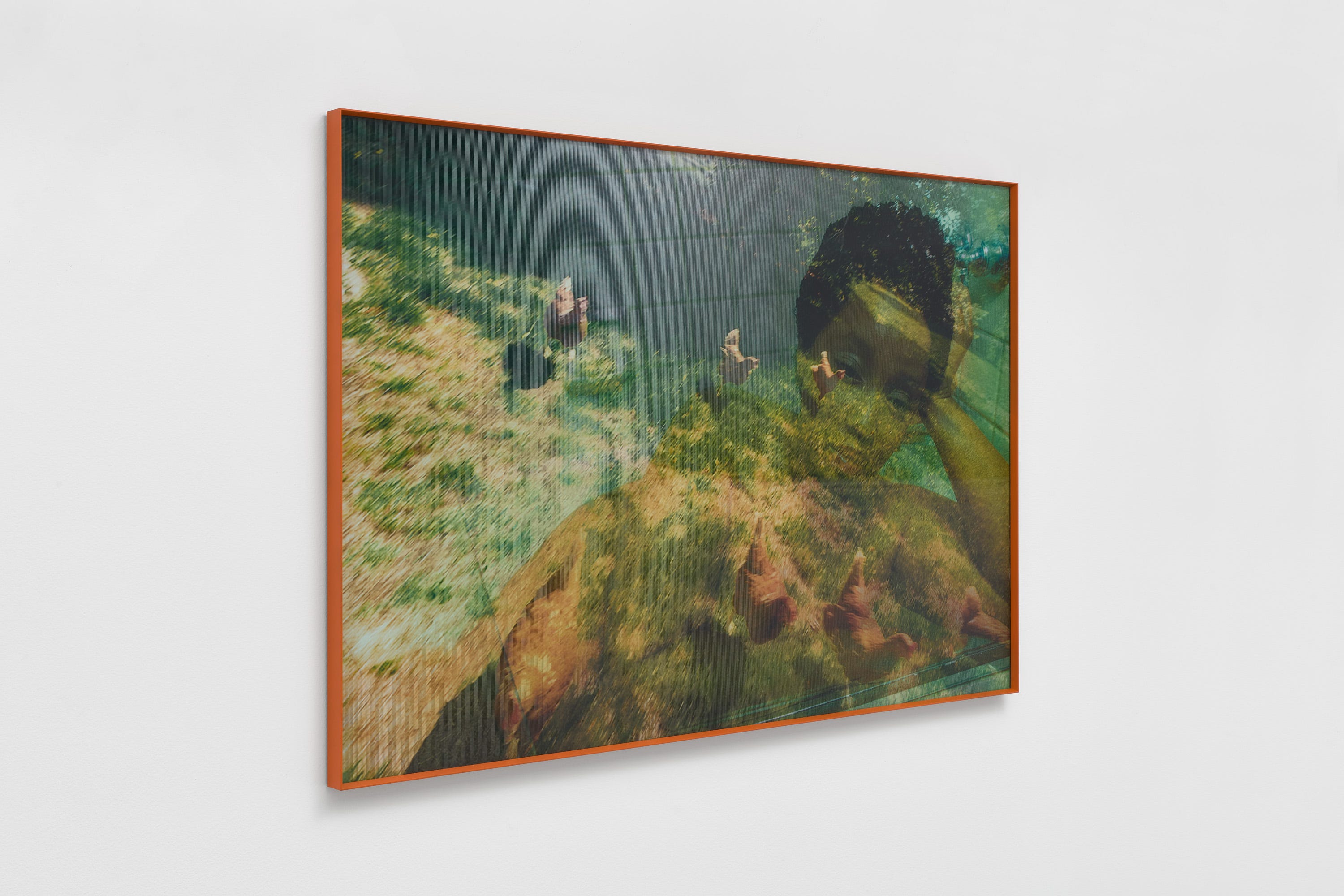
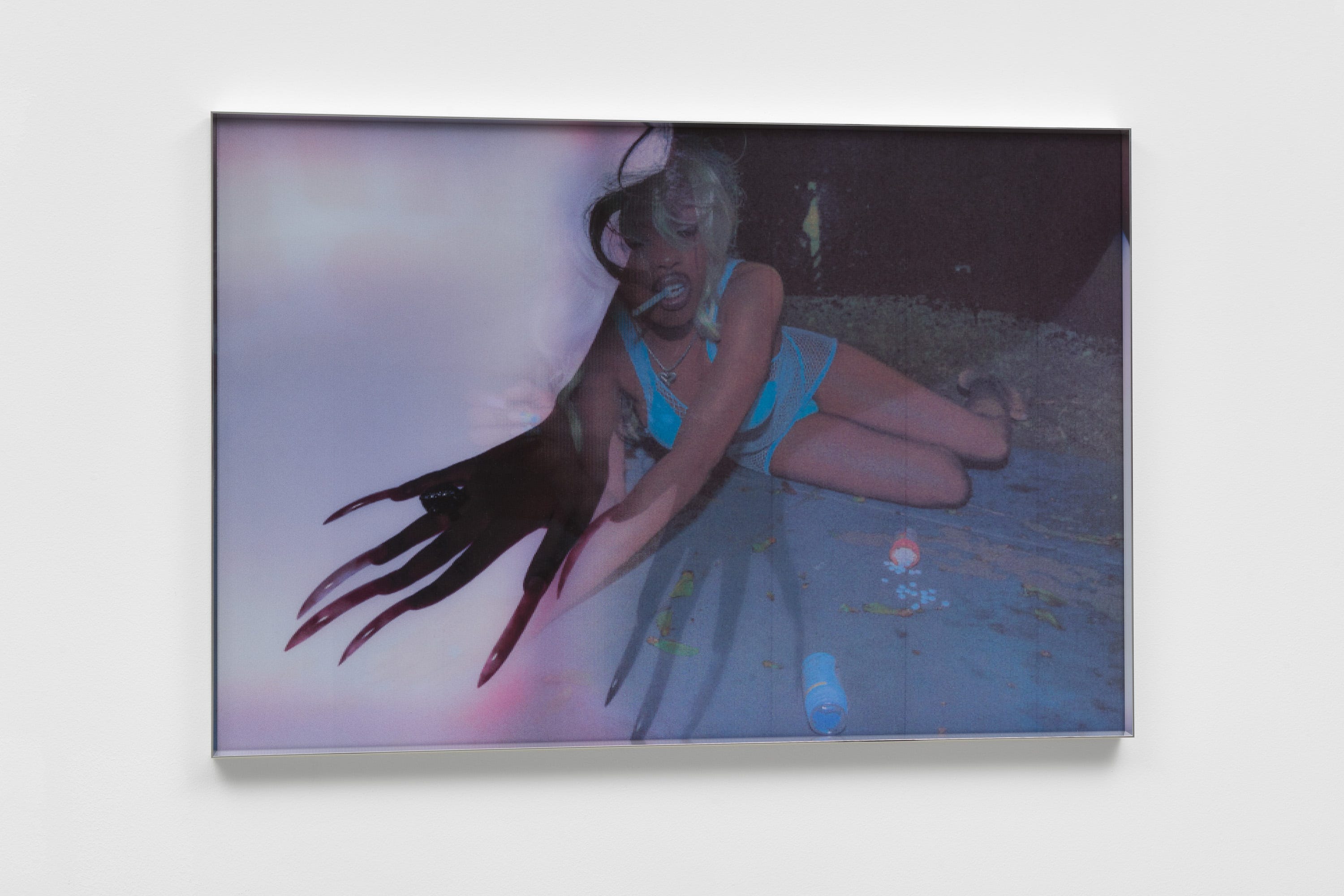
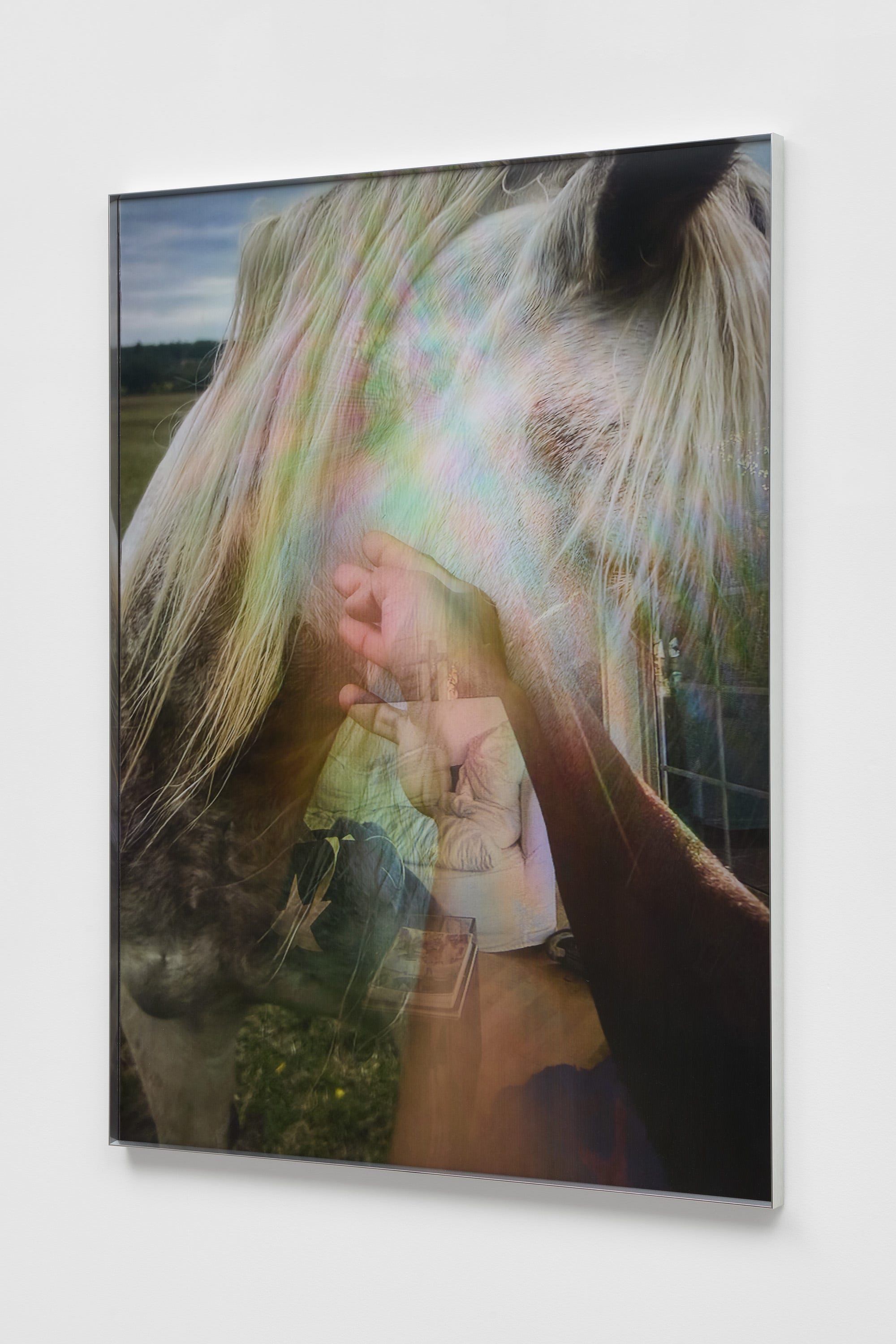
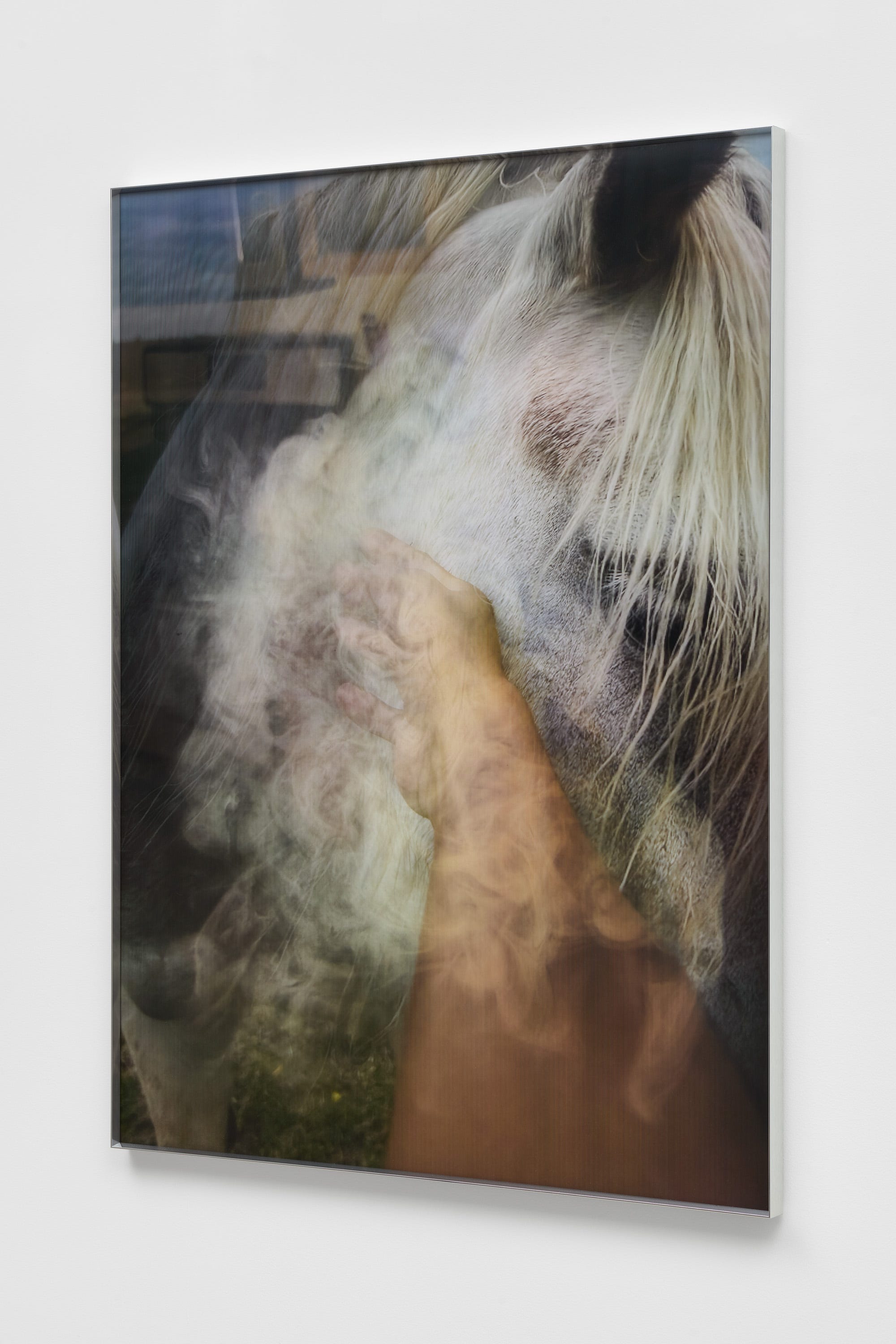
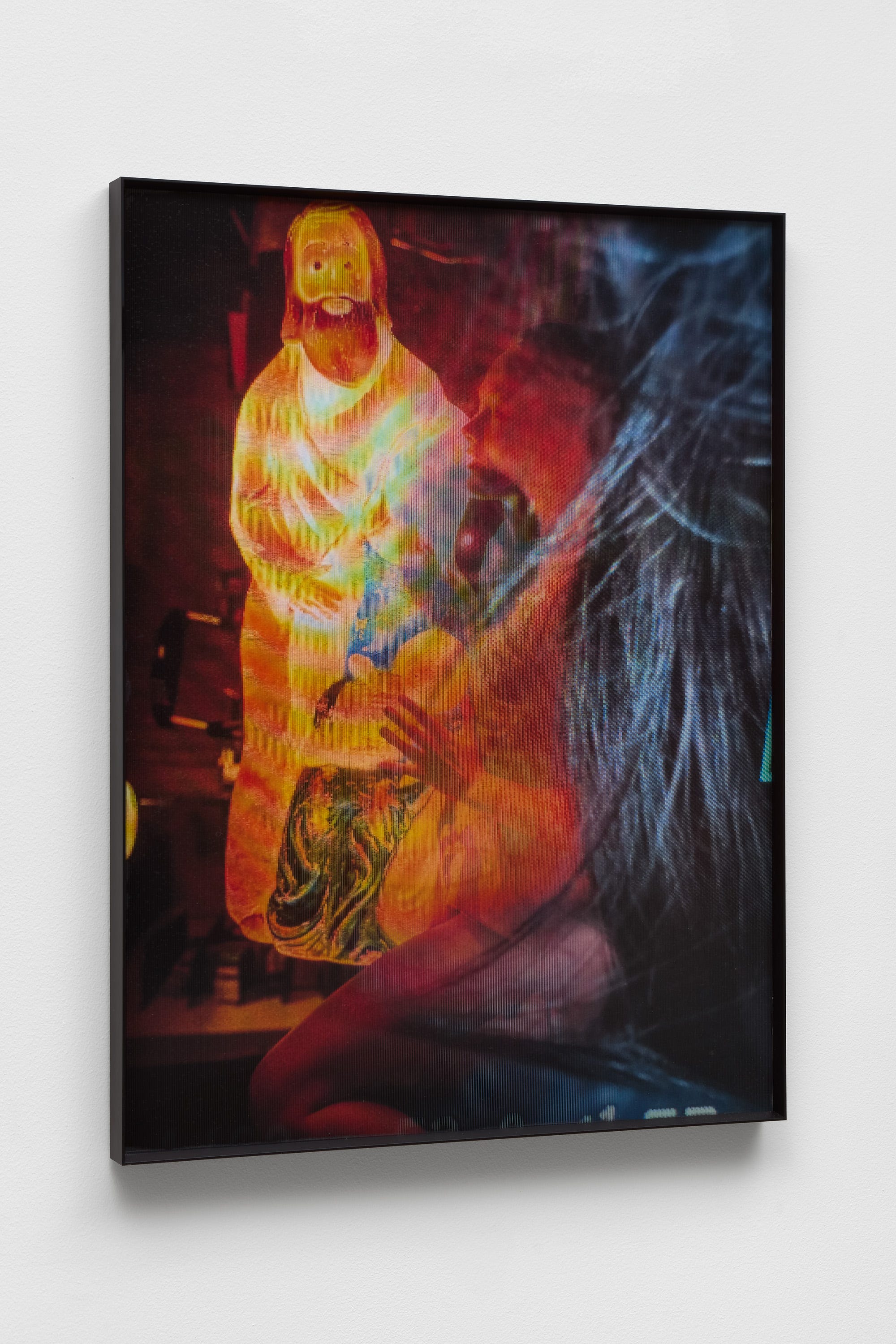
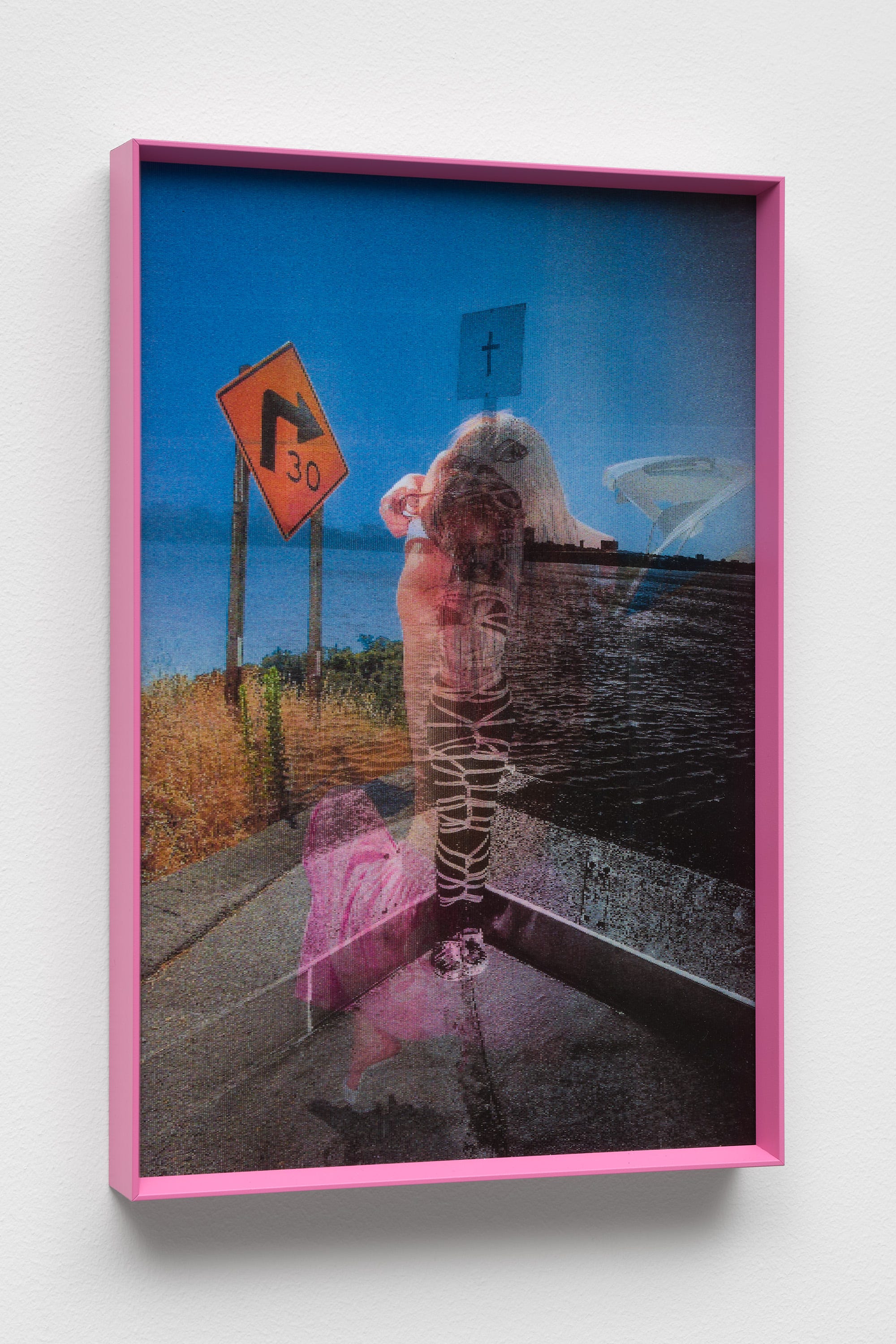
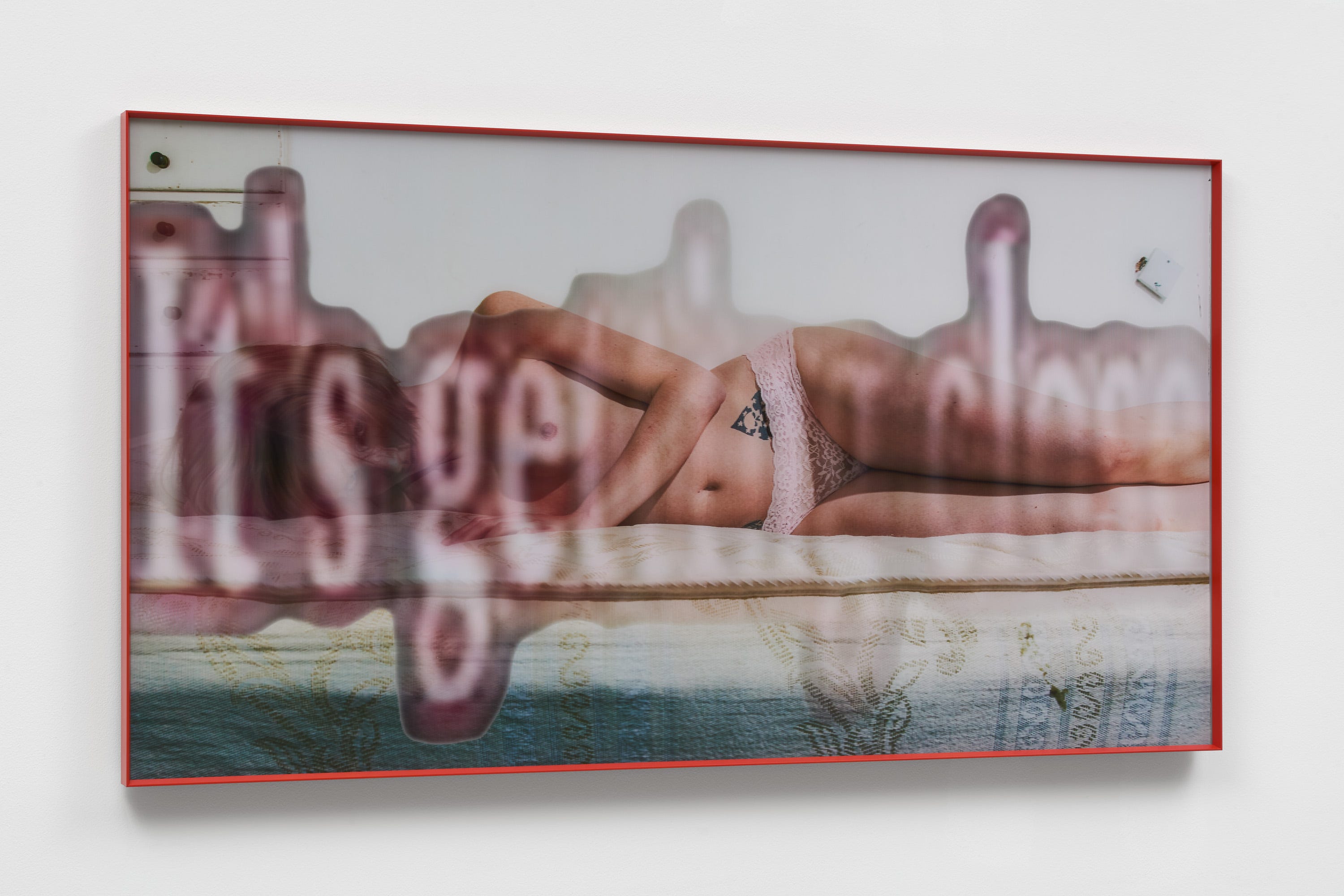
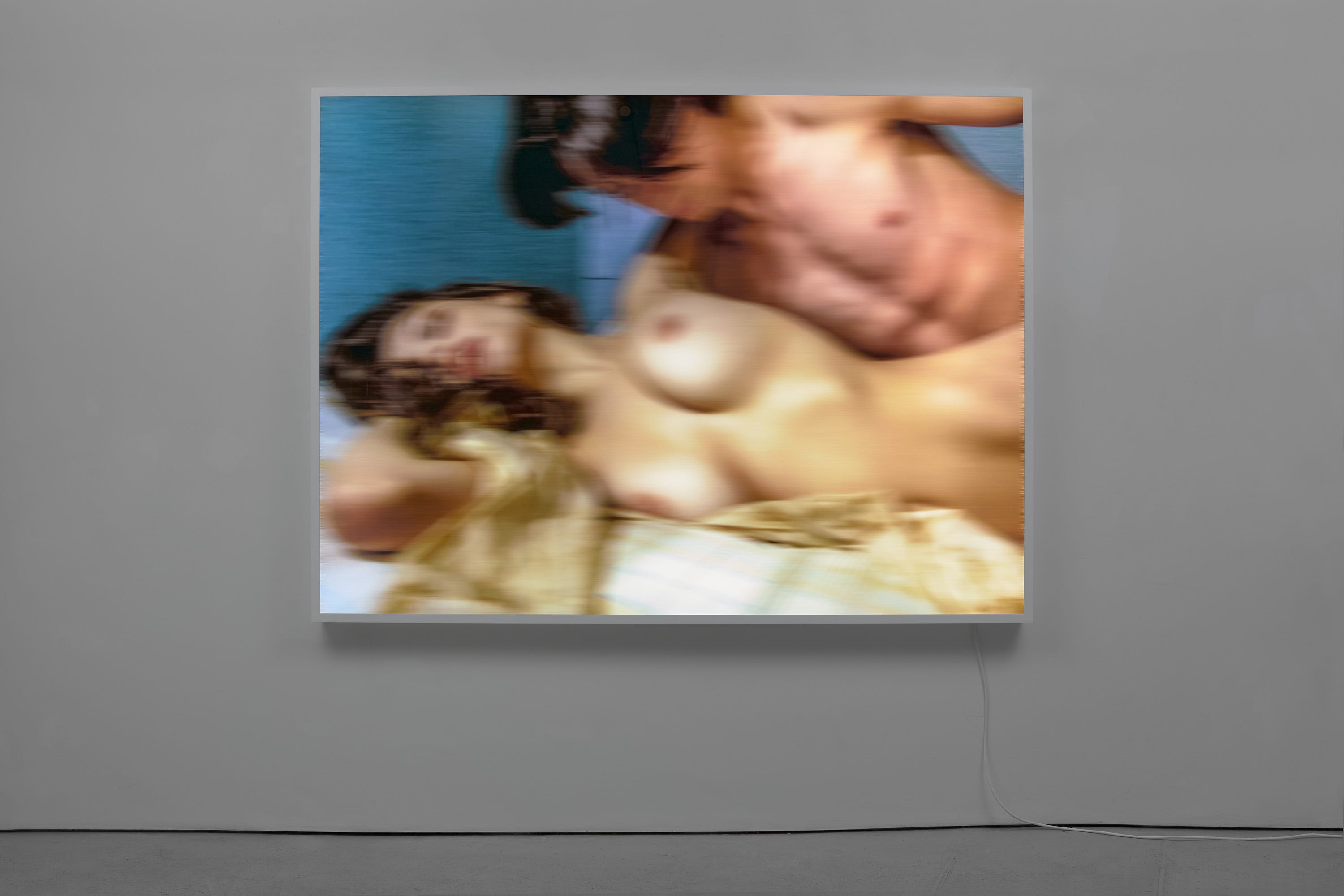
But the true evidence of McKeever’s perception is his latest exhibition. It is anchored by a massive lightbox print depicting a sex act that looks like someone’s memory of one, and mostly populated with lenticular works that morph as you walk by, objects that are “thoughts in motion,” “both entirely up to you and entirely decided, like our algorithms.”
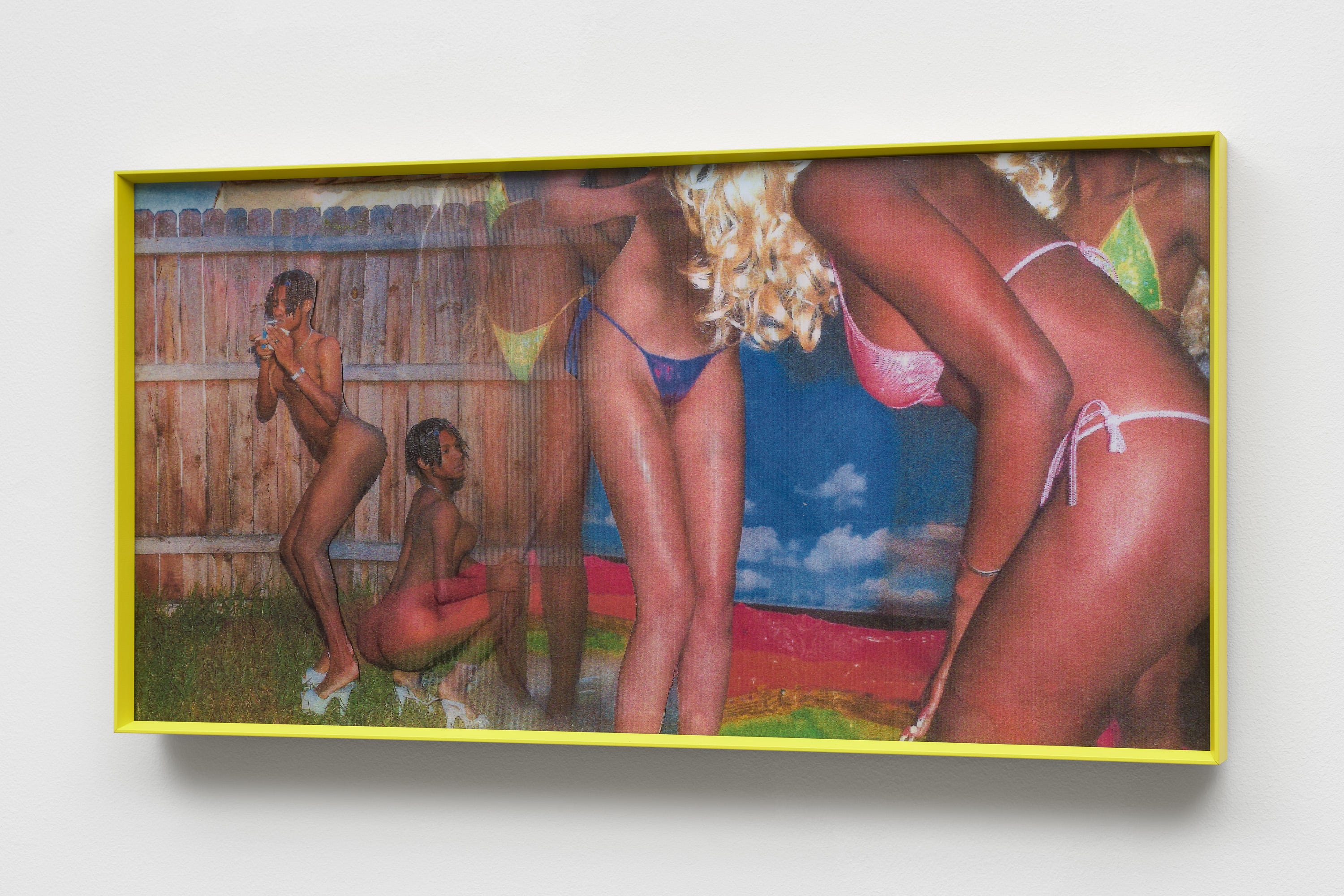
McKeever understands that images are hijacking the selves of his generation. We project into images, reject them, define our aspirations through them, understand ourselves and our desires through their fantastical presentations. In an image sharing economy hostile to truth, images warp us to our very core.
McKeever knows this because he has suffered from it. He’s done now. This show is a personal bookend. He is off to other mediums, and other industries. He is seeking a stronger sense of self, and a purer honesty about what that means.
We spoke about that, and many other things. Read on.
Noah Jordan: Tell me about this show.
Brent McKeever: These images are my psychic dossier from 2016 to 2026. The psychological states, highs and lows, lights and darks, of everything since I was 15, 16, up to now, 25. Where my mind was at and what I was absorbing musically, spiritually, image-wise, movie-wise, friend-wise.
It’s been an epic, manic, and, at the same time, mundane coming of age.
This is my close to that chapter. It feels like the final piece of what my experience of culture has been like for the past years. Now I’m ready to become, not just in my personal practice but in my actual waking life, an adult.
NJ: What defines adulthood to you?
BM: Fucking boundaries, first and foremost. I’ve had absolutely zero up until now.
And also love. Honestly I’ve never experienced love, because I haven’t been mature enough to do so. I think everything has been a projection of what I’ve thought I wanted versus what actually felt good or true, whether that be gender, the dynamics of sex, and me equating those things with love.
A lot of projections, looking at things and thinking that’s what I’ve wanted before I sit with myself and become accountable and take responsibility for the things that aren’t working and reflect on the things that are.
Also, no more weed, no more drugs, no more juuls.
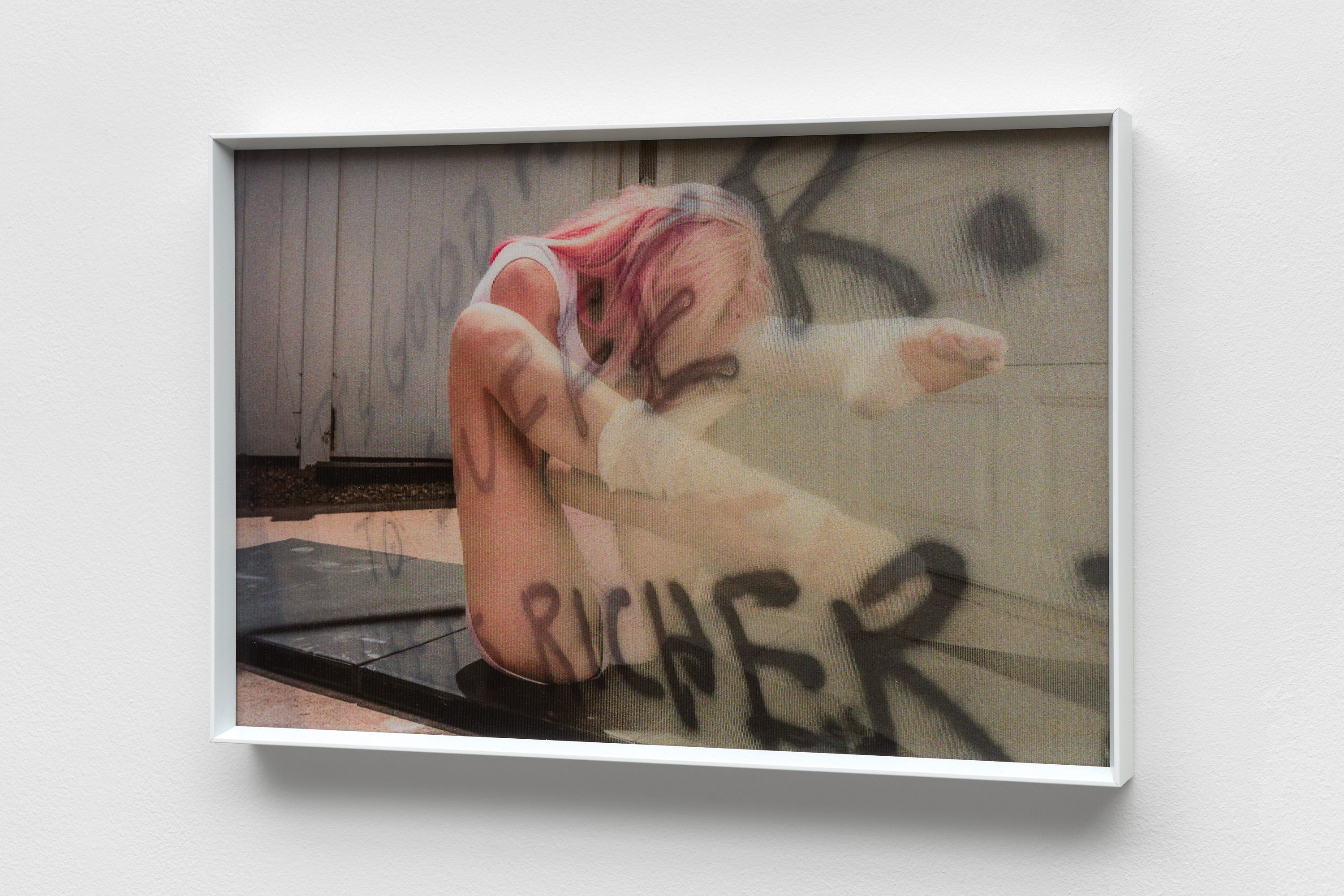
The boundaries piece is interesting. In the past you’ve discussed how easy it is to project ourselves into images, to use images to define ourselves. You’ve also spoken about how, in your earlier work, you were doing this to an extent. Tell me a little more about that.
I used to use images (whether ones I took or encountered) as teachers, fun-house mirrors for understanding myself.
I was drawn to people who, by looking at them—the way they exist, whether that be in real-life spaces, or, more often, online, through their curated social media presence—I saw a part of the “me” I wished to adopt. I was only focused on the surface, not the inside.
You were actively a part of the community you were photographing in your early work, so those images did sort of become, in a real sense, connected to a version of you. How did the social dynamics surrounding your photography and its subjects affect you?
Historically, I have taken pictures of primarily white girls because I have felt as though my black male body, my surface, could not communicate, in the way these women can, what I experience in myself.
Despite the limitations imposed on people like myself and my family, these girls made sure I was included and afforded the same opportunities to be young and carefree previously only afforded to boys and girls who looked like them.
On the other side of the coin, I struggled with an internal sense of being a sort of cuck, toy, or accessory to people who, despite the inclusion, cannot become aware or feel the interiority of being a black man, let alone queer.
My parents told me repeatedly, “You are not one of these white kids you hang around.” I used to resent them for it, but I get it, and have found strength in it thanks to them and the broader family I have chosen.
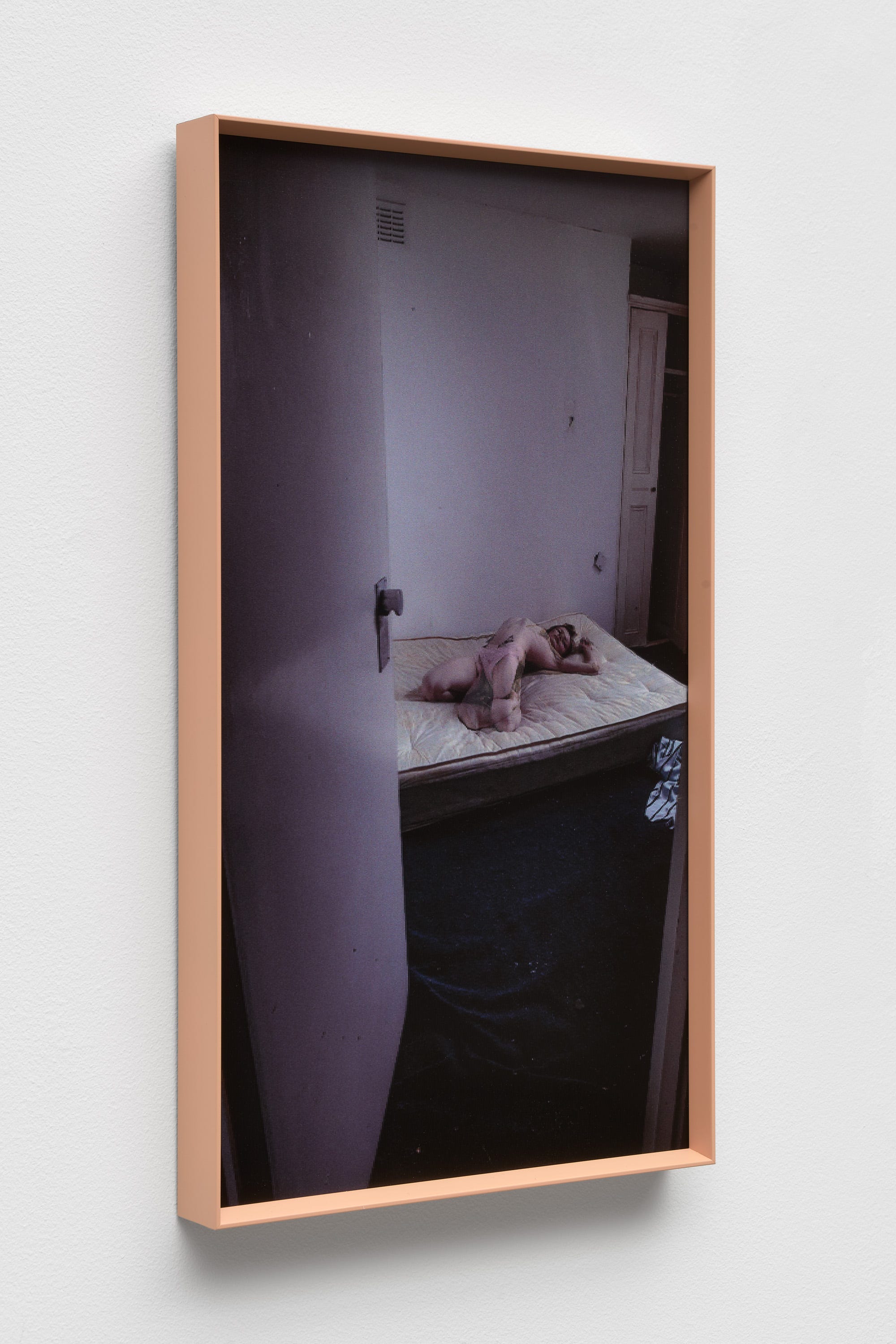
From an early stage you were associated, as a photographer, with the Instagram generation. You were portrayed as someone who understood the platform and the people, almost a sage-like figure, or an artistic translator for the next generation. Are you going to leave that behind too?
I’m both leaving it behind and claiming it in a way, but at the same time, wait till you hear a project I am working on under a pseudonym. It’s me doing that, but in a musical sense.
A contemporary example: Drake puts out music that’s literally like, boom, that’s what’s happening right now, on the largest scale possible. When that album drops, you’re like, “yeah, this is right the fuck now.”
I connect to that same essence of this is now. Whether that be, “This is now, and now is liking this thing from then,” or “This is now, but it won’t be now until five years from now.
I know my now will take a second to make sense, whereas Drake perfectly fits into what is happening—now. It feels weird not having that institutional validation, but I choose to make my work in a way that is a bit disruptive and hard to digest. In my head, I’m making something that’s so universal, but when it comes down to it, it’s hardly recognized except by a specific subset. I love my subset, though. They have taste.
How has social media impacted you personally?
I kept looking to social media to give me a version of my now that doesn’t require me to keep working, or move forward, which I know is the only solution to my being stuck. I am then put in the pool with those who are also stuck, and we’re all being fed the lives of those who aren’t (or don’t appear to be) stuck.
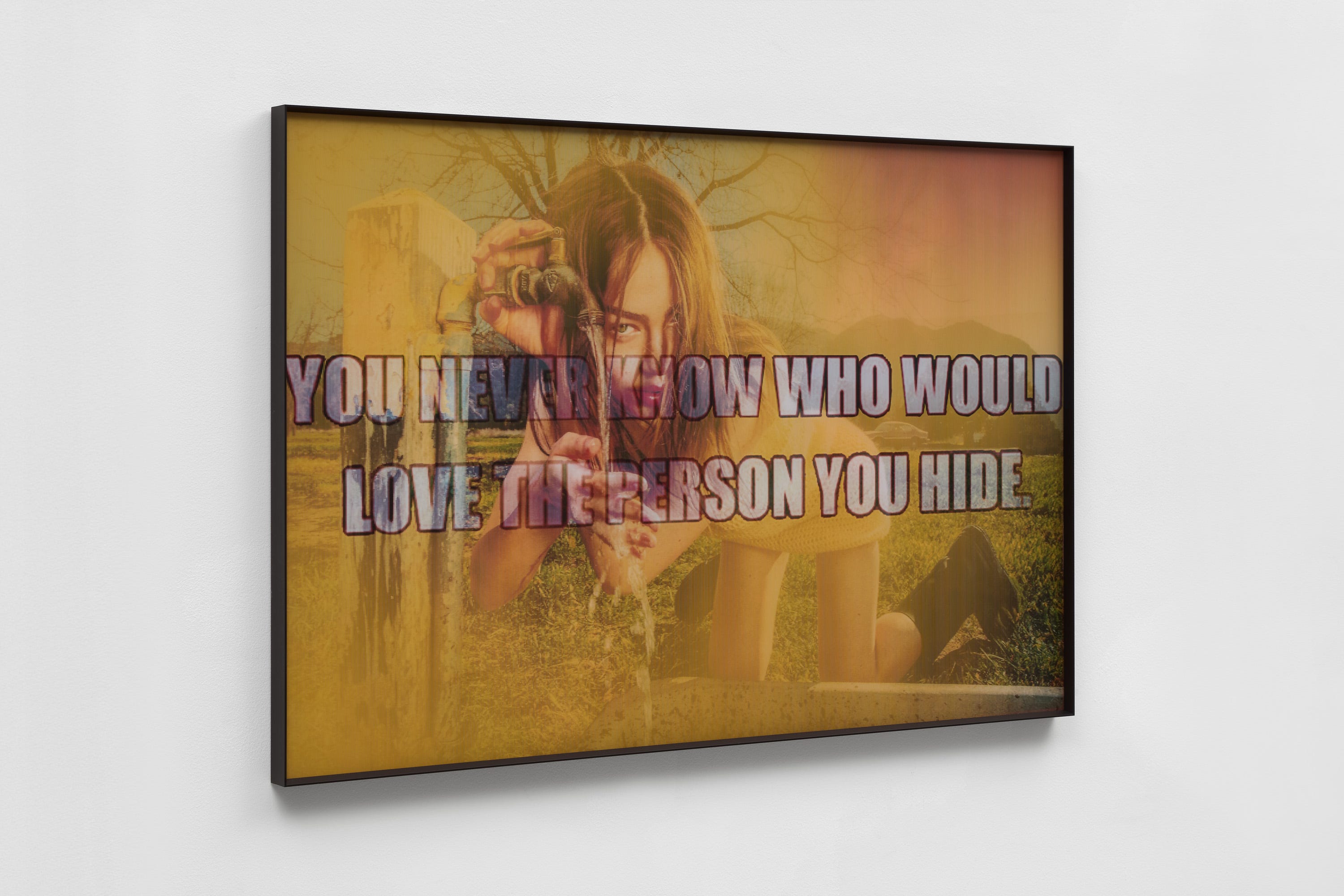
For this show, you didn’t go the standard photographic route with high quality prints of your photos. Why not?
My instinct is that the print is not respected in an art world sense.
Also, and this has been my thesis for so long, I hate how my pictures look printed on a piece of paper, in a frame, hung up as if that is all there is to them. The standard photographic print is kind of the ultimate death of the image.
In college I had this professor for a printing class.
I was already having impostor syndrome, feeling bad for being in there while everyone’s working their ass off, and I’m going out and shooting Rihanna on a Sunday and then coming back to class on a Tuesday, trying to act like that was not the case. Modesty will kill you. And I was so unsatisfied with the way my prints were coming out. I kept bumping up the sharpness to try and get them to resemble my screen, and it just wouldn’t work.
The professor got off on the fact that it wasn’t working. He had me in my head for so long thinking I’d been delusional about the strength of what I’m doing because I was only looking at the screens.
But I literally just left a dinner and there was a baby, maybe two or three months old, and the parents had an iPad propped in front of it. Some things look better on a fucking screen and are meant to. My earlier work was meant to be digested in that way.
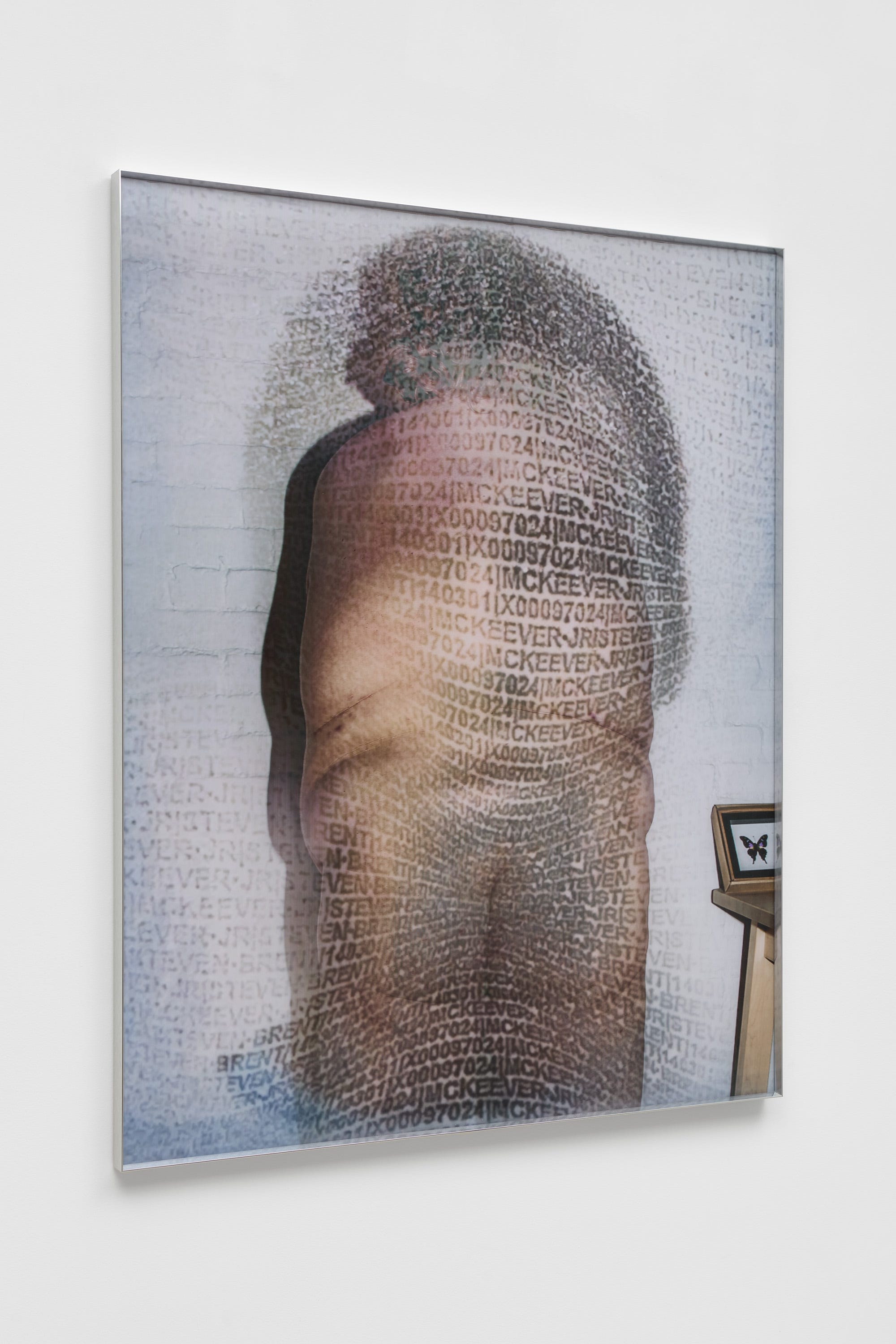
So how did you land on the lenticulars?
The lenticulars came from me trying to find that resolution to the discrepancy between physical and digital space. The encounter with the piece is both entirely up to you and entirely decided, like our algorithms.
These objects are also like thoughts in motion, recorded bouts of visualizations from in my head, about what’s in our heads. Thoughts you can press play, pause, fast forward, and rewind on. You can choose whether it’s a bumpy or smooth ride, and you can get off at anytime.
It was also me thinking about the people who came before me, touching on that canon and trying to find the next step in that canon. That light box was me being like, okay, that happened. Then the lenticulars were me being like, this is the next step.
My diary for the last seven years was a book of Elmo where if you turned it, he was smiling and then sad. Baseball cards and all that stuff. I literally visited the show two days ago and saw this [lenticular advertisement] in the train station.
There’s this growing discourse about the death of the image, or the uselessness of the image today, given AI tools and general oversaturation. I wonder if you’ve seen this discourse and if you have any thoughts about it.
I know exactly what you’re talking about, and I can imagine the Instagram slide graphics they’re using. It’s so cynical to me because it makes you think about how necessary it is and paradoxically confirms how important it is to be absorbing all of these things as images, because otherwise what is the alternative?
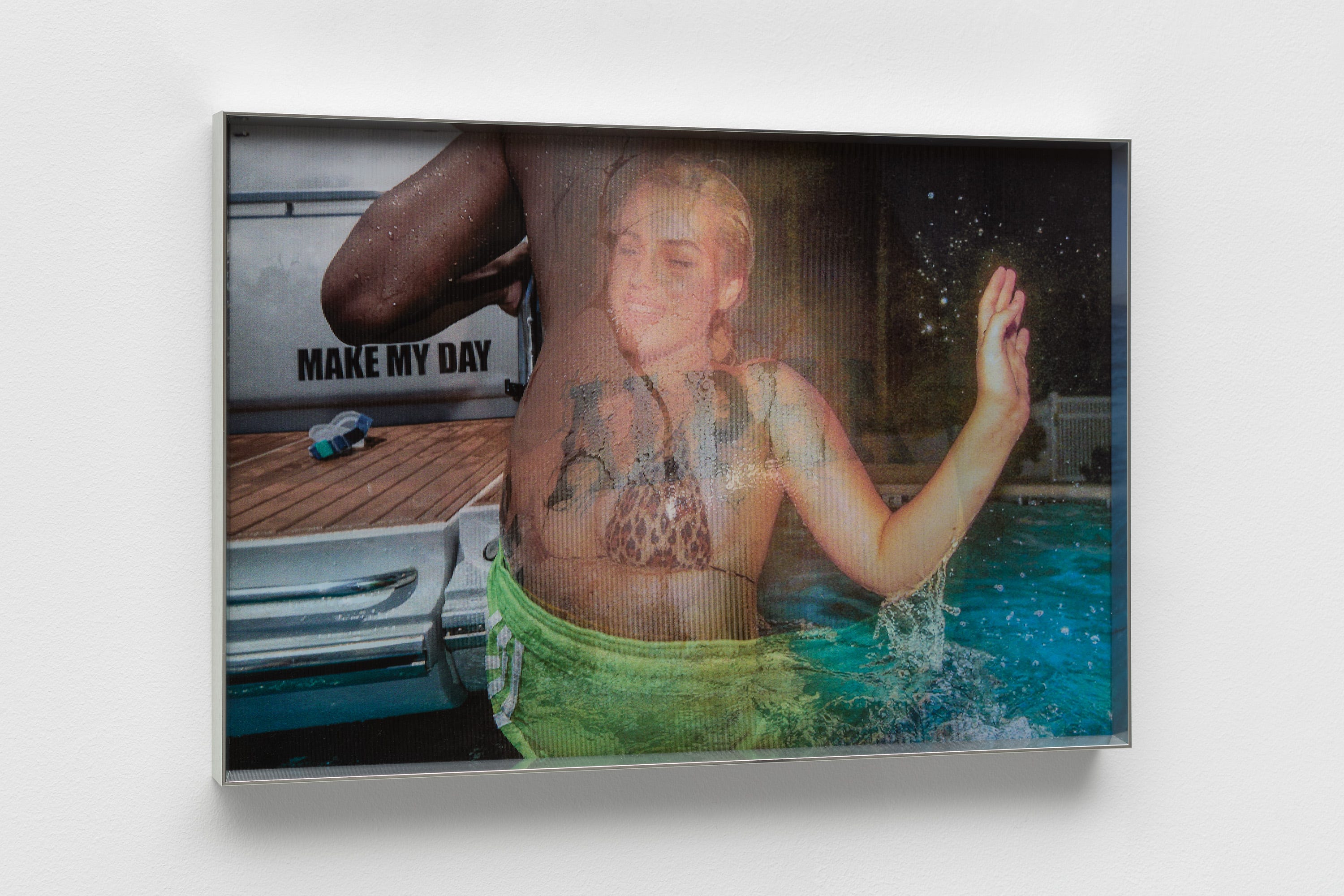
Just in your own life, because central to your work is this idea of the effective power of the image. Do you feel like you are still impacted by images the way you were eight years ago?
Unfortunately, yes. Some of my favorite images come from girls on Instagram. I think girls on Instagram are the best artists sometimes without even trying. The ones that really get it, fucking get it. It feels like they’re sacrificial lambs.
Everybody wants to be those types of girls, but there are only a few who really do it. The algorithm is getting really good at picking up the girls who aren’t consistently like that, but have specific posts that do that one thing.
It all is starting to feel like, where is the next wave? Maybe it’s an in-person thing, being able to replicate that essence face to face. That’s an even smaller group of people because most of these girls are not that gaggy in person. But there are a few. Mostly every girl featured in my show is that type of girl in real life, give or take… three.
I feel like I’m literally going to get the exact same comments of “misogynist!” but I can’t help it. This is my brain as the resentful gay boy who wanted and thought he was one of these girls but never was. That was my criterion [for models], whether I could identify the type of person I wanted to be in these people.
Do you have a point of view about what’s coming next?
I think everyone has the choice.
I have this bird outside my window. She laid her eggs, and they hatched on the night of my exhibition. I was leaving for the opening and started hearing the babies tweet after a month and a half of waiting. Now they’re gone, and it feels like they’re leaving me to start a new life.
I wouldn’t have been able to give a fuck about that if I hadn’t spent the past few months trying to come back to being present, being with God, being with myself.
So many things I wanted for the past few years are not the things I can have, or should want.
I think that gap of what the truth is is going to be tested more. Unfortunately, Adam Mosseri’s truth has a lot more gunpowder. Keeping people slow, keeping them closed off from that truth, keeping them on their fucking phones. We were raised on a platform that felt at least partially democratic. Now it’s like, oh fuck.
It’s forced me into a better conclusion, which is waking up, hanging my laundry on a rack, getting my coffee at the café next door. That life versus Kylie Meta glasses.
What’s helped me is realizing that the phone is a consumer product. Once I attached that term to my phone, I was like, “Oh my god. I’m picking up my consumer product.”
That consumer product is no longer the 24/7 thing that it was, but I was raised on that. It’s a part of me that, no matter how farmers market I get, is still going to be there.
I think there’s a beautiful hybrid between the two that touches on the idea of a digital sublime.
You can either see what’s happening now as extremely dystopian or utopian. I think there is a nightmarishly beautiful version of the two coexisting that I’ll probably end up choosing. One week in nature, the next week robot.
-