


“Archive Dive” is a periodic series by Welcome Magazine that sources scans from important physical cultural archives, alongside context and interviews with their stewards. This is the first installment.
-
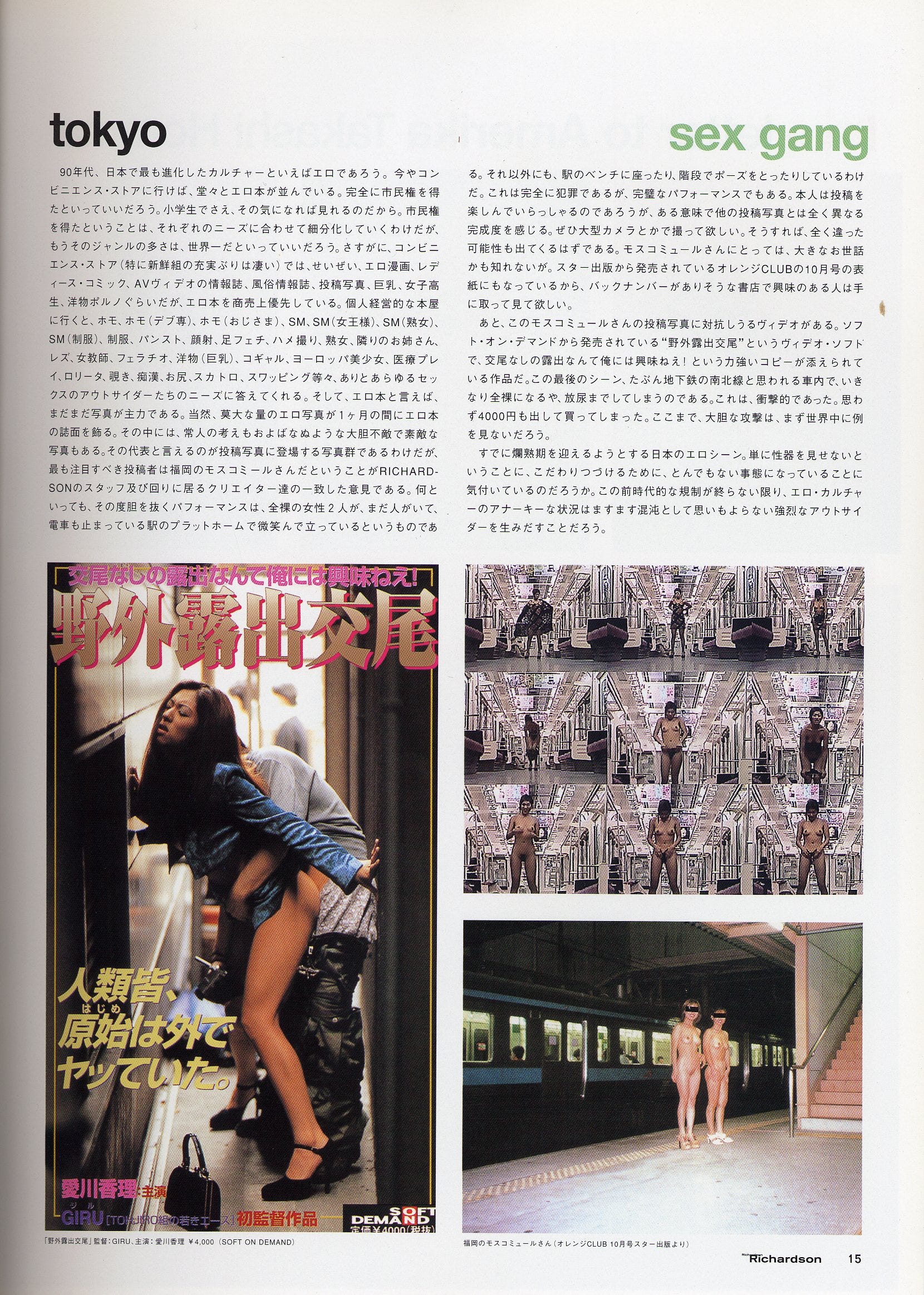
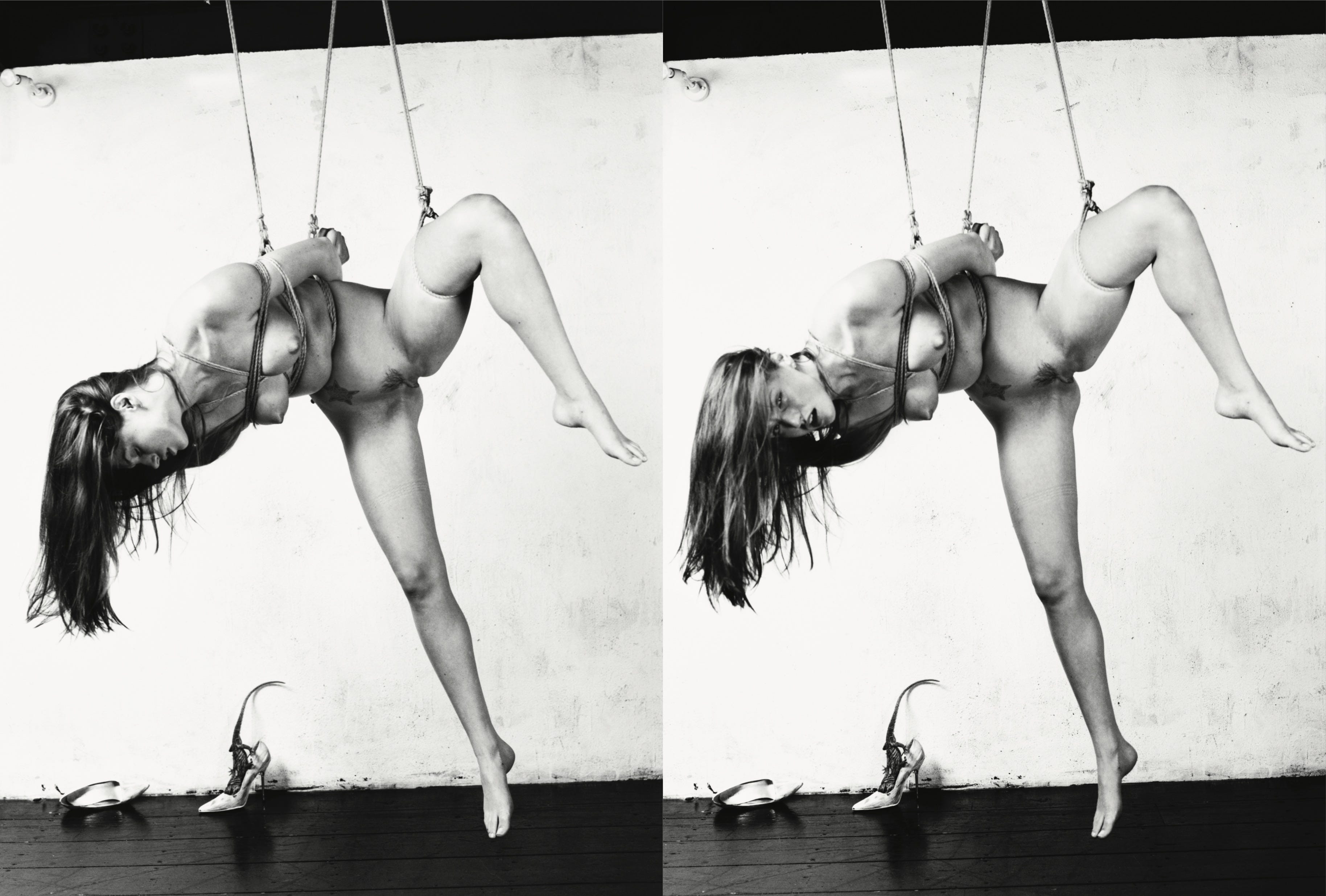
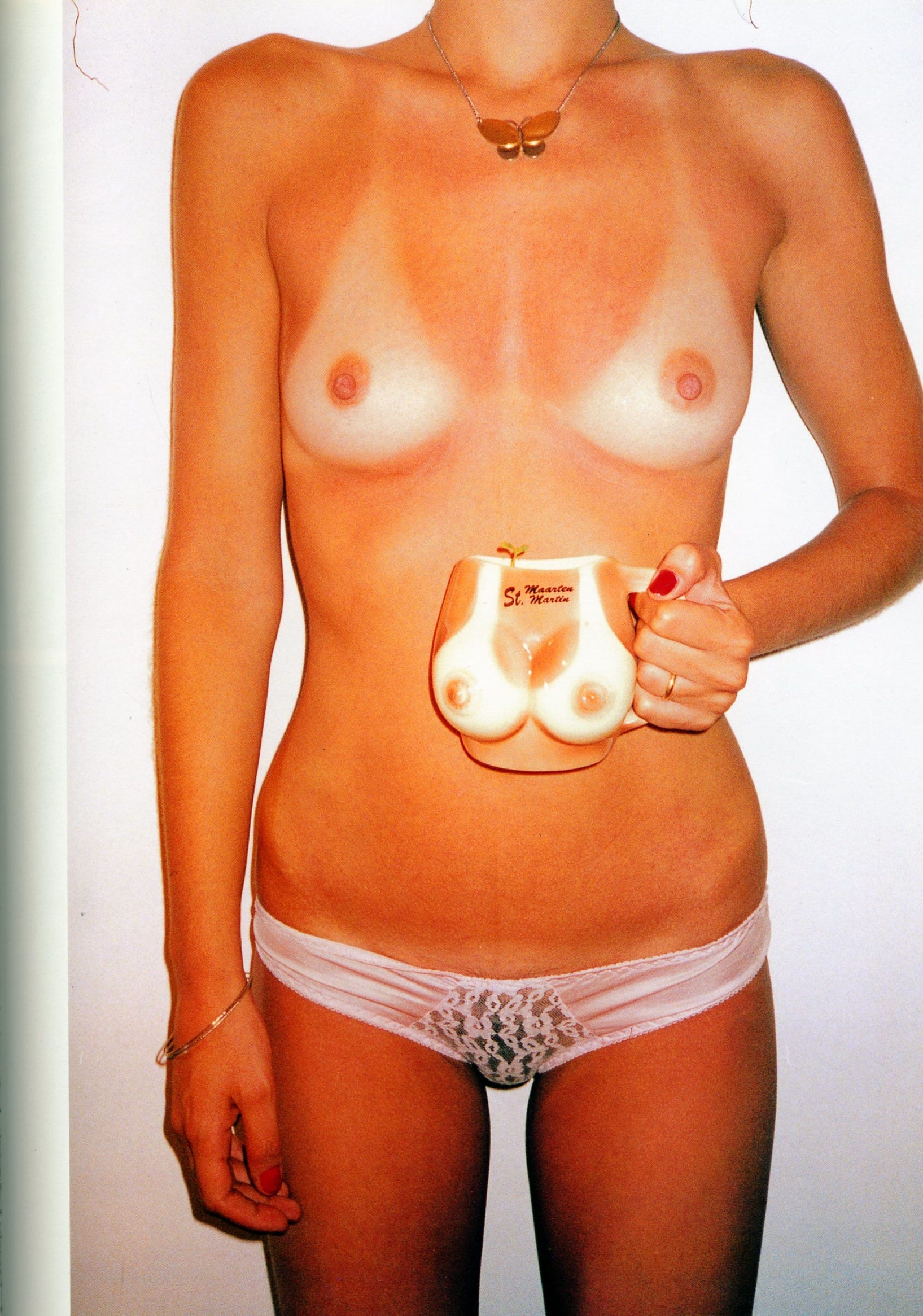
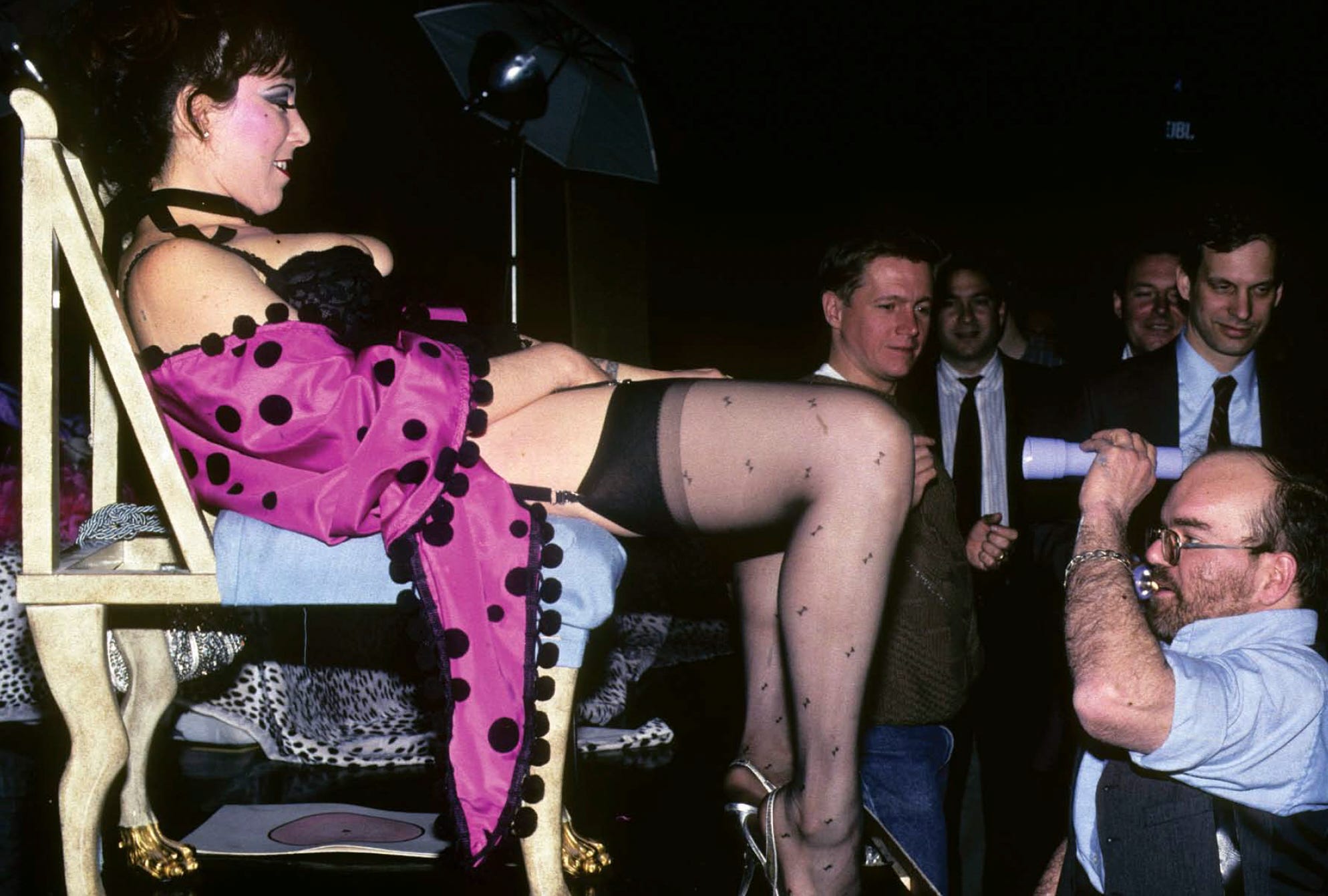
Richardson Magazine is a radical magazine founded by stylist, editor, and provocateur Andrew Richardson in 1998. The magazine’s unique coverage style unites sex, art, and fashion under a single transgressive umbrella. Producing just 12 issues over its nearly 30-year tenure, Richardson rejects normal publishing cycles, moving at its own pace. This guerrilla-style approach to publishing and content is complemented by dynamic storytelling and that toes a difficult balance of the subversive and the intellectual.
Over its tenure, Richardson has featured an impressive array of cultural figures. Not only their cover stars, but also the photographers shooting them, and the writers covering them. For instance, when Kim Kardashian graced the cover of A9, Steven Klein was behind the camera, and Bret Easton Ellis was asking the questions.
As conservatism and the suppression of freedom of speech intensify, Richardson’s challenging of the contemporary zeitgeist serves an important boundary-pushing function, planting a flag on the fringes of expression. After all, if anything can be suppressed, everything can be.
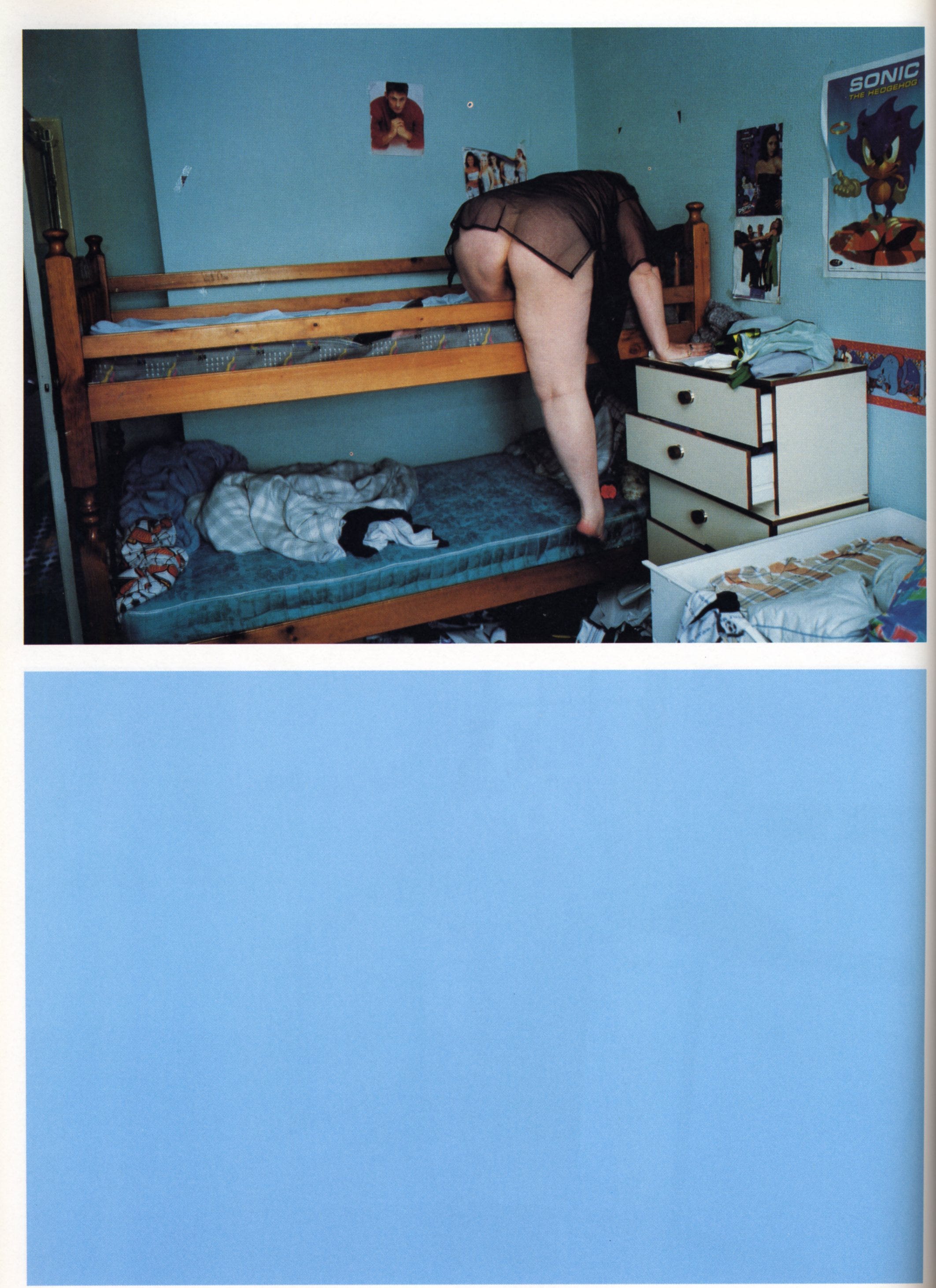
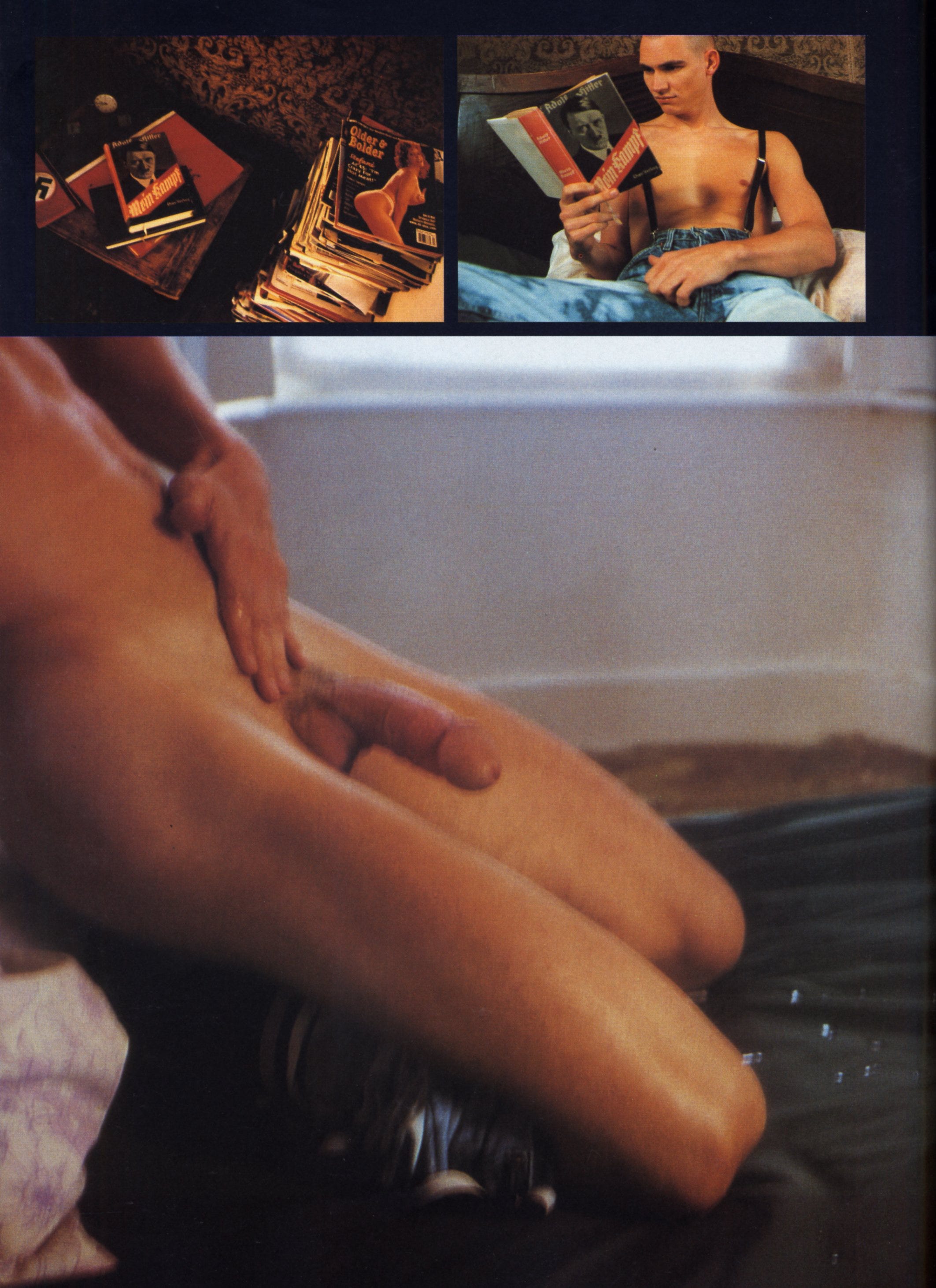
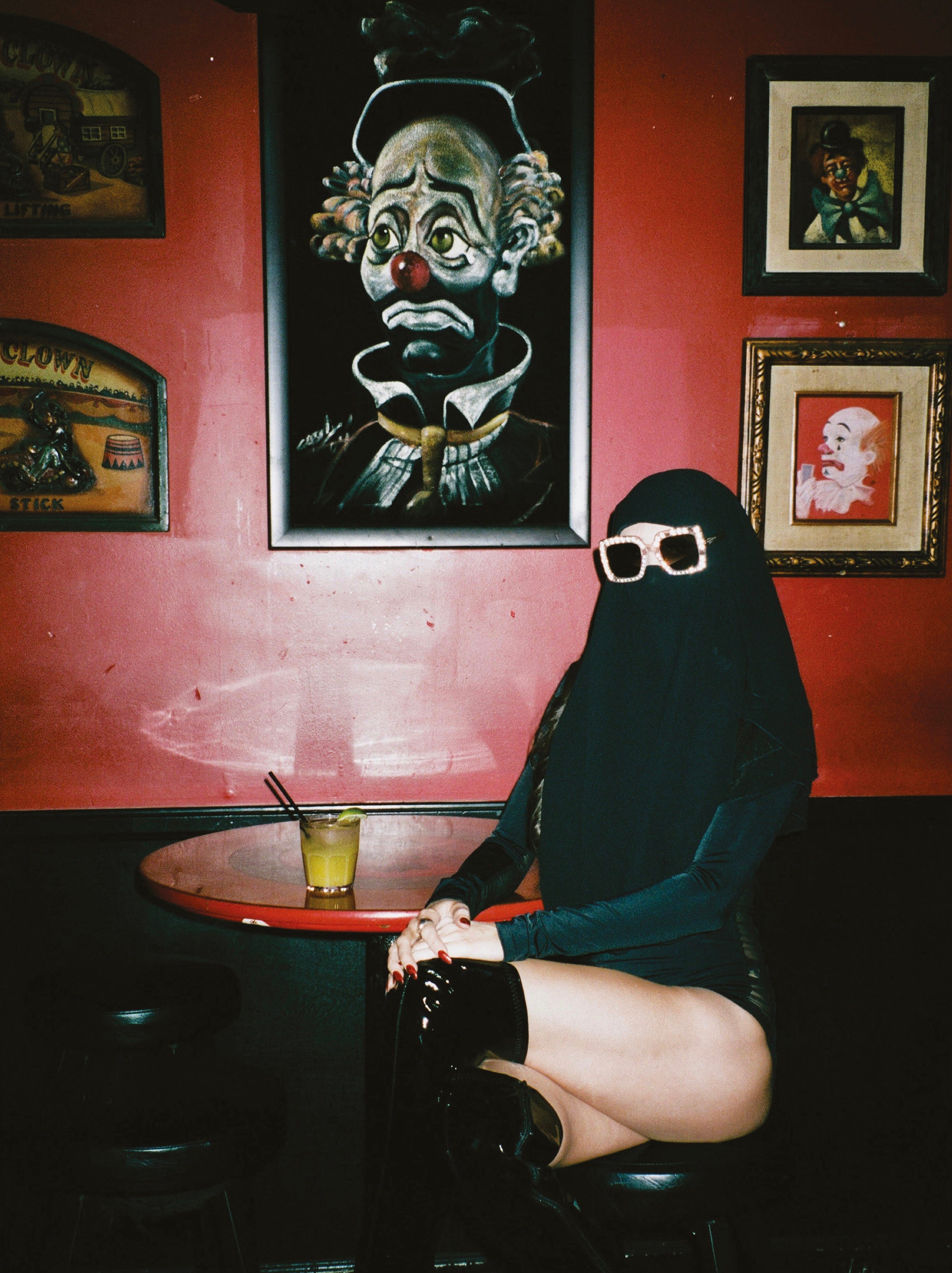
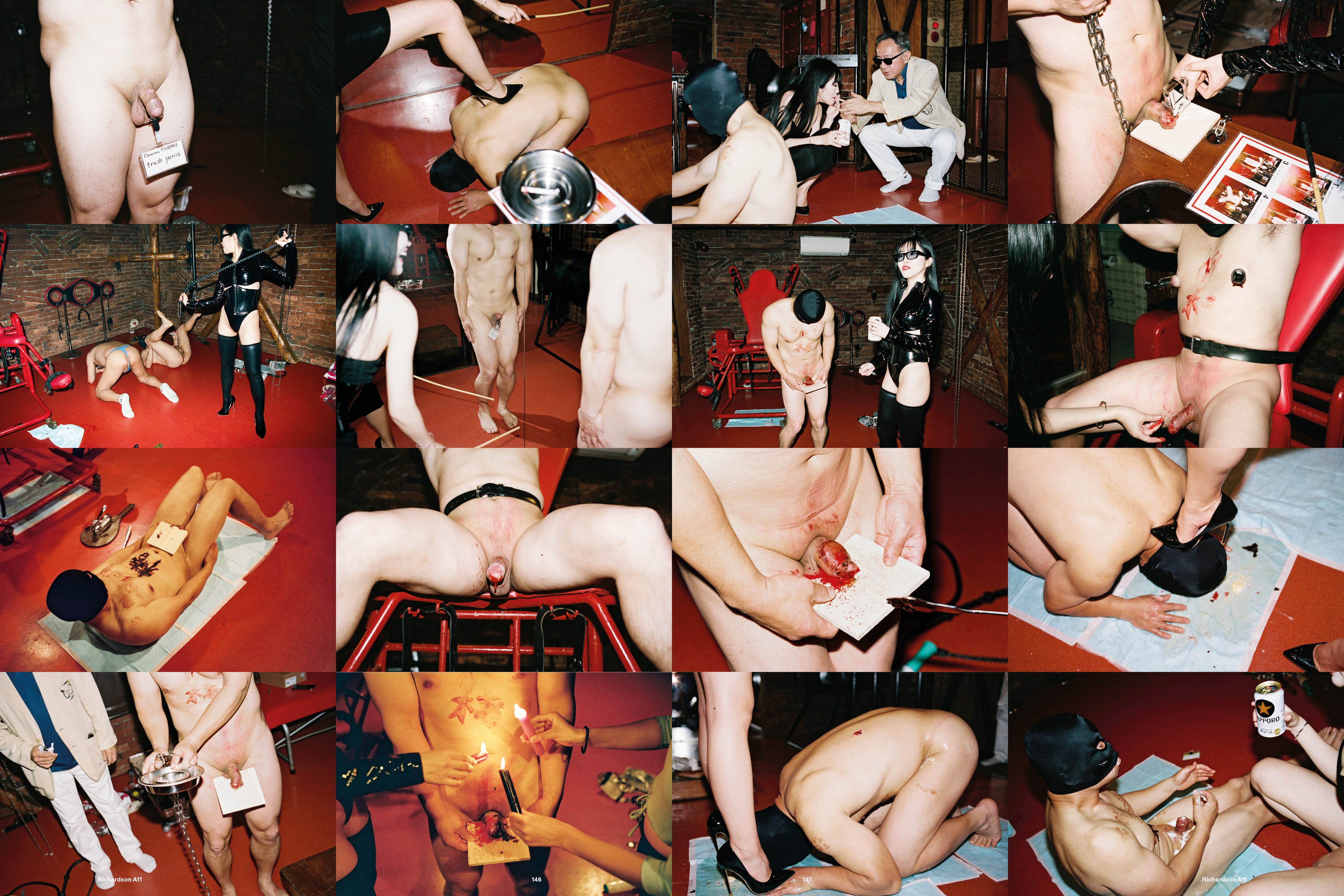
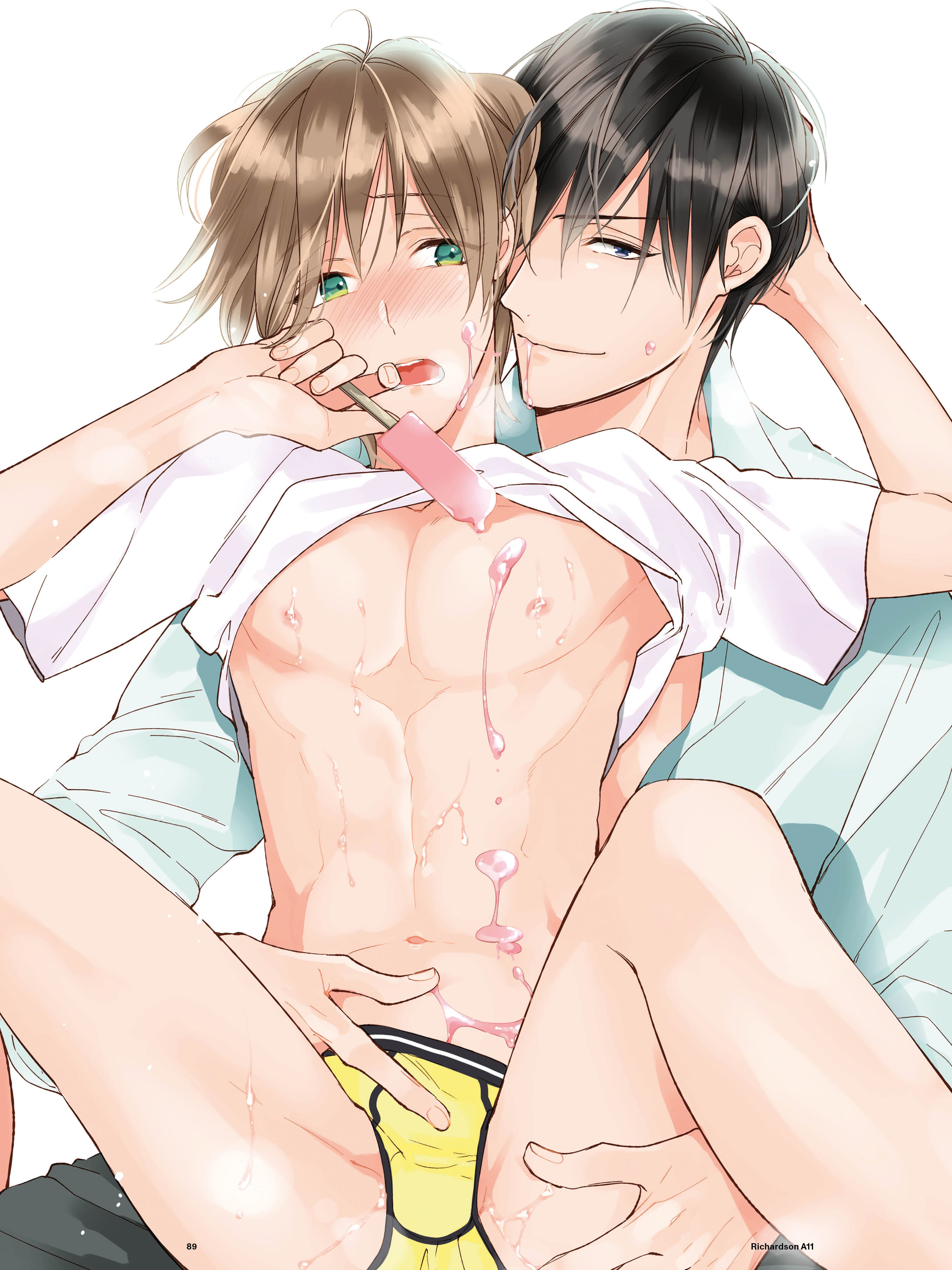
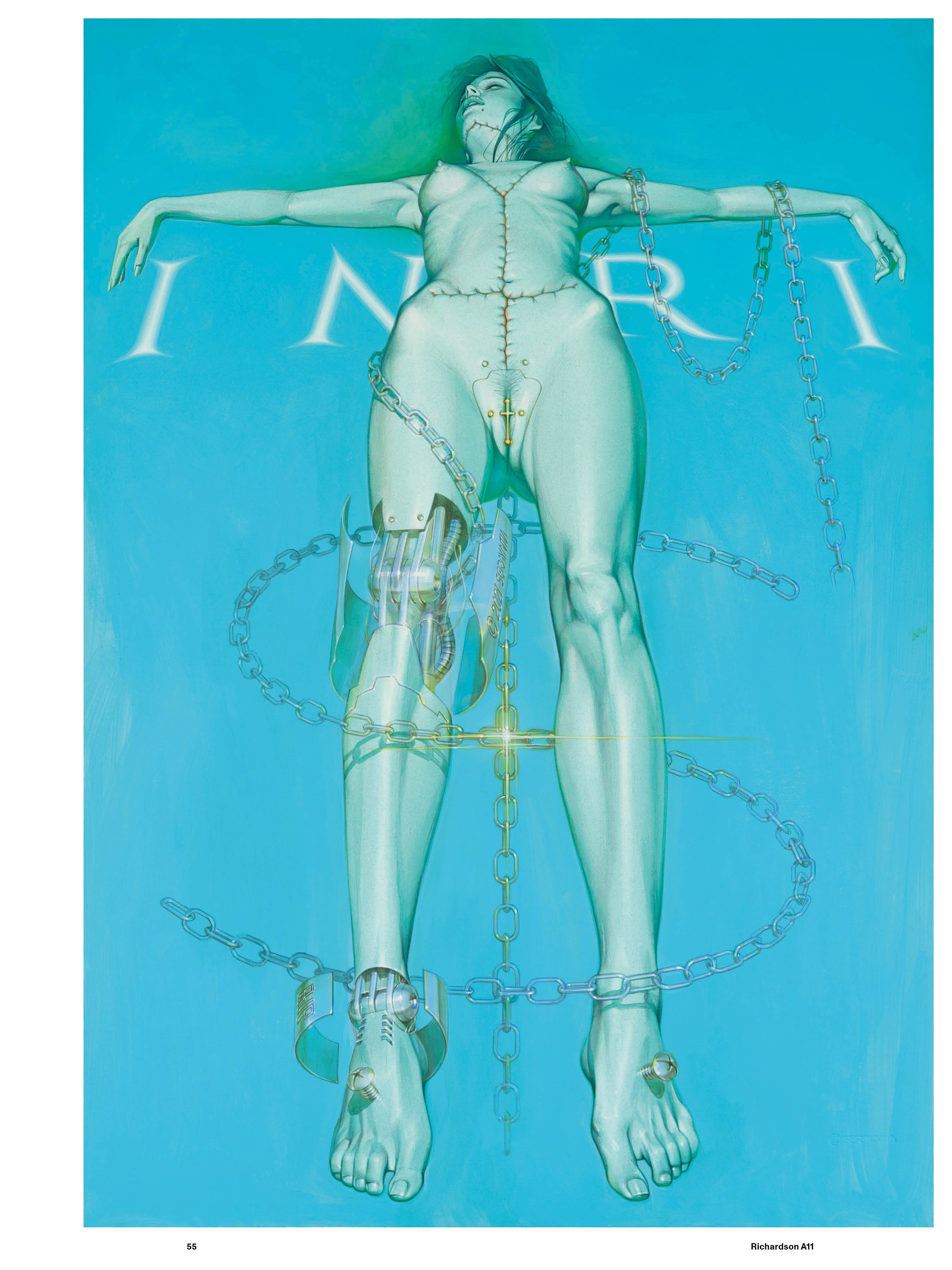
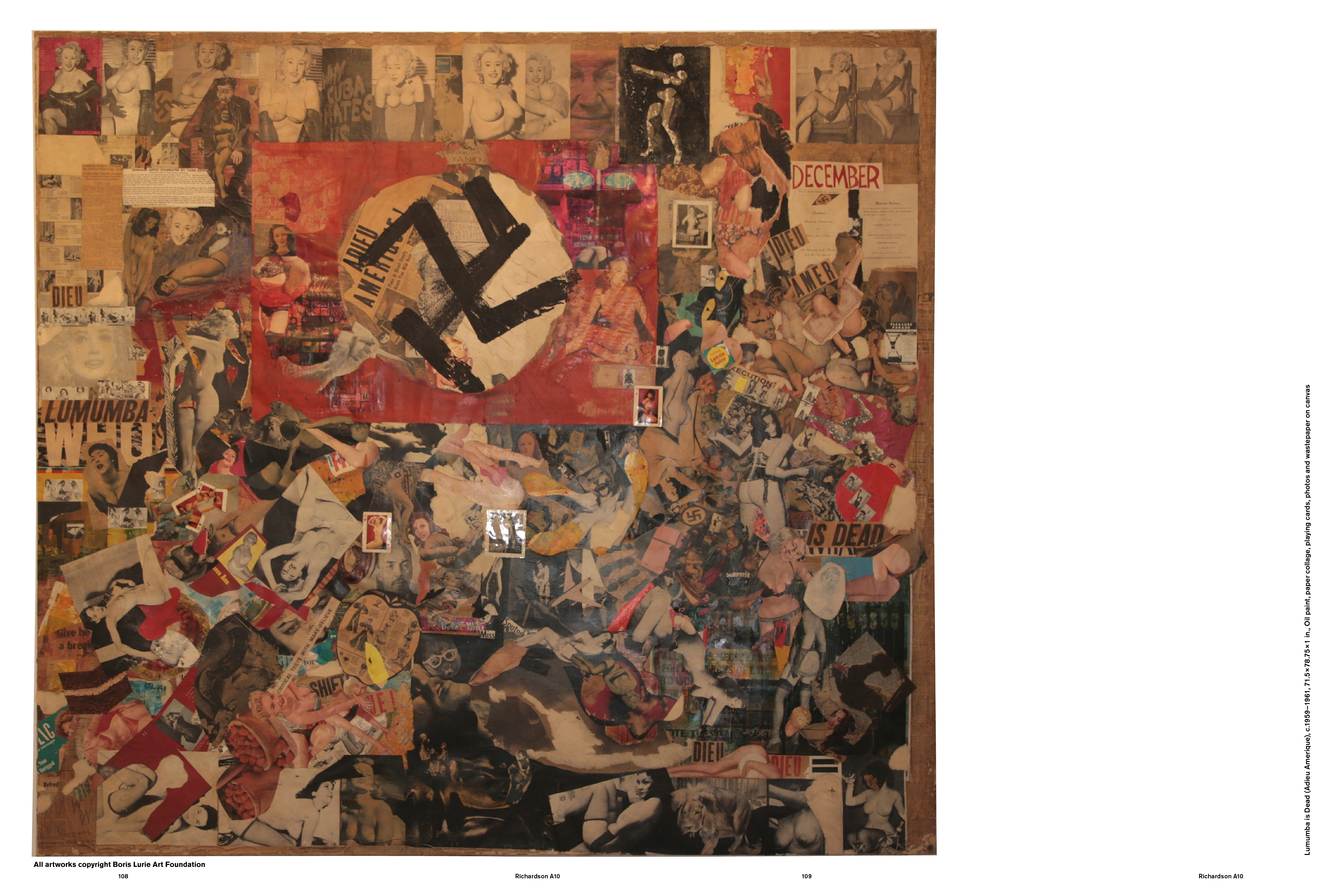
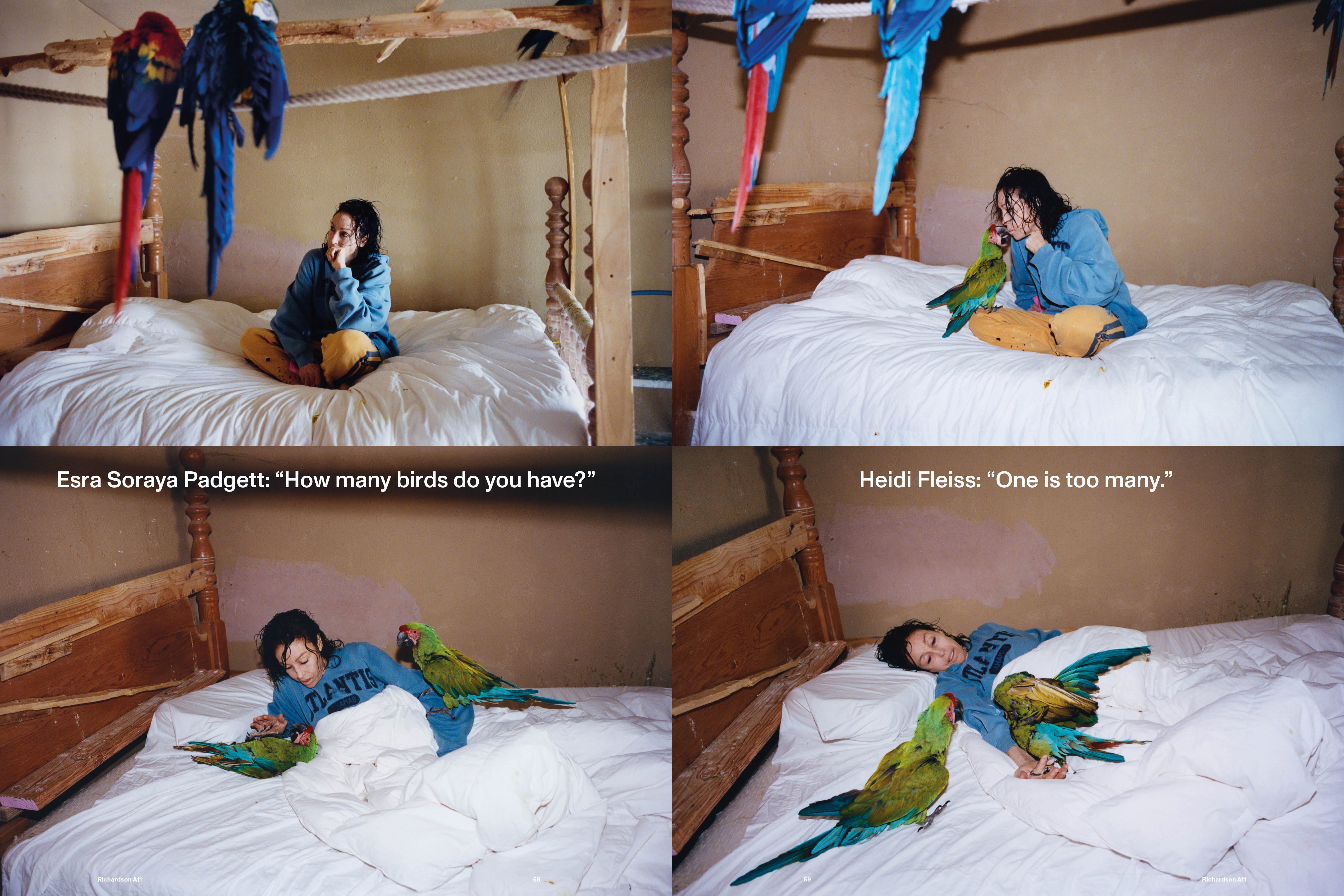
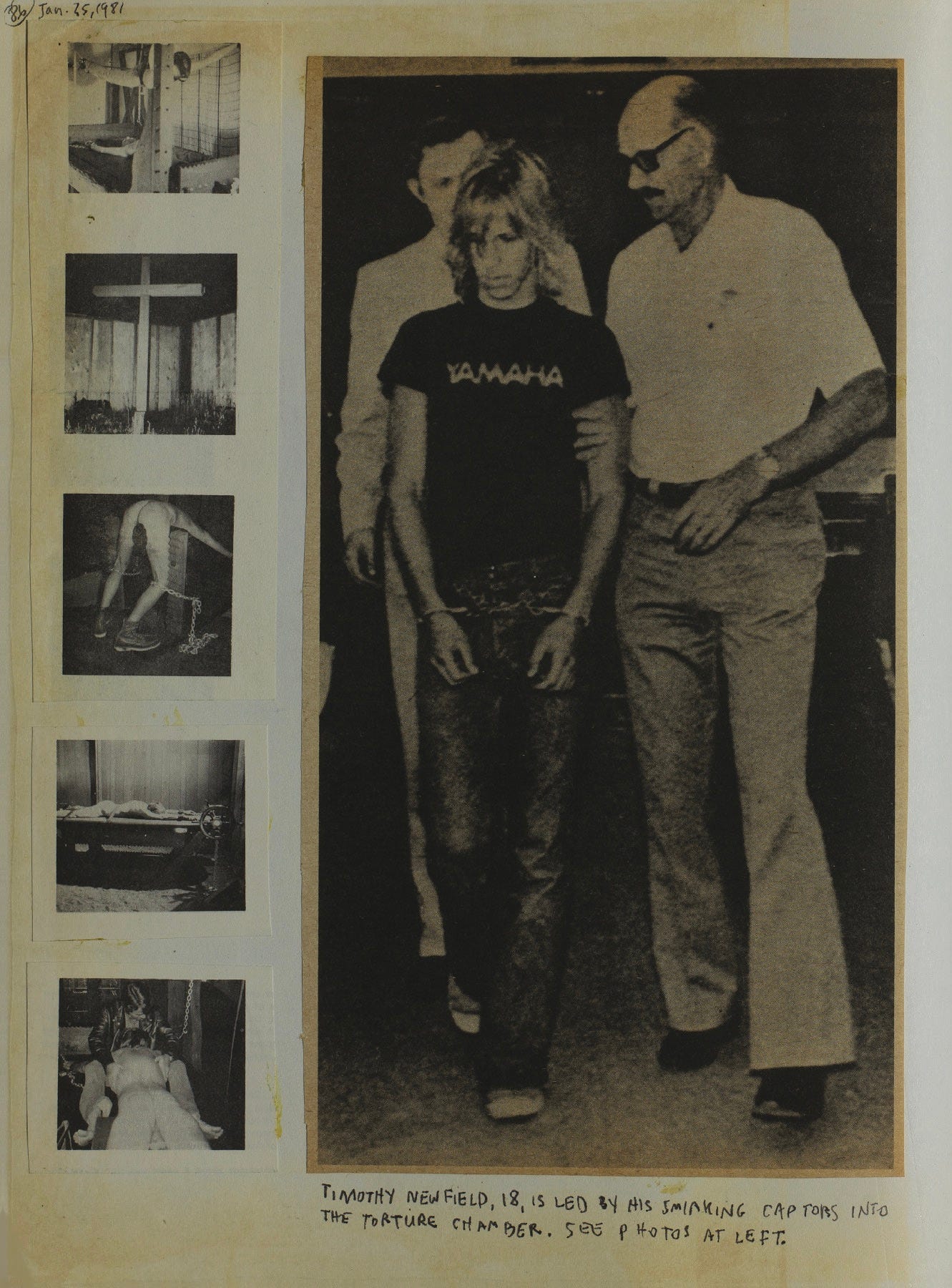
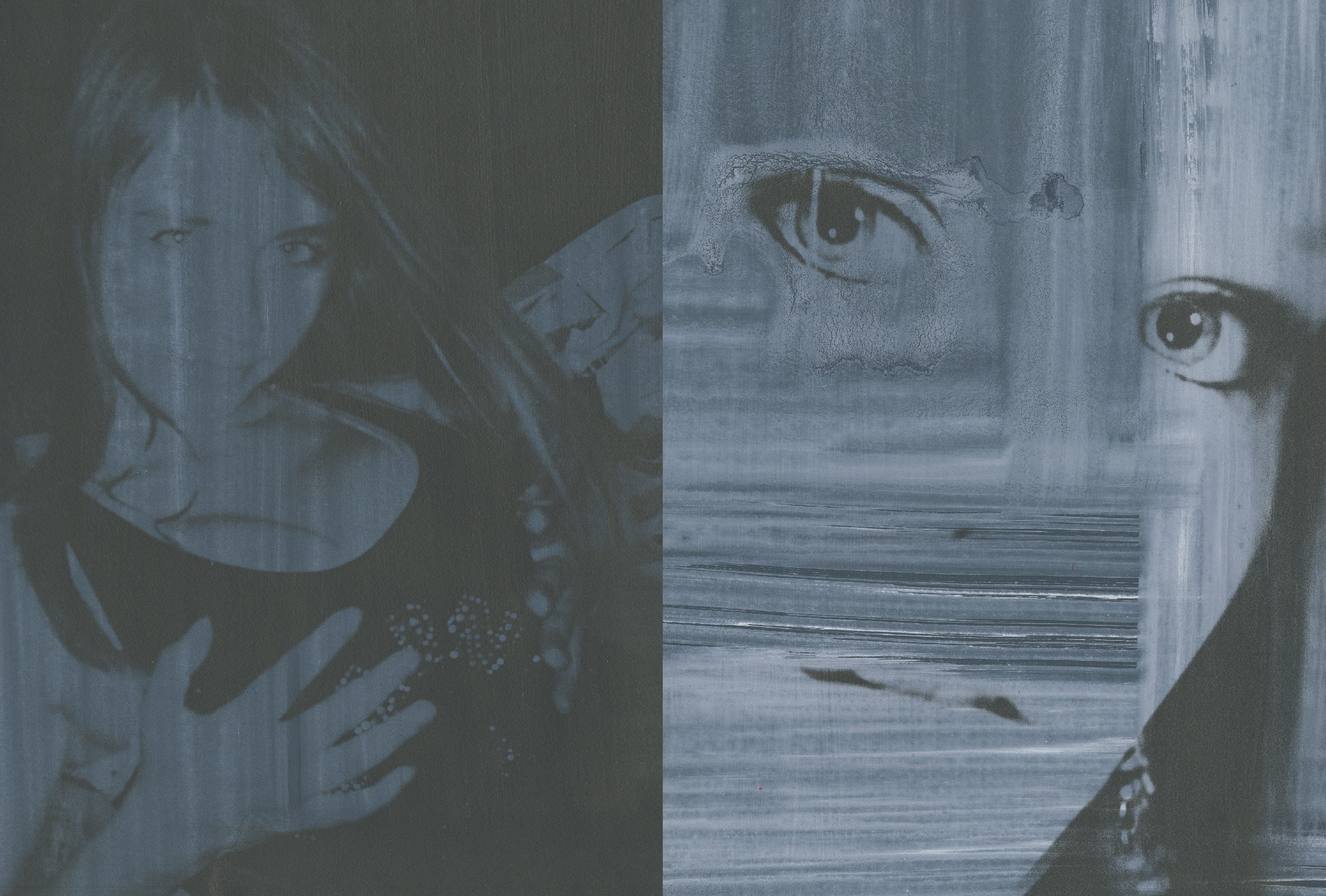
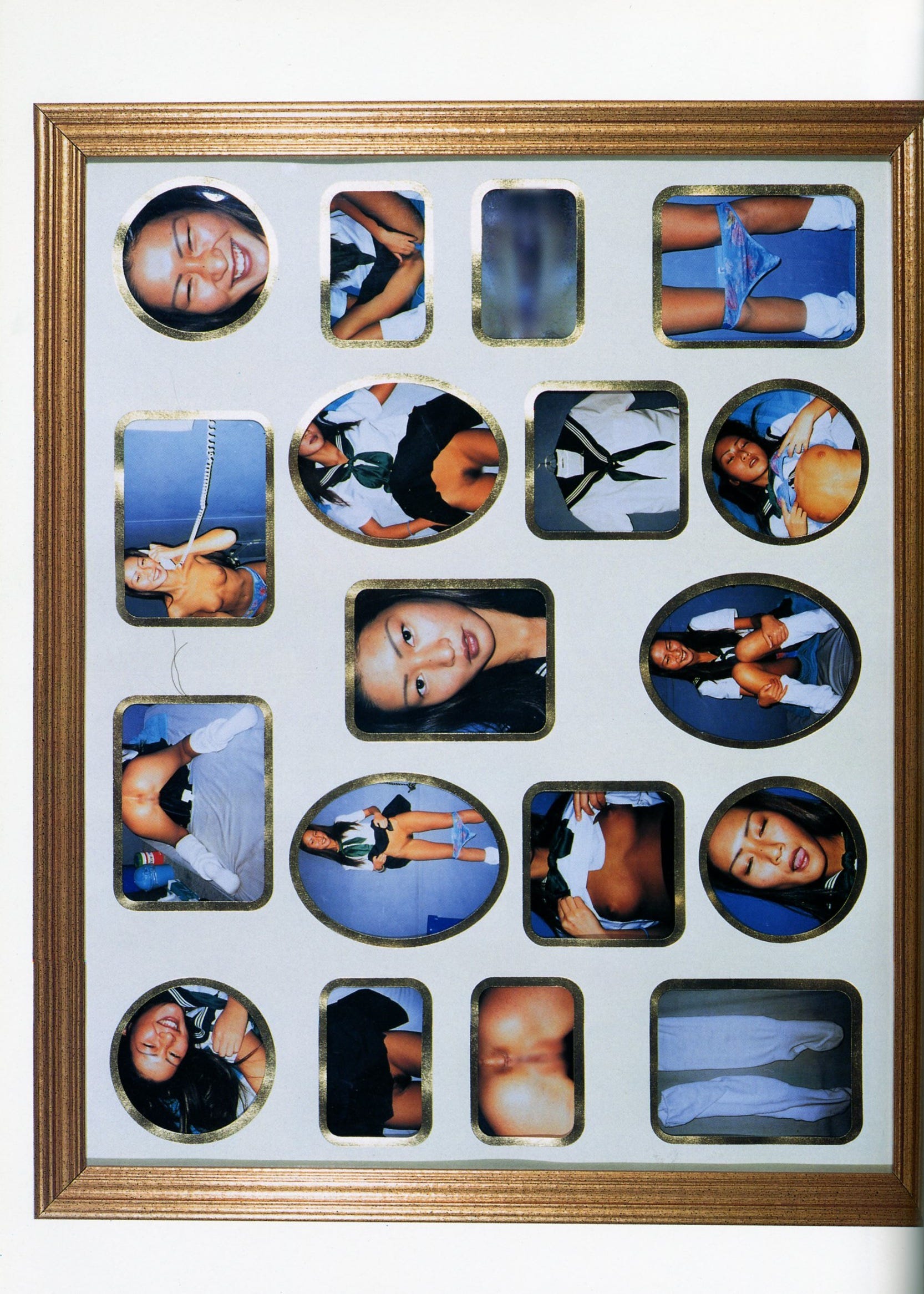
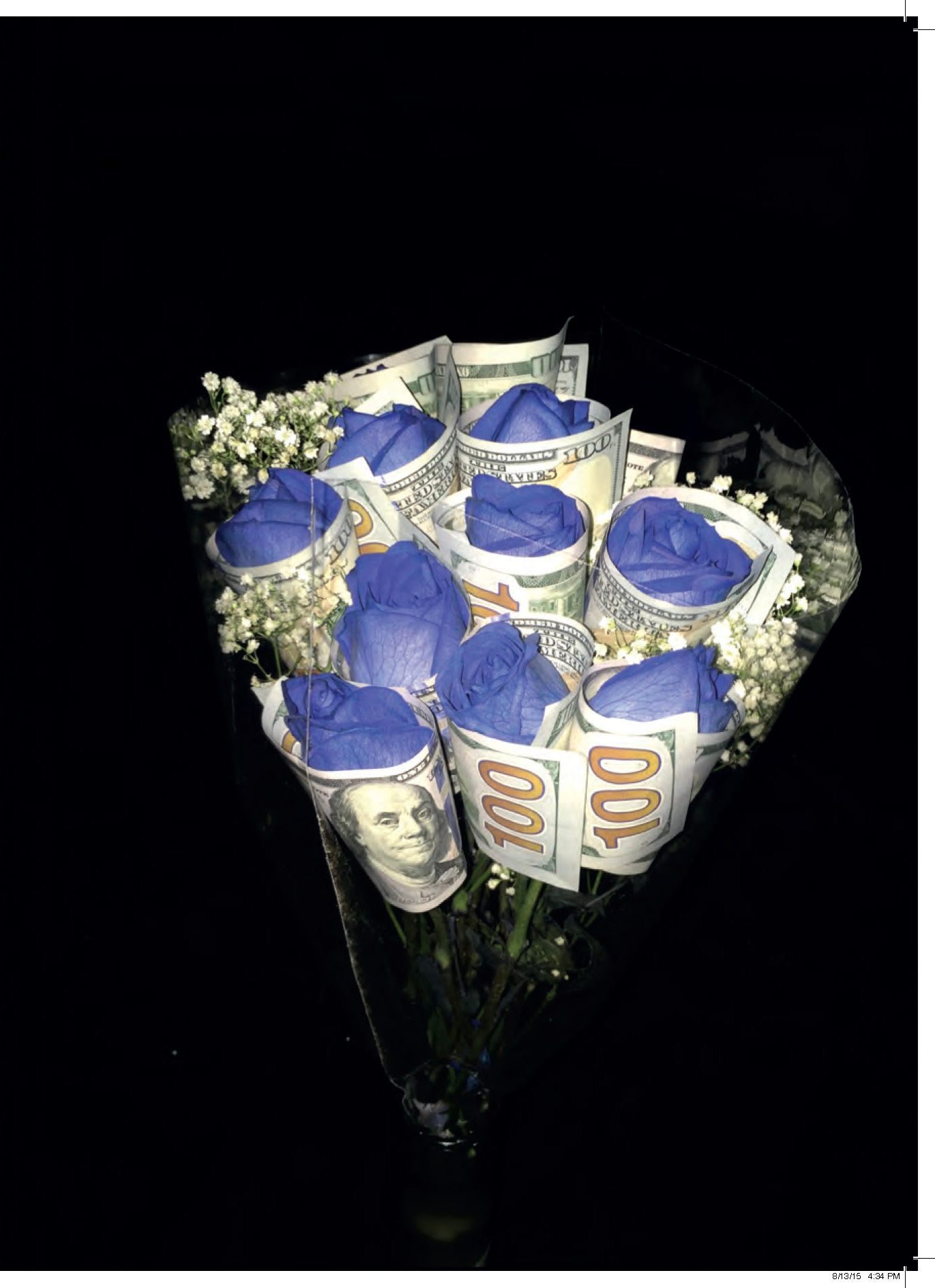
We spoke with Andrew Richardson about his magazine. In addition to his answers, he gave Welcome Magazine unprecedented access to Richardson’s highly protected archive. You can view selected scans below.
WARNING: Many (all) of the following images are graphic. Reader discretion is advised.
All scans courtesy of Richardson Magazine. Curated by Leif (@leiffffffffffffffffffffffff).
How would you describe Richardson to someone unfamiliar with the project?
I would call it a fine radical art publication about sex and sexuality.
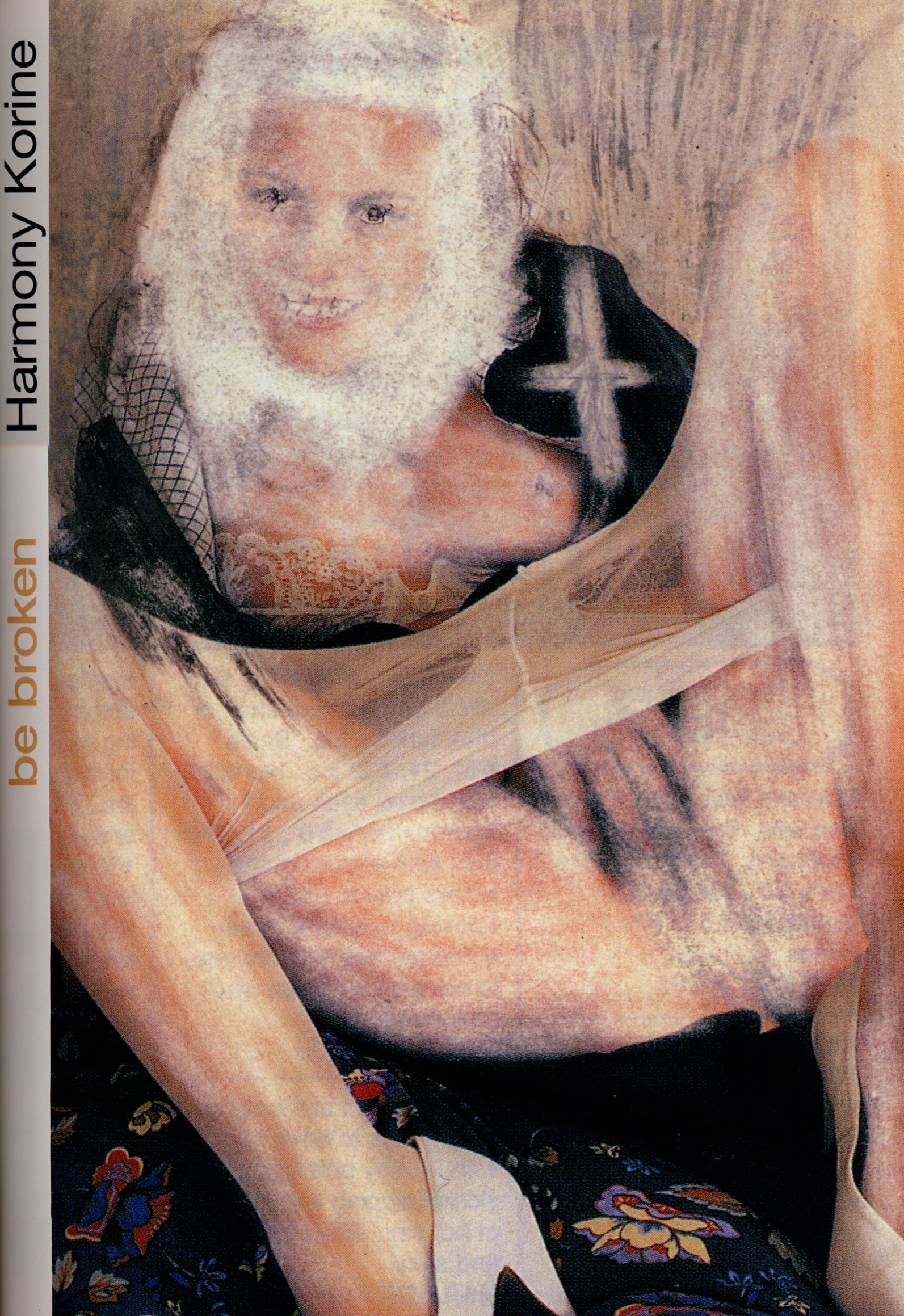
You publish sporadically, with only 12 issues since the magazine’s 1998 debut. You established this cadence before our current age of hyperavailability. What about working at this speed appeals to you?
Because of the sensitive nature of the subject matter, it takes time to find both material and contributors that we like, and are a reflection of the period when we make the magazine.
Back when I started Richardson Magazine in the late 90s, I’d look for interesting stuff in bookshops, museums, the street, conversations; these were the wells from which the content of the magazine was drawn. Fast forward to now, in a landscape dominated by social media and algorithms, the zeitgeist still unfolds, whether it be on the internet, the mall, or on your “for you” feed. You have to look for information and ideas everywhere they exist.
Magazines that are a slave to the rapid turnover of advertising revenue end up pressured to put out content. We’ve been lucky to have longtime partners like Supreme, and more recently Pornhub, that understand the ethos of Richardson Magazine, and allow us the time to do our work.
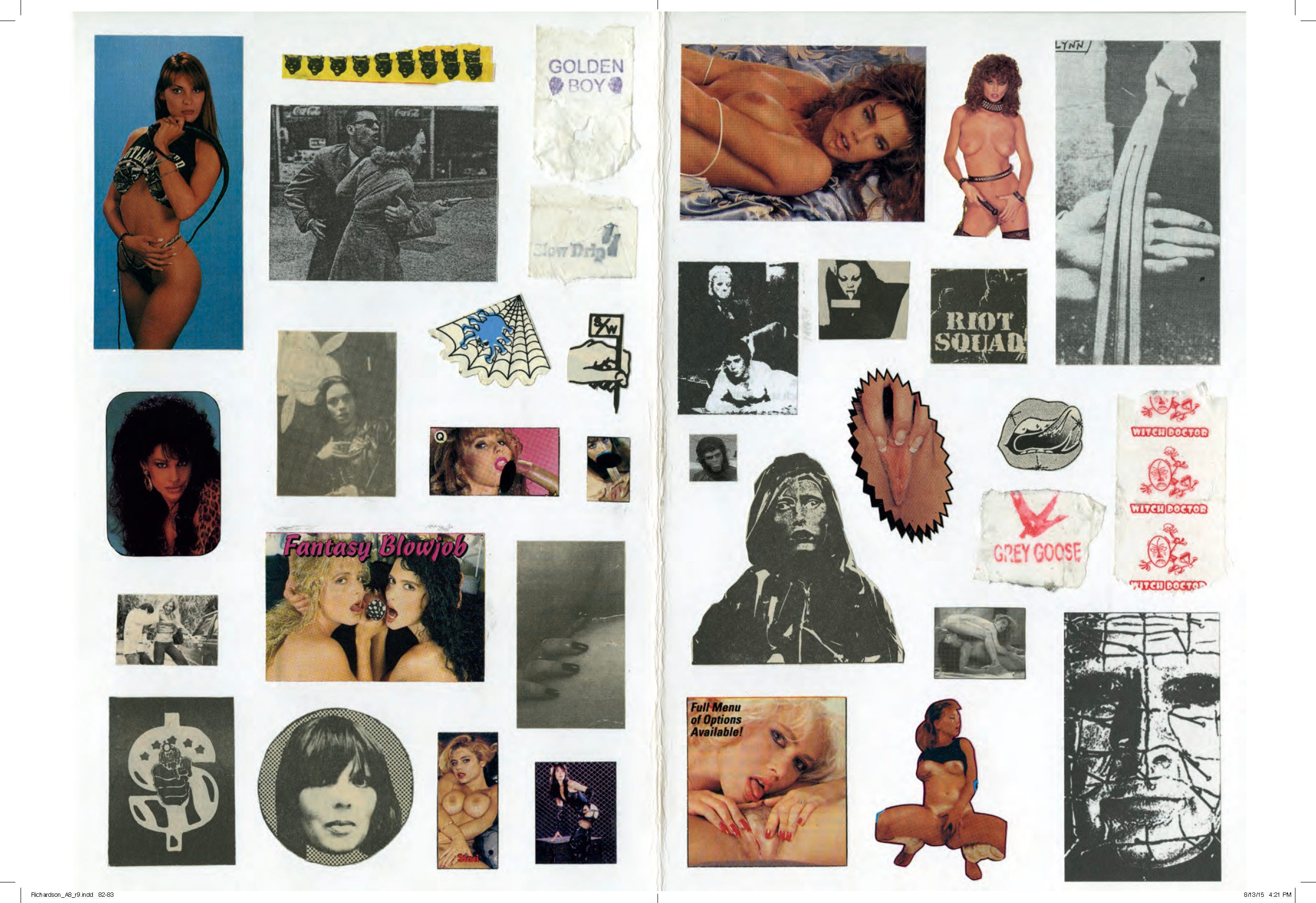
Some may see Richardson as crude provocation. What would you say to someone under this impression? What themes are you exploring with this project?
Everyone has a right to their own opinion. What is interesting to me is often crude or crass, but I like that.
When I was a kid growing up in England, for an idea to be relevant it had to upset your parents. Youth culture at the time was driven by the provocative urge, like with the punk and post-punk movements which explicitly used sex to provoke, but culture also provoked through this unique environmental osmosis available to us at the time. We had figures like Ian Curtis, a working class lad from Manchester who worked at a job center for the disabled, wrote lyrics like Rimbaud, impersonated Frank Sinatra, and died at age 23 after watching Werner Herzog’s Stroszek on BBC Two by hanging himself while listening to Iggy Pop’s The Idiot. Growing up in this kind of socio-political environment, from which characters like Ian Curtis and Genesis P-Orridge were born, made me think—naively—that openness about your personal interests, thoughts, feelings, desires, whatever it is, and the provocation that comes along with exposing the contradictions of your private self, was a sign of progress.
But I think for kids today, the progressive mindset of the 70s is unraveling; when something radical becomes widespread, it’s easily commodified. British pop culture initially had an anti-commercial mindset, there was more interest in authenticity over profit, but eventually businessmen realized they could make money from youth culture. This was the beginning of what we have now with algorithmic targeting, which uses any publicly expressed personal desire to sell you something, often through some kind of emotional trigger.
Richardson Magazine for me comes out of the 1970s punk spirit. Working with Steven Meisel on Madonna’s Sex book in my mid twenties was a pivotal moment, affirming the power of true provocation. The material we worked on was exciting because it used the tropes of pornography through the lens of highly considered aesthetics to make a work of radical self expression, reflecting the true individual perspectives of all those involved in the project. It also introduced me to the sexual underground of the time, which was much more welcoming than I anticipated, full of intelligent, articulate, and kind people. There’s probably something about living your truth that makes you an open person, unlike those living a more typical square life.
This is something I see in our ongoing collaboration with Pornhub. The world of sex work is its own mainstream subculture, one aligned with the Richardson Magazine project.
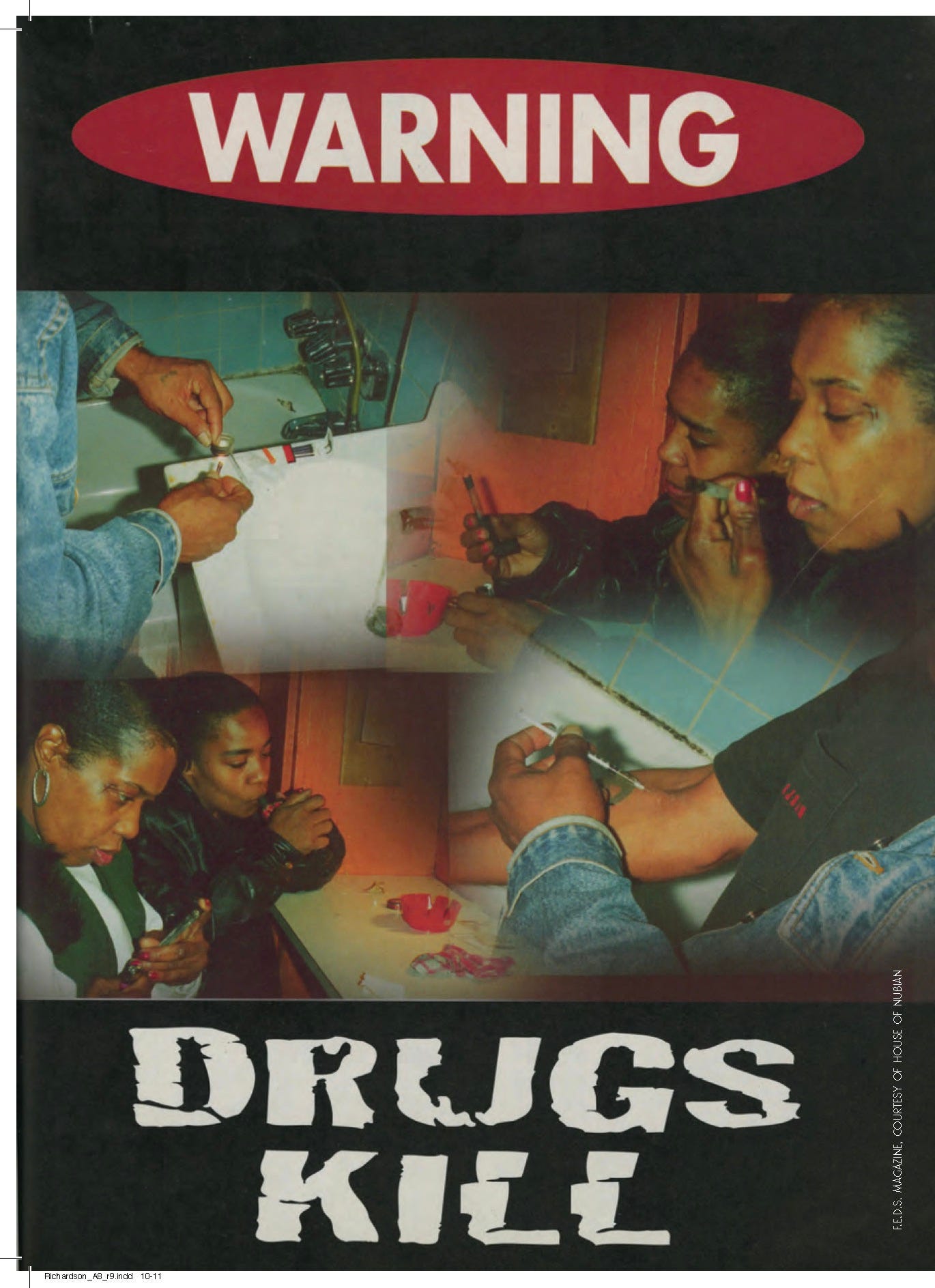
What impact do you think pornography has on a society’s moral fabric?
I have no idea what the true impact of pornography is on a society’s moral fabric, I guess the answers depend on whoever’s paying for the survey in question.
In my opinion, pornography seems connected to the Sexual Revolution of the 60s, and if you look at the dissemination of pornography in the late 50s, porn probably helped both men and women understand what they could expect from sex. I think it’s also given a lot of release—like how the Victorians used female masturbation as a cure for anxiety, porn probably works in the same way at scale for everyone today.
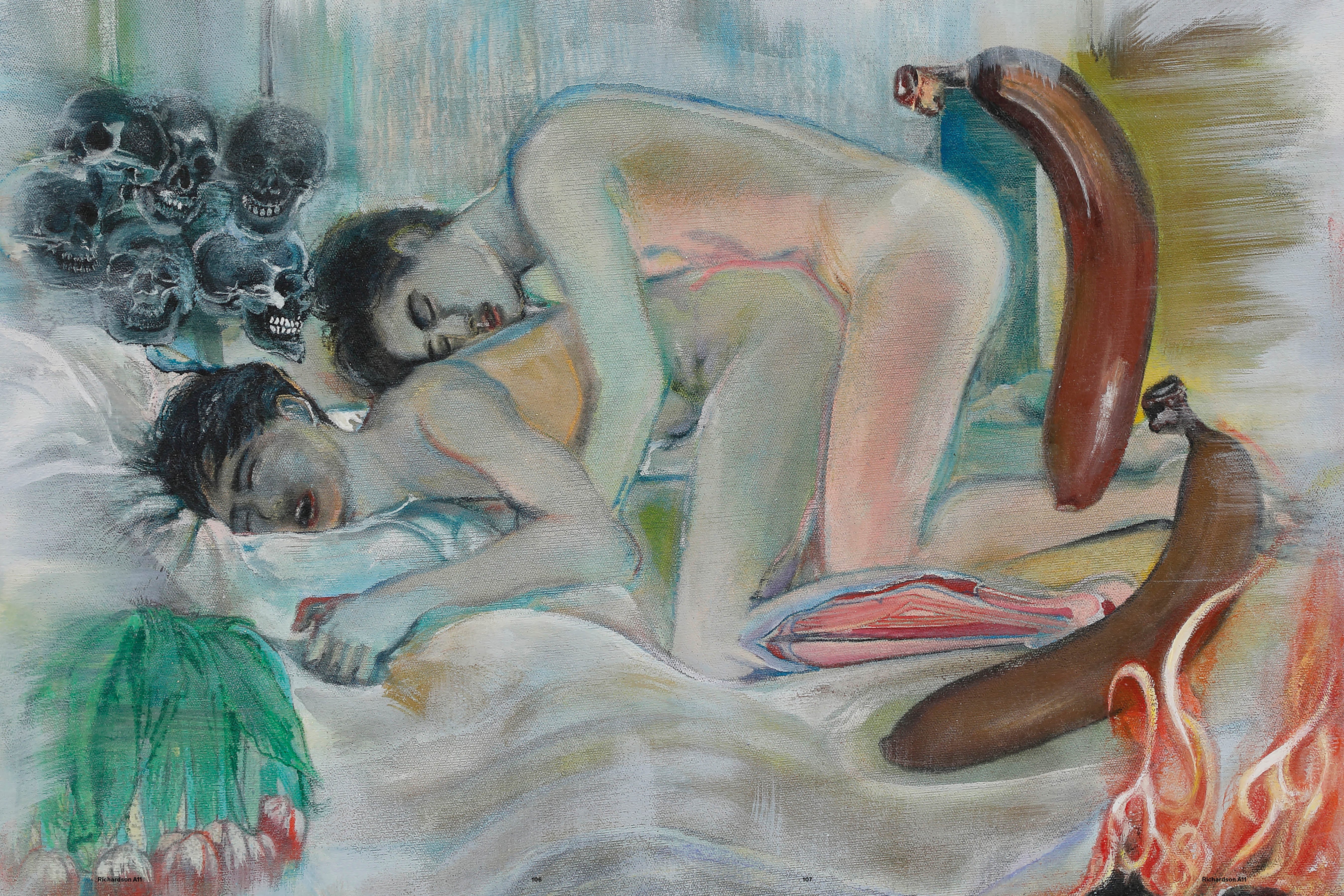
What impact do you think provocation has on a society’s moral fabric?
Rage and frustration are the siblings of provocation. It seems that every provocative movement, like gay rights, women’s rights, and now sex worker’s rights, eventually becomes absorbed by the institutions it initially rebelled against. And that’s progress.
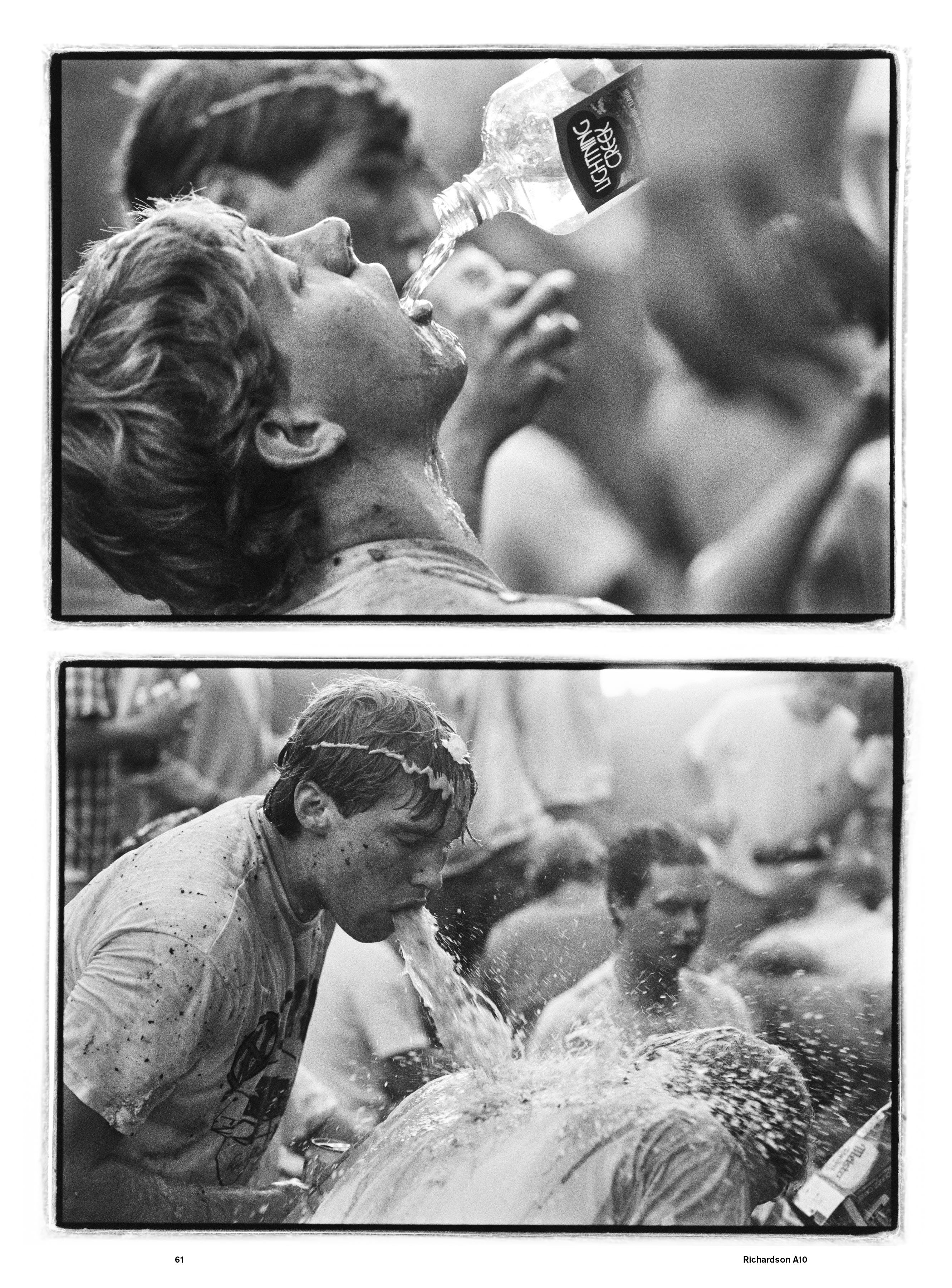
Richardson is very precise about the figures it platforms together, from cover stars to photographers to interviewers. How do you decide what creatives you want to feature, and put in conversation with one another?
Each issue of Richardson Magazine is a reflection of the cultural environment it was created in. This comes back to what I mentioned earlier about growing up in a landscape that not only celebrated figures who joined seemingly clashing references like Frank Sinatra and Rimbaud, but gave us the freedom to make our own idiosyncratic moodboards. It’s important to preserve this sense of independent curiosity when looking for magazine content, especially so in an age where culture is overseen by shadowbanning, hypersensitivity, and censorship, the hall monitors of our time.
When gathering potential contributors, we always start with a wishlist and work our way down. Combinations of people often develop organically, it’s only when you willfully go against the flow of ideas that you run into difficulties. Sometimes the ambitions of the magazine feel like Moby Dick, but you don’t want to get into a situation where coveting something drags you to the bottom of the deep blue sea like Captain Ahab.
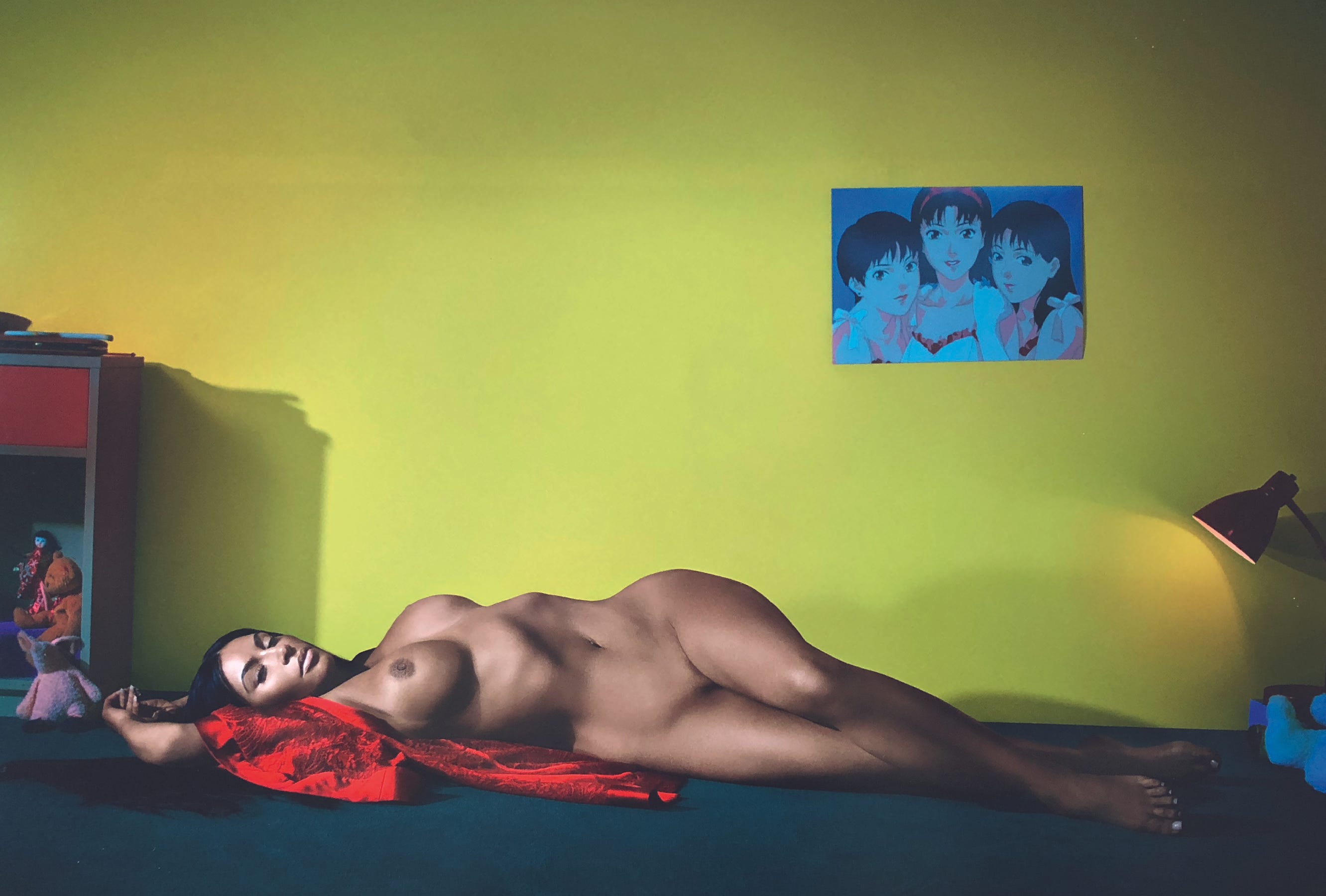
To take a specific example: Tell me about thinking behind having Kim Kardashian interviewed by Bret Easton Ellis, shot by Steven Klein for A9.
I worked with Kanye West briefly in 2017. During that time he expressed interest in the magazine and clothing brand, and arranged for me to meet with his wife Kim Kardashian. The photoshoot was really an extension of that, it was a watershed moment for the magazine to feature a cover star with her generational mainstream fame.
We’d previously published an interview with Bret Easton Ellis in Richardson A7, and I remained in touch with him through the years, especially when I moved to LA. Like Kim, including Bret was an evolution of previous work we’d done together, and somebody of Bret’s massive cultural relevance fit well with the opportunity of interviewing Kim. A9 was also our first magazine with Pornhub as a partner, which gave us the financial independence to shoot with Steven Klein and Kim on a pretty ambitious scale. We were able to rent a soundstage in Brooklyn and build sets that replicated the interiors of the animation classic Perfect Blue.
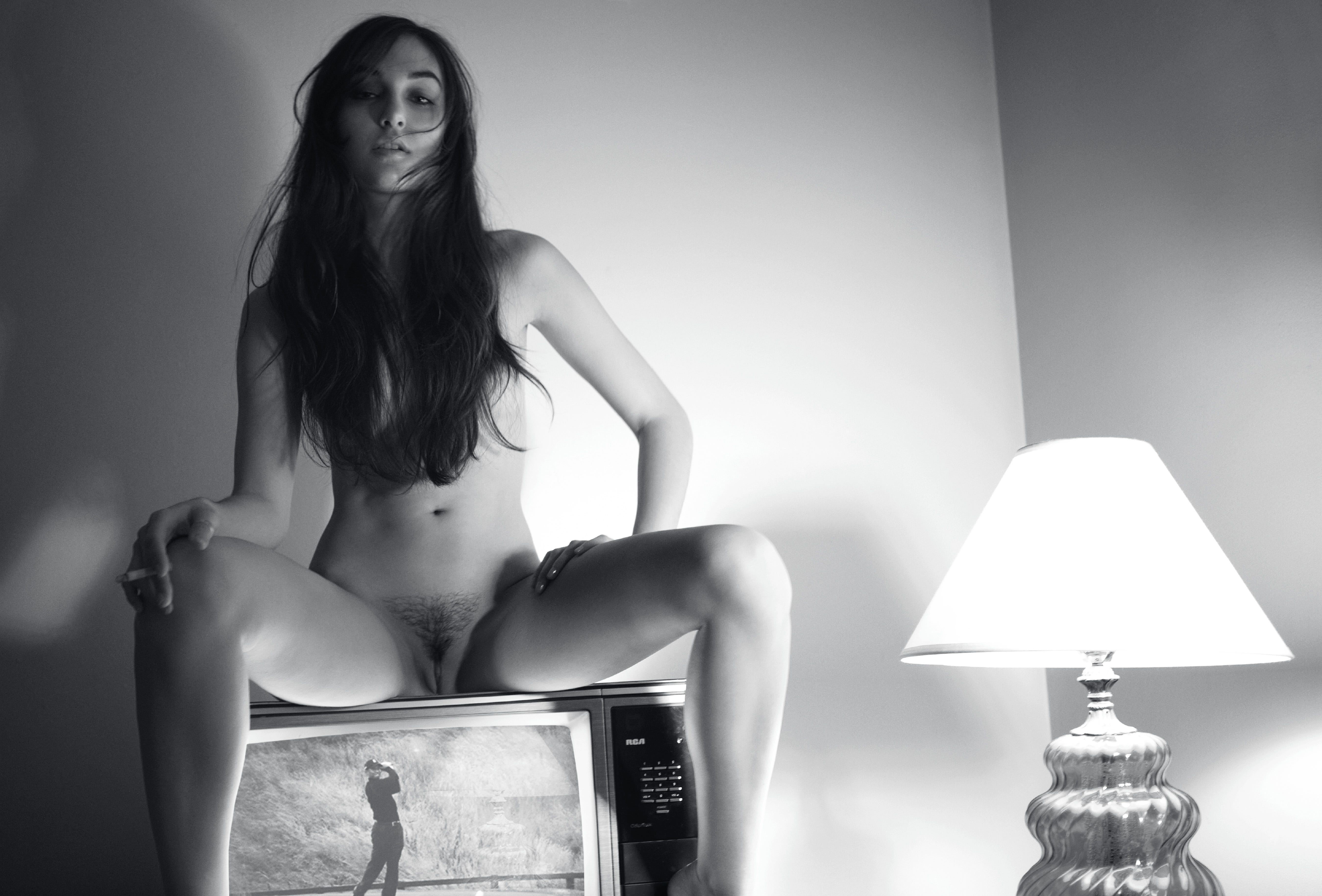
A more recent one: having the Red Scare girls interview Sky Bri, shot by Harley Weir. Tell us the story behind this cover collaboration.
During the pandemic I often found myself listening to Red Scare. It was exciting to hear Anna and Dasha say things that were sometimes a little off-color, or voice unpopular opinions in an unashamed way, especially in a time when social media and culture generally is overrun by schoolmarms. I pursued Anna for two years via DM in hopes of getting her to write for the
magazine, she eventually acquiesced and wrote a piece for A11 about feminism after the Sexual Revolution. I thought Anna and Dasha’s internet-based notoriety was a good entry point for an Only Fans phenomenon like Sky Bri.
Harley Weir is a photographer whose work I’d been following for a while, and I was looking to work with her for the magazine. This issue is about California, and I was interested in how California is, to a certain extent, both about the surface of things and the reinvention of spirituality—Harley’s sensibility easily bridged those two worlds. We had to reschedule the shoot twice, once because of a logistical issue, and then again because of the LA fires, and ended up adding the extra component of a “scorched landscape” to the motif.
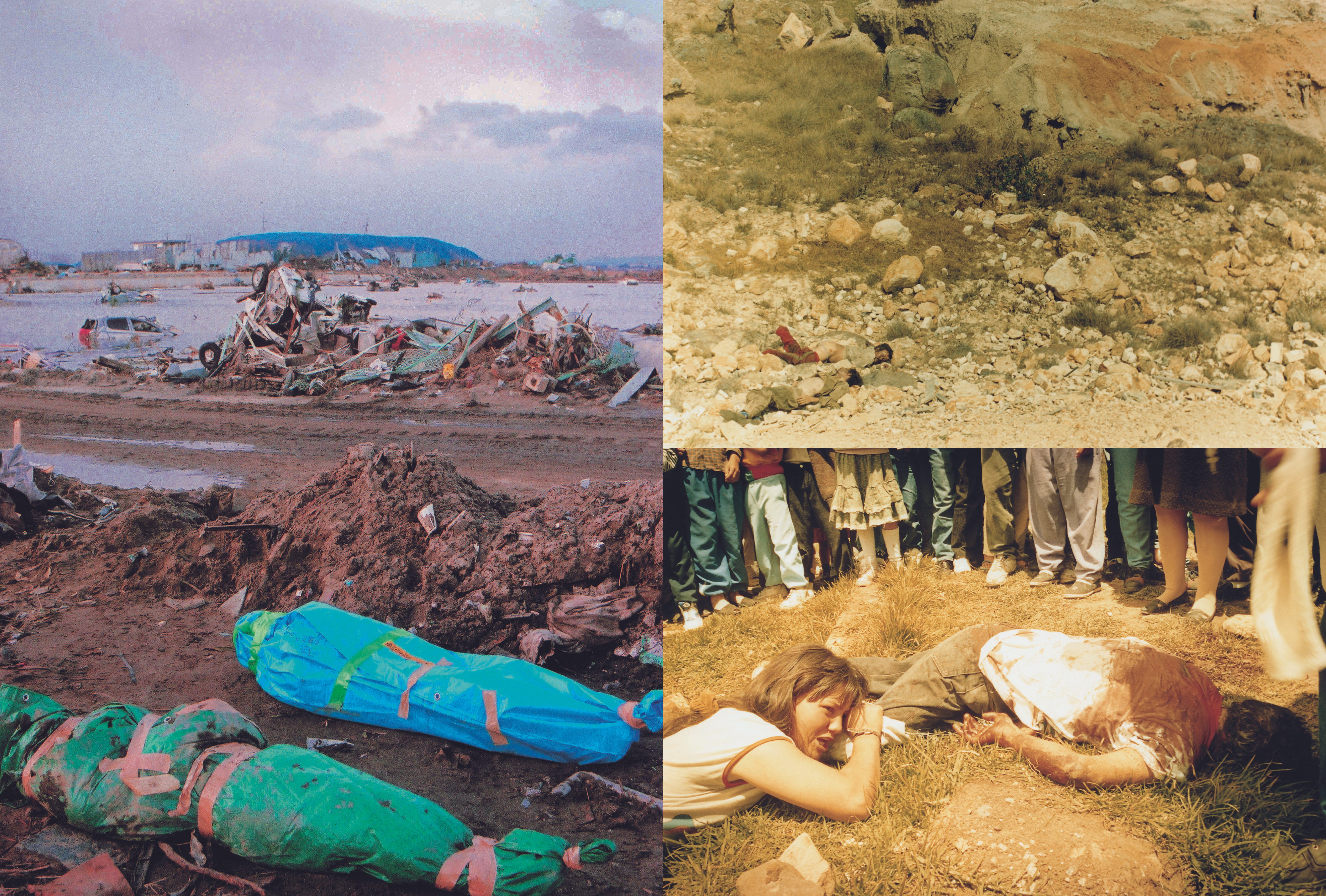
You’re very precious with your archive. What, to you, is the importance of physically archiving your publication?
We’re working on something that was born in a pre-digital era, and the material still seems best suited to an analog format. I enjoy physical books, I think they’re like records or movies; something you engage with for a time, put back, then return to every once in a while with a new perspective. That’s the beauty of a physical object. Often when things are online, they have a 24 hour lifespan before getting lost in a sea of digital information. This is just the way my brain works, someone who’s an internet era native might see it differently. But I do think social media will become redundant, and replaced by something else, especially with the toll it takes on our attention span. You see this shift now with a lot of kids, who suddenly felt the urge to collect vinyl records, and shoot with film and polaroid cameras. When you’re bombarded with 30 second reels, you’ll eventually get fed up and want to watch a 2 hour documentary.
More generally, what is the importance of archives today? From a cultural, preservational, or any other point of view.
The internet is a reality of contemporary life, but the way we use it changes all the time. Magazines used to be sources of information, they were bulletin boards for what was happening, which clubs to go to, what designers were cool, etc. Now the internet does a much better job of this, so a magazine still focused on that kind of thing is redundant.
6 years ago you said that mainstream fashion media was much less creative than it used to be. How do you feel about the creativity of mainstream cultural media today?
I was lucky to start working in the world of magazines and imagemaking back in the late 80s, early 90s, which was a time of chaos and freedom. Publications back then were much more open to a diverse narrative: Richardson Magazine was born out of this. I think what unfortunately happened to fashion media is that the commercial ambitions of publishers led to the infiltration of magazines by advertisers, so suddenly these advertisers had to be incorporated into ideas and stories. And obviously because of that, the content became subject to the boundaries of commercial advertising, so now images, narratives, and ideas are scrutinized by the compliance department of whoever that advertiser is. As publishers make more money from advertising, the content becomes progressively diluted. Most things published now are shopping guides for large multinationals geared towards mass markets instead of authentic reflections of culture. What drew me to fashion magazines and imagemaking in the first place has for the most part gone somewhere else.
What’s next for Richardson?
Currently, we’re working on the next issue of Richardson, which will focus on Europe, and is sponsored by the London-based arts organization A/POLITICAL. We’re also in the process of expanding Richardson Hardware into a standalone brand.


To a point that no publications will even mention the mag!
So so so lit. Need 2 read tht kim K interview badddd