


The art fair is one of the great engines and enigmas of the contemporary art world. What appears to be a glamorous caged spectacle where the wealthy gather to walk around in suits and ties gazing at thousands of artworks is equally a site of overworked galleries, dreaming artists, and iPads pre-loaded with artworks for sale in hopes of scraping back the cost of an art fair booth.
It’s an unpredictable environment. You can predict the archetype of clients, buyers, advisors, and press, but the excitement of the fair is that you never know what will result from their interaction until it’s all over. The payoff is rewarding for some, and a great financial loss for others. Here’s how they work:
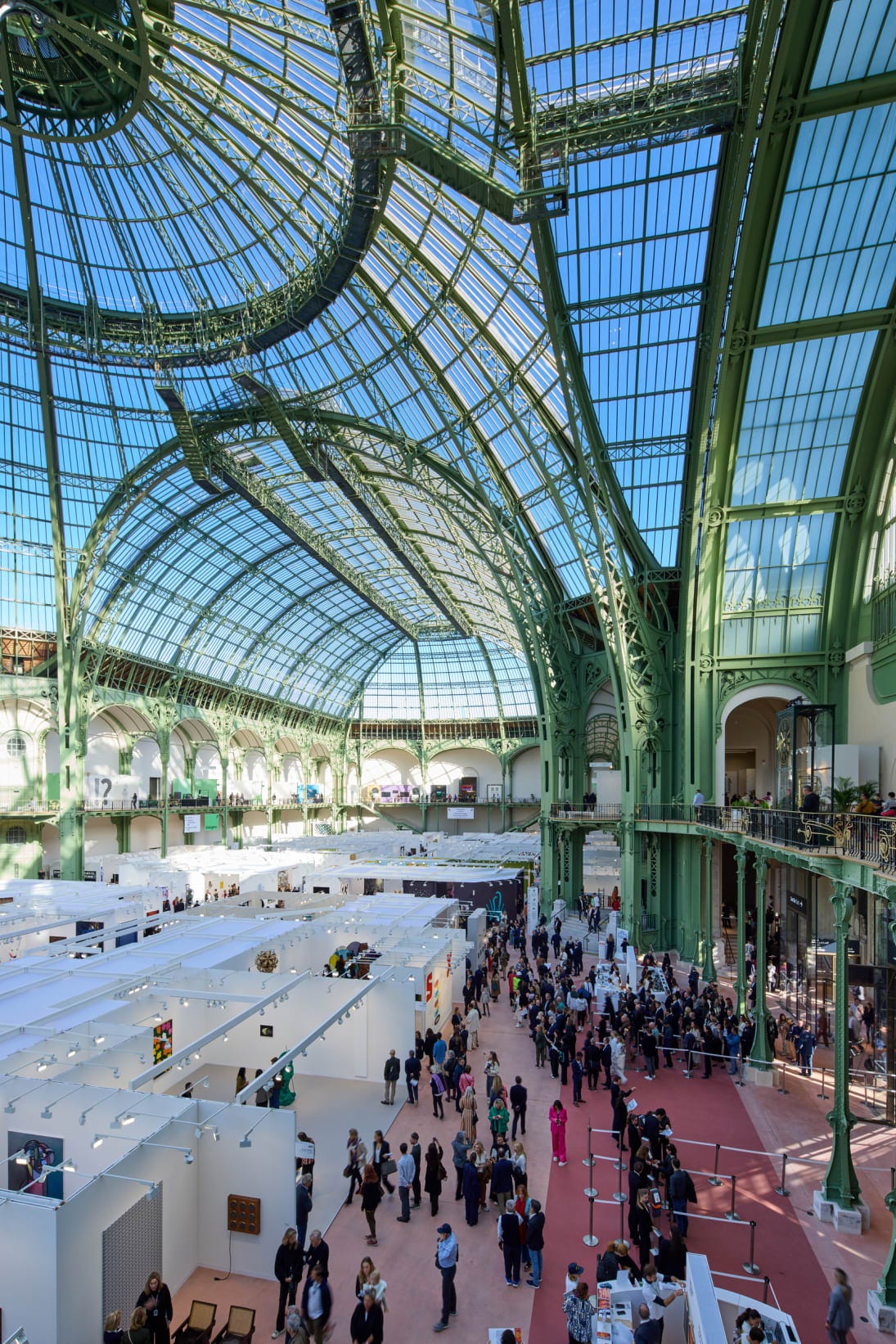
Art fairs often take place in large expo centers in metropolitan cities with established art scenes. Each fair takes on the personality of its host city through its architectural design, which galleries are accepted, which artists are shown, and the various exhibitions, pop-ups, and parties that surround the event.
At a fair, something is on the line for all parties involved. For the artists and the galleries, it is an opportunity to introduce new programming and artwork to audiences outside of their known networks. For the fair organizers, it’s about meeting revenue goals and making sure the fair is perceived as a “success” by the participating galleries.
Art fairs make their money from the booth fees they charge galleries. The flat rate starts in the thousands. The more prestige the fair, the higher the cost. And Art Basel, which is regarded as the most prestigious fair in the world, is also one of the most expensive.
Galleries fill out an application months in advance, which costs a few hundred dollars. A board reviews each application, and if accepted, a gallery has to pay around 10-15k for their booth. Once you get in, every little thing in the booth has its own price tag. Even the outlets. On top of that, galleries have to pay for accommodations, shipping of artworks, art handlers, furniture, Wi-Fi—the list goes on. The hope is that it’s ‘worth it’. This can be measured in terms of sales, or intangibles like relationships and conversations.
Art fairs are often marketed as a moment where galleries can present something “challenging” and “bold”, but the reality of today’s art market, especially in light of a recent wave of gallery closures, is that galleries generally choose safety in works that doesn’t challenge the status quo, and follow the trends that produce sales.
For a gallery, the bare minimum return is to recoup the cost of being at the fair. Whatever happens after—a nice mention in the press, a new collector that fell in love with the artist, or a new gallery to collaborate with—all becomes the cherry on top.
But open hours are only half of the equation. What happens after the art fair closes is equally important.
Galleries are never off the clock. Every party is an opportunity to sell. But nobody knows what that opportunity will look like, or where it will emerge. It’s addictive. The cycle repeats itself every day: first spend hours at a fair, then spend hours more jumping from bar, to pop-up, to a museum show, to a DIY group show staged on the beach, to a party. This is the heartbeat of an art fair.
It’s worth mentioning that as the elitism of these larger art fairs continues to shape the art market, we’re also seeing a new kind of “anti-art fairs” emerge. These might take place in hotels or smaller institutions, hosted in cities with a smaller art scene tailored to a more local audience. Anti-art fairs reframe the way the greater commercial art world has traditionally defined an art fair.
-
But this week is Art Basel Miami. It is the only Basel fair that takes place in America. Miami is unique in that the American kitsch of the city bleeds into the energy of the fair, with the borderline cheugy artworks and events that embody the Miami experience. Hundreds of fashion and jewelry brands race to the city to host immersive “art-experiences”, “where art and fashion meet.” The real purpose of these events is to capitalize on loose wallets of the thousands of people that fly to Florida to get drunk in the name of art.
When you are surrounded by thousands of artworks, on palm tree-lined streets under the sun, drinking Cuban coffee between endless parties, you can’t help but feel a part of the pulse. Art and money bleed into one. It can feel like dirty work, because it sort of is. The anatomy of an art fair is inherently corrupted by its lifeline: money. Without it, they can’t live. This is the art of how money talks.
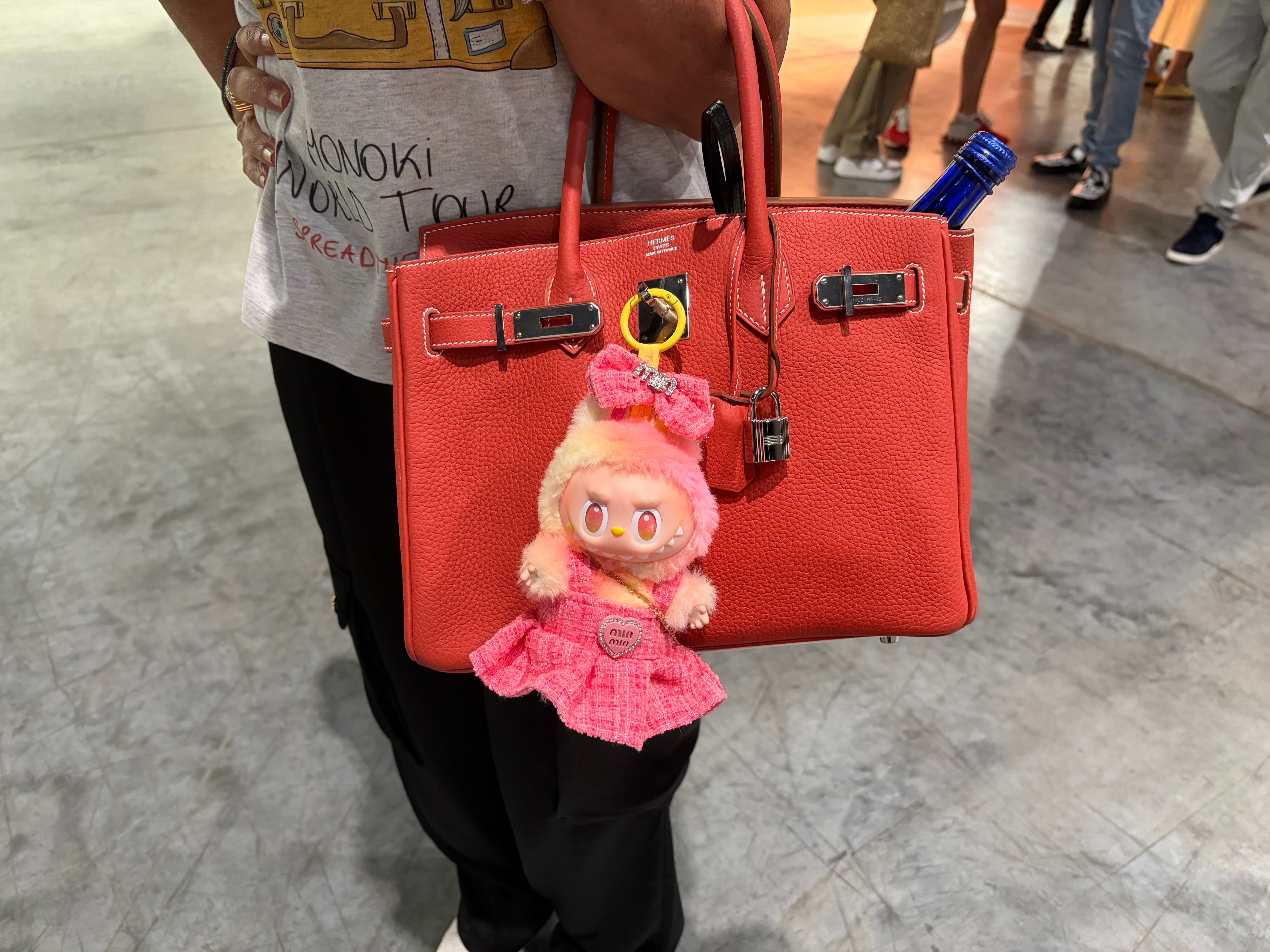
I’m here. Day one, yesterday, was VIP day. I saw 18 Birkins, enough to save 30 galleries. Both my feet are bleeding, staining my Ferragamo wedges. But it’s all in the name of the game.
So it is as someone with firsthand knowledge that I say: here is what is worth bleeding for at this year’s Art Basel Miami.
Exhibitions at ICA Miami
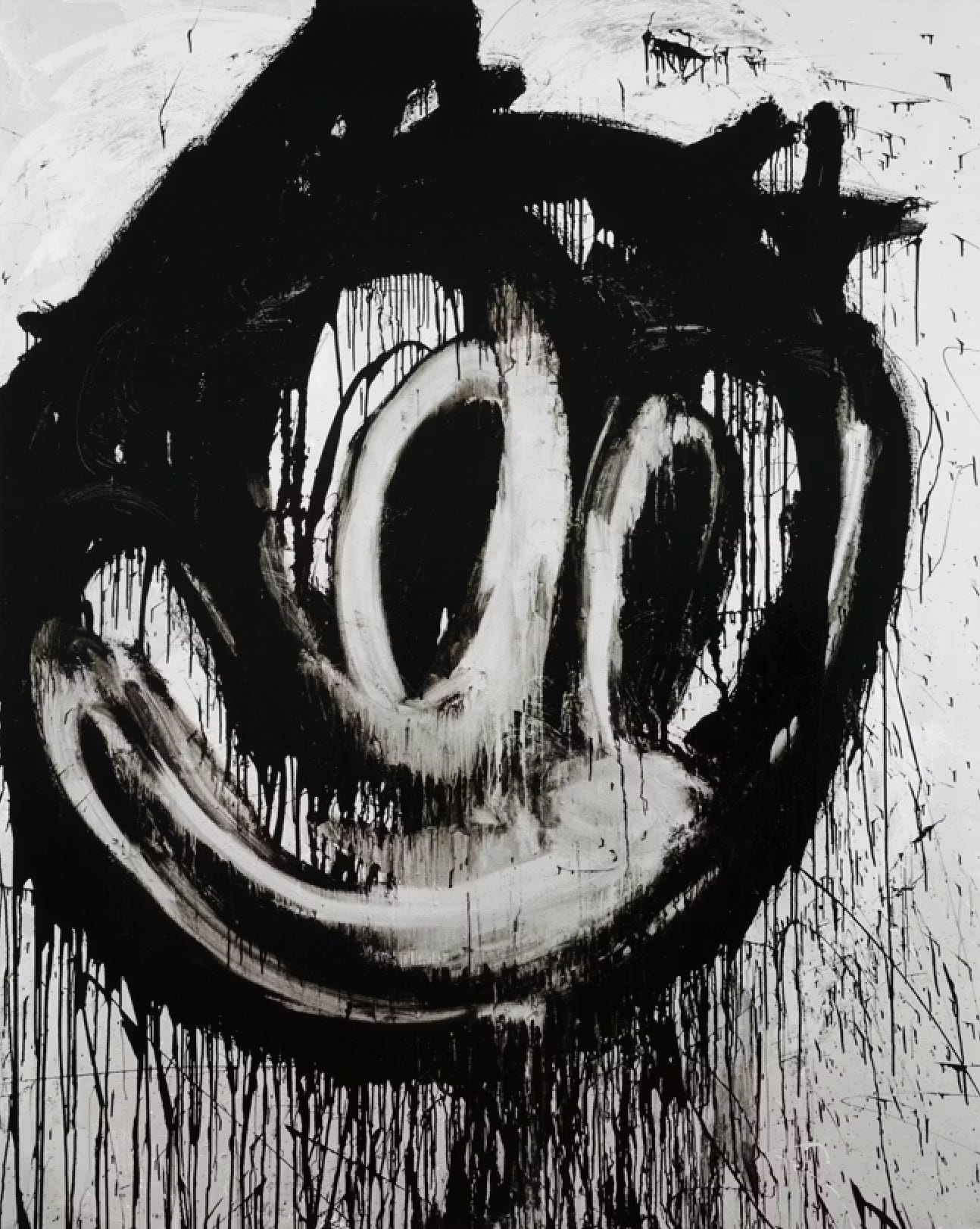
ICA Miami is debuting several shows this weekend, including a major Joyce Pensato survey.
Sukeban wrestling
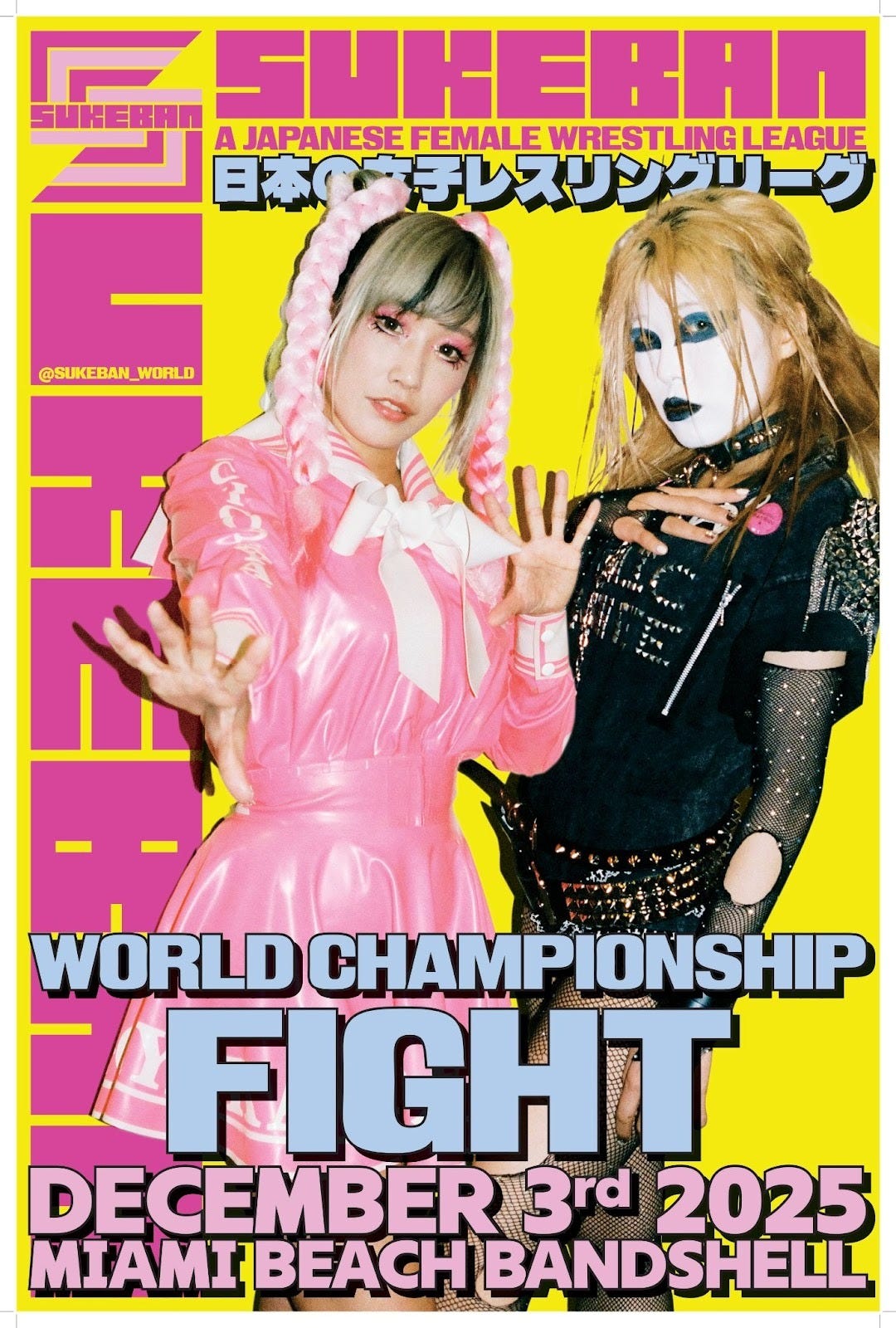
Sukeban is a Japanese pro wrestling league, and they’re sending their best to Miami this weekend. Sukeban ‘blends pro wrestling with fashion, art, music, and anime to create a one-of-a-kind experience.’ Believe it.
NADA Miami Art Fair
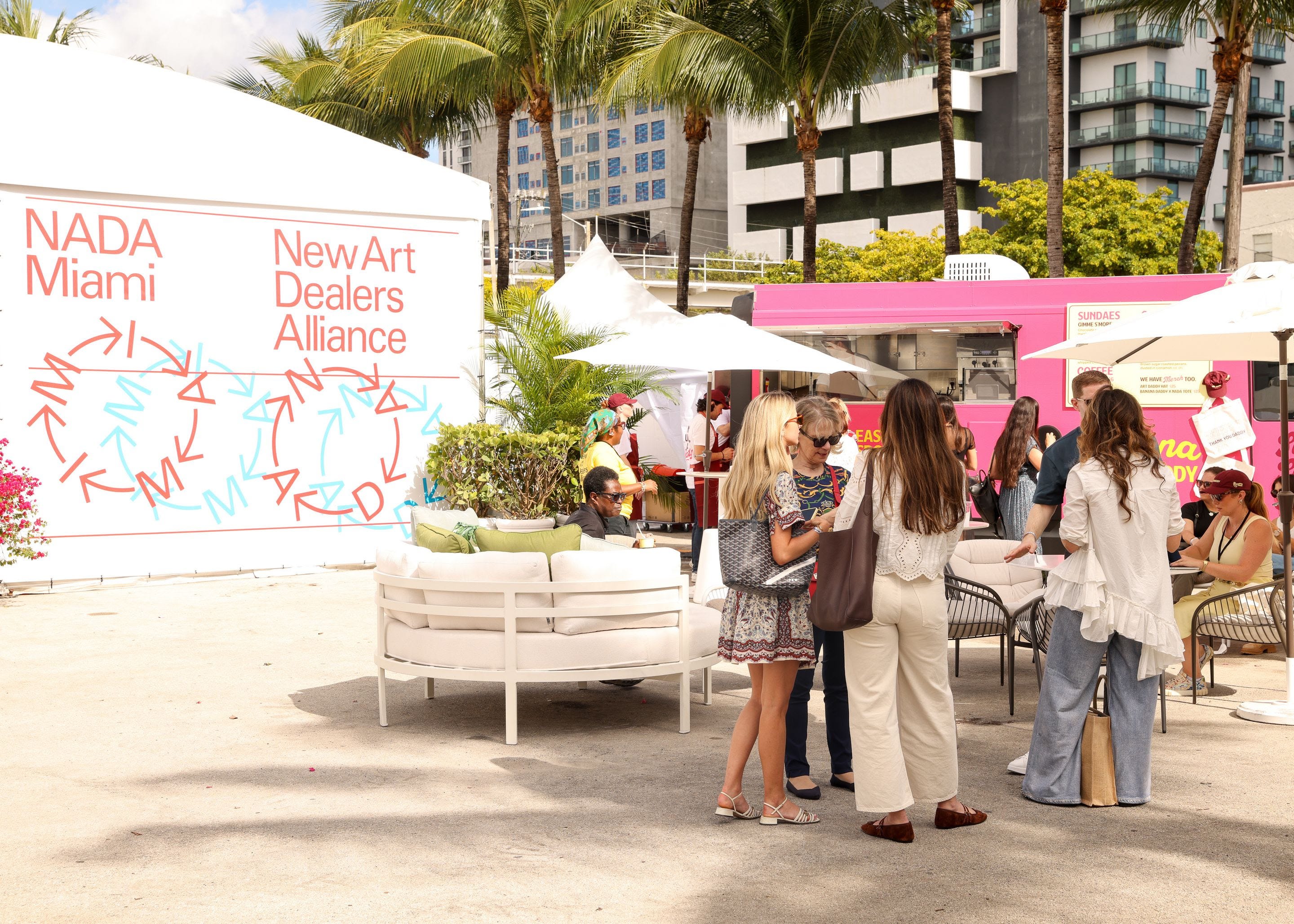
A showcase ‘dedicated to the cultivation, support, and advancement of new voices in contemporary art.’ You can see the works showing at the link.
The Body is The Body
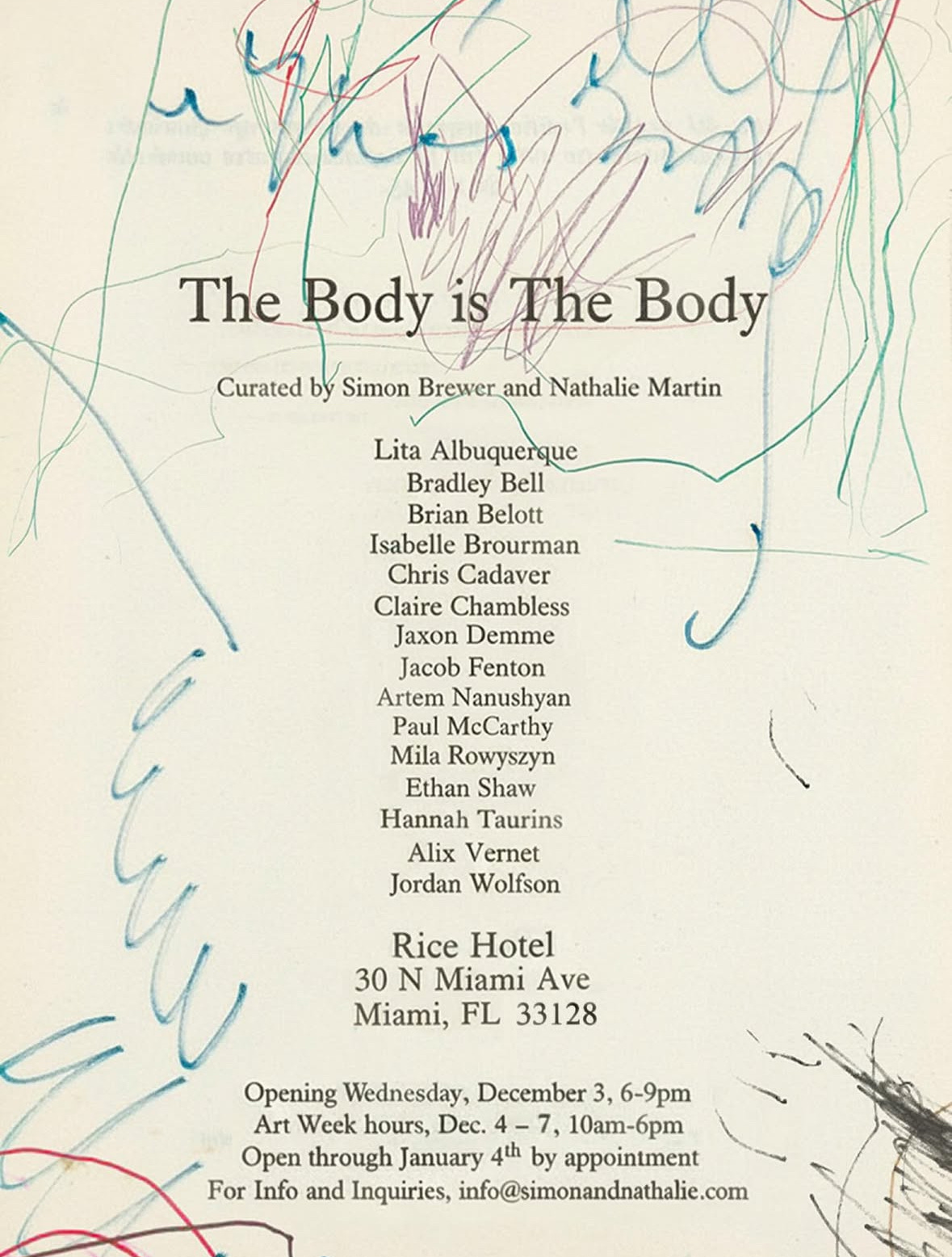
The Body is The Body, curated by Simon Brewer and Nathalie Martin, brings together an intergenerational, international group of artists working across painting, sculpture, and video within the historic Rice Hotel in Downtown Miami.
Meridians
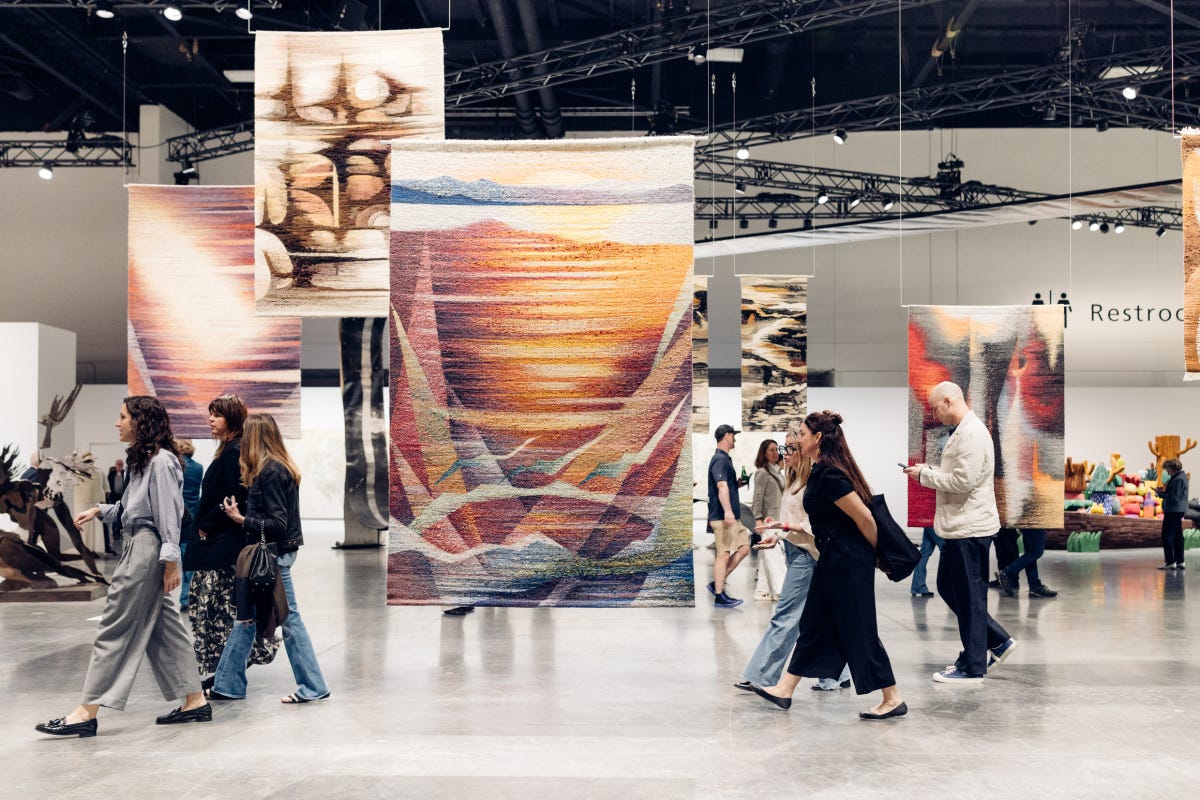
A new sector within the fair, Meridians is specifically designated for large scale works.
-
Written by Rose Water