


Written by Mikail Haroon (@mvkail) / Curated by the Welcome team
The internet is an infinite archive of design, art, and culture, but we all see the same narrow slice of it. We’re on the same few platforms, subject to slight variations of the same algorithm, seeing the same references, again and again. Differentiating personal taste is hard when you share an aesthetic diet with everyone else.
The coffee table book today, therefore, is not an antique interest item, or a performative decoration, but one of the few remaining ways to discover inspiring creativity outside of algorithmic channels, develop unique taste, and dive beneath the surface of cultural topics.
So we’ve curated 30 of our favorites. Their rarity and popularity ranges, from foundational staples to deep cuts. They feature names you know (Nan Goldin, Dash Snow, Yung Lean, Gunner Stahl) and many you don’t. From mythologized magazines, to out of print monographs, to personal anthologies, every book on this list has something to offer. We hope you find it.
Some of the imagery the follows is explicit. Reader discretion advised.
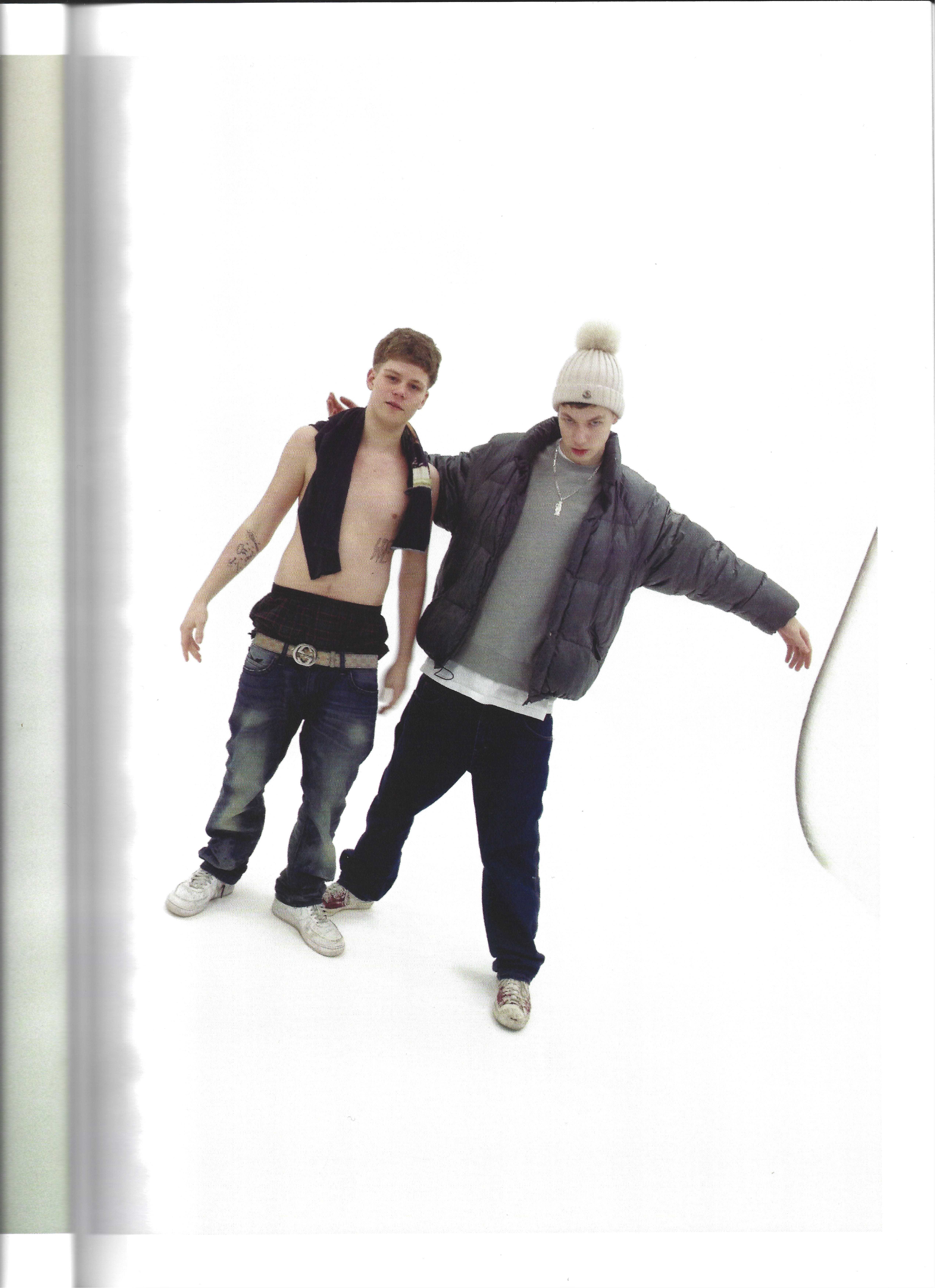
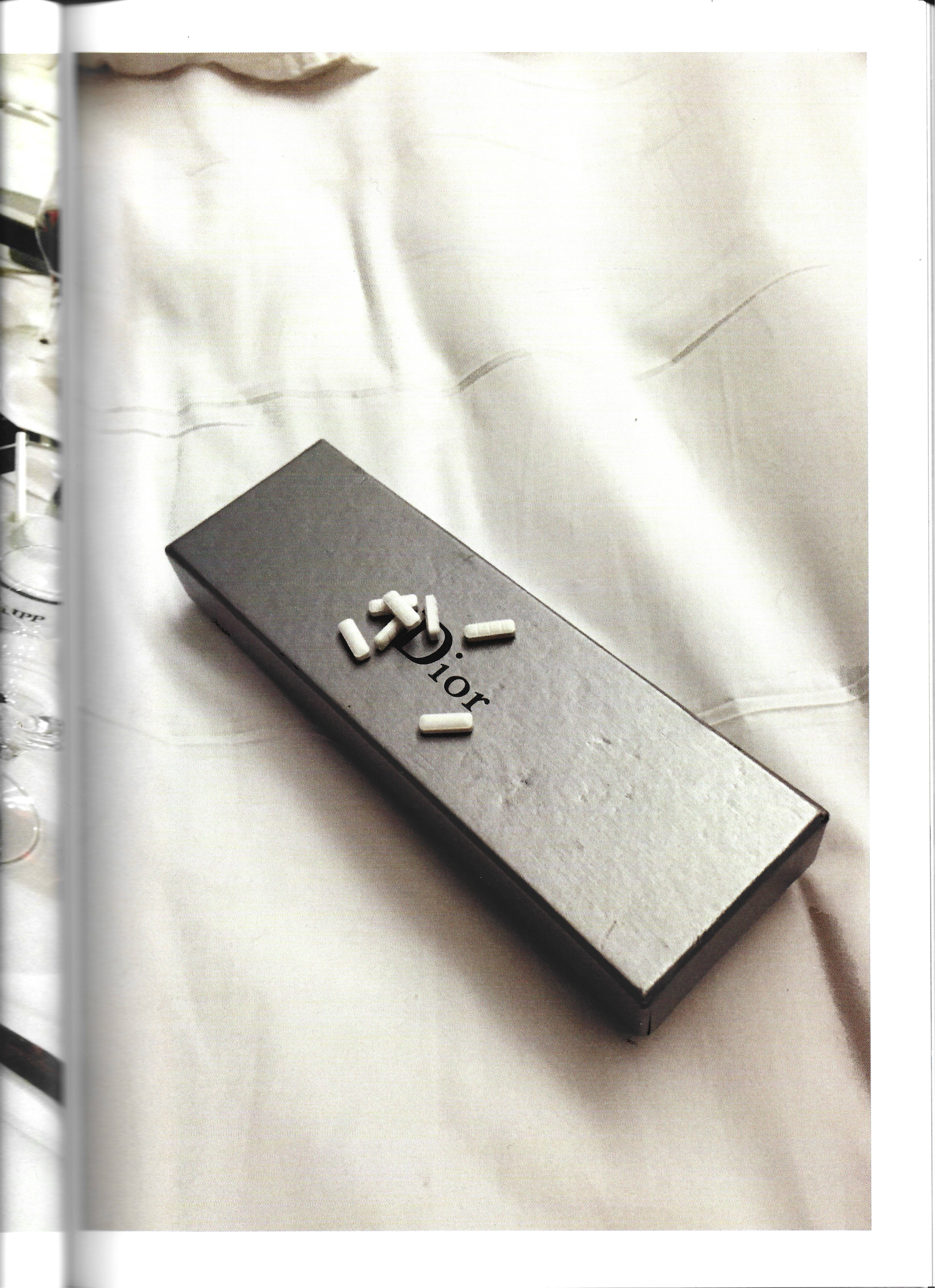
WAR Magazine by Yung Lean
Released in three editions and featuring photographs from 2013, Yung Lean’s WAR magazine documents the period when Lean, Bladee, and the Sad Boys were in Miami recording Lean’s sophomore album Warlord. Fresh off their first U.S. tour, it was both an iconic and dark era for the group, reflective of sudden success and new money. The photos depict a hotel-room lifestyle rife with double cups of lean, police encounters, and a pharmacy’s worth of drugs. This period was also marked by the tragic passing of their close friend Barron Machat, who the magazine is made out in honor of. One image of Lean smoking while covered in mud would later become the back cover for the Warlord vinyl. To understand this era more deeply, watch the excellent Noisey documentary In My Head.
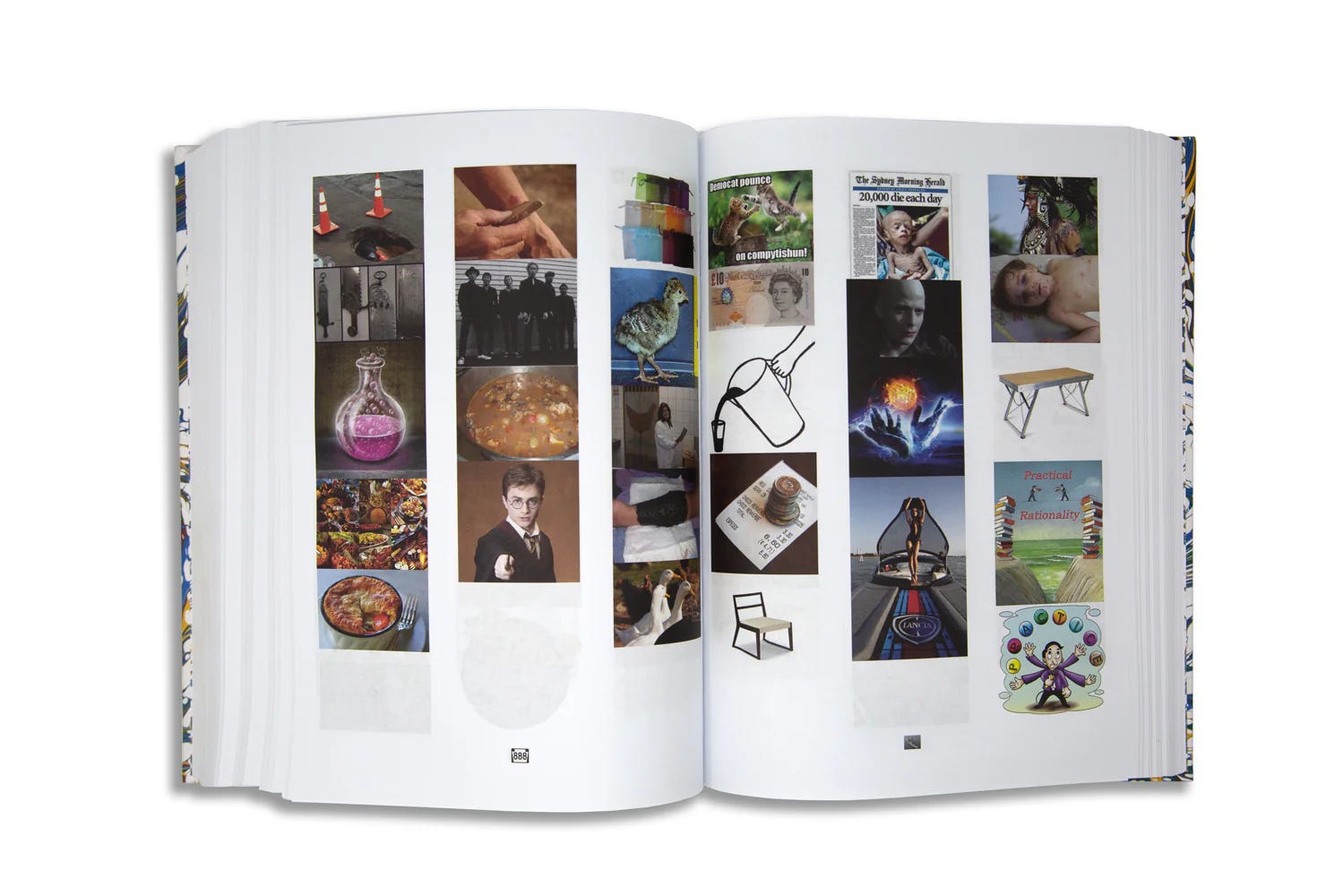
Google Volume 1 by Felix Heyes and Ben West
Google Volume 1, published in 2013, is a visual time capsule that freezes a very specific yet fundamental component of the internet: every Google image search result for all 21,110 words found in the Oxford English Pocket Dictionary. The result is an eclectic visual diary of the internet’s more primitive era, before corporate interests came to dominate the web. There is no accompanying text for the images, leaving readers to parse through the pages and make their own educated guesses about which word each image corresponds to. Google Volume 2, published exactly ten years later, uses the same 21,110 words to tell the story of 2023’s visual culture. Examined side by side, the two books reveal the ways the internet has evolved over time in ways words alone cannot fully capture.

Flesh Love by Photographer Hal
Initially beginning as a set of 72 photographs known as Flesh Love, photographer Hal has since taken hundreds of photographs of couples collapsing into each other inside vacuum-sealed bags, forming what appears to be one singular being. Hal’s work has always been fixated on motifs of love, intimacy, and the challenges relationships take on, with his portraits gradually bringing couples physically closer together until they were vacuum-sealed to the point of being unable to breathe for several seconds. The project later expanded through Flesh Love Returns and Flesh Love All, broadening its subjects beyond couples to include families and larger communities.

Conspiratorial Design: Information design for the bigger picture by Carlo Bramanti
Dutch designer Carlo Bramanti proposes that design and conspiracy theories, typically understood as unrelated or even opposing systems, in fact operate through similar intentions and parallel modes of representation. He argues that the primary function of design is to produce awareness, a process that can also be understood as awakening, which he identifies as the underlying aim of conspiracy theories as well. Bramanti’s book unfolds almost like a thesis paper, a rigorous and deeply researched exploration of this radical proposition, written with remarkable clarity and patience. Alongside the text are roughly a hundred diagrams, charts, visualizations, and other graphic studies that extend the argument visually, turning the publication itself into both an analytical framework and a designed object.

Dieter Rams: As Little Design as Possible by Sophie Lovell
German designer Dieter Rams is one of the most influential product designers of the twentieth century, and his work is foundational for anyone interested in understanding contemporary industrial design. With a foreword by Apple’s former Chief Design Officer Jony Ive, As Little Design as Possible takes readers through hundreds of Rams’ designs for Braun and Vitsœ, as well as his architectural work and a broader view of his life, all through the lens of what sustainable design means via his “Ten Principles.” Some of his most celebrated designs include Vitsoe 606 Universal Shelving System, Braun ET66 Calculator, and the Braun Pocket Radio.

Digipop by Karim Rashid
Karim Rashid is one of the central creative minds behind the 00s transition away from rigid modernism towards the curvaceous and colorful ‘blobism’ that would define digital design in that era. Digipop catalogues much of this pioneering design work. Divided into the thematic sections Symbolik, Icons, Graphiks, Optikal, and Infostethiks, the book is a notable time capsule that offers a window into the past, and unveils a keystone aesthetic still in heavy reference circulation today.

The Illustrated Kubark Counterintelligence Interrogation by Johnny Hollywood
Kubark’s Counterintelligence Interrogation is a once-classified 1963 CIA manual exploring the psychological interrogation tactics controversially deployed by intelligence agencies during the Cold War. The manual resurfaced in 1996 following Congressional investigations and Freedom of Information Act (FOIA) requests. Johnny Hollywood’s version of the book is a 230-page reissue featuring 34 of his red anime/hentai-inspired illustrations, creating a stark contrast with the manual’s heavy subject matter. It’s an extremely obscure book that is difficult to find much information about online other than Johnny Hollywood’s Instagram. We came across it in a dark used bookstore in Brooklyn.

The Best of Nest: Celebrating the Extraordinary Interiors from Nest Magazine by Todd Oldham and Joe Holtzmand
Todd Oldham’s greatest-hits compilation of the cult interior design magazine Nest chronologically curates 26 of the publication’s standout issues from 1997 to 2004. Nest distinguished itself from the predictably beautiful yet ultimately homogeneous world of late 20th-century interior design magazines by focusing on the most esoteric and bizarre living spaces imaginable. In keeping with the DIY spirit of the original issues, the book recreates Nest’s signature cut-outs, foils, and glitter detailing. The interiors range from overwhelmingly lavish to simple and inventive, spanning the homes of artists like Julian Schnabel and John Waters to prison cells in a women’s prison in New Mexico.
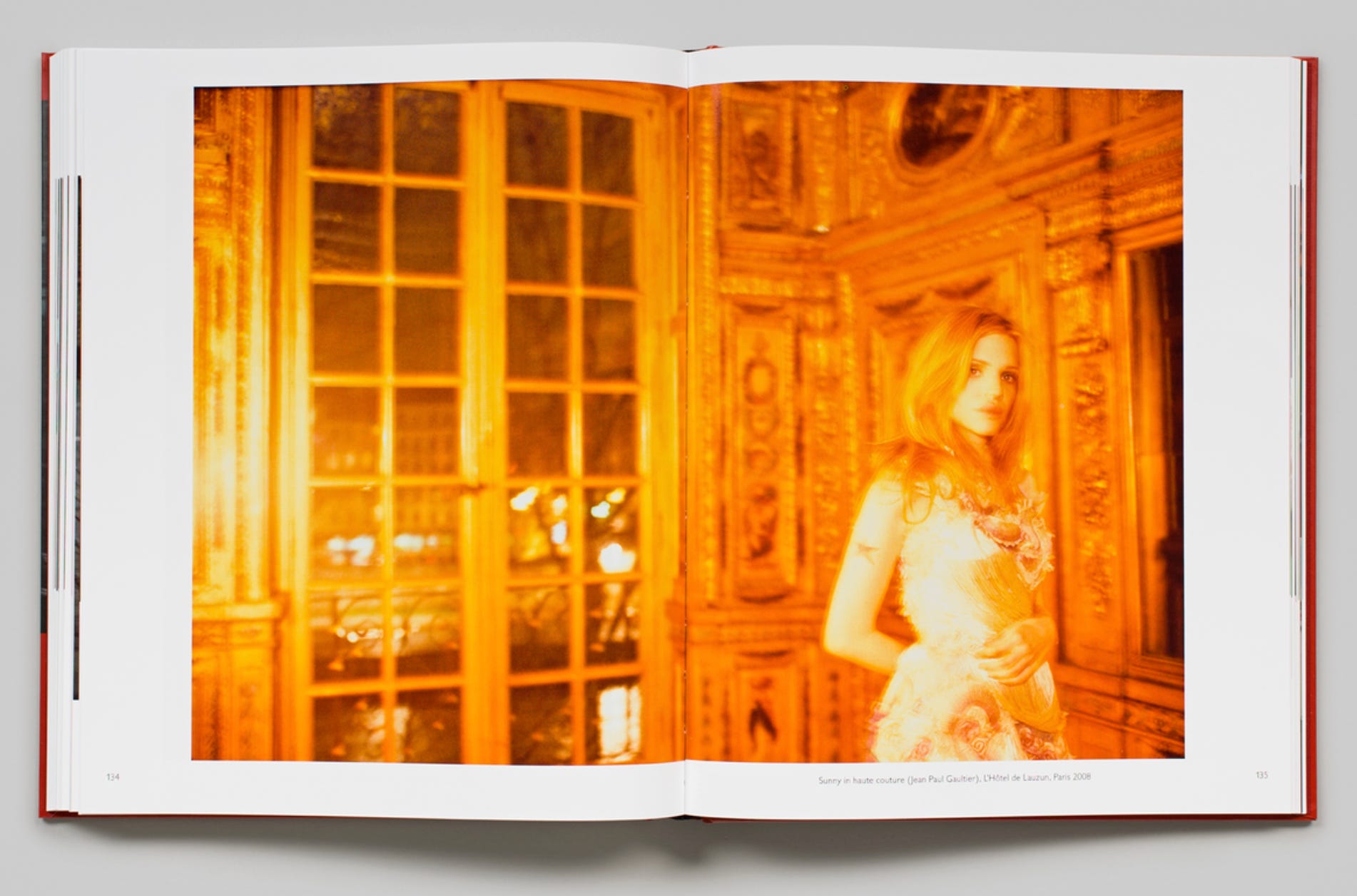
The Other Side by Nan Goldin
Nan Goldin’s documentation of the creative underground, fringe queer communities, and misfits of the art world made her one of the most influential photographers of her generation. Her practice took shape in 1970s Boston, where she documented the drag queens and transgender women who made up much of her social circle. This body of work became The Other Side, her first published photobook and a landmark project that brought voyeurism, gender fluidity and queer self-expression into the public consciousness long before either was accepted by mainstream society. Many of her muses and collaborators were affected by the AIDS crisis of the 1980s, making the archive a reflection on a devastated generation. After The Other Side was published in 1993, Goldin continued traveling and documenting similar subcultures across New York (where she published her better-known work The Ballad of Sexual Dependency) as well as Berlin, Bangkok, and beyond, expanding her intimate style of portraiture into a global chronicle of outsider life.

Sylvia by Angela Hill
Sylvia by Angela Hill, a fashion photographer whose serene, minimalist approach attracted the attention of Dover Street Market and Gosha Rubchinskiy, centers on a single subject: a girl named Sylvia Mann, photographed between the ages of 11 and 18.The book is some of Hill’s best work, and perfectly captures her photographic philosophy: avoid large-scale teams or elaborate pre-planning, find the intimacy of her subjects’ aesthetic truth, from their fashion sensibilities to the objects that fill their bedrooms. Viewers are left with a sense of mystery: Who is this girl? Why am I jealous of her beautiful life? Today, Hill runs and curates IDEA in Soho, London, one of the most compelling contemporary bookstores. If you like Sylvia, check out Edith by her as well.

Mies van der Rohe: Architecture and Design in Stuttgart, Barcelona and Brno by Otakar Macel
Regarded as one of the pioneers of modern architecture, German designer Mies van der Rohe’s design language feels tangential to that of Rams, sharing qualities that remain highly relevant to contemporary design in 2026, most notably in the renewed popularity of Wassily chairs and a broader movement toward curved, organic forms and steel. Van der Rohe was also the last director of the Bauhaus school of architecture, guided by the philosophies of “Less is more” and “God is in the details.” His most famous works include modern classics such as the Barcelona and Brno chairs, which continue to be widely replicated today.
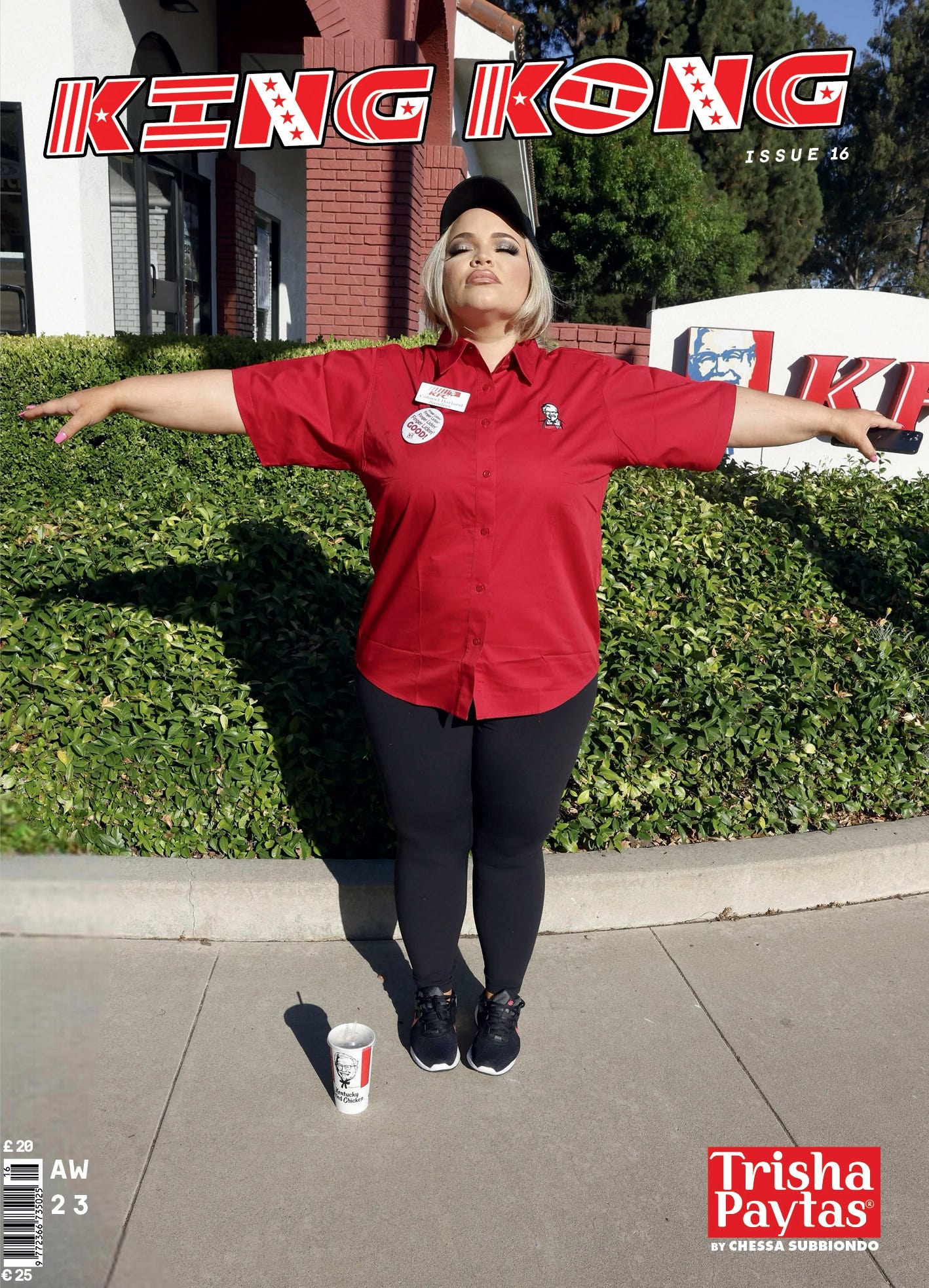
TRISHA PAYTAS issue of King Kong Issue 16
Trisha Paytas is an omnipresent force of internet culture. From dominating YouTube, to appearing in Modern Family, music videos by Amy Winehouse and Eminem, and this season of Euphoria, Paytas’s rare cover issue for King Kong magazine perfectly captures the absurd, quintessentially American spirit of the unlikely icon. The interview contains a number of great quotes, such as: “In America anyone and everyone is famous”; “Followers are worth more than dollars”; “I’m kind of fat and love to eat too many calories. And I love it. I think that’s pretty American.” The cover was shot by LA photographer and creative director Chessa Subbiondo.
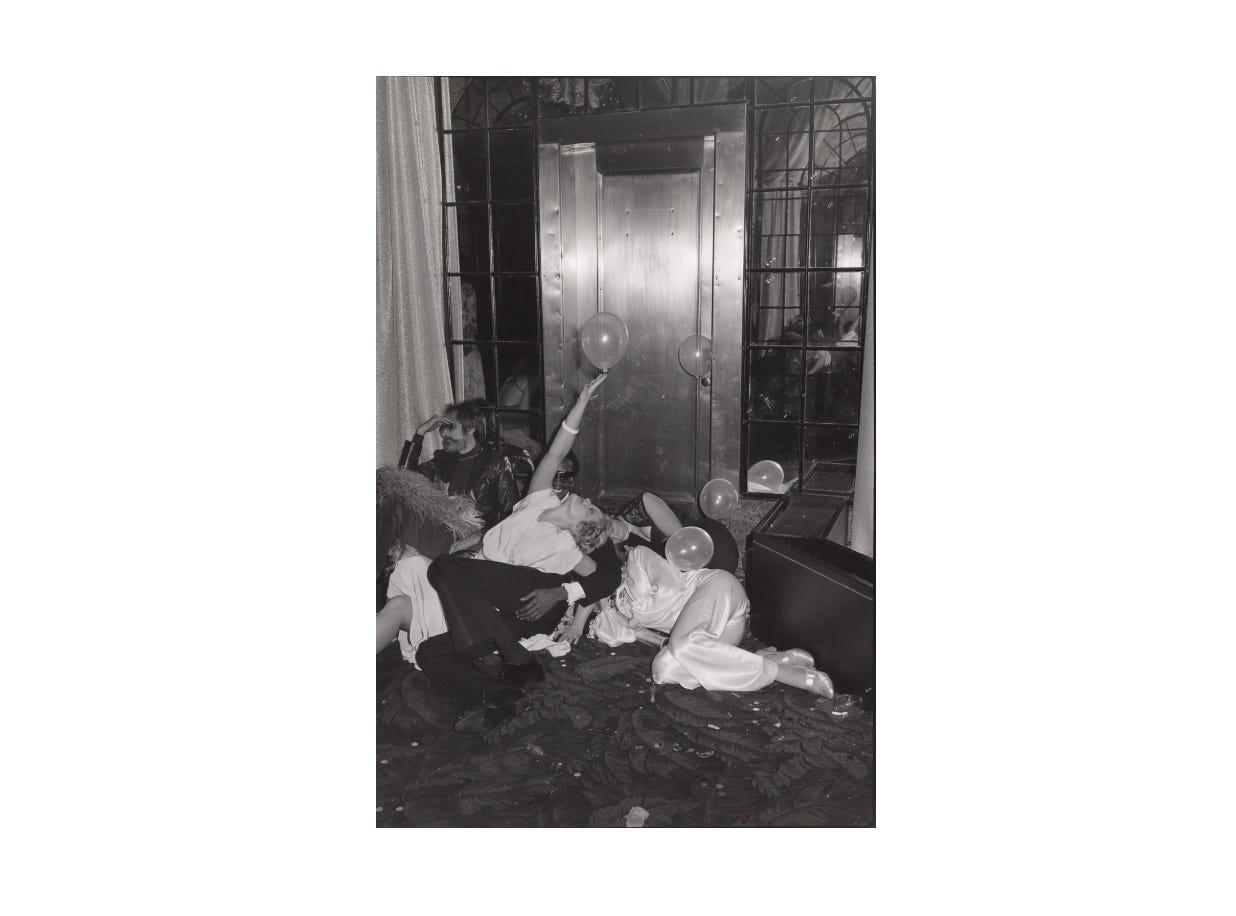
Studio 54 by Tod Papageorge
Tod Papageorge’s photo collection offering a glimpse inside New York’s most infamous disco club, Studio 54, remains one of the most celebrated works of NYC party photography. The collection belongs in conversation with those Larry Fink, and Mary Ellen Mark, and documents the glitz and hedonism of 1970s New York. Papageorge’s images capture the fine line between euphoric decadence and glamorous collapse, seen through tangled bodies of movie stars, musicians, politicians, and people from every walk of life, a true testament to the spirit of New York that people are still chasing to this day.
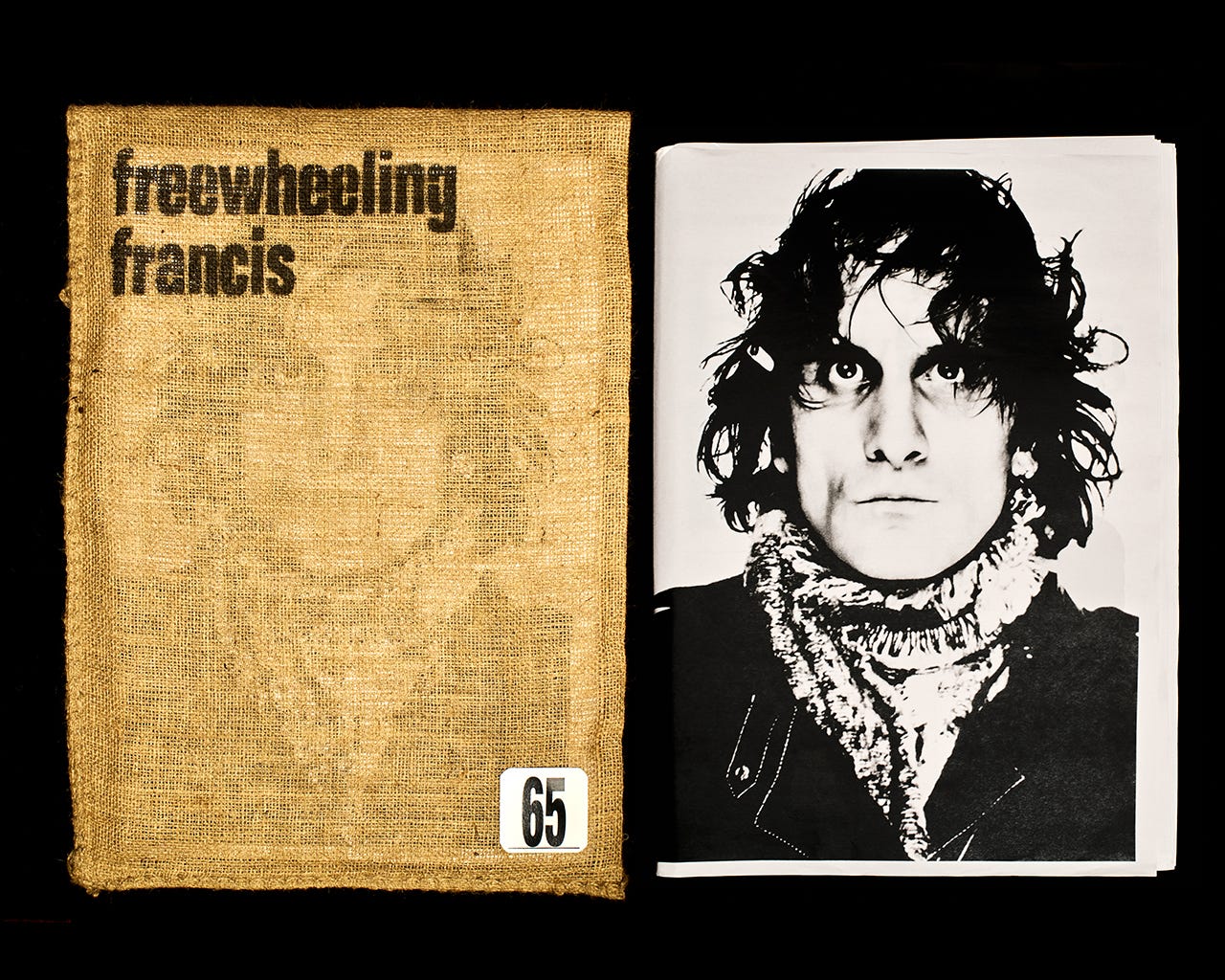
Freewheeling Francis by Francis Delacroix
Described as “the bible of Francis Delacroix’s body of work—and of his own personal religion,” Delacroix’s book is a collection of more than one hundred portraits by the photographer. Documenting his friends and the creative scenes he has been involved with over the past decade, the book focuses on the fading glamour of rock culture across Paris, New York, Rome, and Milan. It features figures like Anton Newcombe of The Brian Jonestown Massacre, The Dare, legendary NYC filmmaker Richard Kern, and many more. The book’s construction is also highly unique: the 200-copy run was printed on lightweight 55gsm newspaper stock, with each book wrapped in a burlap sack-like fabric. It also contains a foreword by alt-lit writer Meg Superstar Princess. Only five copies remain on his site.
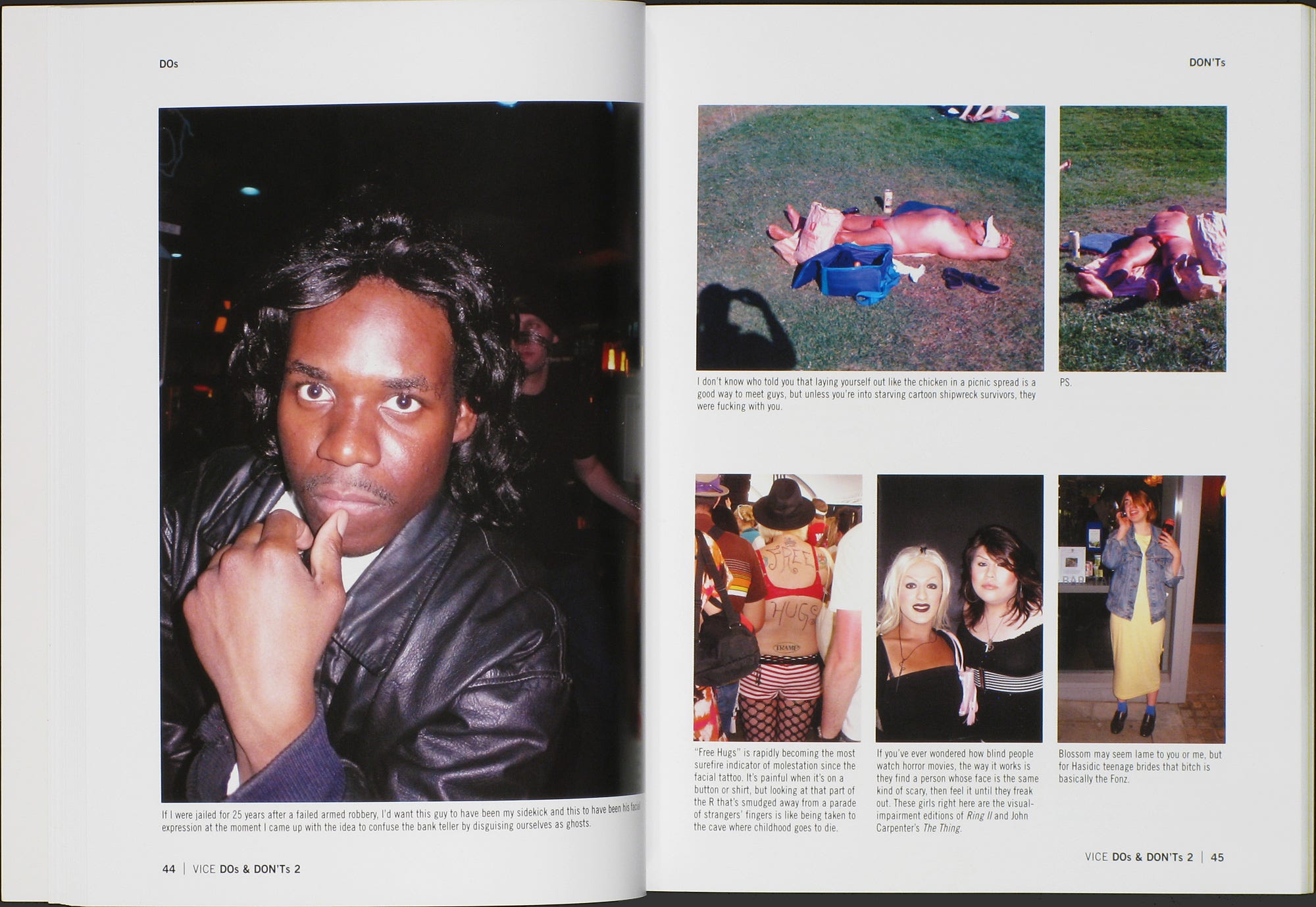
Vice Dos and Don’ts: 10 Years of VICE Magazine’s Street Fashion Critiques by Vice
No publication had as much of an influence on the urban hipsters of the 2000s and 2010s as Vice Magazine, and few offerings within Vice were consequential as “Dos and Don’ts,” a recurring series of style scripture and behavioral standards for a generation that was equally interested in standing out and fitting in. This compilation assembles a decade of this guidance in a single visual compendium. Much of the wisdom still applies. Readers of this also tend to like The Vice Guide to Sex and Drugs and Rock and Roll.
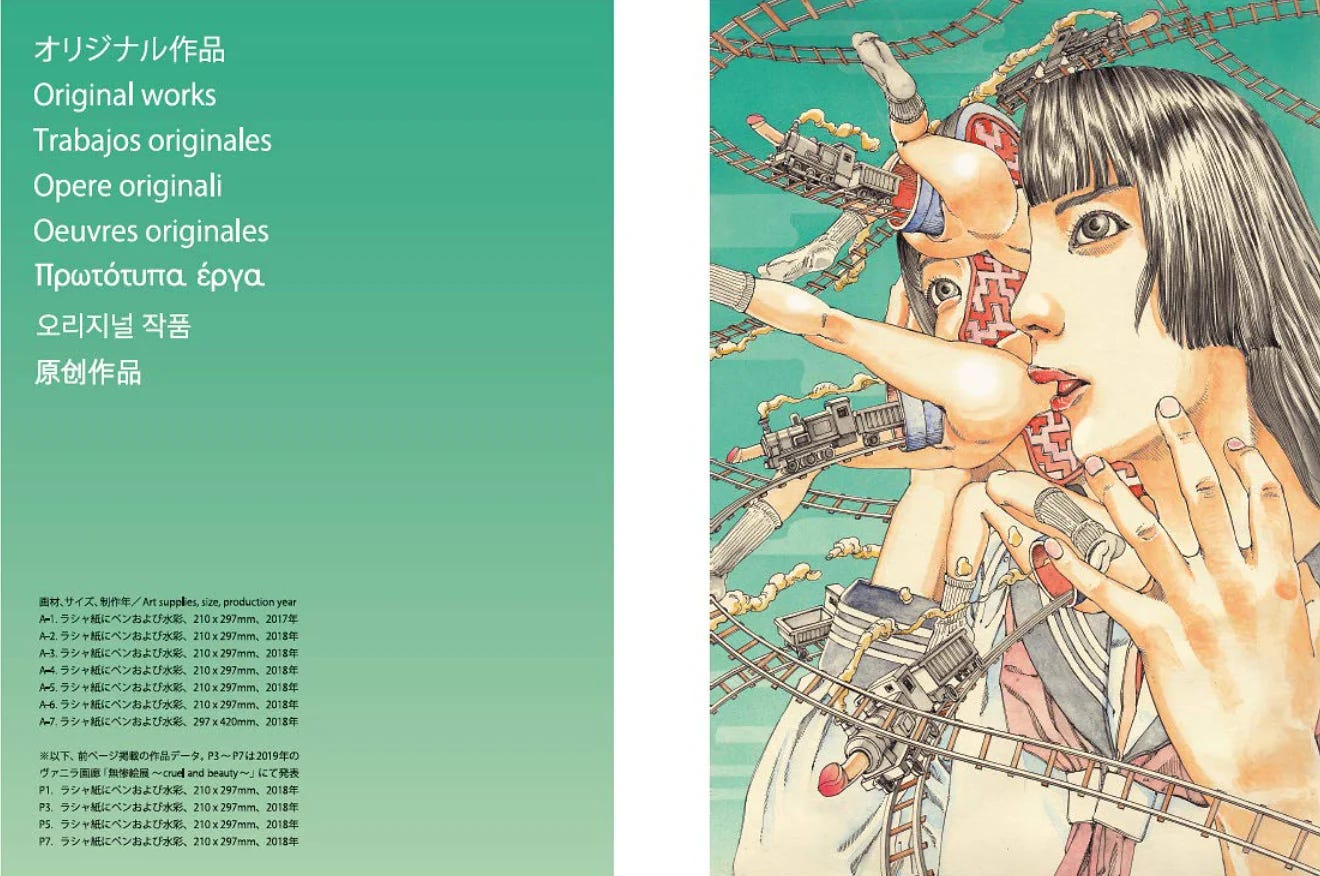
Shishi Ruirui by Shintaro Kago
Shintaro Kago is a Japanese artist known for his absurdist style. Though first popularized through his work on Manga, Kago expanded into a robust personal practice of illustrated works which leaned further into the surreal and macabre themes he was known for. This book collects a wide selection of such works by the artist.

Selfish by Kim Kardashian
Kim Kardashian’s Selfish is a nearly wordless, 448-page collection composed entirely of her selfies. The book serves as an archive of Kardashian’s life from 2006 up until her marriage to Kanye West in 2014. One could call the project vain, narcissistic, or self-obsessed, but taken for what it is, Selfish feels like a direct reflection of the era we are living through. Given that there are thousands of forgotten photobooks dedicated to nearly every mundane subject imaginable, the selfie seems like a valid form to archive.
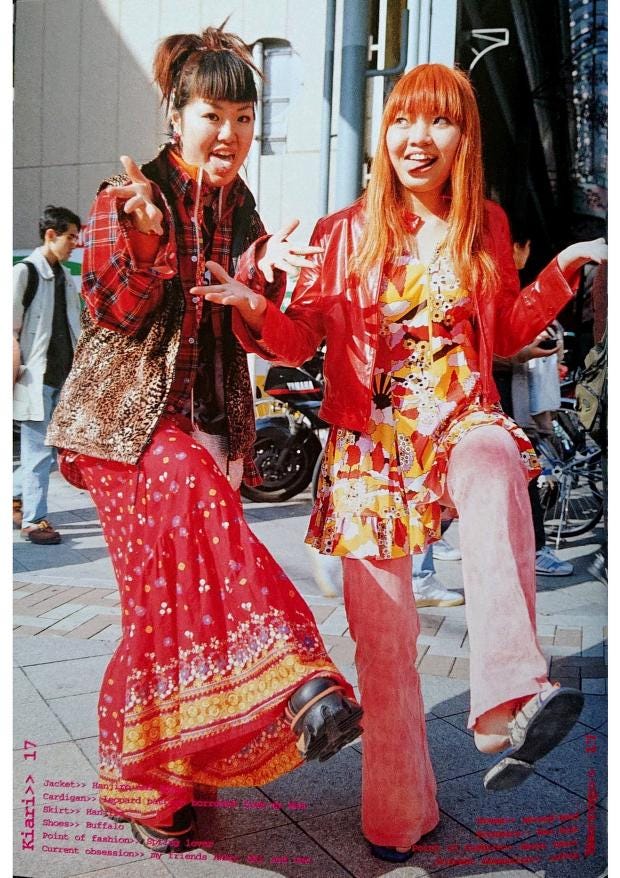
Fruits by Shoichi Aoki
Fruits by Shoichi Aoki compiles over a decade’s worth of Fruits magazine issues, forming a visual documentary of vibrant, left-field Japanese style in the 1990s through street portraits taken during the heyday of Tokyo’s Harajuku fashion scene. First launched as a monthly street fashion magazine in 1997, Fruits has been a fundamental reference point for international creatives for more than two decades. Aoki began the magazine after noticing the uniquely eclectic nature of Harajuku fashion, which felt like a fresh melting pot of influences ranging from Western pop culture and Japanese rave culture to manga and anime. Indeed, the youth captured in the portraits resisted homogeneity, instead embracing vibrant designer clothing mixed with homemade garments and DIY styling. Aoki also founded a UK version of the magazine called STREET in 1985, which notably featured Robert Pattinson before his acting breakthrough. There is also a second volume titled Fresh Fruits, which extends the archive with later issues of the magazine.

Portraits: I Have So Much To Tell You by Gunner Stahl
Gunner Stahl is one of the defining pop-culture photographers of the 2010s. His up-close portraits popularized the Contax T2 film camera and inspired an era of analog, film-forward creative direction in mainstream rap. His photobook Portraits captures nearly every rapper you could think of, often in small studio sessions or casual hangouts, from Drake, Lil Uzi Vert, and Gucci Mane to Mac Miller and Earl Sweatshirt. Stahl also famously shot the cover for Playboi Carti’s 2017 self-titled album, and more recently has directed major music videos like Ken Carson’s “overseas” and “delusional.”

Cherry Blossoms by Damien Hirst
While Damien Hirst is not primarily known for his paintings, the medium is a central component of his oeuvre, a key to understanding shifting his artistic vision in this late period of his career, and an underrated aspect of his output. His “Cherry Blossoms” paintings are perhaps his best. Began 2017 following the completion of his strenuous Treasures from the Wreck of the Unbelievable project, which took him nearly a decade to finish, and accelerated by the forced enclosure of the pandemic, Hirst’s “Cherry Blossoms” are gestural and vibrant paintings that mature the themes and aesthetics of earlier painting series such as “Spot Paintings,” “Visual Candy,” and “Colour Space.” This monograph reproduces 107 incredibly defined images of these paintings, along with information about the series, historic quotes about Cherry Blossoms, and more.
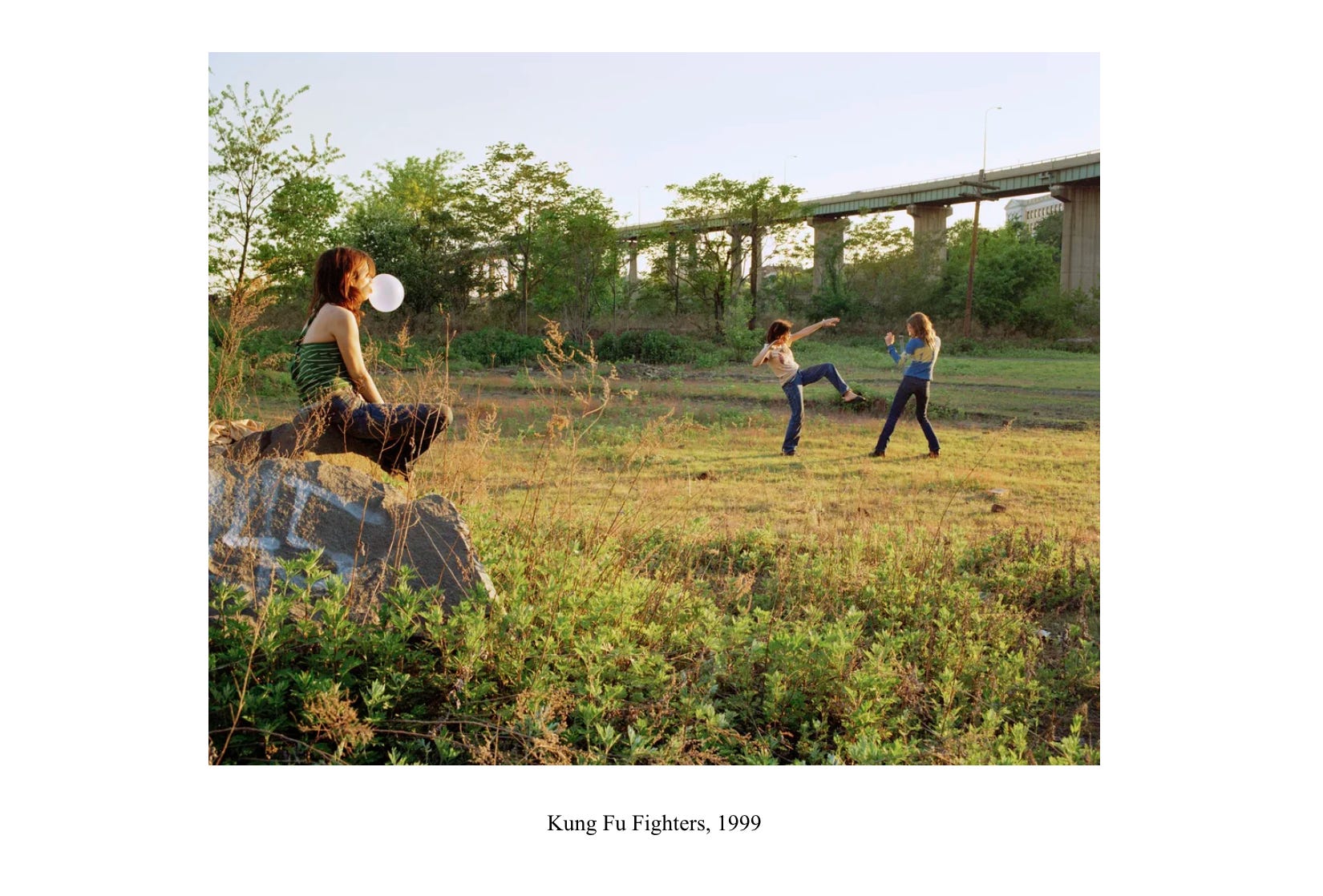
Girl Pictures by Justine Kurland
For the five years between 1997 and 2002, photographer Justine Kurland went on an extended road trip across America. Everywhere she went, she found girls. She asked them to help with her project. The request was simple: imagine you have run away and formed a community with other girls on the fringes of society. “I staged the girls as a standing army of teenage runaways in resistance to patriarchal ideals,” says Kurland in regard to her images of youthful rebellion and wildness. “The images are meant to showcase a female archetype, a romantic myth not entirely dissimilar to its masculine version; the cowboys, outlaws, and beat poets of the feminine domain.” This book collects the images from that series.
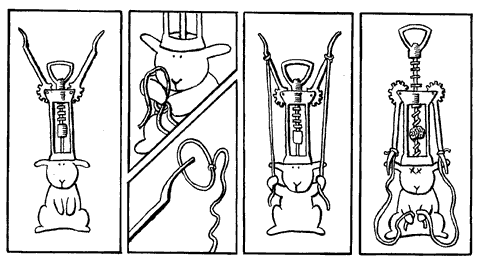
The Book of Bunny Suicides by Andy Riley
A morbid manual for killing yourself (as a bunny). Riley’s outlandish illustrations pair well with the inventive and irreverent subject matter, and made this book a cult hit, and then an international bestseller. It remains a classic.

Finlandia by Jouko Lehtola
Published in 2004, Finlandia is a look at the disaffected Finnish youth culture of the 80s and 90s by one of the great portraitists of the period. Lehtola’s Young Heroes, which depicted mostly 90s club culture, first earned him widespread acclaim, but the compilation of Finlandia shows a much greater aesthetic range, and truly captures both the intensity of his style and the spirit of a globalizing Finland.
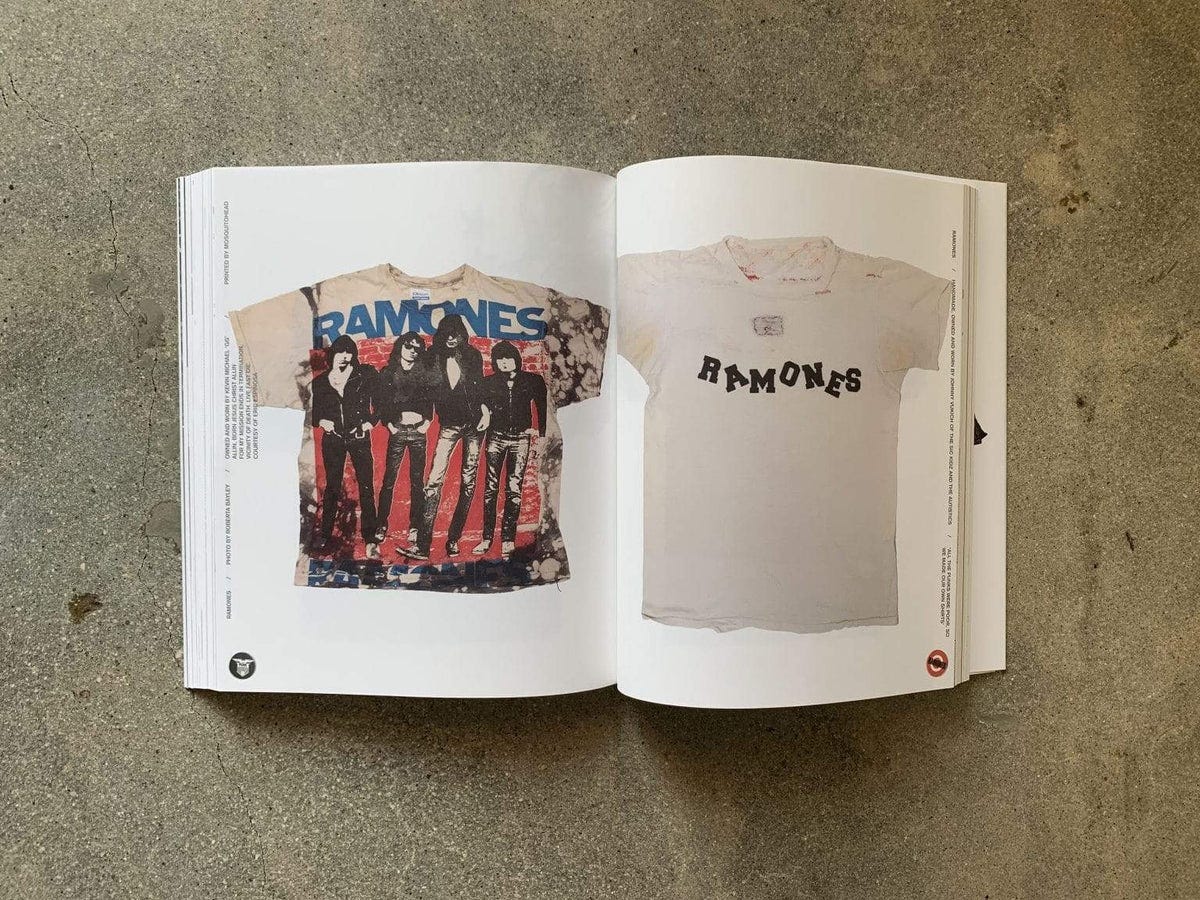
PUNK SHIRTS: A PERSONAL COLLECTION BOOK by Bryan Ray Turcotte
Bryan Ray Turcotte is an LA based creative and author known for working for the legendary punk record label Clash, as well collaborating on installations with the MoCA and brands like Converse, Hysteric Glamour, and Levi’s. Punk Shirts chronicles both his personal collection of rare, highly coveted vintage punk shirts, as well designs from Malcolm McLaren / Vivienne Westwood’s Sedentaries project, and shirts from the collections of punk stars like Sid Vicious and Darby Crash. As a bonus, check out Turcotte’s other book Fucked Up + Photocopied, an archive of the American punk scene between 1977 and 1985.

Studio Voice: Hiromix Special Edition
This 1996 special edition of Studio Voice (a highly influential Japanese culture magazine that began publishing in the 70s) highlights the work of Hiromix, at that point a young rising talent in the photography scene whose tight-frame close-up portrait style was key in shaping the ‘girly photo’ movement that dominated depictions of Japanese female youth culture in the 90s. The portraits are the reason you need it, but the edition’s design is standout too.

256 gb by Yung Lean
Uninhibited intimacy and access is one strategy that today’s celebrities employ to connect with an increasingly attention-stretched audience, and has produced a trend that the likes of Drake, Virgil, and Carti have all partaken in: the releasing (or ‘leaking’) of raw (but curated) files for public consumption. Often labeled not by their contents but by their volume of digital storage, these content dumps often come in unconsidered file share format. In Yung Lean’s case, they came in a beautiful book by acclaimed publisher and design studio Actual Source. 574 images shot on four different iPhones, organized into nine chapters and bound into a book whose construction draws on an Italian bookbinder’s five centuries of expertise in bible-making.

I Love You, Stupid by Dash Snow
New York artist Dash Snow was a photographer whose practice centered on documenting the extreme limits of reckless hedonism through scenes of drugs, fast cars, and benders. I Love You compiles his famous Polaroids in 430 color reproductions. Snow’s lifestyle choices were, in part, a direct reaction to his discontent with increasingly authoritarian government structures and the growing surveillance state he saw emerging around him. To reduce Snow’s work to mere party photography would be a grave misunderstanding. Many of his images depict scenes rarely shown at all, with ejaculation, bleeding, defecation, and urination serving as recurring motifs throughout his work. Snow, who was also the nephew of Uma Thurman, tragically passed away at 27.
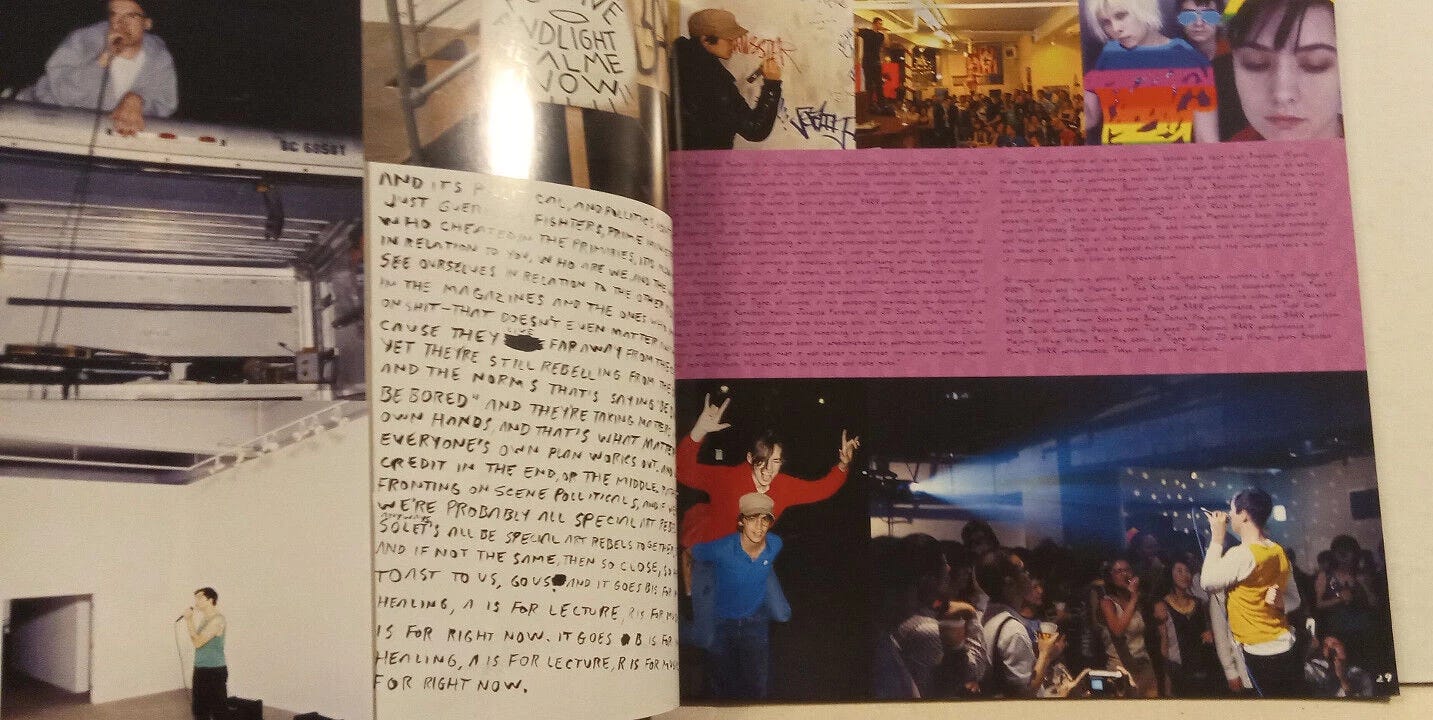
Live Through This: New York 2005 by Deitch Projects
Iconic period scenes will light up the imagination of any culturally-inclined mind. X city in Y stretch of years is a romantic formulation we are all familiar with, and for good reason; artistic quality and value do sometimes condense, and a single geographic area can in a span of a few years contribute something remarkable to the global arts. Once that time passes, once it becomes idealized and dramatized in the public consciousness, it can be hard to tell what actually happened. That’s what makes this book published by Deitch Projects so valuable. It is an extensive anthology of the underground arts of New York in the early 00s, focusing on over 30 artists (such as Dash Snow and Corey Arcangel), featuring images of studios, exhibitions, parties, and more, alongside essays and commentary from voices on the ground. A unique and substantive snapshot of a time before Williamsburg got like that.
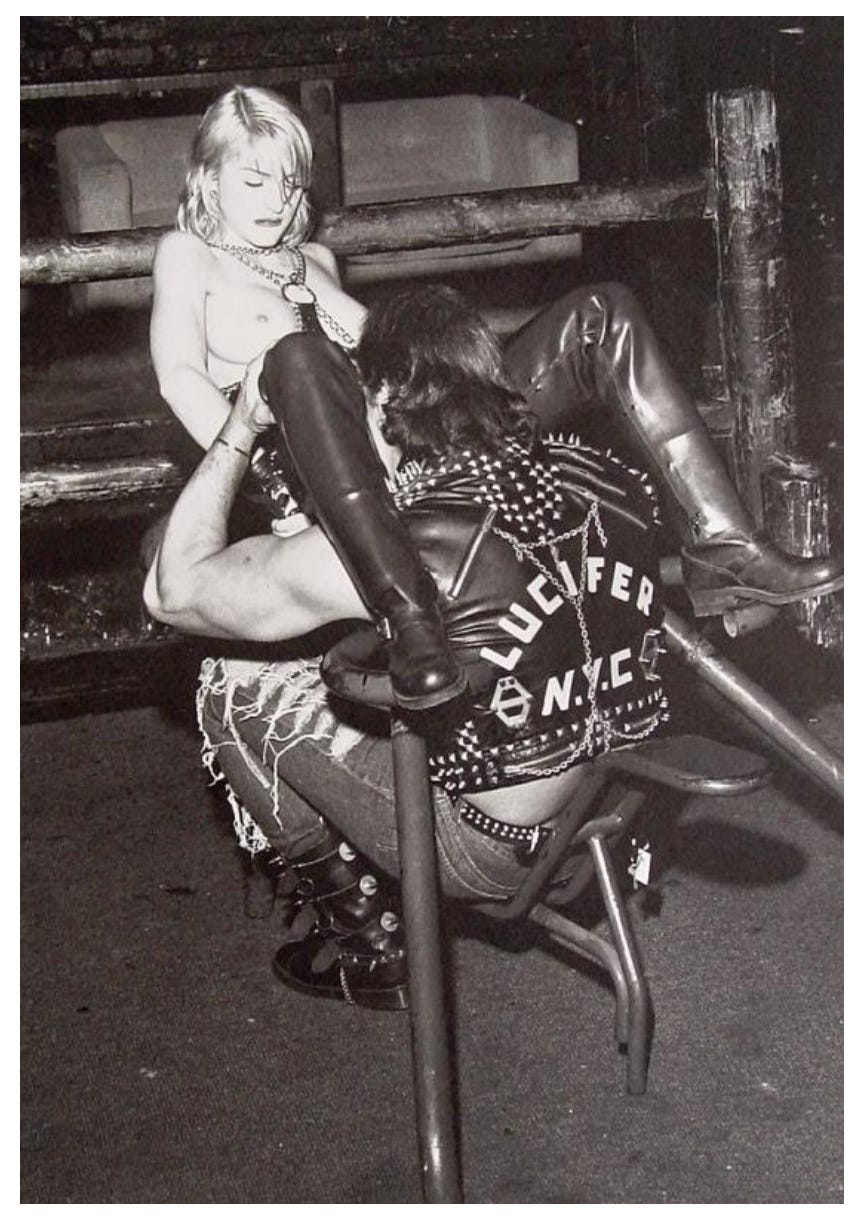

SEX by Madonna
Madonna’s controversial 1992 book SEX changed the way popstars engaged with taboo in public. Written under her alter-ego “Mistress Dita,” photographed by Steven Meisel, and published alongside Madonna’s album Erotica, the book featured explicit photos and stories from celebreries like Madonna, Vanilla Ice, Isabella Rossellini, Big Daddy Kane, Naomi Campbell, alongside anecdotes from punk lesbians and muscle gays. Breaking records for first-day and first-week sales, SEX was a cultural phenomenon that went on to become the best-selling coffee table book of all time. The book features an embossed metal cover and a foil wrapper (which simulates an oversized condom wrapper), so you couldn’t leaf through it at the store. The book also is accompanied by an exclusive Erotica music CD and a short comic book.

Polaroids from 1979-1981 by H.R. Giger
Swiss artist H. R. Giger’s series of Polaroids from 1979–1981 are like if Nan Goldin’s intimacy met David Cronenberg’s unnervingly corporeal imagination. The collection blends erotic party photography, deranged self-portraits, and alien fetish imagery into a haunting visual archive. At the time, Ridley Scott had commissioned Giger to design the creatures and sets for Alien after discovering his biomechanical horror book Necronomicon. One of the Polaroids notably features the iconic Alien head and tail repurposed as sex props for two women.
I'm not sure if it was just an editing mistake or a lack of research, but Jacob Riis died in 1917 and was not involved with any "hedonist" photography of the 1970s.
And as a brief side note, it feels extremely reductive to label Chessa Subbiondo as just another man's sister and another man's ex-girlfriend.